Application Fee
$175
Processing Time
2-6 wks
Difficulty
Moderate
Duration
24 months
Overview
Colombia’s digital nomad route fits a remote worker first and a local labor market outsider second: local work is not permitted, the local income limit is 0% of total income, and qualifying income can come from remote work, business income, or passive income. That combination is useful for a FIRE retiree living on dividends and rental income, but the visa does not count Social Security or pension income toward eligibility, so a pension-only applicant does not have a clear pathway.
The residency trade-off is unusually light on paper because there is no physical presence requirement or maximum consecutive absence. That matters for anyone splitting time between Colombia and a second base, because the visa’s 24-month duration and renewable status do not, by themselves, create a documented stay quota.
This route does not lead to permanent residence, and there is no years-to-PR or years-to-citizenship clock. Someone planning a 10-year move needs to treat this as a renewable 24-month status rather than a settlement track. The core planning question is not progression to PR; it is whether the visa can be renewed and maintained while staying inside the local work ban and the 0% local-income ceiling.
The friction is moderate rather than severe, but it is still real: health insurance is required, while a local bank account, FBI background check, medical exam, and interview are not, though apostille of certain documents is required. That reduces document chasing, and the bureaucracy score of 1.0875/5 lines up with a process that is less paper-heavy than many long-stay visas. As of 2026, processing time runs about 2 to 6 weeks, the application fee is $71, and the renewal cost is $270.
This makes most sense if you earn $1,318/month or more (as of 2026) from a foreign client roster, an online business, or investment income and want a 24-month base without local employment. It is a poor fit if your plan depends on Colombian salaried work, pension income qualifying as the main support stream, or a visa path that clearly converts into permanent residence.
Eligibility Requirements
Eligibility is restricted rather than open to all nationalities, but the official source excerpt supplied here does not publish the actual restricted-country list. That means the gating mechanism is real, yet the list itself is not disclosed in the material at hand, so there is no safe way to name a broader pool than the official rules allow.
Because the eligible nationalities are not publicly specified in the published requirements, the practical question is not whether a U.S., Canadian, Australian, or UK passport works, but whether your passport appears on the official Ministry of Foreign Affairs eligibility list for Visa V Nómadas digitales. Without that list in the structured facts, no country grouping can be stated responsibly.
If you are not on the list, the only obvious workaround is a second passport from an eligible country; nationality-based visa rules are tied to the travel document you present, not to where you live or pay tax. A dual national should use the eligible passport if one exists, because the other passport does not override the restriction.
This kind of list is politically sensitive in many programs because it can change with immigration policy, bilateral relations, or administrative updates. Since the actual Colombian list was not disclosed in the structured facts, direct confirmation on the official Ministry of Foreign Affairs page is the only reliable starting point before document collection.
Application Fee
$175
Renewal Cost
$270/yr
Min Age
18 yrs
practical
Duration
24 months
Language
Employment letter must be in English or Spanish; other documents translated if needed (simple translation sufficient, no official test required). No language proficiency test or minimum level specified.
Remote Work / Freelance · Business Income · Passive / Investment Income
1099 Contractor · Self-Employed · Business Owner
Max 0% from local sources
Requirements Checklist
0 of 18 documents in hand
0%These take the longest, so start them first.
Request these while the slow items are in progress.
You only need these on the day you submit.
How and where to apply
Apply online via the Colombian Ministry of Foreign Affairs portal at cancilleria.gov.co/tramites_servicios/visa from anywhere, including your home country. No in-country application after tourist entry is noted. Consular application may be possible but online is primary per published sources.
Tax Information
Part 1 - Local tax picture
Colombia uses a resident tax regime once you cross the residency threshold, which means local tax exposure can expand beyond Colombia-source earnings. For this visa, that matters because this visa allows remote work, business income, and passive income, and Colombia treats the tax regime as resident. By contrast, local work is prohibited and local income must remain at 0% of total income, so the usual nomad pattern is foreign-source pay with no Colombian employment.
For capital gains on foreign investments sold through a foreign brokerage, Colombia taxes gains on assets held more than two years as occasional gains at a flat 15%, while gains on assets held two years or less are taxed as ordinary income at progressive rates up to 39%. The same applies to the exact tax residency trigger, which depends on specific day-count and registration rules best confirmed with a local advisor.
Colombia has no income tax treaty in force with the US (a 2007 treaty remains unratified), so there is no treaty-based shortcut to claim. That leaves the real-world filing question open as well: tax ID registration, declaration deadlines, and first-year filing dates vary by individual circumstance and should be confirmed with a local advisor. In other words, the visa rules define the tax posture as resident, but they do not give enough detail to map the filing sequence.
For US Citizens and Green Card Holders
- FEIE (Form 2555) only shields earned income: remote salary, self-employment, or consulting income up to the 2026 limit of $132,900.
- It does not cover dividends, capital gains, pension distributions, or Social Security.
- For this visa, the Physical Presence Test is the more obvious route if you are outside the US for 330 days in any 12-month period; the Bona Fide Residence Test is harder to anchor when the country’s tax regime is resident and the visa duration is 24 months without a clearly defined minimum stay rule.
- FTC (Form 1116) helps only when Colombian tax on a specific income stream exceeds the US tax cost on that same stream.
- If the local effective rate on foreign-source income is zero or unproven, the FTC does not shelter that income.
- Because the structured facts say the tax regime is resident but do not disclose the treatment of foreign dividends, capital gains, or passive income, the FTC analysis has to start from local filing and sourcing rules, not from the visa category.
- FBAR (FinCEN 114) is required if your foreign accounts exceed $10,000 at any point in the year.
- That filing is separate from FATCA Form 8938.
- A US CPA who works in expat taxation for FEIE, FTC, and FBAR, plus a local Colombia tax advisor for residency registration and filing, is the right two-person setup; the $1,500–$3,000 spent in year one often pays for itself in avoided penalties and cleaner elections.
Living in Colombia
COL Index vs NYC
26.0
Monthly Cost (excl. rent)
$728
1BR Rent (City Center)
$446
Safety Index
39.1
Healthcare Index
68.6
Quality of Life Index
108.8
Time Zone
UTC-05:00
Capital
Bogotá
Population
50.9M
Official Languages
Spanish
Avg Internet Speed
220 Mbps
Public Transit Quality
Good
With a budget covering rent and living costs, you'd need roughly $1,174/mo for a comfortable single-person lifestyle in Colombia.See how far your money goes →
🏙️ Best Cities in Colombia for Digital Nomads
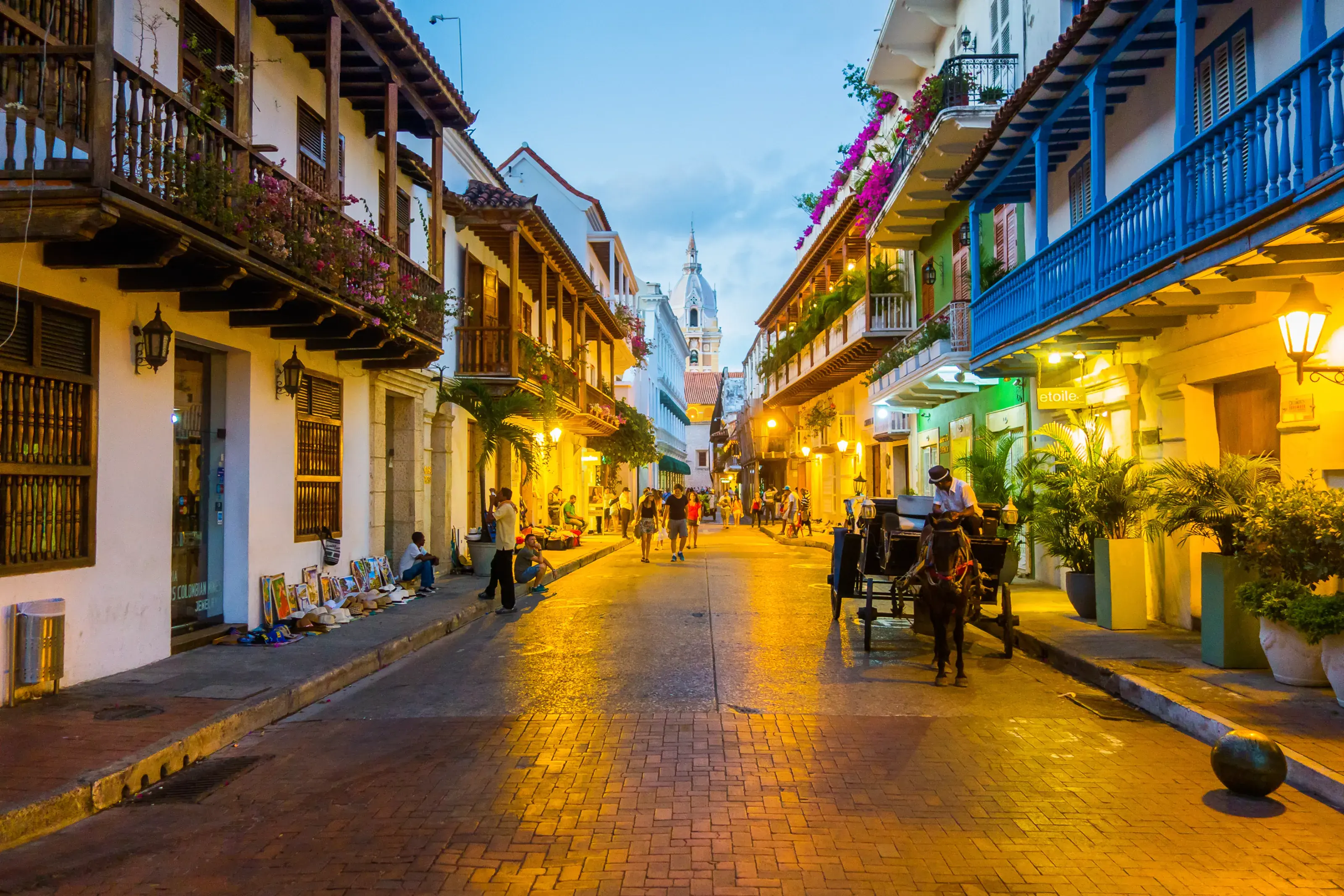 ✦ 81
✦ 81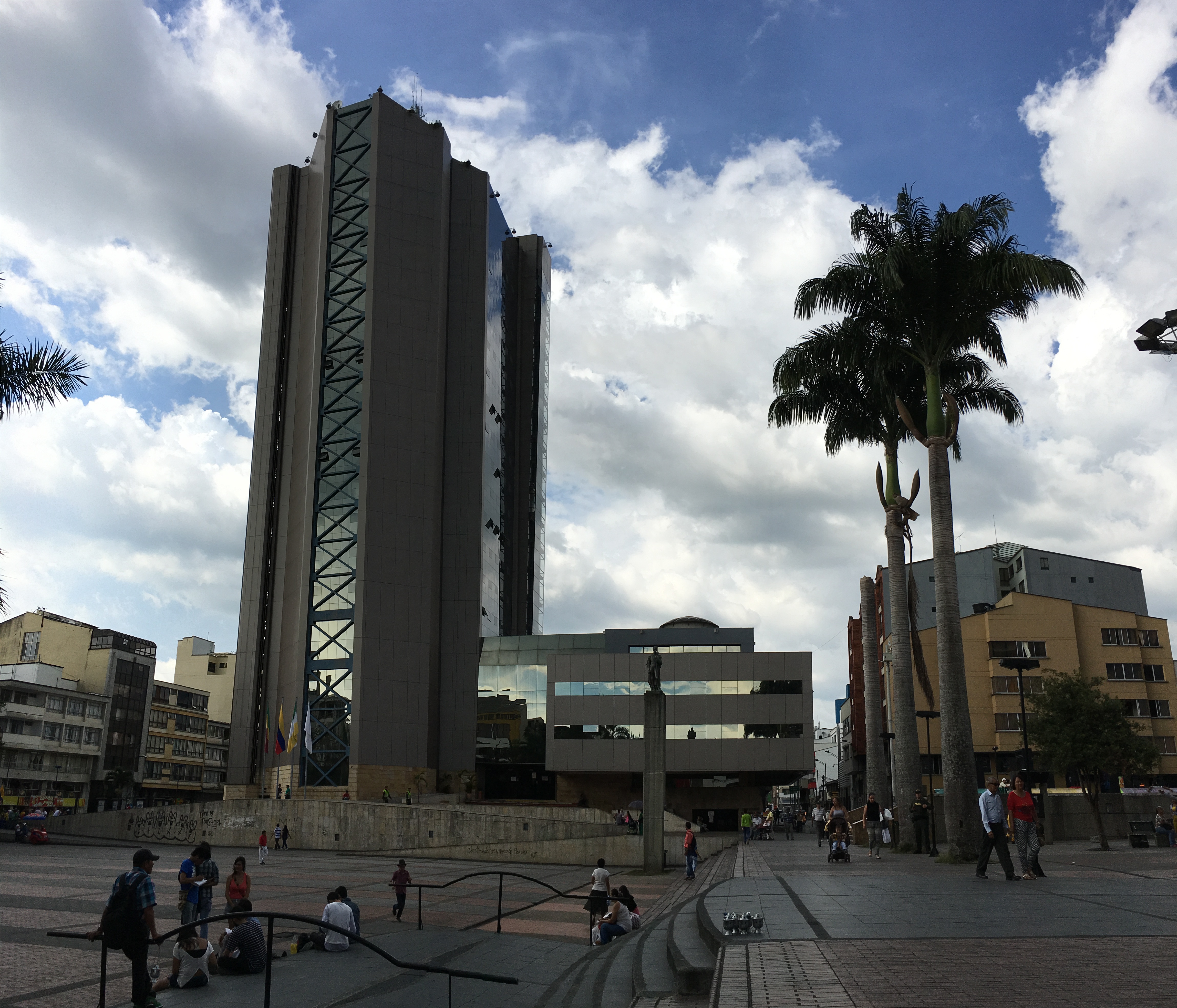 64
64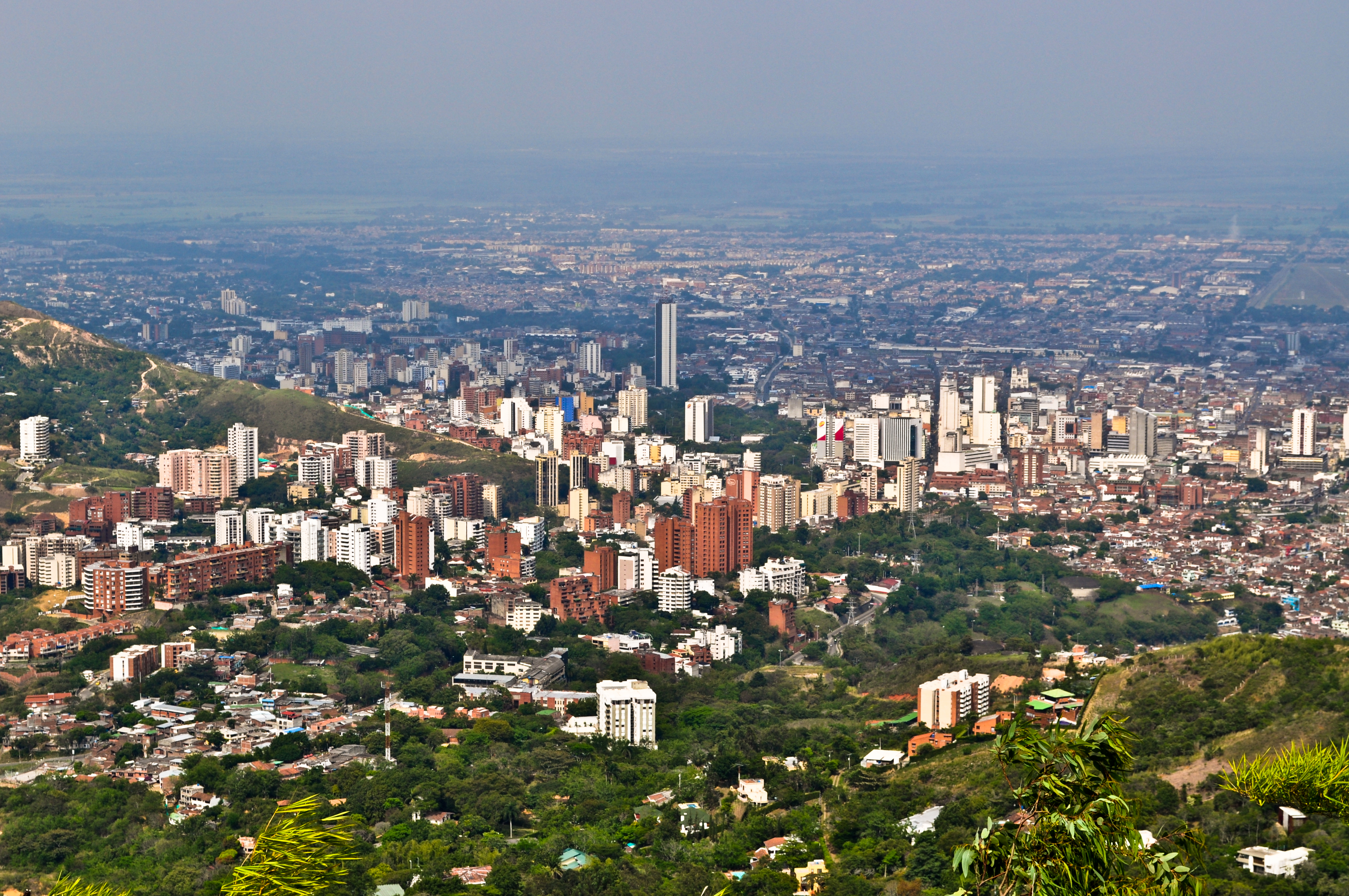 65
65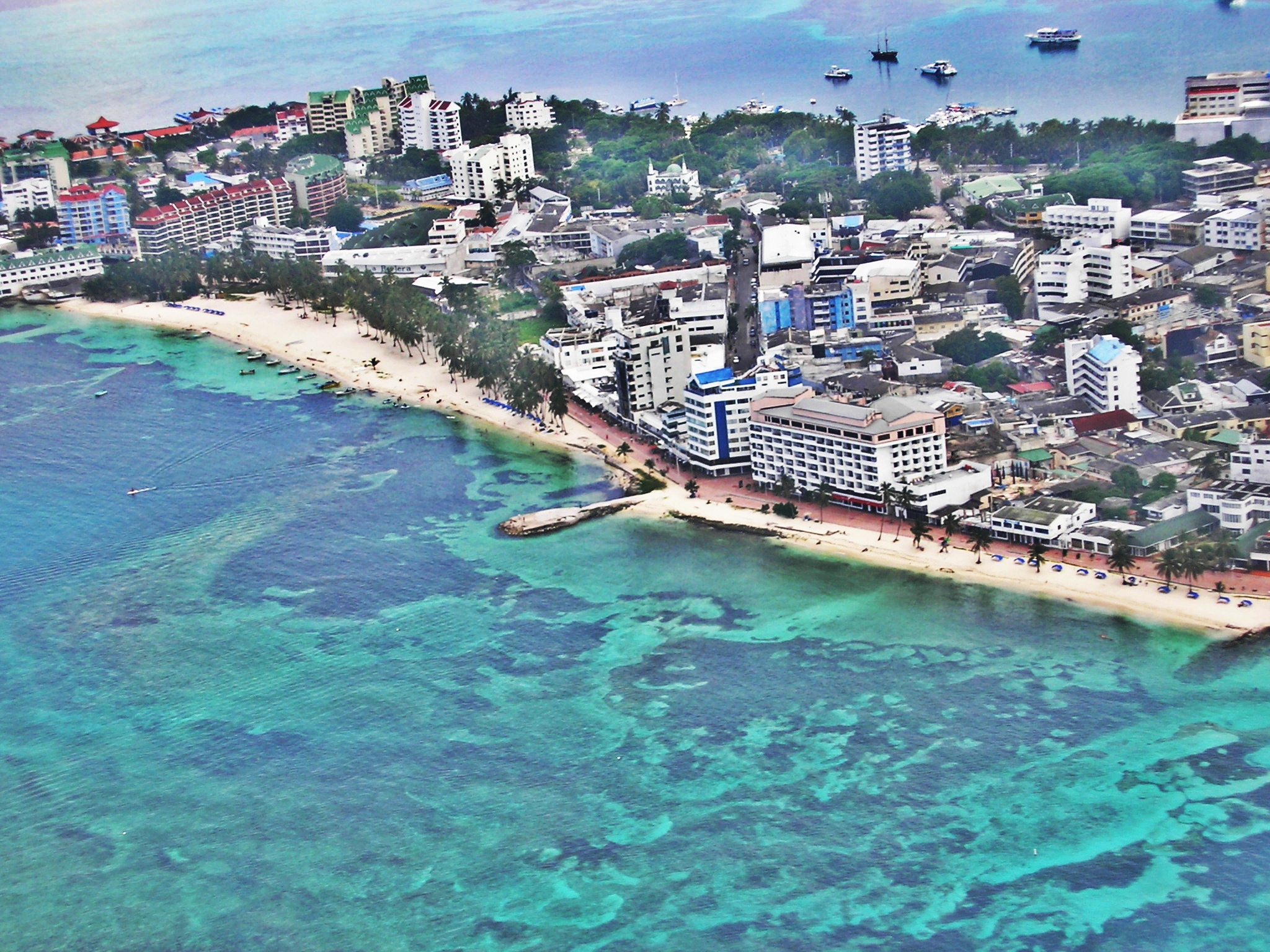 70
70 71
71 64
64Insurance coverage and the legalization chain that follows it
Private health insurance valid in Colombia, including emergency coverage, is a hard requirement, and the mistake isn't skipping it, it's buying a policy that technically satisfies the letter without matching what the visa actually needs. A travel insurance product bought for a two-week trip and then extended doesn't read the same to a reviewing officer as a policy structured for a resident stay, even if the coverage amounts look similar on paper. Get a policy term that covers the full permit duration, and get documentation from the insurer that states coverage type and dollar limits explicitly, because vague policy summaries generate follow-up requests.
The bigger friction point is usually legalization. Apostille requirements apply to background checks and, in some cases, corporate documents if you're applying through a business structure rather than as an individual freelancer. People treat this as a formality and leave it for the week before they submit, not realizing that apostille turnaround varies wildly depending on which state or country issued the original document. A background check from a state that processes apostilles in three days and one from a state that takes three weeks are not the same problem to solve on a deadline. Order the apostille the same day you request the background check, not after it arrives.
Translation is the smaller cousin of this problem but still causes delays. The rules don't call for certified or sworn translation, just accuracy, but "simple translation sufficient" gets interpreted loosely by applicants who then submit something machine-translated with obvious errors. An officer who can't tell whether a mistranslated line is a clerical slip or a substantive discrepancy will ask rather than assume, and that question costs you time you didn't plan for.
What happens after your visa is approved
Getting the visa stamped is not the same as being settled, and the gap between the two shows up almost immediately in the restrictions that carry over. Local work is not permitted on this visa, which means the entire premise of your stay has to remain what it was on paper, income earned from outside Colombia. That restriction is enforced administratively rather than through some active monitoring system, but it means the paper trail you built to get approved is the same paper trail you need to be able to reproduce if anything is ever questioned later.
There's no medical exam and no local bank account requirement, which removes two steps a lot of applicants brace for based on how other countries handle similar visas. That absence is worth noting only because it changes what your first weeks in Colombia actually require of you logistically, they're lighter than expected. What doesn't get lighter is the insurance requirement, which stays live for the full stay, not just the application window. Letting a policy lapse partway through your permit isn't just a paperwork gap, it undercuts the entire basis the visa was granted on.
Dependents are allowed on this visa, which matters for anyone moving with a partner or children, but it means the income documentation has to hold up under the assumption that it's supporting more than one person, even though the minimum threshold itself doesn't scale with family size in what's laid out. That's a detail worth confirming directly with whoever processes your specific file, because assumptions here are expensive to get wrong.
The long-term path, or the absence of one
This visa does not lead to permanent residency. That's not a minor footnote, it's the central fact that should shape whether you treat Colombia as a multi-year home or a well-run two-year experiment. The permit runs 24 months initially and is renewable, with a renewal cost of $270, but renewable is not the same as convertible. You can keep renewing this visa indefinitely in theory, maintaining the same income documentation each cycle, and never move an inch closer to residency or citizenship through it.
For someone who wants Colombia for two to four years and then wants to leave or reassess, this is close to ideal, the visa does exactly what it says and nothing more. For someone hoping a nomad visa quietly becomes a residency pathway if they just stay long enough and keep renewing, this is the wrong track entirely. Colombia's other visa categories are built for that goal, this one is not, and no amount of clean paperwork on the nomad side changes that structural fact.
The practical result is that people planning to stay past four or five years need to think, from month one, about whether they'll eventually need to switch visa categories altogether rather than simply renewing the one they started with. Renewing on schedule keeps you compliant, but it doesn't accumulate toward anything beyond itself. If residency matters to you, the decision about which visa to apply for isn't a decision you get to defer, it's a decision you're making the day you file the first application.
Nomad visa now versus the residency-track route later
The choice most people actually face isn't Colombia versus some other country, it's this visa versus one of Colombia's own longer-term visa categories that does lead toward residency over time. The nomad visa wins on speed and simplicity: no medical exam, no local bank account, a processing window of two to six weeks, and a lower income bar to clear. If you want to be living in Colombia within two months of deciding to go, this is the only realistic route to get there that fast.
The residency-track alternative asks for more upfront, generally a longer commitment, different financial thresholds, and a slower approval process, in exchange for the thing this visa explicitly doesn't offer. If you already know you want to be in Colombia in five years, starting on the nomad visa and treating it as a placeholder is a reasonable bet as long as you're honest with yourself about the fact that it's a placeholder, and you start researching the residency track well before your second or third renewal comes due. Treating the nomad visa as the default long-term plan because it was the easiest one to get approved for first is the mistake that shows up two or three years in, when someone realizes they've spent real money and time renewing a visa that was never going anywhere.
There isn't a wrong answer here so much as a mismatched one. Someone testing out Colombia, or committed to a defined multi-year window, is well served by the nomad route as it stands. Someone already certain they want to stay indefinitely is better off treating this visa as a bridge, not a destination, and lining up the next step before the first renewal deadline forces the question.
Work Permissions
Application Steps
- 1
📋 Verify nationality eligibility
1 day
- 2
📄 Gather proof of remote work
1-2 weeks
- 3
📄 Secure private health insurance
1-3 days
- 4
📬 Complete online visa application
1-2 hours
- 5
📬 Pay visa study fee
Same day
- 6
⏳ Wait for application review
not specified
- 7
🏛️ Enter Colombia and register
1-2 days
Planning a long stay? Compare international health plans for Colombia.
Compare health insuranceWe may earn a commission at no cost to you.
Compare this visa
Curated comparisons that include this route.
Frequently Asked Questions
Click any question to expand the answer.
Ready to Apply?
Work with trusted visa specialists who handle the paperwork so you can focus on your move.
Get help with this visa →* We may earn a commission if you apply through our link
At a Glance
Last verified: October 9, 2026