Processing Time
26-39 wks
Difficulty
Difficult
Duration
60 months
Overview
Bulgaria’s Golden Visa is built around a single core requirement: invest 512000 USD into a qualifying Bulgarian investment fund. There is no disclosed minimum monthly income or savings requirement, and the program is explicitly aimed at passive investors rather than people proving employment income. So a FIRE retiree with a 1.2M USD brokerage account who can reallocate 512000 USD into a Bulgaria‑regulated fund clears the only hard financial hurdle, regardless of whether their ongoing cash flow comes from dividends, bond coupons, or rental income abroad.
The trade-off is almost entirely financial rather than lifestyle. Physical Presence Required is listed as 0 days/year, with Years to PR at 0 years, meaning you obtain permanent residency from the outset without any annual day-count to maintain it. For someone splitting time between, say, Thailand, Portugal, and the US, Bulgaria does not force 90–183 days on the ground or penalize long absences; there is no maximum consecutive absence limit, and there is no named presence rule to preserve status.
From a long-term planning perspective, this residency is explicitly a gateway to an EU passport. Leads to PR is Yes with 0 years to PR, while Years to Citizenship is 5 years. That offers a clear 5‑year planning horizon for those wanting eventual Bulgarian (and thus EU) citizenship, without intermediate temporary-residence renewals. The initial permit is granted for 60 months and is renewable, but in practice you are dealing with an immediate permanent residence status tied to maintaining the qualifying investment and meeting citizenship-law conditions later.
Friction sits less in paperwork and more in capital size and documentation quality. The program does not publicly require an FBI background check, apostille, medical exam, or interview, though it does require a local bank account, and Processing Time is given as 2 weeks – 4 weeks once you are at the visa stage. The real work is proving legal source of the 512000 USD and passing due diligence with Bulgarian authorities, where issues like old police clearances, unclear fund trails, or politically exposed person status can derail an otherwise straightforward file.
This structure makes most sense if you can comfortably lock 512000 USD into a single-country fund for several years in exchange for 0 days/year presence and a 5‑year path to EU citizenship. It is a poor fit if your total net worth is under 800000–900000 USD or you would need to liquidate nearly everything just to meet the 512000 USD threshold, as that concentrates risk and undermines portfolio diversification.
Local tax picture
Bulgaria uses a worldwide taxation model for tax residents, not a territorial or remittance-based system. A Bulgarian tax resident is in scope for Bulgarian tax on global income: remote salary from a foreign employer, ETF dividends from a US brokerage, IRA/401(k) or other pension distributions, and rental income from property in the US, Canada, or Australia all fall into the Bulgarian tax net. For non-residents, only Bulgarian-source income is taxed locally, such as salary from a Bulgarian employer, rent from Bulgarian property, or dividends and interest from Bulgarian payors.
On capital gains from foreign investments, Bulgarian law taxes capital gains realized by tax residents on a worldwide basis. So if you are a tax resident and sell index funds or ETFs held in a foreign brokerage, the gain is taxable in Bulgaria at the standard capital income rates (Bulgaria historically applies flat rates on investment income; you should confirm the current percentage with a local advisor). That is not exempt under any territorial rule and is not limited to amounts remitted into Bulgaria.
Tax residency is determined primarily by day count and ties, not by visa label. Bulgaria follows the common 183‑day threshold: spending more than 183 days in Bulgaria in any 12‑month period generally makes you a Bulgarian tax resident. Separate criteria, such as having your vital interests or permanent home in Bulgaria, can also trigger residency even below 183 days, but the 183‑day rule is the clearest bright line. The Golden Visa itself, with Physical Presence Required at 0 days/year, does not automatically make you a tax resident unless your physical presence or personal ties cross those thresholds.
Local filing obligations arise once you become tax resident or earn Bulgarian-source income. A tax resident needs to register with the National Revenue Agency, obtain a Bulgarian tax number if one is not already assigned, and file an annual tax return declaring worldwide income. Deadlines and specific forms vary by case and should be confirmed locally, but missing the filing obligation after crossing the 183‑day line is where penalties start. Non-residents who only hold the visa and do not create Bulgarian-source income generally have no local income tax filing.
Tax Treaty with US is not guaranteed, so you cannot assume a double tax treaty will protect US Social Security, dividends, or pensions from double taxation. Bulgaria does have tax treaties with many countries, but you need to check the current US–Bulgaria treaty status and scope; without that confirmation, plan on the possibility of parallel taxation and rely on US-side foreign tax credits rather than treaty relief.
For US Citizens and Green Card Holders
US persons using the Bulgaria Golden Visa still file US tax returns annually and report worldwide income. Form 2555 Foreign Earned Income Exclusion (FEIE) is only relevant for earned income such as remote W‑2 salary, consulting fees, or self-employment. For 2024 the exclusion limit is 126,500 USD, but FEIE does nothing for dividends, capital gains, rental income, pension distributions, or Social Security, which matter most to FIRE and retirement investors. Because this visa has Physical Presence Required at 0 days/year, many holders will not spend 330 days abroad and therefore will not qualify under the Physical Presence Test; if you actually relocate to Europe and base yourself in Bulgaria or nearby for years, the Bona Fide Residence Test might apply instead.
Foreign Tax Credits on Form 1116 become central once you are a Bulgarian tax resident and paying Bulgarian tax on the same income streams taxed by the US. FTC is useful only where Bulgaria’s effective tax rate on a given income (for example, 15–20% on dividends or gains) is equal to or higher than your US rate on that same category. If you structure life so you are not a Bulgarian tax resident (staying under 183 days and avoiding Bulgarian-source income), your Bulgarian tax bill on foreign passive income will be zero, and Form 1116 will not help offset US tax on those earnings.
FBAR (FinCEN 114) and FATCA (Form 8938) are unavoidable once you hold significant non-US accounts. Local Bank Account Required is Yes for this visa, but many investors will still open Bulgarian brokerage or bank accounts to hold the 512000 USD fund or manage expenses. If the aggregate value of all non-US financial accounts exceeds 10,000 USD at any point in the year, you must file FBAR; penalties for non-willful failure start at 10,000 USD per year. Form 8938 has higher thresholds but similar reporting requirements; Bulgarian fund or custody accounts usually count.
For this structure, you need two specialists: a US CPA who focuses on expat taxation and understands FEIE, FTC, FBAR, and FATCA interplay for investment-heavy portfolios, and a Bulgarian tax advisor who can guide residency status, local registration, and annual filing. The 1,500–3,000 USD spent in year one on aligned advice usually pays for itself through optimized elections, proper treaty or credit use, and avoidance of multi‑year penalty cascades.
EU citizens already have free movement and residence rights in Bulgaria under EU law and do not need a Bulgaria Golden Visa at all. The program’s Nationality Restrictions field is set to non_eu, so the target pool is non‑EU nationals: Americans, Canadians, Australians, New Zealanders, British, and other non‑EU/EEA passport holders who want an EU foothold through investment rather than free movement.
Common edge cases involve EEA states and Switzerland. Norwegian, Icelandic, and Liechtenstein citizens are treated as EEA and enjoy rights similar to EU citizens; they do not need this investment route to live or work in Bulgaria. Swiss nationals also have separate bilateral free movement rights with the EU and can rely on those instead of the Golden Visa. Post‑Brexit UK nationals, by contrast, are no longer EU or EEA; for Bulgarians, British citizens now fall squarely into the non‑EU category and are eligible for this investor program.
Dual nationals who hold at least one EU passport (for example, US–Italian, Canadian–Irish, or Australian–German) should enter Bulgaria as EU citizens and use EU freedom of movement. That path is faster, cheaper, and avoids locking 512000 USD into a qualifying fund solely to obtain a status their EU nationality already grants. In practice, presenting the EU passport at the consulate and at the border bypasses the Golden Visa entirely and is the correct route for long-term residence and work rights.
Eligibility Requirements
EU citizens already have free movement and residence rights in Bulgaria under EU law and do not need a Bulgaria Golden Visa at all. The program’s Nationality Restrictions field is set to non_eu, so the target pool is non‑EU nationals: Americans, Canadians, Australians, New Zealanders, British, and other non‑EU/EEA passport holders who want an EU foothold through investment rather than free movement.
Common edge cases involve EEA states and Switzerland. Norwegian, Icelandic, and Liechtenstein citizens are treated as EEA and enjoy rights similar to EU citizens; they do not need this investment route to live or work in Bulgaria. Swiss nationals also have separate bilateral free movement rights with the EU and can rely on those instead of the Golden Visa. Post‑Brexit UK nationals, by contrast, are no longer EU or EEA; for Bulgarians, British citizens now fall squarely into the non‑EU category and are eligible for this investor program.
Dual nationals who hold at least one EU passport (for example, US–Italian, Canadian–Irish, or Australian–German) should enter Bulgaria as EU citizens and use EU freedom of movement. That path is faster, cheaper, and avoids locking 512000 USD into a qualifying fund solely to obtain a status their EU nationality already grants. In practice, presenting the EU passport at the consulate and at the border bypasses the Golden Visa entirely and is the correct route for long-term residence and work rights.
Min Age
18 yrs
Duration
60 months
Requirements Checklist
0 of 28 documents in hand
0%These take the longest, so start them first.
Request these while the slow items are in progress.
You only need these on the day you submit.
How and where to apply
You apply for the D visa at the Bulgarian Embassy or Consulate in your home country. Submit your application package in person or by mail according to your embassy's procedures. After receiving your D visa, you must travel to Bulgaria in person to complete the permanent residency application at the Bulgarian immigration office, where you will provide biometrics and finalize your residency status. No part of the application can be completed entirely online; both embassy and in-country visits are required.
Tax Information
Local tax picture
Bulgaria uses a worldwide taxation model for tax residents, not a territorial or remittance-based system. A Bulgarian tax resident is in scope for Bulgarian tax on global income: remote salary from a foreign employer, ETF dividends from a US brokerage, IRA/401(k) or other pension distributions, and rental income from property in the US, Canada, or Australia all fall into the Bulgarian tax net. For non-residents, only Bulgarian-source income is taxed locally, such as salary from a Bulgarian employer, rent from Bulgarian property, or dividends and interest from Bulgarian payors.
On capital gains from foreign investments, Bulgarian law taxes capital gains realized by tax residents on a worldwide basis. So if you are a tax resident and sell index funds or ETFs held in a foreign brokerage, the gain is taxable in Bulgaria at the standard capital income rates (Bulgaria historically applies flat rates on investment income; you should confirm the current percentage with a local advisor). That is not exempt under any territorial rule and is not limited to amounts remitted into Bulgaria.
Tax residency is determined primarily by day count and ties, not by visa label. Bulgaria follows the common 183‑day threshold: spending more than 183 days in Bulgaria in any 12‑month period generally makes you a Bulgarian tax resident. Separate criteria, such as having your vital interests or permanent home in Bulgaria, can also trigger residency even below 183 days, but the 183‑day rule is the clearest bright line. The Golden Visa itself, with Physical Presence Required at 0 days/year, does not automatically make you a tax resident unless your physical presence or personal ties cross those thresholds.
Local filing obligations arise once you become tax resident or earn Bulgarian-source income. A tax resident needs to register with the National Revenue Agency, obtain a Bulgarian tax number if one is not already assigned, and file an annual tax return declaring worldwide income. Deadlines and specific forms are not disclosed here and need to be confirmed locally, but missing the filing obligation after crossing the 183‑day line is where penalties start. Non-residents who only hold the visa and do not create Bulgarian-source income generally have no local income tax filing.
Tax Treaty with US is listed as unknown in the visa rules, so you cannot assume a double tax treaty will protect US Social Security, dividends, or pensions from double taxation. Bulgaria does have tax treaties with many countries, but you need to check the current US–Bulgaria treaty status and scope; without that confirmation, plan on the possibility of parallel taxation and rely on US-side foreign tax credits rather than treaty relief.
For US Citizens and Green Card Holders
US persons using the Bulgaria Golden Visa still file US tax returns annually and report worldwide income. Form 2555 Foreign Earned Income Exclusion (FEIE) is only relevant for earned income such as remote W‑2 salary, consulting fees, or self-employment. For 2024 the exclusion limit is 126,500 USD, but FEIE does nothing for dividends, capital gains, rental income, pension distributions, or Social Security, which matter most to FIRE and retirement investors. Because this visa has Physical Presence Required at 0 days/year, many holders will not spend 330 days abroad and therefore will not qualify under the Physical Presence Test; if you actually relocate to Europe and base yourself in Bulgaria or nearby for years, the Bona Fide Residence Test might apply instead.
Foreign Tax Credits on Form 1116 become central once you are a Bulgarian tax resident and paying Bulgarian tax on the same income streams taxed by the US. FTC is useful only where Bulgaria’s effective tax rate on a given income (for example, 15–20% on dividends or gains) is equal to or higher than your US rate on that same category. If you structure life so you are not a Bulgarian tax resident (staying under 183 days and avoiding Bulgarian-source income), your Bulgarian tax bill on foreign passive income will be zero, and Form 1116 will not help offset US tax on those earnings.
FBAR (FinCEN 114) and FATCA (Form 8938) are unavoidable once you hold significant non-US accounts. Local Bank Account Required is listed as No for this visa, but many investors will still open Bulgarian brokerage or bank accounts to hold the 512000 USD fund or manage expenses. If the aggregate value of all non-US financial accounts exceeds 10,000 USD at any point in the year, you must file FBAR; penalties for non-willful failure start at 10,000 USD per year. Form 8938 has higher thresholds but similar reporting requirements; Bulgarian fund or custody accounts usually count.
For this structure, you need two specialists: a US CPA who focuses on expat taxation and understands FEIE, FTC, FBAR, and FATCA interplay for investment-heavy portfolios, and a Bulgarian tax advisor who can guide residency status, local registration, and annual filing. The 1,500–3,000 USD spent in year one on aligned advice usually pays for itself through optimized elections, proper treaty or credit use, and avoidance of multi‑year penalty cascades.
Living in Bulgaria
COL Index vs NYC
41.6
Monthly Cost (excl. rent)
$691
1BR Rent (City Center)
$472
Safety Index
63.9
Healthcare Index
58.1
Quality of Life Index
143.8
Time Zone
UTC+02:00
Capital
Sofia
Population
6.9M
Official Languages
Bulgarian
Avg Internet Speed
192 Mbps
Public Transit Quality
Good
With a budget covering rent and living costs, you'd need roughly $1,163/mo for a comfortable single-person lifestyle in Bulgaria.See how far your money goes →
🏙️ Best Cities in Bulgaria for Golden Visa Holders
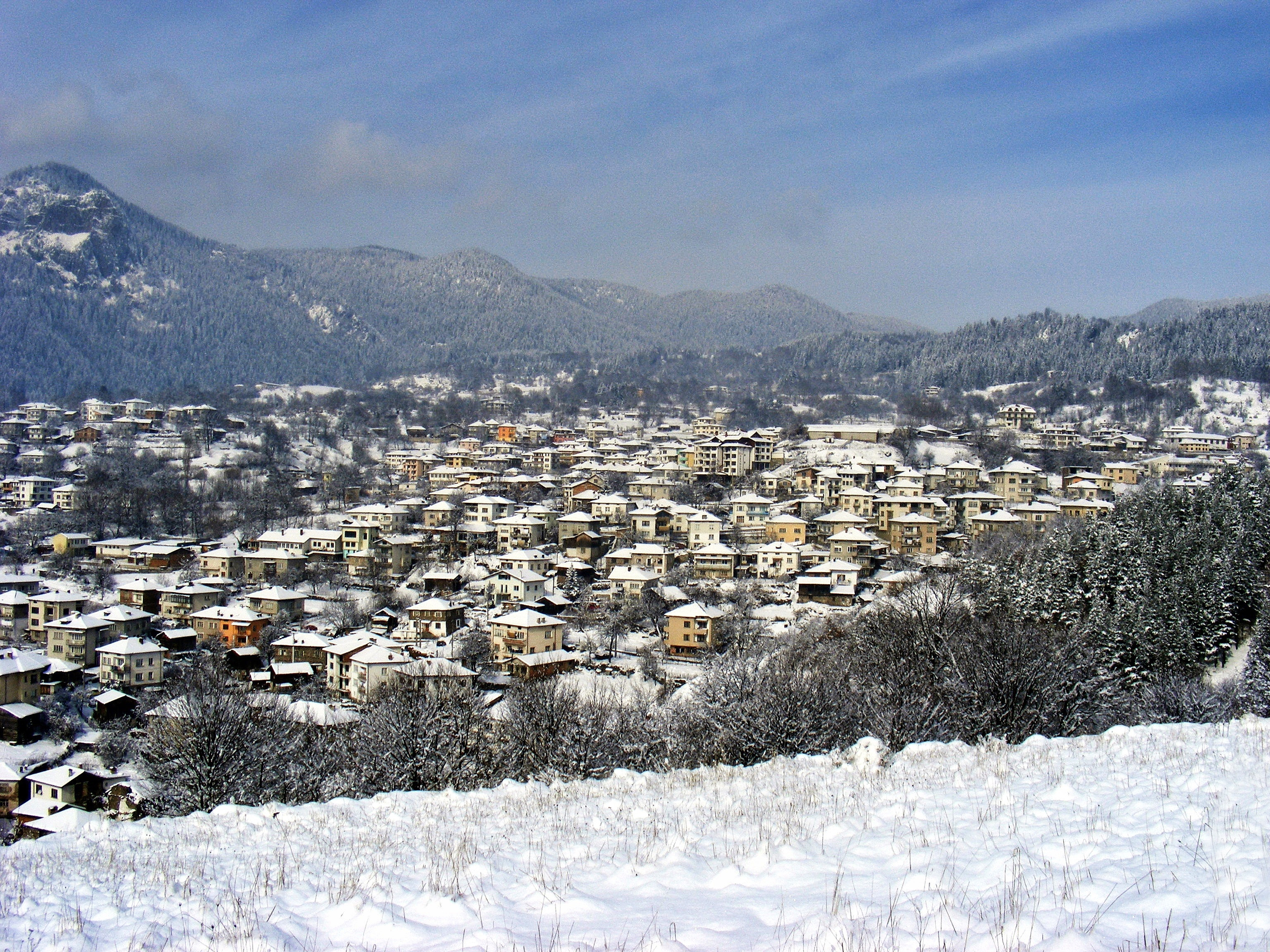 66
66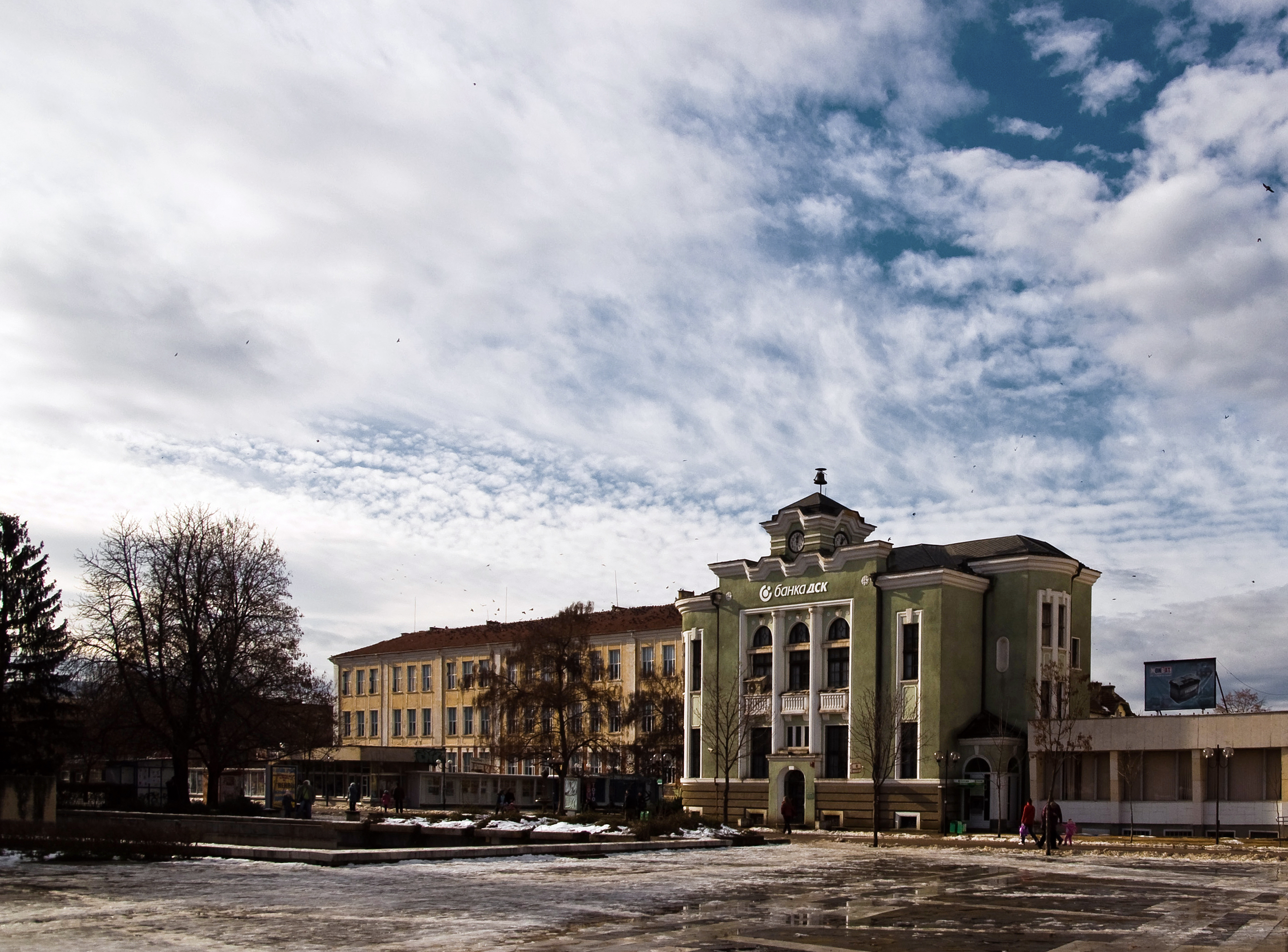 65
65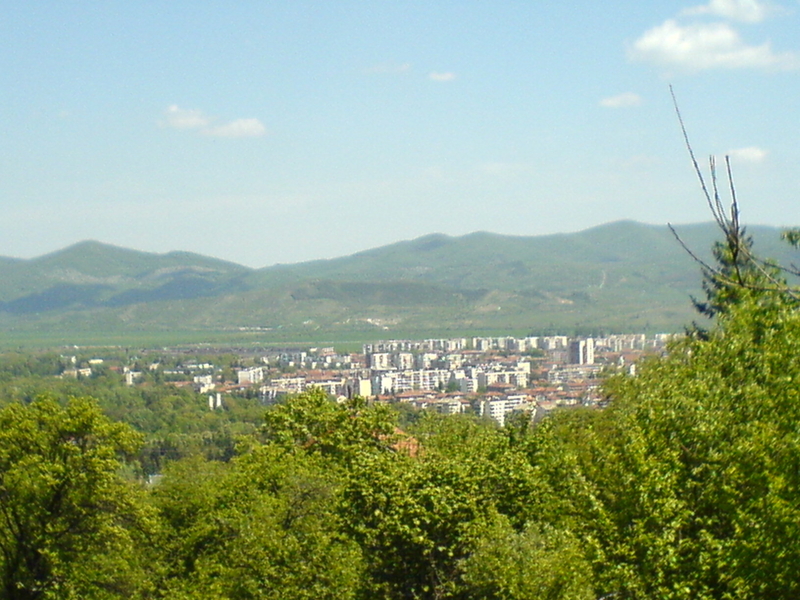 69
69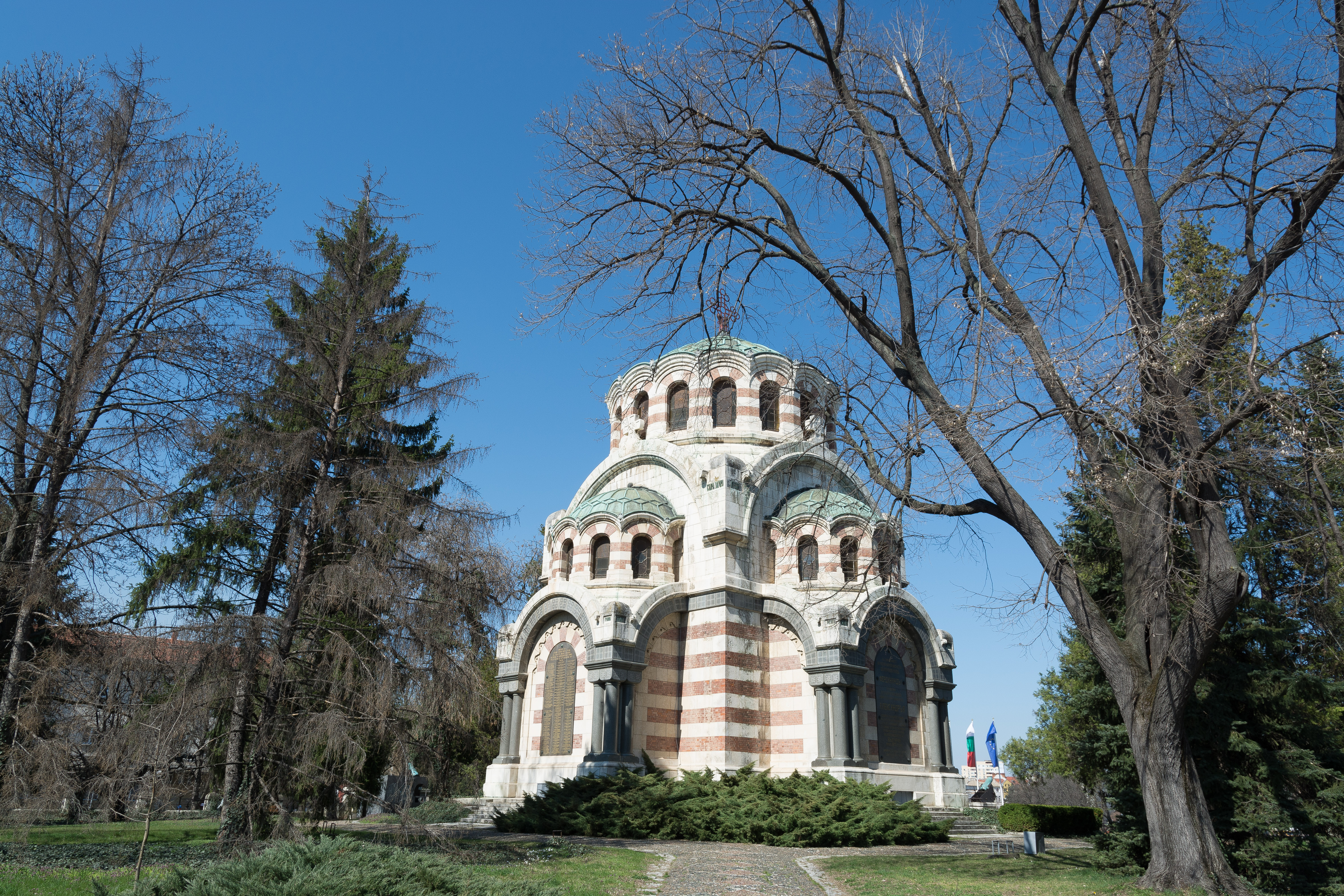 66
66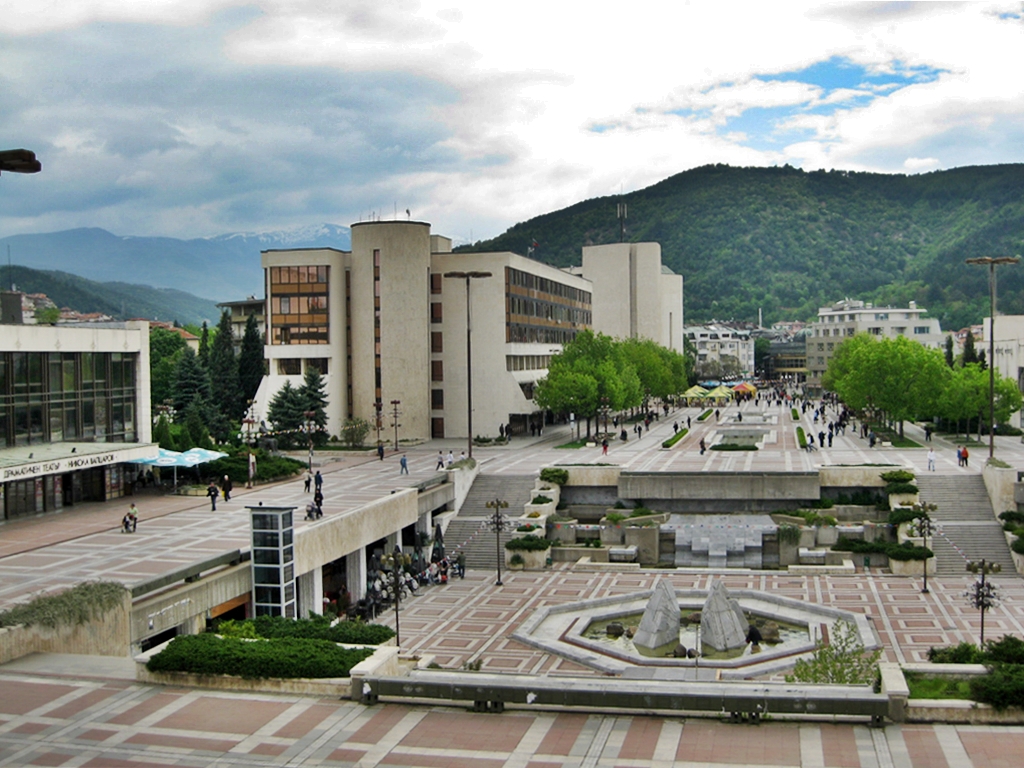 72
72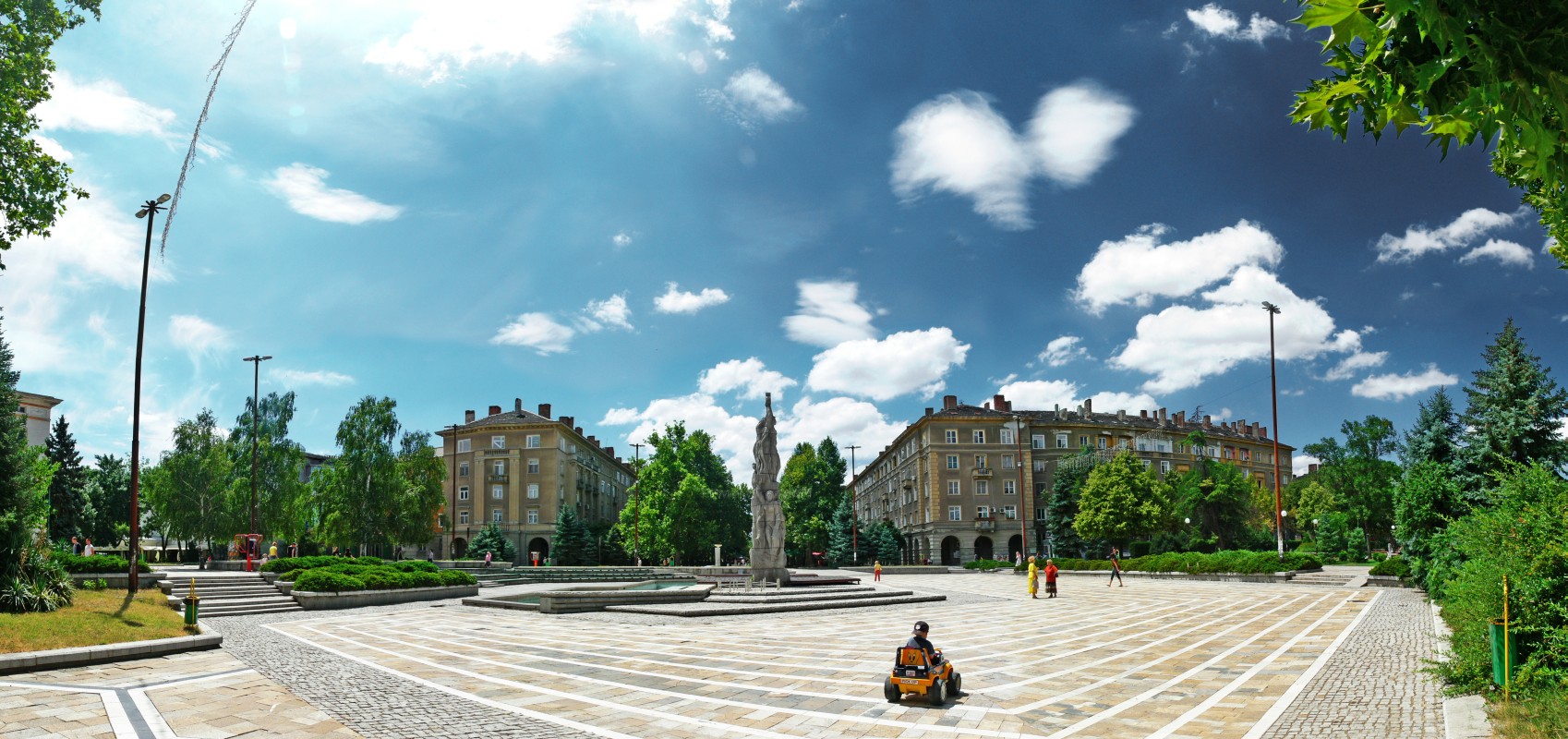 68
68The housing requirement and where people misread it
There's no physical presence requirement tied to this permit, which surprises people who assume a residency-by-investment program means moving in immediately. You don't have to live in Bulgaria to keep the permit valid. But accommodation proof still shows up in the document list, particularly once dependents are involved, and conflating "I don't need to live here" with "I don't need an address here" is where applications get held up.
The accommodation proof is doing a narrower job than people assume: it's establishing that dependents joining you have somewhere real to be registered, not proving you've committed to a life in Bulgaria. A lease or property document that satisfies this doesn't need to be a home you occupy full-time. What it does need is to be documented properly and consistent with whatever address you list elsewhere in the application, because officers cross-reference this against the proof-of-address requirement that shows up separately in the financial documentation.
Where this actually causes problems is the local bank account. Opening one in Bulgaria typically wants an address to attach to, and if your accommodation paperwork and your bank paperwork list different addresses, or if the accommodation document is dated after you've already tried to open the account, you've created a small bureaucratic knot that takes a round of correspondence to untangle. Sort the accommodation proof and the bank account in the same visit if you can, rather than trying to handle one from abroad and the other in person weeks apart.
What happens after the visa is approved
Approval at the embassy is the easy part administratively, even if it's the hard part financially. The D visa gets you the right to travel to Bulgaria, not a finished residency status. Nothing about this process can be completed remotely past that point: you have to physically travel to Bulgaria, present yourself at the immigration office, and go through biometrics before the permanent residency status is actually finalized. Plenty of people treat visa issuance as the finish line and then get caught off guard when they're told to expect a follow-up appointment weeks or months later once they're already in the country.
Budget for two trips in spirit even if you only make one: the mental model should be "arrive, then wait for the system to catch up with you," not "arrive with a fully live permit in hand." Processing on the front end moves fast by golden visa standards, typically landing within two to four weeks, but that speed is about the visa decision, not about how quickly the in-country biometrics appointment gets scheduled once you've landed. Build slack into your first weeks in Bulgaria rather than booking flights out immediately after your embassy appointment, and don't sign a lease or make major financial commitments assuming your card, tax ID, or bank account will all be functional on day one. They typically aren't until the biometrics step is behind you.
The long-term path, and why the five-year clock is misleading
On paper, this looks unusually generous: permanent residency isn't something you wait years to earn here, it's tied to completing the investment and residency process itself. That's a real structural difference from golden visa programs elsewhere in the EU, where PR is a separate milestone you sit out a multi-year clock to reach. Citizenship is the piece that still takes time, five years, and that's worth sitting with before treating this as a fast-track passport play.
The nuance is that a five-year runway to citizenship with no minimum physical presence requirement is a strange combination. It means Bulgaria isn't forcing you to build a life there to keep the clock running, which is good news if your income and family are anchored elsewhere. But it also means the five years is doing real administrative work in the background, renewals, document currency, tax clearances, that people assume will handle itself because they're not required to show up in person. Permits here run in five-year blocks and are renewable, so the practical task is less about presence and more about making sure your paperwork trail stays continuous across that stretch, because a gap in documentation at renewal time is a bigger risk than a gap in physical presence.
Anyone treating this purely as a passport-in-five-years plan should be honest that the citizenship outcome depends on maintaining status cleanly for the full period, not just qualifying once and coasting.
Bulgaria against the obvious Mediterranean alternative
The comparison everyone runs is against a better-known Southern European golden visa, usually Portugal or Greece, and the honest answer is that Bulgaria wins on speed and loses on brand recognition. A processing window measured in a few weeks rather than months is a real advantage if you want to be resident-eligible this year rather than next, and the absence of a physical presence requirement removes a scheduling headache that trips up remote workers trying to hit day-count minimums elsewhere.
What Bulgaria doesn't offer is the same lifestyle pull. If the reason you want an EU golden visa is coastal living, an established expat community, and a well-worn path other Americans have already walked, Bulgaria is a colder sell than Portugal, even with a faster clock and comparable investment scale. This is a decision about what you're actually optimizing for: if it's the fastest, cleanest route to an EU permanent residency status with minimal presence obligations, Bulgaria's structure fits that better than most of its regional competitors. If it's quality of life during the years you're holding the permit, that calculus tilts elsewhere, and no processing-time advantage changes that.
Work Permissions
Application Steps
- 1
📋 Research and select a qualified Bulgarian Investment Fund
2-4 weeks
- 2
📄 Gather financial and background documentation
1-2 weeks
- 3
📬 Submit pre-approval application to Bulgarian Investment Agency
2-4 weeks
- 4
📬 Receive pre-approval and transfer investment funds
1-2 weeks
- 5
📬 Apply for D visa at Bulgarian Embassy
Up to 2 months
- 6
🏛️ Receive D visa and travel to Bulgaria
Same day to 1 week
- 7
🏛️ Apply for permanent residency and provide biometrics
2-4 weeks
- 8
🏛️ Receive permanent residency card
1-2 weeks after approval
- 9
📬 Initiate family reunification process (if applicable)
Varies by family member
- 10
📬 Apply for Bulgarian citizenship after five years
Varies; typically 2-6 months
Compare this visa
Curated comparisons that include this route.
Frequently Asked Questions
Click any question to expand the answer.
Ready to Apply?
Work with trusted visa specialists who handle the paperwork so you can focus on your move.
Get help with this visa →* We may earn a commission if you apply through our link
At a Glance
Last verified: October 9, 2026