Min Monthly Income
$5,709
Application Fee
$114
Processing Time
4-52 wks
Difficulty
Moderate
Duration
12 months
Path to Citizenship
No
Overview
A Bulgarian digital nomad applicant needs at least $5,709 per month in foreign income (as of 2026), and the restricted work rule is blunt: local work is not permitted, and local income must be 0% of total income. There is no minimum savings requirement, so this route lives or dies on proving the monthly threshold rather than building a cash buffer. The eligible employment mix is broad, including W2 employee, contractor, owner, or self-employed, but the income must fit Bulgaria’s remote-work rules and cannot come from Bulgarian clients or employers.
The residency trade-off is cleaner than many EU options because there is no physical presence minimum, maximum consecutive absence, or day-count obligation for keeping status. What is clear is the permit duration: 12 months, non-renewable, with processing in 4 weeks to 8 weeks. That makes it a one-year legal base rather than a fast track to a long chain of status, because this visa does not lead to permanent residence.
The friction is document-driven rather than investment-driven. Health insurance is required, but a local bank account is not; an apostille is required for certain documents; FBI background check and medical exam are not required, but an interview is required. That cuts out several common bureaucratic pain points, yet it still leaves the core proof package: income evidence, accommodation evidence, and whatever residence paperwork the Bulgarian side asks for during the Type D and residence-permit stages.
A $4,000/month remote employee living off a US salary, or a freelancer with steady foreign contracts above $5,709/month, fits the numbers on day one. A person trying to monetize Bulgarian clients, open a local business that invoices locally, or rely on income below that monthly floor is a poor fit, because the visa’s own structure excludes local work and sets a hard foreign-income threshold.
For someone comparing 12-month European stays, this is a paperwork-and-compliance play, not a settlement route. The permit is not renewable, so you cannot stay beyond the initial year, but this visa does not lead to permanent residence or citizenship, and there is no absence rule that would help a long-range relocation plan.
Eligibility Requirements
EU citizens do not need this visa at all because free movement already covers Bulgaria, so the relevant applicants are non-EU, non-EEA, and non-Swiss nationals who need a long-stay route to live in the country while working remotely. This is the boundary that matters for Americans, Canadians, Australians, New Zealanders, and UK passport holders.
Norway, Iceland, and Liechtenstein sit in the EEA, but they are not EU members; Switzerland is outside the EU and EEA but has its own bilateral access framework; the post-Brexit UK is outside the EU. For this visa’s non-EU restriction, those passports are in the group that needs the visa rather than free movement rights. Dual nationals with an EU passport should use that passport instead of this route.
That is the faster and cheaper path, and it bypasses the visa entirely. If you hold Canadian and German citizenship, or US and Italian citizenship, the EU passport wins on both cost and friction because Bulgaria does not need to process you through the digital nomad residence channel at all.
Min Income
$5,709
Application Fee
$114
Duration
12 months
W2 Employee (foreign employer) · 1099 Contractor · Business Owner · Self-Employed
Max 0% from local sources
Requirements Checklist
0 of 16 documents in hand
0%These take the longest, so start them first.
Request these while the slow items are in progress.
You only need these on the day you submit.
Extra requirements for this visa
- Apostille required on official documents
- In-person interview required
How and where to apply
Apply first for Type D long-term visa at Bulgarian embassy/consulate in your home country or legal residence. After entering Bulgaria on Type D visa, submit residence permit application at local Migration Office within 14 days. Cannot apply from inside Bulgaria on tourist visa.
Tax Information
Local Tax Picture
Bulgaria’s tax regime for this visa sits inside a resident tax system, not a territorial or remittance-based one. Bulgaria's tax code describes a flat 10% tax rate and says tax residency starts after more than 183 days in a calendar year. In practice, that means foreign-source remote salary, foreign contractor income, pension distributions, ETF dividends from a foreign brokerage, and rental income from property abroad can all become part of the Bulgarian tax picture once you are a tax resident. Bulgaria does not offer a special nomad tax regime.
Foreign capital gains are not sheltered by a territorial carve-out here. Bulgaria's tax regime type is resident, so a FIRE investor selling index funds or ETFs from a foreign brokerage should assume Bulgarian resident taxation applies unless a narrower exemption is confirmed by a local tax adviser. Health insurance is mandatory for the visa, but a local bank account is not, which removes one administrative step without changing the tax outcome.
A US-Bulgaria income tax treaty (1992) exists, though a Social Security Totalization Agreement does not exist between the US and Bulgaria as of 2026.
For US Citizens and Green Card Holders
- FEIE (Form 2555) covers earned income only: remote salary, consulting, and self-employment income. The 2026 limit is $132,900. It does not cover dividends, capital gains, pension distributions, or Social Security.
- The Physical Presence Test is the cleaner fit for this visa structure and the visa itself runs on a 12-month permit and Bulgarian tax residency begins after 183 days. A US nomad spending 330 days outside the United States in a 12-month period can still use FEIE for earned income, subject to the test’s calendar structure.
- FTC (Form 1116) only helps when Bulgarian tax on a given income stream exceeds the US tax on that same stream. With a 10% flat local rate, the FTC may reduce double taxation on taxed income, but it does not create a shelter where Bulgaria already taxes the item and the US also taxes it.
- FBAR (FinCEN 114) applies when foreign financial account balances exceed $10,000 at any point in the year. That matters if you open non-US accounts while living in Bulgaria, even though a local bank account is not required for the visa.
A US CPA who handles FEIE, FTC, and FBAR, plus a Bulgarian tax adviser for residency registration and local filing, is the practical two-person setup here. The $1,500–$3,000 spent in year one on professional guidance usually costs less than fixing a missed FBAR or misclassifying foreign investment income later.
Living in Bulgaria
COL Index vs NYC
41.6
Monthly Cost (excl. rent)
$691
1BR Rent (City Center)
$472
Safety Index
63.9
Healthcare Index
58.1
Quality of Life Index
143.8
Time Zone
UTC+02:00
Capital
Sofia
Population
6.9M
Official Languages
Bulgarian
Avg Internet Speed
192 Mbps
Public Transit Quality
Good
With a budget covering rent and living costs, you'd need roughly $1,163/mo for a comfortable single-person lifestyle in Bulgaria.See how far your money goes →
🏙️ Best Cities in Bulgaria for Digital Nomads
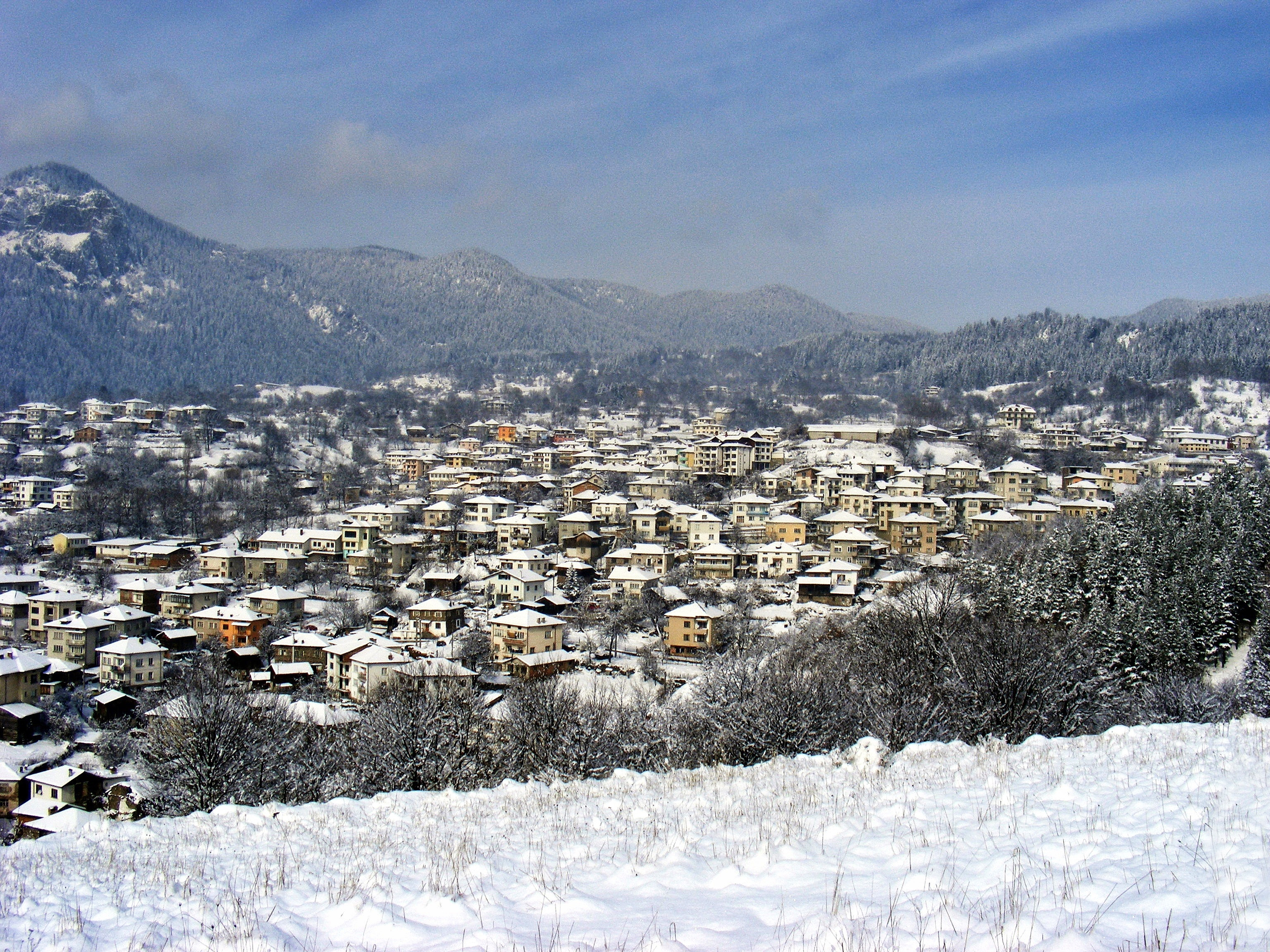 68
68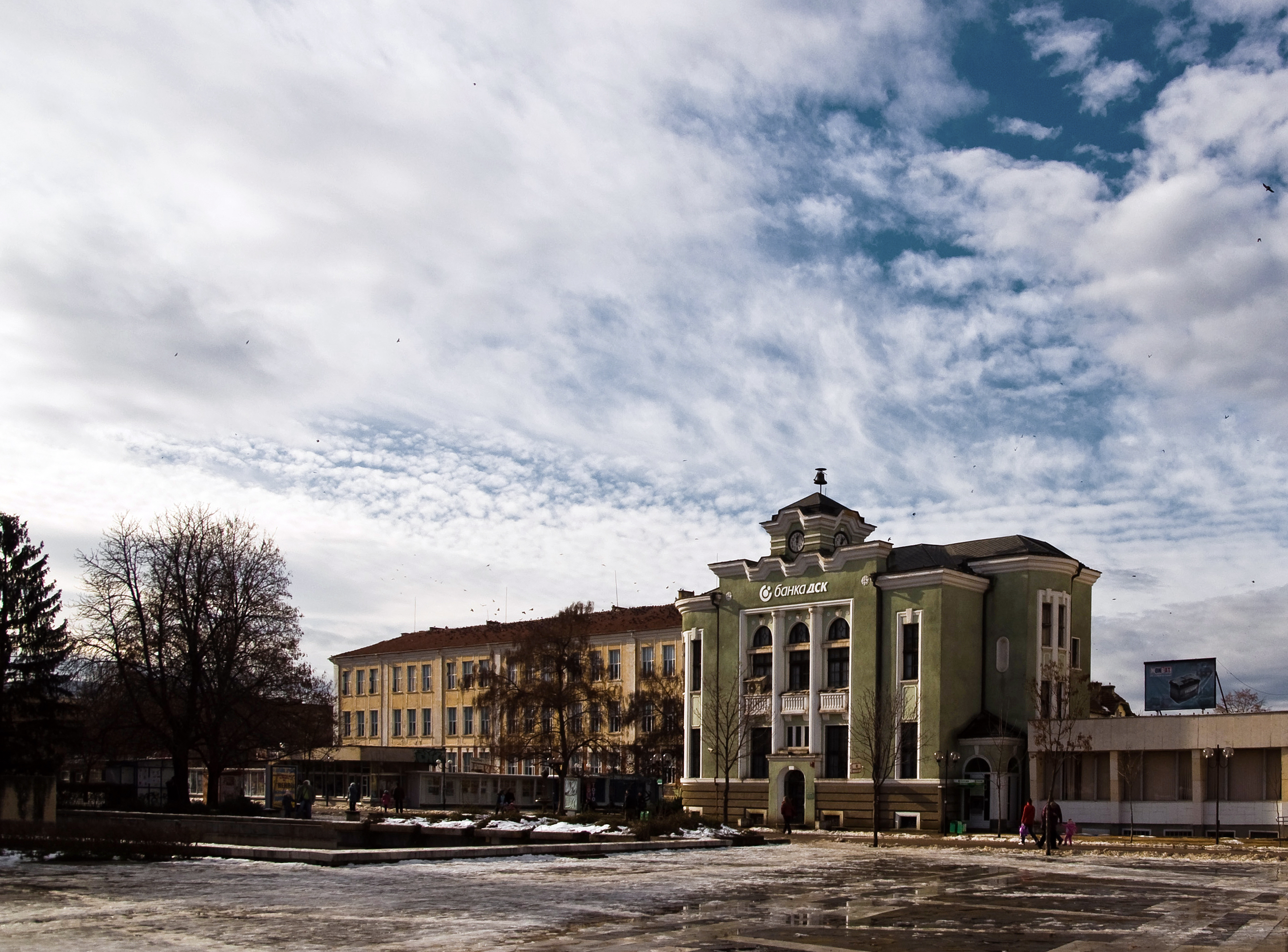 68
68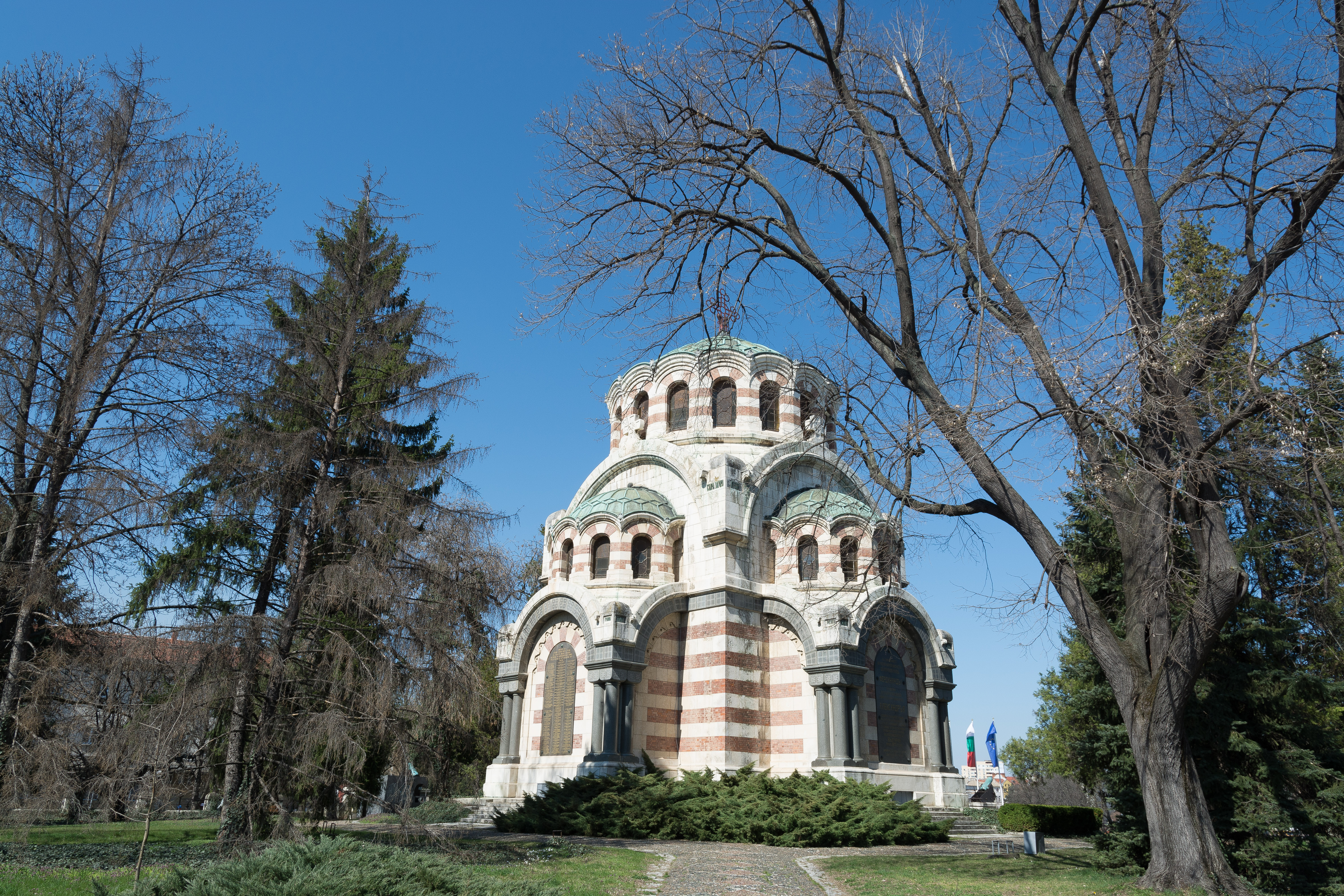 70
70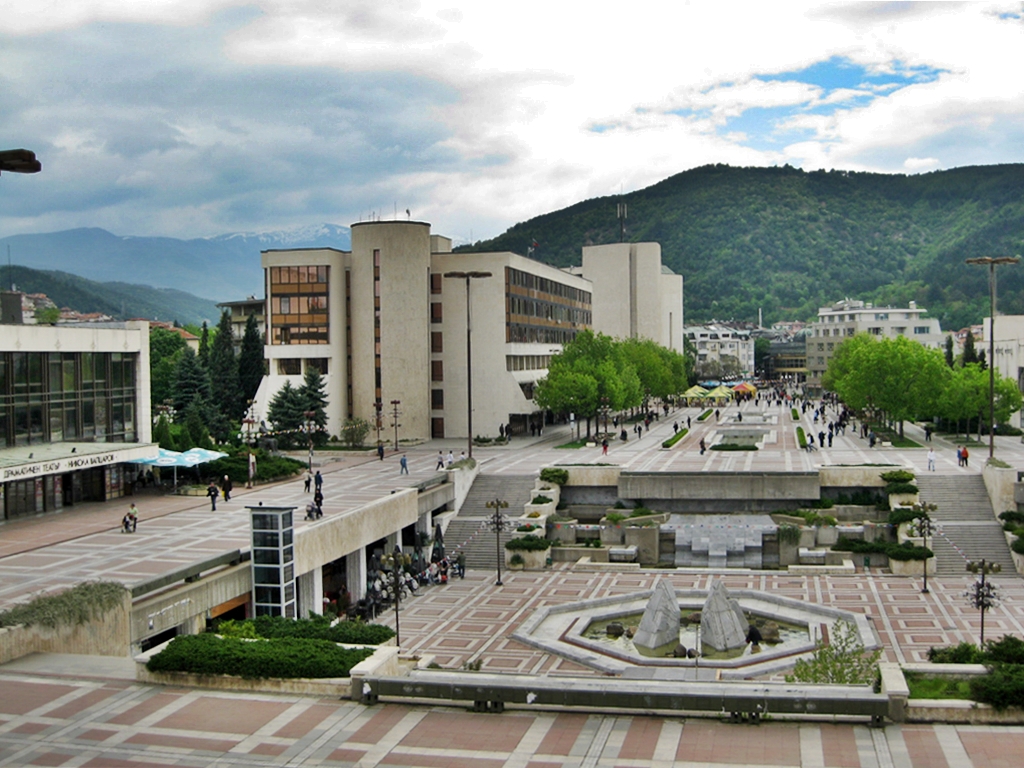 73
73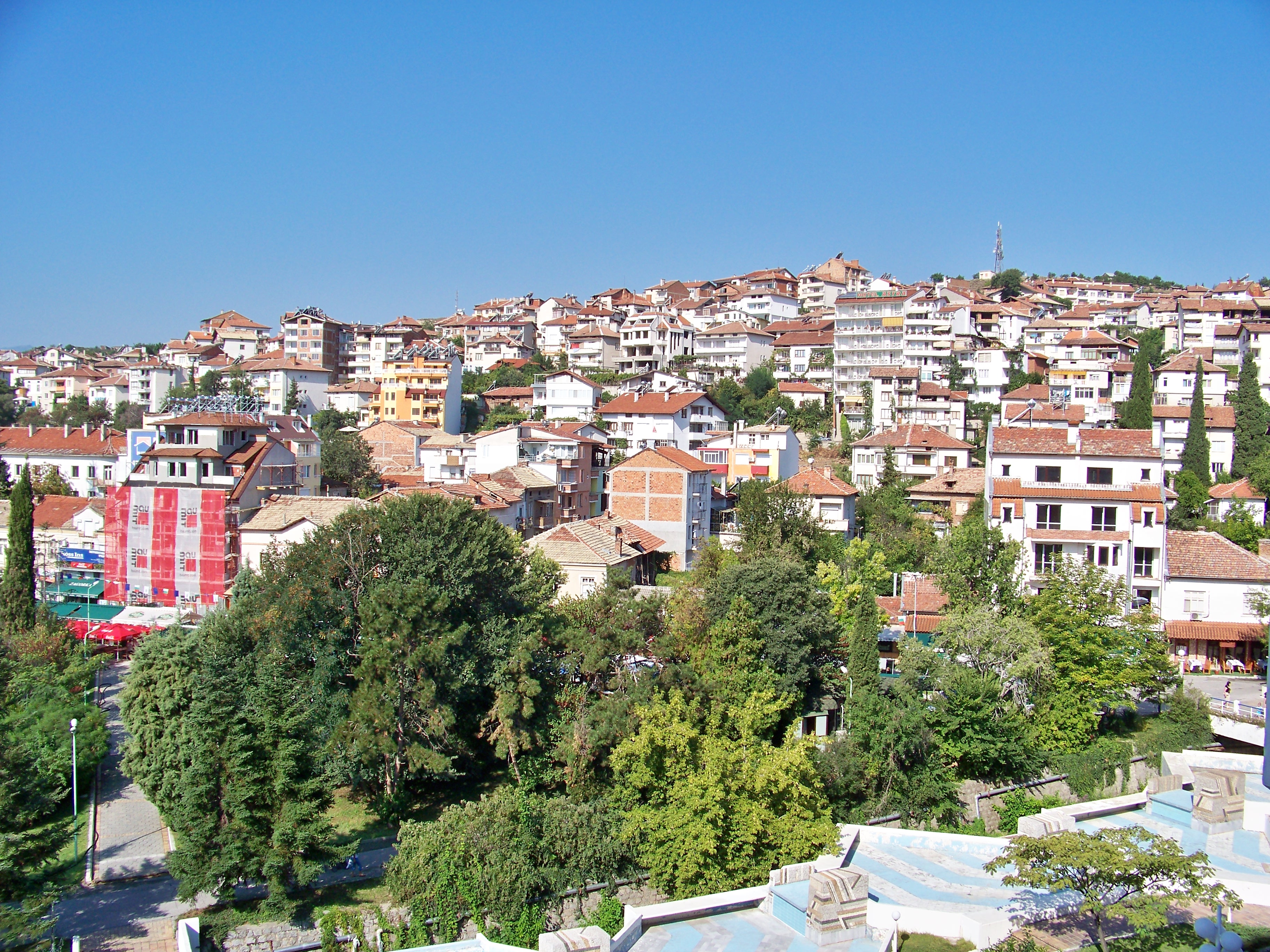 70
70 70
70The bank statement is not about the number
The embassy is not auditing your tax return. They are auditing your story. Your bank statements and income documents need to tell a single, verifiable story without gaps or improvisation. The income minimum sits at roughly $5,709 USD a month as of 2026. If you earn well above that from one remote employer and your pay stubs match your bank deposits to the day, your application is straightforward. If you earn from four different platforms, two US clients, and a sporadic consulting gig, the burden shifts to you to make it legible.
The most common rejection trigger is a mismatch between what the employment contract says and what the bank shows. The embassy reviewer cannot call your client. They can only look at the paper. An employment contract stating a fixed monthly salary, paired with bank deposits that vary by hundreds of dollars each month, creates a question you will not be in the room to answer. Fix that before you submit. Ask your employer to amend the contract language to reflect actual payment variability, or write a cover letter that explains it clearly and attach every supporting document that exists. Do not assume the reviewer will connect dots on their own.
For freelancers, client contracts matter more than payment processor summaries. A contract with a start date, a rate, and a scope of work, followed by bank deposits that align, is the cleanest possible signal. Three of those and you are set. A PayPal statement showing a dozen microtransactions is not a contract. It is noise. If you plan to use that as evidence, pair it with a dated contract for each client, even a short one you write and both sign.
Translation requirements add another layer. Any document not in Bulgarian needs a certified translation. US bank statements or contracts in English will not be accepted as-is. Find a certified translator, get everything translated, and double-check that the translations are consistent across documents. A name rendered two different ways in two translations looks like two different people.
Why the accommodation catch trips people up
The document list asks for a rental agreement, an Airbnb booking, or property ownership. That sounds flexible, but the flexibility is only at the document-acceptance stage. The real requirement is address registration in Bulgaria for the residence permit, which you need to finalize within 14 days of entering the country. An Airbnb booking that a host cancels two days before you land erases your application momentum. You are suddenly in Sofia or Plovdiv without a registered address and the Migration Office clock is running.
Book a place that will give you a rental agreement the owner is willing to register with the municipality. That excludes many short-term rental hosts who do not want the administrative burden. Ask before you book. The phrase to use with a potential landlord is "I need a registered address for my residence permit application." If they hesitate or do not understand the question, find another place.
A hotel booking works on paper but is rarely practical for a full year. If you use one as a bridging solution, understand that you will need to update your registered address once you find permanent housing. That means another trip to the Migration Office and another round of documents. The 14-day window gets tighter the more steps you add. Book the right accommodation before you land, not after.
Some applicants arrange a long-term rental from abroad, sight unseen, through a broker. It is a risk. It is also the most reliable way to walk into the Migration Office on day two with a signed lease and a landlord who has already filed the registration. Pick your risk.
After the visa, before the permit
The Type D visa gets you into Bulgaria. It does not give you the right to stay beyond the 14-day window for your residence permit appointment. This is the phase where administrative inertia hurts people. You arrive, you are tired, you need a local SIM card and groceries, and suddenly ten days have passed and you have not yet gathered the documents for the Migration Office visit.
Book the Migration Office appointment before you leave the United States, if the system allows it. Most offices require an in-person visit, but some accept online scheduling. Even if you cannot book a specific slot, know the office hours, the required forms, and the exact location. The application will need your passport, the Type D visa, your accommodation proof, health insurance covering Bulgaria, and your financial documents again. Do not assume the consulate and the Migration Office share files. They do not.
Health insurance is worth a closer look. The requirement is an international policy that covers Bulgaria for the full stay. Travel insurance with a 30-day coverage window will fail. A US-based plan with limited international coverage will also fail. Buy a policy designed for long-term expatriates that explicitly lists Bulgaria as a covered country and shows a 12-month term. Carry a printed copy of the policy schedule, not just the insurance card.
If you are bringing a dependent, their documents need the same translation and apostille treatment. A spouse's marriage certificate and a child's birth certificate both need apostilles from the issuing US state and certified Bulgarian translations. One incomplete document for a dependent can stall the whole family's application.
What the long-term path looks like
This visa does not lead to permanent residency. The 12-month permit ends, and so does your right to remain under this specific category. You can leave and reapply, but the visa is not renewable in-country, which means another consular process from outside Bulgaria. A few people use the year to find an employer willing to sponsor a work permit or to establish a business that qualifies for a different residence category. Both paths require planning from the start.
If you intend to build toward something longer, your strategy has to include local legal advice before month six. The Migration Office staff are not career counselors. They will not tell you that a sole proprietorship registered in month ten will not convert into a work permit in month thirteen. You need a Bulgarian immigration lawyer who handles commercial residence cases. The consultation cost will save you the far larger cost of restarting from scratch.
Citizenship is not on the table through this visa. The years-to-citizenship figure is zero because there is no direct path. That does not mean citizenship is permanently unavailable. It means this visa is not the vehicle. Anyone telling you otherwise is selling something.
The most obvious alternative for a US remote worker is Portugal's D7 or digital nomad route, which offers a clearer path to residency and eventual citizenship, but comes with a higher tax footprint and a slower processing timeline. The Bulgarian visa costs less to apply for, processes faster, and demands less up-front paperwork. The trade-off is the endpoint. If you want a European passport in five years, the math points away from Bulgaria. If you want a base in Eastern Europe for a defined stretch and are not thinking about naturalization, the trade-off makes sense.
Work Permissions
Application Steps
- 1
📋 Research eligibility categories
1-2 days
- 2
📄 Gather core documents
2-4 weeks
- 3
📅 Book Type D visa appointment
1-2 weeks
- 4
📬 Submit Type D visa application
4-8 weeks
- 5
⏳ Wait for Type D visa approval
4-8 weeks
- 6
🏛️ Enter Bulgaria and apply residence
2-4 weeks
- 7
🏛️ Apply for residence ID card
3-30 days
This visa requires proof of health insurance. Compare international plans before you apply.
Compare health insuranceWe may earn a commission at no cost to you.
Compare this visa
Curated comparisons that include this route.
Frequently Asked Questions
Click any question to expand the answer.
Ready to Apply?
Work with trusted visa specialists who handle the paperwork so you can focus on your move.
Get help with this visa →* We may earn a commission if you apply through our link
At a Glance
Last verified: October 9, 2026