Bosnia and Herzegovina Digital Nomad Visa
Data updated Sep 3, 2026
Min Monthly Income
$1,100
Duration
12 months
Overview
Bosnia and Herzegovina is now treating digital nomads through a de‑facto route labeled here as the Bosnia and Herzegovina Digital Nomad Visa, with a 12‑month duration and the ability to renew. There is a minimum monthly income requirement of $1,100 as of 2026, and an investment requirement of $1,100 as of 2026 . Local work is not permitted, so your income must come from abroad: remote employment, freelancing, or passive income streams like ETF dividends, rental properties, or business profits outside Bosnia and Herzegovina.
Because presence and absence requirements vary by case, this permit sits in a gray area for people who want to split time between multiple bases. In practice, a 12‑month residence permission that can be renewed implies you should be prepared to spend a substantial portion of the year in Bosnia and Herzegovina, but specific day thresholds depend on individual circumstances. If you want to keep Schengen stays, US visits, and Balkans time all in play, you will need to structure your calendar around whatever presence expectations the Foreigners' Affairs Department communicates on approval.
Long‑term planning is also limited by open questions. Whether this status leads to permanent residence or citizenship depends on future government rules You can renew beyond the initial 12 months, but you should treat Bosnia and Herzegovina as a medium‑term base rather than a defined path to a second citizenship until the government provides explicit rules on PR and naturalization for residents under this category.
On the friction side, the bureaucracy score is a low 1/5, and several pain points are explicitly absent: no apostille, no FBI background check, no medical exam, and no interview are required under the listed criteria. Health insurance is required, and in practice you should expect to show policy documents covering at least the 12‑month stay. Processing time, local bank account requirements, and exact employment or income source categories vary by case, so expect to clarify details directly with the Foreigners' Affairs Department of the Ministry of Security when you apply.
This path makes most sense if you earn well above your living costs from abroad (for example, $3,500–$6,000 per month in remote income or passive returns), want a 12‑month renewable base, and do not need local employment. It is a poor fit if your plan depends on a guaranteed track to permanent residency or a second passport within a known number of years, or if you insist on working for Bosnian employers.
Unofficially, many digital nomads achieve de facto residency by registering a local company and then applying for a 12‑month temporary residence permit on that basis, with company set‑up costs in the $1,100 range and recurring address and accounting fees around $65 per month each, but these business‑specific costs are separate from the visa application and renewal fees .
Eligibility Requirements
Any nationality can apply in principle for the Bosnia and Herzegovina Digital Nomad Visa, as the nationality restrictions field is set to “all.” In practice, applicants from sanctioned or diplomatically sensitive states such as Iran, North Korea, Syria, Cuba, and Russia can encounter problems with embassy cooperation, background vetting, or opening local bank and business accounts even if the law does not explicitly bar them. Before preparing a full application package, confirm your eligibility and procedure directly with the Foreigners' Affairs Department of the Ministry of Security of Bosnia and Herzegovina or the Bosnian embassy/consulate responsible for your country of residence.
Min Income
$1,100
Min Investment
$1,100
Duration
12 months
Requirements Checklist
0 of 1 documents in hand
0%Request these while the slow items are in progress.
How and where to apply
You apply through the Foreigners' Affairs Department of the Ministry of Security (Service for Foreign Affairs). Applications can typically be submitted at a Bosnian embassy or consulate in your home country, though some procedures may allow in-country application. The specific application method (online portal, in-person, or mail) is not specified in available data—contact your nearest Bosnian embassy or the Ministry directly to confirm current procedures and whether you can apply after arriving on a tourist visa.
Tax Information
Local tax picture for digital nomads in Bosnia and Herzegovina
Bosnia and Herzegovina applies a flat 10% personal income tax rate in both entities, and there is no special “digital nomad” tax regime named. The country operates a relatively simple flat‑tax system in practice, but for this visa category foreign‑source income (remote salary, consulting, or foreign rental income) generally becomes taxable at the flat 10% rate once you become a tax resident. As a result, you must assume that remote salary and self‑employment income connected to work you physically perform while in Bosnia and Herzegovina could be treated as Bosnian‑source, even if clients or employers are abroad.
For capital gains on foreign investments (for example, selling ETFs or index funds in a US or Canadian brokerage), capital gains are generally taxed as ordinary income at the flat 10% rate, though FBiH may exempt gains on securities under certain conditions. FIRE‑oriented applicants should confirm with a Bosnian tax professional whether long‑term portfolio gains realized while resident are taxed, and at what rate, before shifting a large volume of trades into years when they expect to be in Bosnia and Herzegovina.
Tax residency in Bosnia and Herzegovina is generally established after 183 days in the tax year.. In many European systems, presence over 183 days or maintaining a habitual abode is enough to trigger tax residency; without further local confirmation, you should plan as if extended presence during a 12‑month residence permit will make you a tax resident unless a local advisor tells you otherwise.
Local filing, registration, and tax ID requirements should be confirmed locally. Once in country, a conservative approach is to ask the Foreigners' Affairs Department or a local accountant whether you must obtain a tax number, register with the tax authority, and file an annual return declaring worldwide income. Because there is no US‑BiH tax treaty, US citizens cannot rely on a published treaty to avoid double taxation or to clarify treatment of Social Security, dividends, or pensions and must plan on unilateral US relief tools instead.
For US Citizens and Green Card Holders
US persons on the Bosnia and Herzegovina Digital Nomad Visa keep full US tax obligations regardless of how Bosnia and Herzegovina treats their foreign income. Form 2555 (Foreign Earned Income Exclusion, FEIE) can exclude up to $132,900 of earned income in 2026 (remote salary, self‑employment, consulting), but it does not cover ETF or stock dividends, capital gains, rental income, pension distributions, or Social Security. Because the visa is 12 months and renewable, many nomads will qualify using the Physical Presence Test (330 full days outside the US in any 12‑month period, including days in Bosnia and Herzegovina); the Bona Fide Residence Test is harder to rely on until Bosnia’s long‑term residence and PR paths for this category are clearly defined.
Form 1116 (Foreign Tax Credit, FTC) matters only if Bosnia and Herzegovina actually taxes your income and the effective Bosnian rate on a given stream (for example, remote salary or business profits) approaches or exceeds the US rate. If, after proper local advice, you find that Bosnia does not tax your foreign investment income or remote earnings, then there is no Bosnian tax to credit and Form 1116 will provide little or no benefit on those streams. In that case, FEIE and, if applicable, the foreign housing exclusion/deduction become the primary US tools for earned income, while passive income remains fully taxable in the US.
If you open a Bosnian bank account or hold funds in a Bosnian company, the US reporting stack kicks in. FBAR (FinCEN 114) is required if the aggregate value of all non‑US financial accounts you control exceeds $10,000 at any point in the year; penalties for non‑willful failure start around $16,700 per violation as of 2026. FATCA Form 8938 may also apply at higher thresholds, depending on filing status and residency, and interests in any Bosnian corporation can trigger Form 5471 or 8858 obligations.
To navigate this cleanly, you need two professionals: a US CPA who specializes in expat taxation (FEIE, FTC, FBAR, FATCA, and possible corporate forms) and a Bosnian tax advisor who can confirm residency status, local registration, and whether your foreign income is taxable. The $1,500–$3,000 spent in year one on coordinated advice is usually offset by avoiding FBAR/FATCA penalties and optimizing FEIE versus FTC elections over the 12‑month permit and any renewals.
Living in Bosnia and Herzegovina
COL Index vs NYC
38.7
Monthly Cost (excl. rent)
$1,499
1BR Rent (City Center)
$591
Safety Index
58.3
Healthcare Index
55.6
Quality of Life Index
134.8
Time Zone
UTC+01:00
Capital
Sarajevo
Population
3.3M
Official Languages
Bosnian, Croatian, Serbian
Avg Internet Speed
38 Mbps
Public Transit Quality
Fair
With a budget covering rent and living costs, you'd need roughly $2,090/mo for a comfortable single-person lifestyle in Bosnia and Herzegovina.See how far your money goes →
🏙️ Best Cities in Bosnia and Herzegovina for Digital Nomads
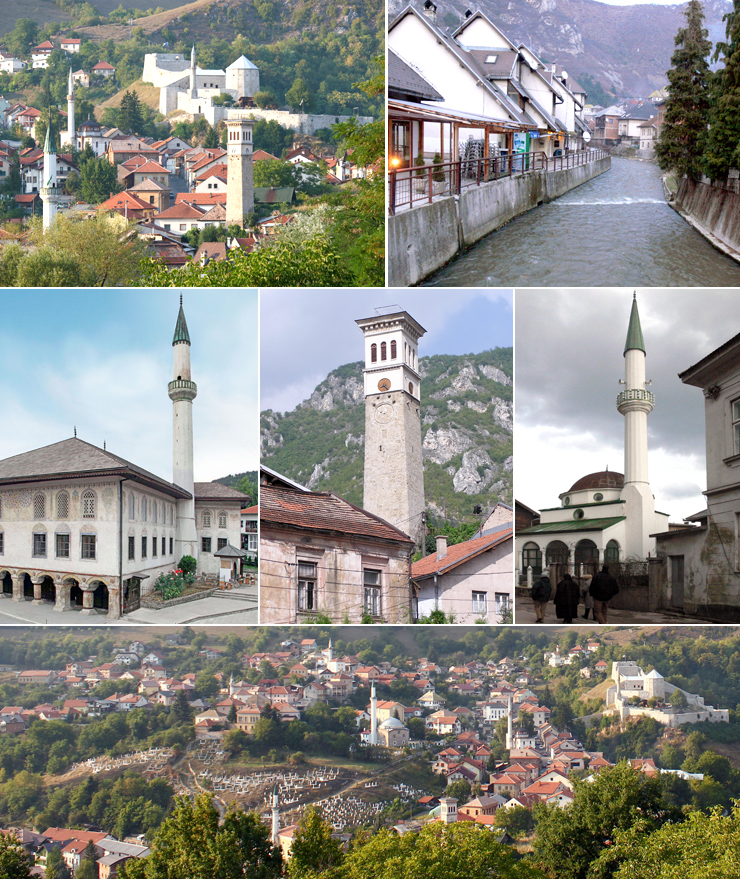 65
65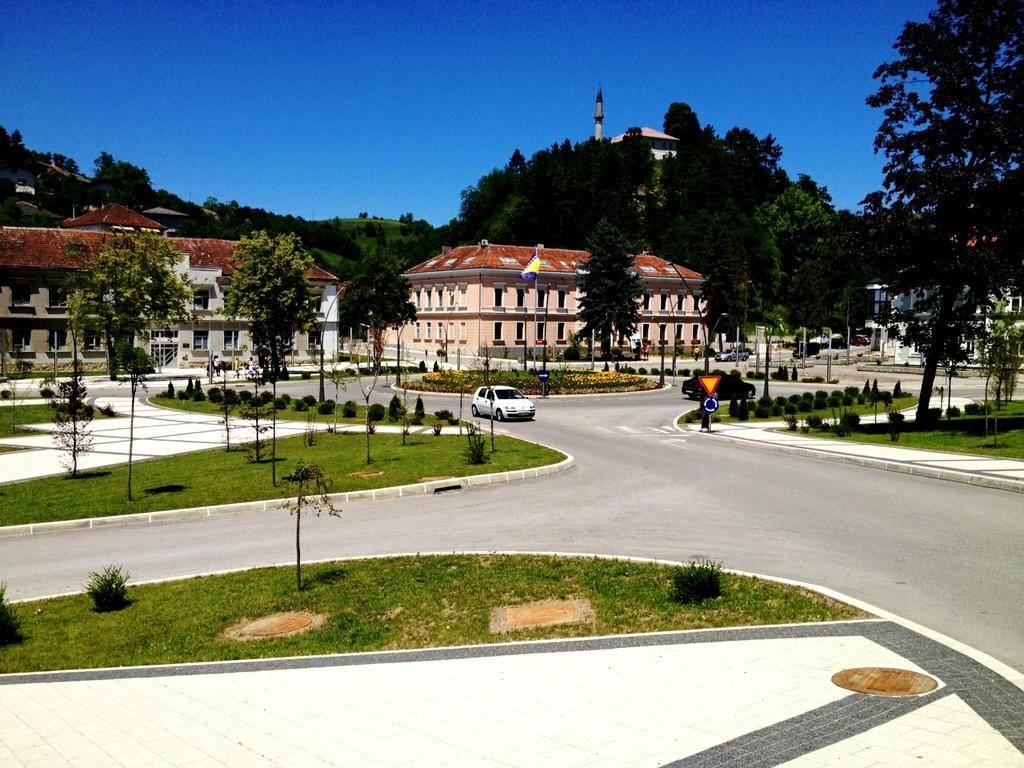 60
60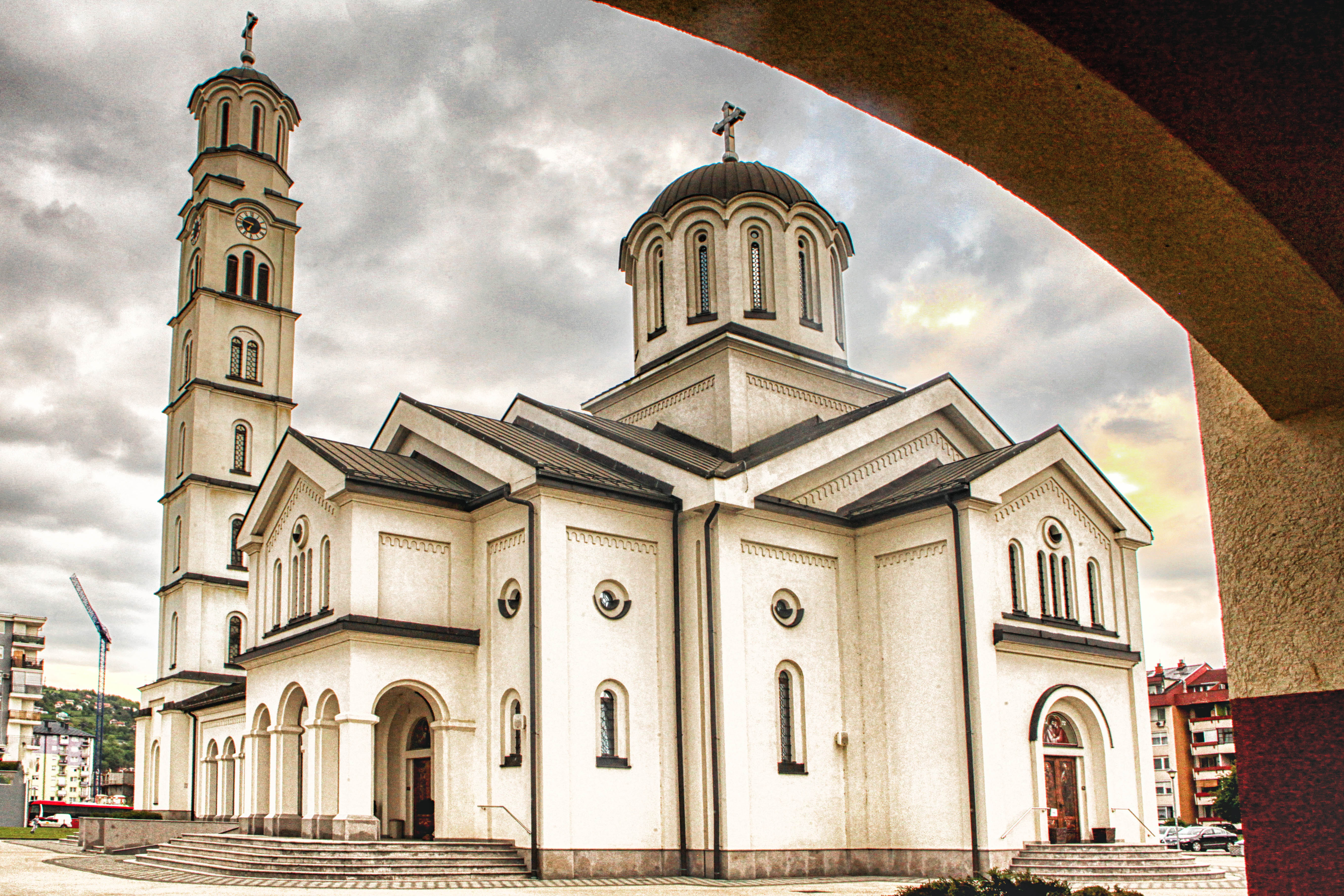 63
63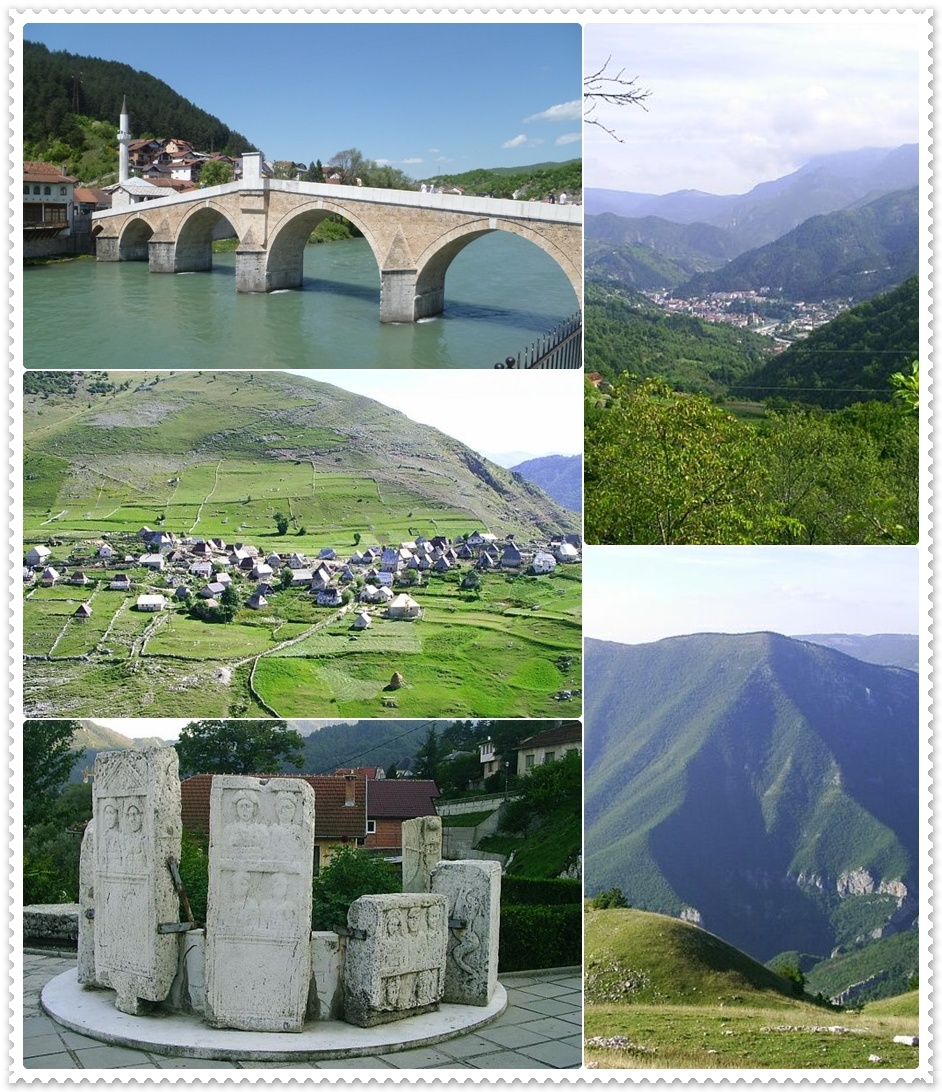 60
60Getting the Income Story Straight Before You Apply
The government wants to see $1,100 per month. In 2026, that is roughly $1,100 USD since the threshold is set in dollars. For someone earning several times that, the number is not the problem. The problem is how you prove it.
Remote employees have the easiest path. A contract, recent pay stubs, and bank statements showing regular deposits tell a clean story. The Foreigners’ Affairs Department sees a single employer, a predictable rhythm, and a salary that dwarfs the requirement. That application moves fast.
Freelancers need to think about narrative. If you have three US clients paying irregularly, your bank statements might look like a scatter plot. That is not a rejection waiting to happen, but it is a story you need to assemble before the consular officer assembles it for you. Invoices matched to deposits, a summary page that shows monthly totals, and a brief written explanation of your client relationships turns chaos into a coherent income picture. The officer is not auditing your business model. They are checking whether the money is real, recurring, and yours.
Passive income applicants, retirees, people living off dividends or rental properties, have a different task. The government wants to see that the income continues without your active labor. Brokerage statements, lease agreements, dividend histories. What trips people up is showing assets instead of income. A $500,000 brokerage account is not $1,100 a month. You need to demonstrate the flow, not the reservoir. A letter from your financial institution stating the monthly distribution amount, paired with a year of statements showing those distributions actually landing in your checking account, is far stronger than a single account snapshot.
The common thread is documentation that answers the question before it gets asked. The officer has a checklist. You want your packet to make the checklist feel redundant.
The Housing Requirement and How People Get It Wrong
The visa requires you to have a place to stay. That sounds obvious. It is also the part of the application where people submit the weakest evidence and then act surprised when the consulate pushes back.
A hotel booking for two weeks does not prove you have accommodation for a year. The Foreigners’ Affairs Department is issuing a 12-month permit. They want to see housing that matches the permit’s duration, or at least a credible plan. A signed lease agreement for an apartment in Sarajevo or Banja Luka, even if it starts after your arrival, is the strongest document you can provide. If you have not signed a lease yet, a notarized letter from a host or landlord confirming your stay, with their contact information and a copy of their ID, often works. The key is that the document looks official and verifiable.
What gets rejected is vagueness. An Airbnb confirmation for a month with a note that says “will find something later” tells the officer you have not thought this through. They are not trying to trap you. They are trying to confirm you will not become a housing problem the moment you land.
If you plan to arrive and then apartment hunt, you need to square that with the application timeline. Some embassies will accept a detailed housing plan with a temporary booking and proof of funds to secure a lease. Others will not. This is another reason to contact the embassy before you apply. Ask directly what they accept as proof of accommodation. The answer will shape your timeline more than any other single requirement.
After You Land: The Gap Between Approval and Holding the Permit
Visa approval is not the same as holding a valid residence card in your hand. There is a gap, and the gap is where people get nervous.
Once your application is approved, you enter Bosnia and Herzegovina. Depending on how you applied, you may receive a visa sticker in your passport that allows entry, or you may be approved in-country if that route was available to you. After arrival, you register your residence with the local authorities. This step is mandatory and time-sensitive. The Foreigners’ Affairs Department expects you to report your address within a set window after arriving. Missing that window is one of the fastest ways to turn a valid visa into a legal headache.
You will also need to get your temporary residence permit card. The initial permit is valid for 12 months. The card is your physical proof of legal status. You carry it. You show it when asked. The process for obtaining it involves a trip to the local Service for Foreign Affairs office, biometrics, and a processing period. During that period, your passport visa or entry stamp is your proof, but once the card is ready, that becomes the primary document.
The practical advice is to handle the residence registration immediately upon arrival. Do not settle in first. Do not explore the city. Go to the office, get the stamp, start the clock on the card. The bureaucracy is not hostile, but it is procedural. Respect the sequence and it respects you back.
The Long-Term Path and What It Actually Demands
The digital nomad visa is renewable. That means you can extend your stay beyond the first 12 months. The renewal process follows the same channel through the Foreigners’ Affairs Department. You will need to show continued income, valid health insurance, and ongoing accommodation. The government wants to see that nothing has changed, except that you have been a compliant resident.
Renewal is not permanent residency. The visa does not automatically convert. Bosnia and Herzegovina has a separate permanent residency track, and time spent on a temporary residence permit may count toward it, but the requirements are different. You will eventually need to meet a longer continuous residence period, demonstrate integration, and likely pass a language requirement. The digital nomad visa buys you time in the country. It does not buy you a shortcut to a passport.
For someone planning a multi-year stay, the smart move is to treat the first year as a test. Renew once. See if the country fits. During that second year, start researching the permanent residency requirements in detail, because the rules can shift. What is true in 2026 may not be true in 2028. The visa gives you a stable platform. The long game is yours to build, but the materials are not included in the initial permit.
The Judgment Call Against the Most Obvious Alternative
The most obvious alternative to Bosnia’s digital nomad visa is Croatia’s. Croatia is next door. It is in the EU. Its nomad visa is better known. The income requirement is higher, the cost of living is higher, and the application process is more formalized. For someone who wants EU residency and a clear path to Schengen mobility, Croatia wins on paper.
Bosnia wins on friction. The income threshold is lower. The application has fewer required documents. There is no interview. The cost of living in Sarajevo is a fraction of Split or Zagreb. If your goal is to save money while working remotely, Bosnia is the sharper financial choice. If your goal is EU access and a visa that is widely recognized, Croatia is the safer institutional choice.
The decision comes down to what you are optimizing for. Bosnia offers a quiet, affordable year with minimal bureaucracy, provided you can handle the one variable of embassy-specific application procedures. Croatia offers a more predictable pipeline at a higher price. Neither is wrong. The person who picks Bosnia is usually someone who has already decided the Balkans are the destination and wants the simplest door in.
Work Permissions
Application Steps
- 1
📋 Confirm eligibility and gather information
1-2 weeks
- 2
📄 Prepare financial documentation
1 week
- 3
📄 Obtain health insurance coverage
1-2 weeks
- 4
📬 Compile and submit application
Same day
- 5
⏳ Wait for visa decision
Not specified
- 6
📋 Receive visa and travel to Bosnia
1-2 weeks
- 7
🏛️ Register with local authorities upon arrival
1-2 days
- 8
🏛️ Open a local bank account (if required)
1-2 weeks
- 9
📋 Plan for visa renewal 60 days before expiry
2-4 weeks before expiry
This visa requires proof of health insurance. Compare international plans before you apply.
Compare health insuranceWe may earn a commission at no cost to you.
Compare this visa
Curated comparisons that include this route.
Frequently Asked Questions
Click any question to expand the answer.
Ready to Apply?
Work with trusted visa specialists who handle the paperwork so you can focus on your move.
Get help with this visa →* We may earn a commission if you apply through our link
At a Glance
Last verified: July 15, 2026