Application Fee
$250
Processing Time
~17 wks
Difficulty
Moderate
Duration
3 months
Path to Citizenship
5 years
Overview
Getting the professional card story straight before applying
The mistake people make is looking for a “digital nomad visa” that doesn’t exist. Belgium has no such track. A non-EU freelancer or self-employed remote worker needs a professional card, issued by the region where the activity will be based (Flanders, Brussels-Capital, or Wallonia). Only after the region approves it can they apply for the D-visa, the long-stay authorization for stays over 90 days. The two filings are sequential, not layered: the embassy forwards your card application to the region, and the approval notice then goes into your visa file. That order changes what you gather and when.
If you’re an employee of a foreign company, this isn’t your route. The professional card is an authorization for self-employment, and employment-based residence generally runs through a single permit tied to a Belgian employer, sometimes with the employer moving you onto a Belgian contract. Settle that question with your employer before spending time on paperwork.
If you’re a freelancer or run your own business, the region is judging whether your activity is genuine and worth authorizing. Brussels, for example, asks for a business plan of up to 20 pages and wants you to show the project’s usefulness to the region. Business registration documents and client agreements that show a pattern of work make a stronger file than a single retainer signed the week before you applied. Regional authorities can tell the difference between an established practice and one assembled for the application.
The sequencing error is treating the paperwork as one big pile. What takes time is getting the professional card file internally consistent. The dates on your business registration should line up with your client agreements, which should match the activity described on the regional application form, which should match your criminal record check and the rest of your identity paperwork. A mismatched date across those documents is the kind of thing that gets a file sent back for clarification.
Mind the shelf life of your documents, too. Under the embassy’s checklist, the criminal record check and the medical certificate (which must be on the official model) can’t be older than six months, and the certificate belongs to the D-visa stage that only starts after card approval. Order them too early and they may expire while you wait. The embassy recommends submitting at least four months before your intended departure, so plan the timeline backward from there. After you arrive, you still need to register with your municipality within 8 working days and collect the card itself at the enterprise counter.
Eligibility Requirements
EU citizens do not need this visa at all; Belgium’s free-movement framework already covers them, so the program is for non-EU nationals. The people who fall outside that line include US citizens, Canadians, Australians, New Zealanders, Britons after Brexit, and other non-EU passport holders.
The common confusion points are EEA states and Switzerland. Norway, Iceland, and Liechtenstein sit in the EEA, and Switzerland is outside the EU but inside the wider European mobility picture; for this program, the visa rules classify eligibility by non-EU status, so EU citizens are excluded and everyone else needs to check the short-stay rules that apply to their nationality before relying on remote work from Belgium.
Dual nationals with an EU passport should use it. That route bypasses this visa entirely, avoids the short-stay workaround, and is the correct legal path when one passport is EU and the other is not.
Application Fee
$250
Duration
3 months
Requirements Checklist
0 of 18 documents in hand
0%These take the longest, so start them first.
Request these while the slow items are in progress.
You only need these on the day you submit.
How and where to apply
You must apply for the D-visa (long-stay visa) at the Belgian consulate in your home country before traveling to Belgium. Contact your nearest Belgian consulate to schedule an appointment and submit your complete application package in person. After arrival in Belgium on your approved D-visa, you must register with your local municipality (gemeente/commune) within 8 days to obtain your residence permit and registration certificate. The visa cannot be obtained in-country; you must secure it from your home country consulate before traveling.
Tax Information
Worldwide Tax Reach Once You Land in Belgium
Belgium taxes residents on every dollar earned anywhere in the world, not just income that touches a Belgian bank account. Residency attaches through domicile or through where your seat of wealth lands, and once that trigger fires a US remote worker's salary and freelance invoices become fully taxable in Belgium. So do foreign dividends, brokerage gains, and rental income from a house still owned back home, all reportable in the same tax year the residency clock starts.
Progressive rates run from 25% on income up to EUR 15,820 (about $17,100), 40% up to EUR 27,920 (about $30,150), 45% up to EUR 48,320 (about $52,200), and 50% above that, as of 2026. A remote salary or freelance income routed through a Belgian residence sits inside these brackets in full; nothing about the client or employer being American keeps it out.
Foreign dividends face a 30% withholding tax that is generally final for Belgian residents, layered on top of whatever the US already withheld at source. Brokerage gains carry a separate flat 10% capital gains tax on financial assets, in force since January 1, 2026, applied to net annual gains above an EUR 10,000 exemption (about $10,800). Anything held before that date gets a step-up to its December 31, 2025 value, so only appreciation earned from 2026 onward is taxed, and the family home along with most ordinary real estate stays outside the charge. A rental property left running back in the US gets no such pass: once residency attaches, that rent becomes Belgian-taxable income stacked directly on top of whatever the IRS already claims on it.
Belgium runs a New Expat Tax Regime under Circular 2022/C/47, in place since January 1, 2022, but it was built for inbound executives, specialists, and researchers recruited directly from abroad or seconded into a Belgian payroll role, not for someone working a US-based freelance contract from a Belgian apartment. It requires Belgian tax residency itself, proof the applicant hasn't been a Belgian resident or subject to Belgian payroll tax in the prior 60 months, and an application filed within three months of the assignment's start date, a deadline that closes permanently once missed. Qualifying employees get a tax-free cost-of-living allowance of up to EUR 11,250 a year (about $12,150), or EUR 29,750 (about $32,130) for researchers, but this visa doesn't permit local employment in the first place, so the regime has nothing on offer for most people using it. Absent an actual Belgian employer running payroll, expect the standard brackets above with no reduction, and worth a direct conversation with a Belgian tax advisor before assuming otherwise.
What the IRS Still Wants From You
None of this touches what the IRS expects. US citizens and green card holders file a federal return every year regardless of residency, and Belgium's tax reach doesn't reduce that obligation by a dollar. The Foreign Earned Income Exclusion shields up to $132,900 of 2026 earned income, remote salary or freelance revenue, from US tax, but dividends, capital gains, rental income, pensions, and Social Security sit entirely outside it. Given Belgium's 50% top bracket, the Foreign Tax Credit usually does more work here than the exclusion ever could: Belgian tax paid on the same earned income tends to exceed the US liability on it, wiping out the US bill and leaving excess credit to carry forward for later years. A comprehensive US-Belgium treaty, signed in 2006 with a 2009 protocol, lowers dividend withholding for US residents to 15% on portfolio holdings, 5% for corporate shareholders that hold at least 10% of the voting stock in the paying company. Most individual investors never clear that bar, so the 15% rate is what actually shows up on a typical brokerage statement. The savings clause built into the treaty keeps the IRS's claim on its own citizens intact no matter what Belgium withholds, so a reduced rate at the Belgian end doesn't remove the dividend from a US return, it shifts the calculation toward the Foreign Tax Credit instead of eliminating the liability outright.
FBAR runs on its own clock and doesn't check whether Belgium got the tax treatment right first. Once combined balances across foreign accounts cross $10,000 at any point in the year, FinCEN 114 has to be filed, and the non-willful penalty for missing it sits around $16,700 per violation as of 2026, adjusted for inflation most years. Anyone who opens a Belgian account to receive local payments or cover rent should assume this threshold gets crossed quickly, often faster than the account itself feels significant.
Where professional advice pays is the FEIE election. Choosing between the Bona Fide Residence Test and the Physical Presence Test matters more here than in most countries, because a seventeen-week visa process followed by short renewal windows leaves little room to plan travel around a day count. Get that election wrong in year one and there's no clean way to fix it after the fact. A cross-border CPA who has handled a Belgian filing before costs far less than an amended return.
Living in Belgium
COL Index vs NYC
56.5
Monthly Cost (excl. rent)
$1,097
1BR Rent (City Center)
$991
Safety Index
50.6
Healthcare Index
75.9
Quality of Life Index
169.3
Time Zone
UTC+01:00
Capital
Brussels
Population
11.6M
Official Languages
German, French, Dutch
Avg Internet Speed
138 Mbps
Public Transit Quality
Excellent
With a budget covering rent and living costs, you'd need roughly $2,088/mo for a comfortable single-person lifestyle in Belgium.See how far your money goes →
🏙️ Best Cities in Belgium for Digital Nomads
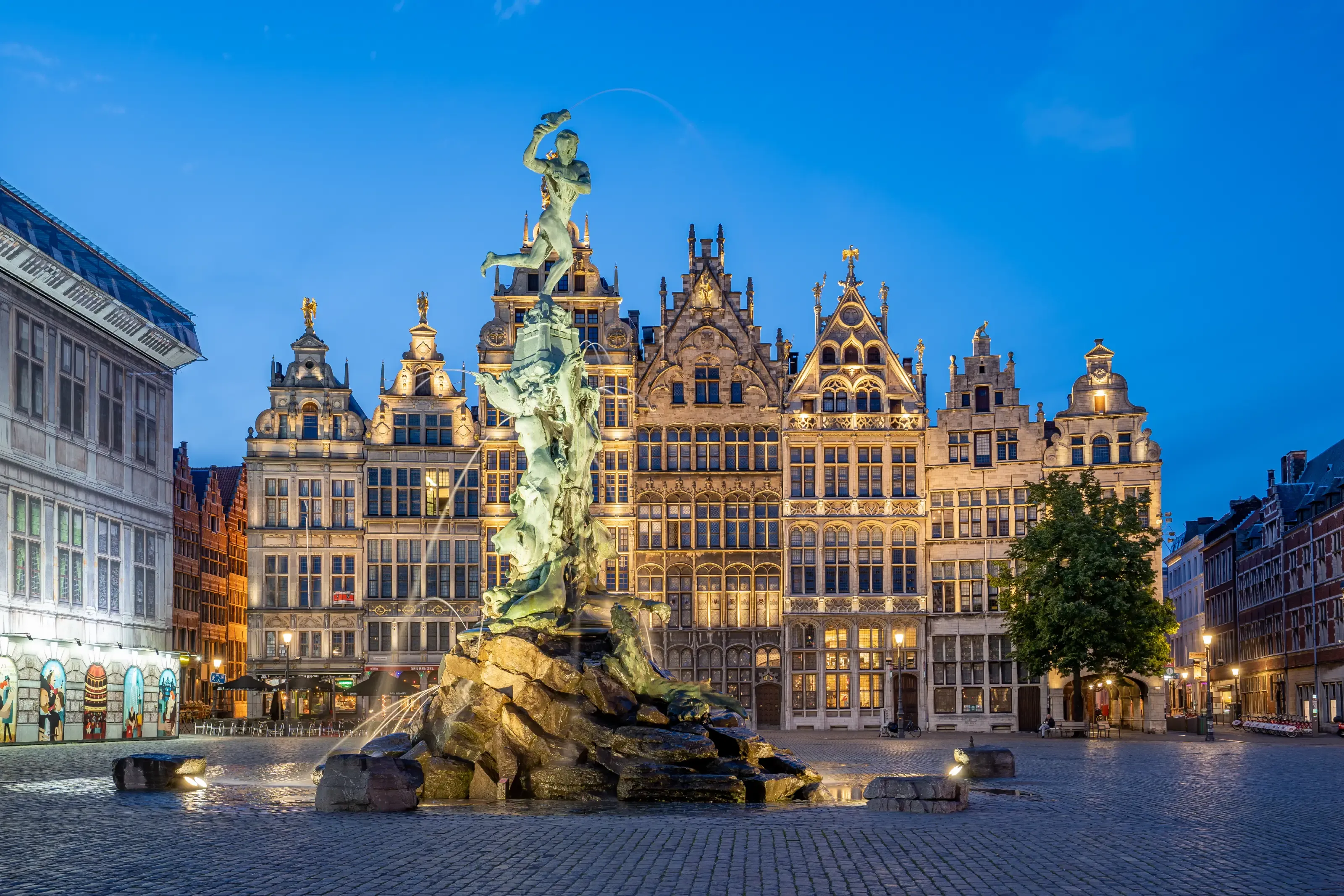 ✦ 83
✦ 83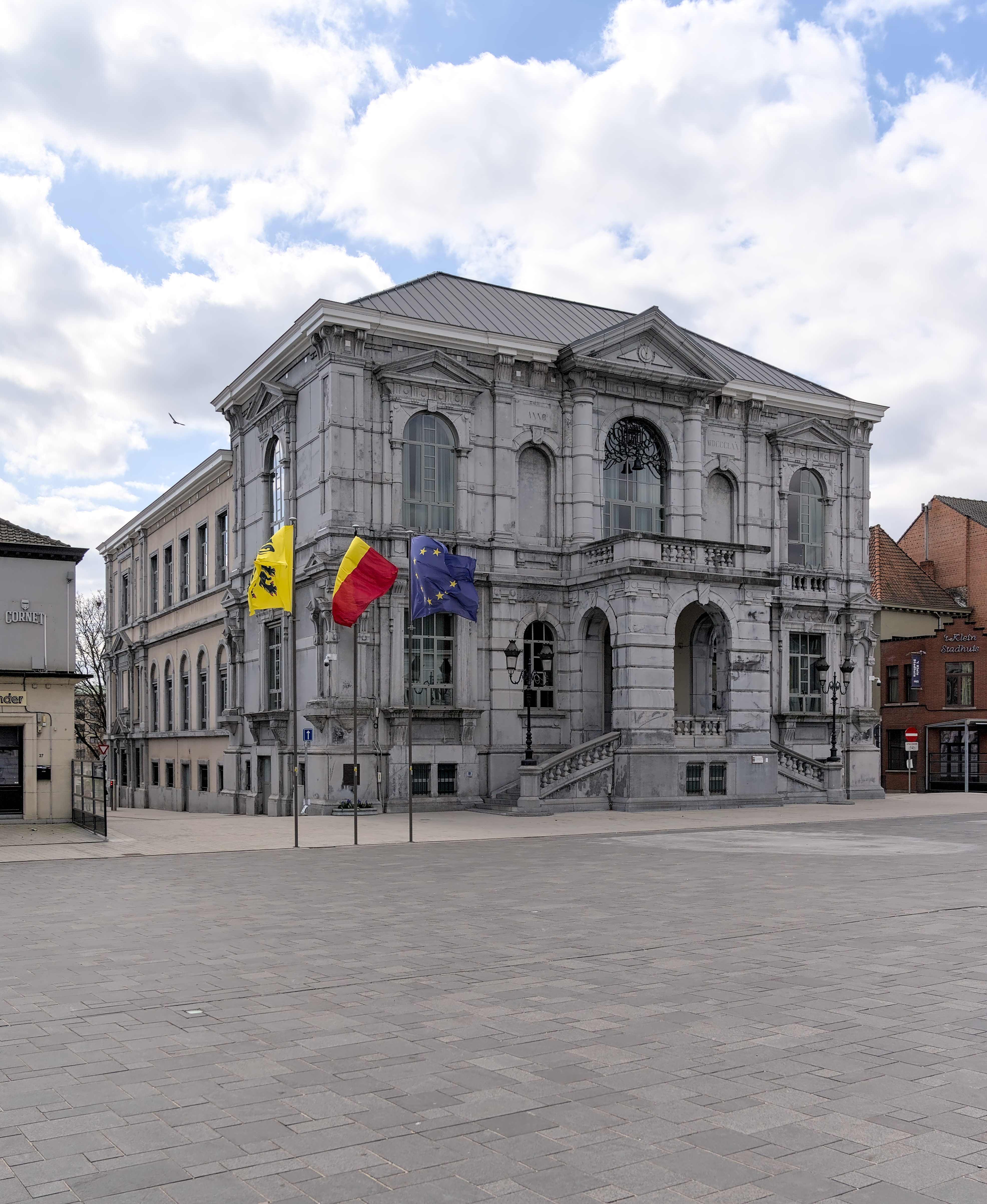 ✦ 79
✦ 79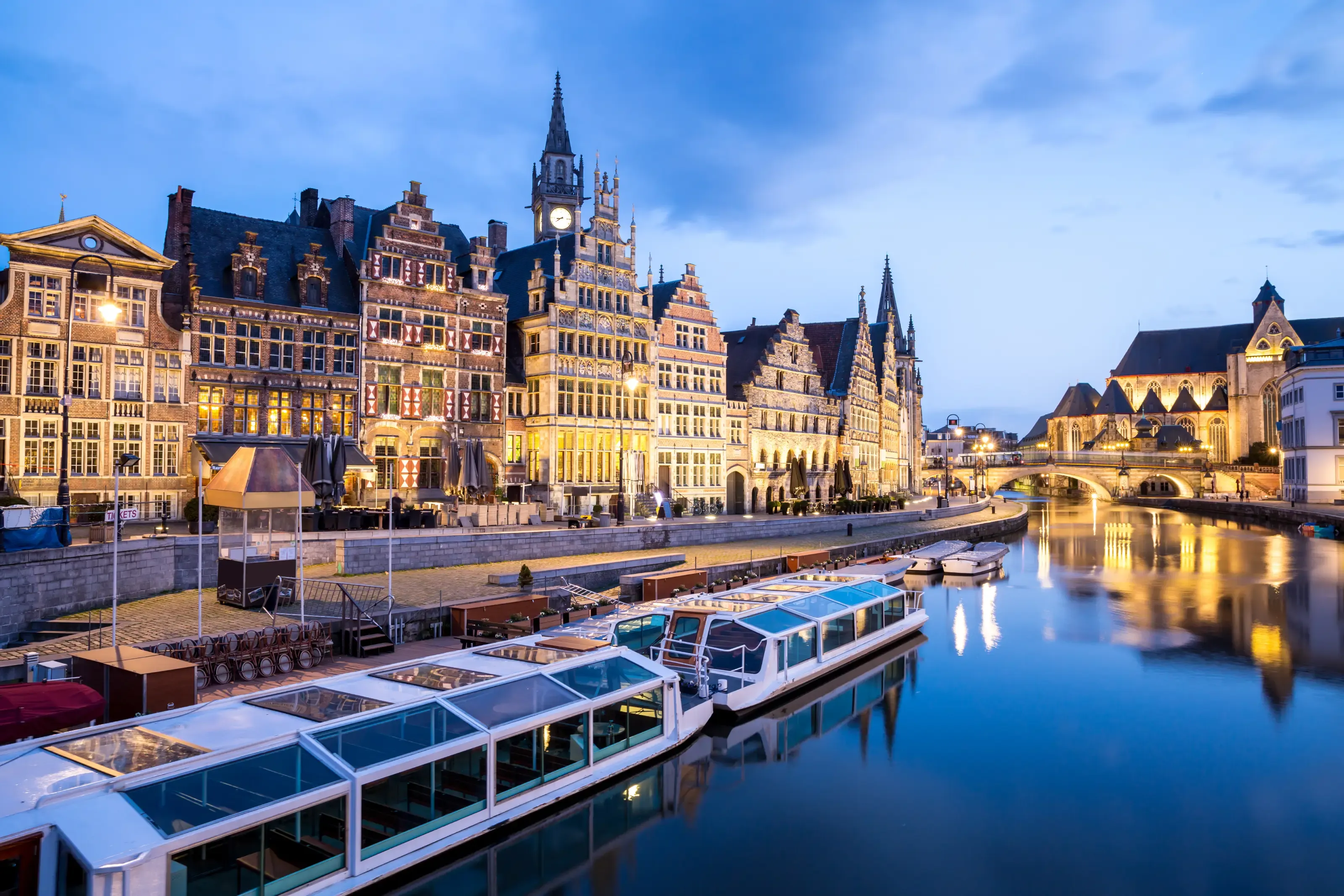 ✦ 82
✦ 82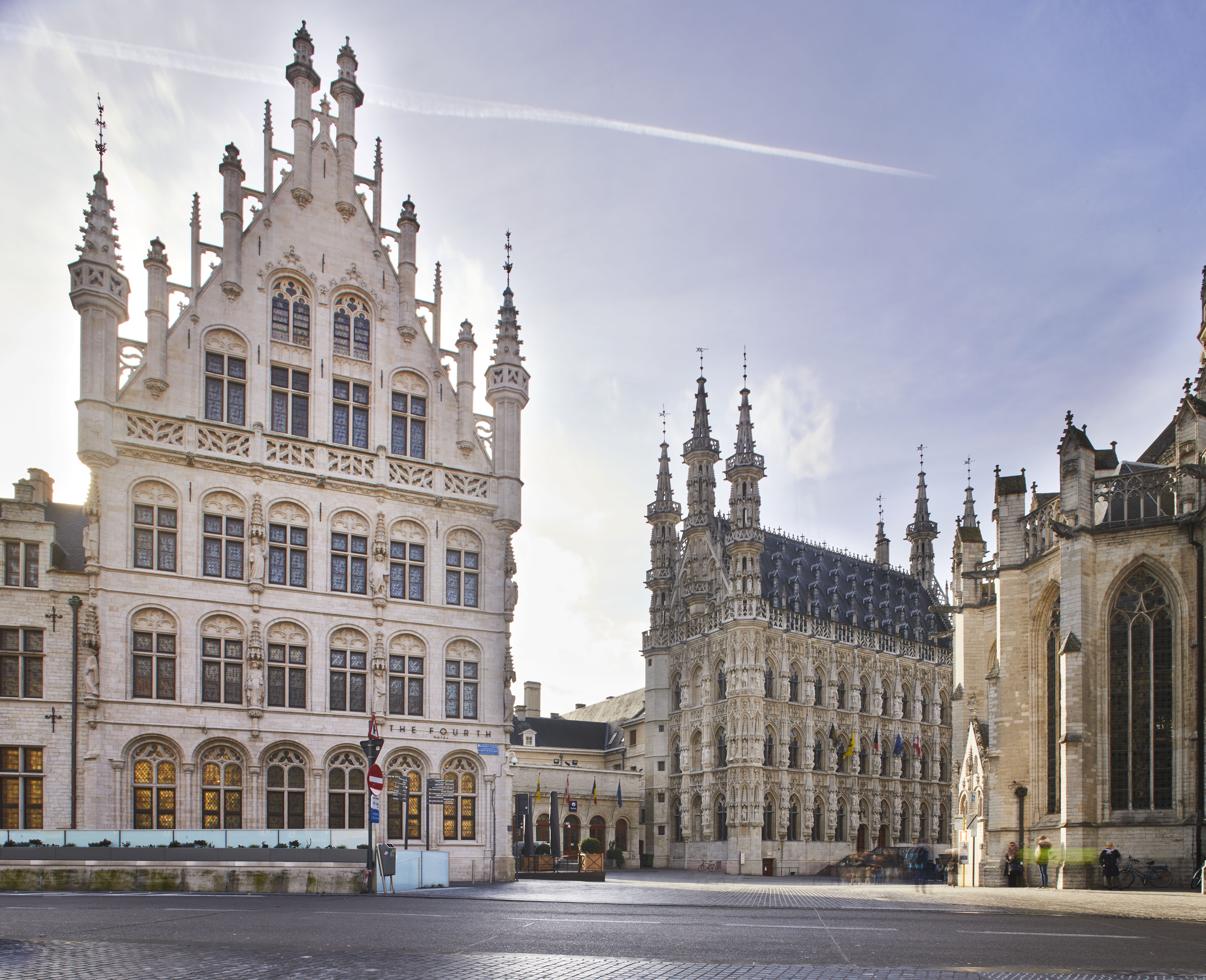 ✦ 87
✦ 87 ✦ 78
✦ 78The housing requirement and how people get it wrong
Proof of accommodation sounds like the simplest line item on the list, and it's the one that quietly derails timing more than any other. A rental agreement or hotel reservation satisfies the visa file. It does not satisfy what happens eight days after you land.
Here's the gap: the document you submit to the consulate proves you have somewhere to stay when you arrive. The registration you complete with your local municipality once you're in Belgium requires an actual domicile, an address a commune official can verify, often with a landlord or property owner confirming the arrangement in person or by signed statement. A hotel booking that got your visa approved does not get you registered at the gemeente. People book three months in a serviced apartment to cover the visa file, then discover on day four that the building has no interest in participating in municipal registration paperwork for a short-term guest.
The other failure mode is the reverse: signing a full-year lease sight unseen to look "settled" for the consulate, before the visa is even approved. Landlords are within their rights to be skeptical of a tenant who doesn't yet have permission to live in the country, and plenty won't sign until the visa clears, which puts applicants in a chicken-and-egg spot if they've already told the consulate a specific address is waiting. The workable order is usually a shorter, cancellable arrangement for the visa file, held loosely, with actual housing negotiated only once the visa decision comes back. Municipalities want proof you actually live somewhere; they don't care how temporary the arrangement looked six weeks earlier.
What happens after you land
Visa approval is not the finish line here, it's the start of a second, faster-moving process with a hard deadline. Once the D-visa clears at your home consulate and you travel to Belgium, you have eight days to register with your local municipality. That registration is what actually produces your residence permit and registration certificate, not the visa sticker in your passport.
This matters because the initial permit granted through this process runs three months. Given that the visa itself can take around seventeen weeks to process (as of 2026) before you even leave your home country, the practical timeline looks tight: a long wait to get the D-visa, followed by a short runway once you're in the country before you need the next renewal already moving. Anyone budgeting this as "apply, wait, arrive, settle in slowly" is going to be caught off guard by how quickly the three-month clock starts pressing on the next filing.
There's no local employment fallback to lean on during this window, either. Local work isn't permitted under this visa, so the entire structure of your stay depends on the same foreign employer or client relationships you documented at the consulate remaining intact and provable through your first renewal. If a client relationship lapses or a contract needs restructuring in month two, that's not a minor inconvenience, it's a document you'll need to explain at the municipality or on the next filing. Treat the first three months less as settling-in time and more as a second documentation sprint with a shorter fuse than the first one.
The citizenship path is longer than the visa makes it feel
Five years of residence stands between arrival and Belgian citizenship, and the visa being renewable doesn't shorten that clock or make the years automatically continuous. What it does is put the burden of continuity on you, repeatedly. Each renewal cycle asks you to reproduce, in updated form, most of what you assembled the first time: current proof of professional activity, current financial means, current accommodation, current insurance. None of that resets the five-year count in your favor, but any gap or lapse in maintaining status can.
On paper this looks like a straightforward multi-year residency track. In practice, the applicants who make it through cleanly are the ones who treat every renewal with the same seriousness as the original filing rather than as a formality. A freelancer whose client base shifts significantly, or an employee whose company restructures the contract terms, needs to think about how that change reads against the file that got them in the door in the first place. Immigration officers reviewing a fourth-year renewal are comparing it against the story told in year one, whether or not anyone tells you that's happening.
The other practical reality is that local work is off the table for the entire stretch, which means five years of maintaining exactly the kind of foreign-income arrangement this visa was built around, with no ability to diversify into the Belgian labor market as a hedge if a client relationship goes sideways. Anyone thinking about this as a long game should be planning for income continuity years out, not just for the first approval.
Belgium versus the easier-processing alternative
The honest comparison isn't against another European digital nomad visa with similar paperwork, it's against the temptation to pick whichever country processes faster and asks fewer questions about the structure of your income. Belgium is not that country. A processing time running around seventeen weeks (as of 2026) before you can even travel, combined with a professional card process that scrutinizes the legitimacy of self-employment more closely than a simple remote-worker declaration, makes this one of the slower, more document-heavy options among nomad visas generally.
What it buys you is Schengen access and residence in a country with a genuine five-year path to citizenship rather than a visa designed to be temporary by construction. If your actual goal is a fast base to work from for a year while you decide what's next, the administrative weight here is a poor match for that goal, and a country with quicker turnaround and lighter self-employment scrutiny will serve that purpose better. If the goal is a real multi-year foothold in Western Europe with a credible route to permanent status, the slower front-loaded process reads differently: you're paying the cost upfront in documentation rather than discovering it later when a lighter-touch visa needs to convert into something more permanent and the receiving country wants exactly the kind of professional-activity evidence Belgium asked for at the start.
There's also the eligibility filter that makes this decision partly out of your hands. Belgium restricts this visa to nationals of a specific list of countries, and not every non-EU passport that qualifies for other nomad programs is on it. Worth checking before spending time on any of the above.
Work Permissions
Application Steps
- 1
📋 Gather required identity and financial documents
1-2 weeks
- 2
📄 Obtain comprehensive Schengen health insurance
1-3 days
- 3
📄 Secure proof of accommodation in Belgium
1-2 weeks
- 4
📅 Apply for D-visa at Belgian consulate
1-4 weeks to schedule
- 5
📬 Submit visa application and biometric data
Same day
- 6
⏳ Wait for visa decision and approval
2-8 weeks
- 7
📋 Collect approved visa and travel to Belgium
1-2 weeks
- 8
🏛️ Register with local municipality upon arrival
1-3 days
- 9
🏛️ Register with tax authority if required
1-2 weeks
- 10
🏛️ Open local bank account if needed
1-2 weeks
- 11
📋 Plan visa renewal 30 days before expiration
2-4 weeks
This visa requires proof of health insurance. Compare international plans before you apply.
Compare health insuranceWe may earn a commission at no cost to you.
Compare this visa
Curated comparisons that include this route.
Frequently Asked Questions
Click any question to expand the answer.
Ready to Apply?
Work with trusted visa specialists who handle the paperwork so you can focus on your move.
Get help with this visa →* We may earn a commission if you apply through our link
At a Glance
Expat Tax Help
Filing US taxes from abroad is complex. Work with a specialist who knows expat tax law.
Find an Expat Tax Pro →Last verified: October 9, 2026