Austria Self-Employed Residence Permit (Gewerbeschein Route)
Data updated Oct 9, 2026
Application Fee
$130
Processing Time
~3 wks
Difficulty
Difficult
Duration
24 months
Overview
The Money Is the Message
This permit is not for the freelancer who just wants to live in Europe. It is for the freelancer who can and will deploy $108,000 into an Austrian business. The capital is not a fee, not a deposit, not a passive investment. It is a statement of commitment that the Austrian authorities read before they read anything else. If that number stops you, the visa is not for you. If it does not, the rest of the application is a matter of proving that the business is real and that you will not become a fiscal burden.
The trade-off is unusually crisp. You put six figures at risk in exchange for permanent residence in two years. That is the fastest PR track in the EU for a self-employed route, and it is the reason people choose Austria over Germany, Portugal, or Spain. The capital is not a parked asset that you retrieve later. It is meant to be consumed by the business: covering setup costs, living expenses, and the gap between landing and earning. The consulate will trace every dollar of it. The source of funds, the liquidity, the timeline, the business plan, the projected burn rate, all of it must form a single coherent story. If the money came from a recent inheritance, show the estate documents. If it came from a decade of freelance savings, show the tax returns that match the accumulation. The application is not a form. It is a narrative, and the capital is the protagonist.
The most common mistake is treating the business plan as a supporting document. It is not. The business plan is the visa. The capital proves you can afford to execute it. The plan must be specific to the Austrian market, not an adaptation of a US business model. The consulate sees generic plans every day. A plan that references local competitors, names target clients, and estimates the cost of registering a trade license in a specific district will be read with attention. The two-year PR clock starts the day the permit is issued, not the day you start earning. Every month you spend in bureaucracy after landing is a month you lose. The plan should assume that income will not appear for six months, and the capital must be sized accordingly. The application is not a negotiation. It is a test of whether you understand the Austrian economy well enough to enter it.
Eligibility Requirements
Application Fee
$130
Duration
24 months
Business Income
Self-Employed
Requirements Checklist
Tax Information
How Austria Taxes What You Earn and Own
Austria taxes residents on worldwide income, not just what crosses an Austrian invoice. Once you're resident, the tax office wants a claim on salary, freelance revenue billed through your Gewerbeschein, foreign dividends, brokerage gains, rental income still coming in from a property back in the US, and pensions. Residency for tax purposes attaches once you register a domicile through the Meldezettel process or otherwise maintain a habitual abode in the country; there's no visa-free grace period once that's in place. The personal income tax runs in steps: nothing on the first EUR 13,539 (roughly USD 14,600 as of 2026), 20% up to EUR 21,992, 30% up to EUR 36,458, 40% up to EUR 70,365, 48% up to EUR 104,859, 50% up to EUR 1,000,000, and 55% above that. Self-employment earnings under this visa run through those same brackets, so a good year on the Gewerbeschein can land you at the top rate faster than expected.
Passive income doesn't touch those brackets. Dividends and gains on securities, bonds, and funds are hit with a flat 27.5% Kapitalertragsteuer, usually withheld at source and final for most individual holders. Real estate gains are taxed separately at a flat 30% under the Immobilienertragsteuer. Both apply regardless of how long you held the asset, and both apply whether the dividend-paying company sits in Vienna or Delaware.
There is a narrow relief valve, the Zuzugsbeguenstigung, and it is not built for the typical freelancer on this permit. It targets researchers, scientists, and similarly qualified professionals relocating to Austria who haven't been tax resident there for at least five of the preceding ten years, and it grants a 30% deduction from taxable income for up to five years. It requires an individual ruling from the Federal Ministry of Finance rather than automatic enrollment, there's no fixed calendar deadline, but the ruling has to be negotiated before the relevant tax year closes and processing isn't instant, so applying late usually means losing the first year outright. It does nothing for foreign dividends or capital gains, and it does nothing for anyone whose work doesn't fit the research or highly-qualified-professional mold. If your work might plausibly qualify, get a local advisor to test that before you assume you're stuck on the standard brackets.
What the IRS Still Wants From You
None of this touches your US filing obligation. Citizens and green card holders report worldwide income to the IRS regardless of where the Meldezettel lives, and Austria's tax bill does not make that requirement go away. The Foreign Earned Income Exclusion shelters up to USD 132,900 of 2026 earned income, salary or freelance revenue billed through the Gewerbeschein, but it does nothing for dividends, capital gains, rental income, or pension distributions, Roth or otherwise. Given that Austria's top marginal rate hits 55% well before most freelancers exhaust the exclusion, the foreign tax credit usually does more work here than the FEIE; credit for Austrian tax already paid on the same income tends to wipe out US liability on that income entirely for anyone earning past the mid brackets.
A full US-Austria income tax treaty exists, and a savings clause inside it means Washington still taxes its own citizens regardless of what the treaty grants elsewhere, so the treaty repositions specific income rather than excusing you from filing. Article 18 does one truly useful thing for retirees: US Social Security benefits paid to an Austrian resident stay taxable only in the US, not in Austria. Retirement accounts get messier. Austria taxes 401(k) and IRA distributions as ordinary pension income at progressive rates, with the treaty limiting double taxation through credits rather than exempting the distribution outright. Roth accounts are worse off, since Austria doesn't recognize the Roth's tax-free character at all and may tax a full distribution as pension income with the treaty position on this truly unsettled.
The self-employed permit itself doesn't force you to open an Austrian bank account, but daily life there does, rent, utilities, and client payments all tend to want a local IBAN. Once combined balances across foreign accounts pass USD 10,000 at any point in the year, FinCEN Form 114 is mandatory, and Austrian banks, Erste Bank and Raiffeisen among them, are already reporting US-linked accounts to the IRS under the 2014 US-Austria FATCA agreement. Non-willful failure to file carries a statutory penalty around USD 10,000 per violation, adjusted for inflation to roughly USD 16,700 for 2026, and ignorance of the account isn't a defense once FATCA has already flagged it.
The first-year decisions that cost people money are predictable ones. Whether to claim the Bona Fide Residence test or the Physical Presence test matters more than it looks, since the Schengen 90-day rule means you can't rack up qualifying days abroad before your residence permit and registration are actually in place, which pushes most first-year filers toward Bona Fide Residence almost by default. Whether to lean on the FEIE or the foreign tax credit changes your bill meaningfully once Austrian brackets pass 40%, and getting that wrong on the first return is hard to unwind later. If a Zuzugsbeguenstigung ruling is plausible for your work, that application needs to start moving before the tax year you want it to cover. A first-year advisory engagement in this range, roughly USD 1,500 to 3,000, is the going cost of getting FEIE versus FTC, the FBAR filing, and any regime application right the first time instead of the second.
Living in Austria
COL Index vs NYC
60.7
Monthly Cost (excl. rent)
$1,223
1BR Rent (City Center)
$1,003
Safety Index
70.5
Healthcare Index
77.9
Quality of Life Index
192.9
Time Zone
UTC+01:00
Capital
Vienna
Population
8.9M
Official Languages
German
Avg Internet Speed
200 Mbps
Public Transit Quality
Excellent
With a budget covering rent and living costs, you'd need roughly $2,226/mo for a comfortable single-person lifestyle in Austria.See how far your money goes →
🏙️ Best Cities in Austria for Freelancers
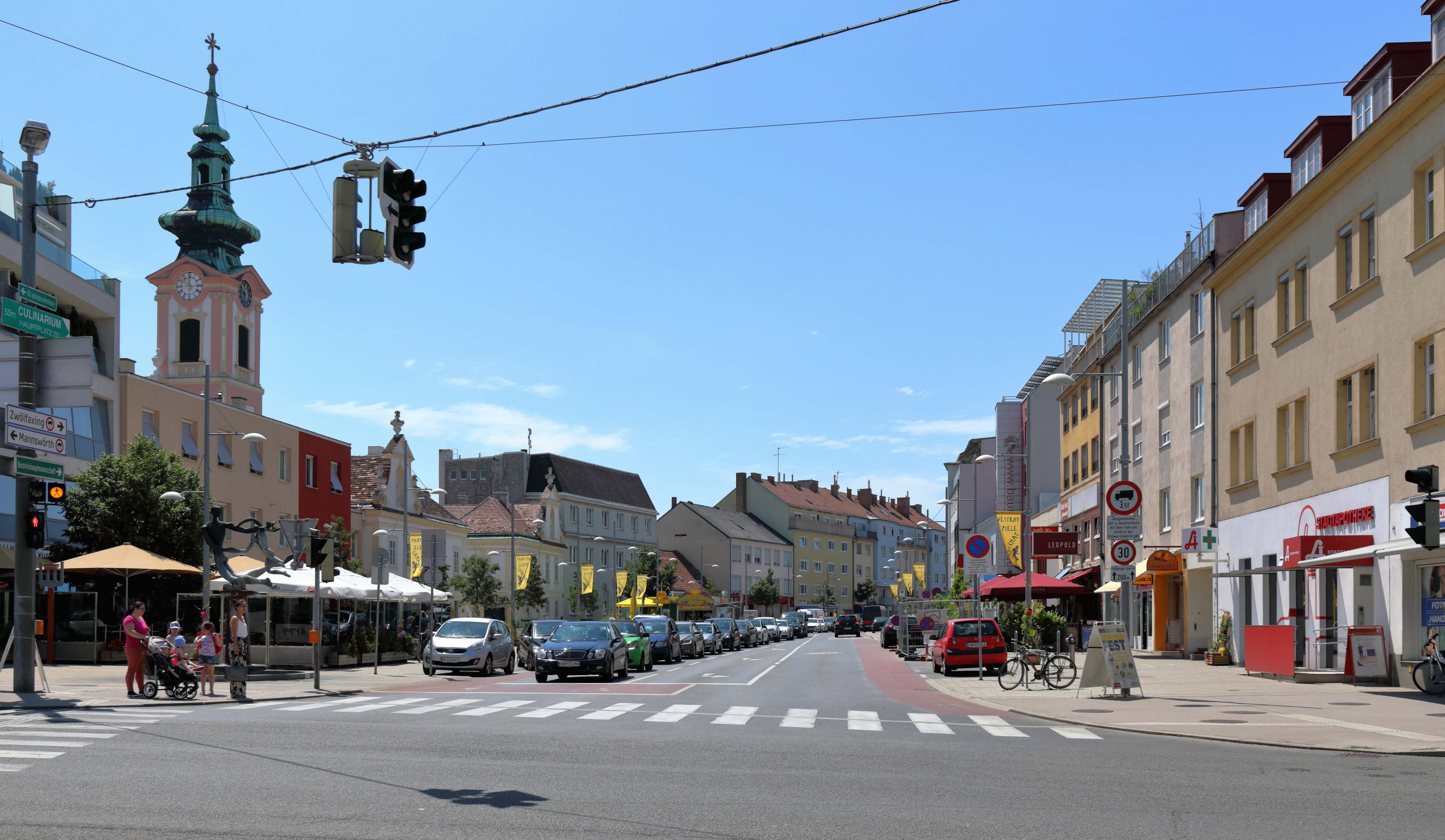 ✦ 80
✦ 80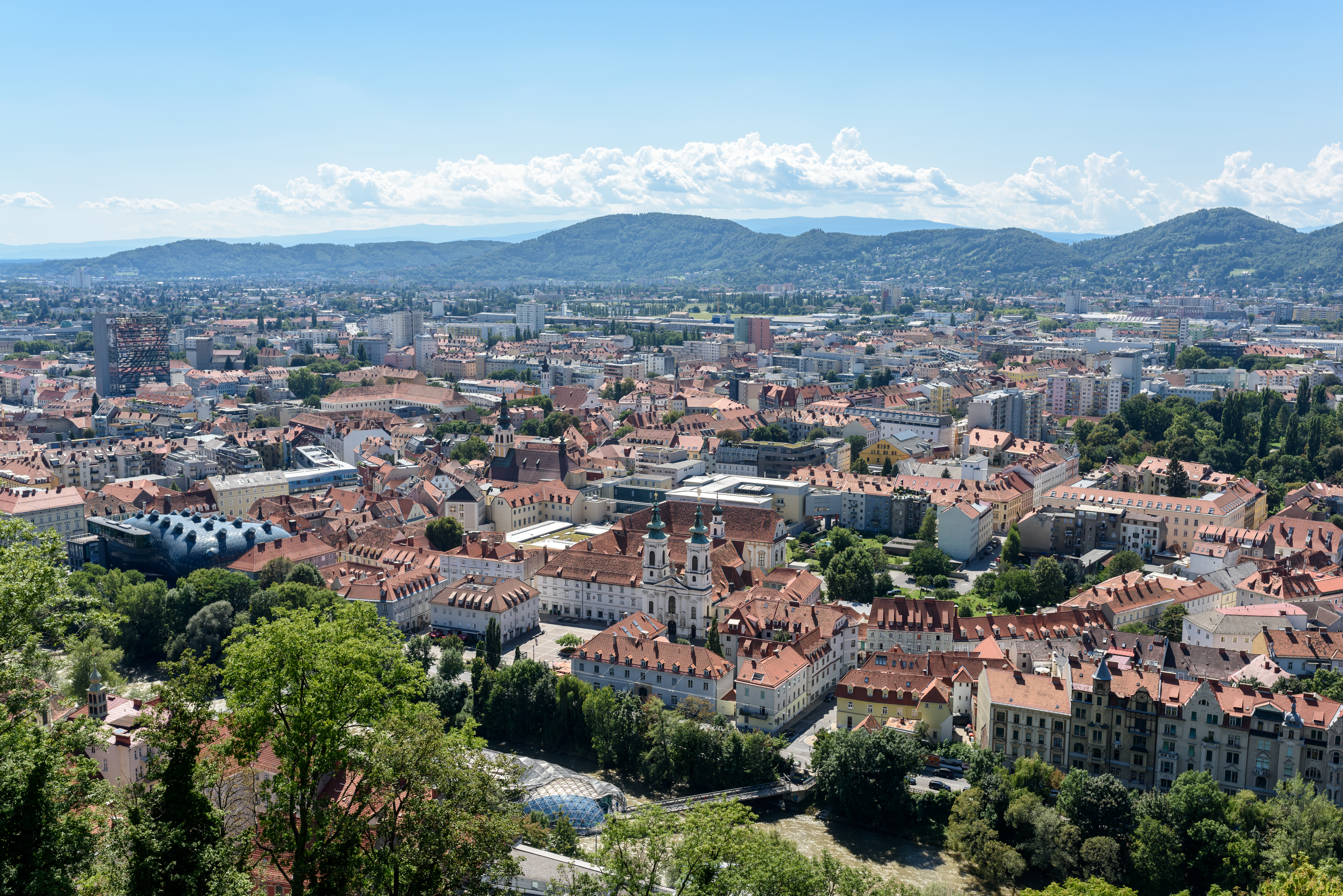 ✦ 84
✦ 84 ✦ 82
✦ 82 ✦ 80
✦ 80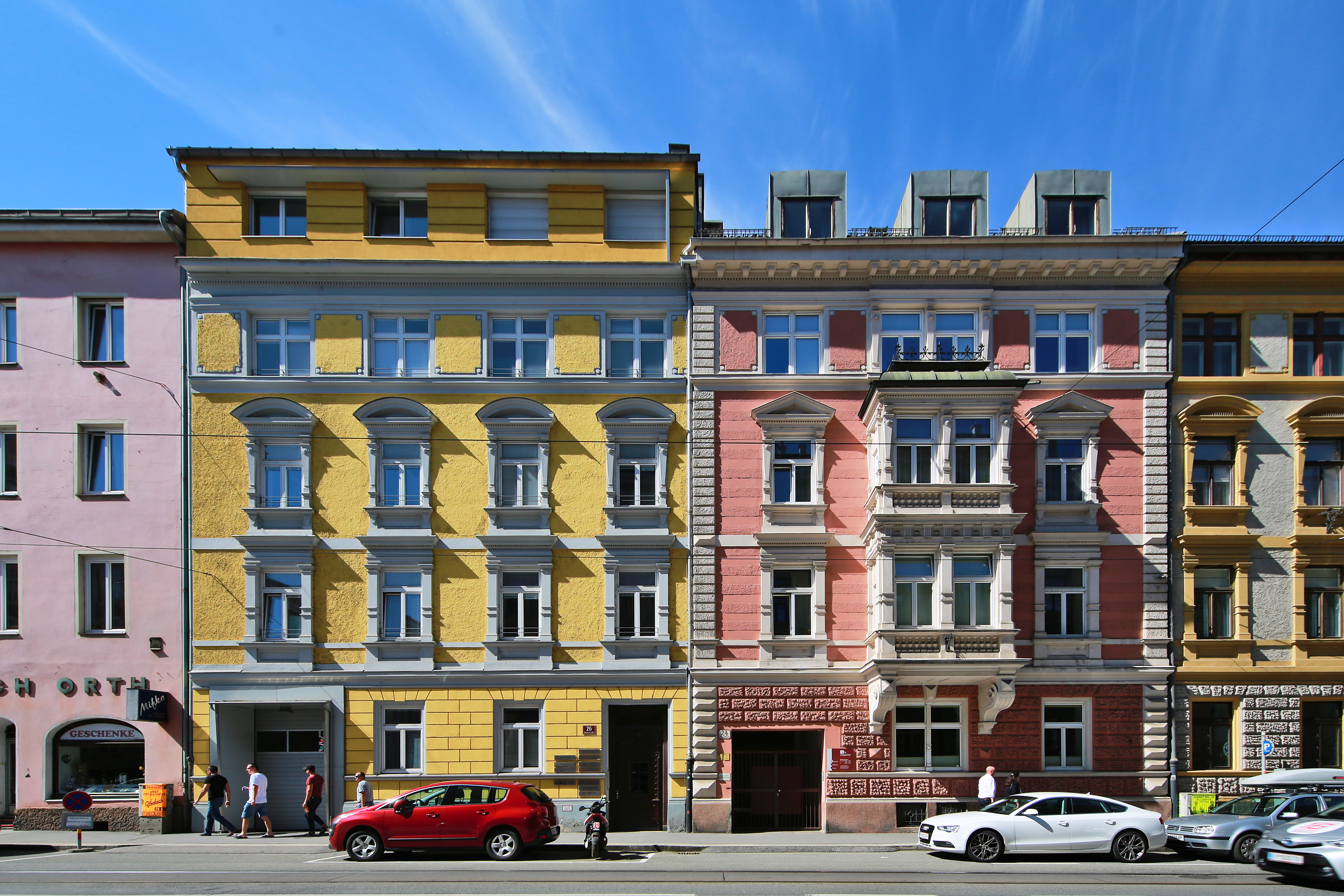 ✦ 85
✦ 85Building the financial narrative before you file
The Austrian consulate does not want to see a bank balance. They want to see a story. A story about where the money came from, why it is moving to Austria, and how it will support a genuine business. The minimum investment of $108,000, set in euros and converted at the time of application, is not a savings check. It is a commitment test. If the funds appear to have been cobbled together from short-term loans or pulled from retirement accounts without a clear tie to the business, the application stalls. The source of funds matters as much as the amount.
You need to show that the money is yours, liquid, and unencumbered. Inheritance, the sale of a previous business, long-term savings accumulated from freelance income, these are all viable. But you must document the trail. For US freelancers, that means tax returns that align with the accumulation, brokerage statements that show the money sitting for months, not just a sudden deposit before the application. The business plan must then make a credible case that the invested capital will sustain the business for at least the first year, while also covering your living costs. The authorities do not publish a required profit forecast, but a plan that assumes immediate profitability with no evidence of market demand is a quick rejection. The plan should be specific to the Austrian market, not a generic template. If you are a software developer, explain who your Austrian clients will be and why they need you. If you are a consultant, show contracts or letters of intent. The plan is not a formality; it is the document that converts the capital from a number into a business.
The timeline matters too. You cannot apply and then figure out the funding. The capital must be in place before you submit the application. Some applicants wire the money to an Austrian bank account in advance, but that is risky without a permit. The safer route is to have the funds in a US account and provide a notarized statement of commitment to transfer upon approval. The consulate will accept that, but the business plan must already account for the transfer and the setup costs. The financial narrative is not a single document; it is a thread that runs through the business plan, the proof of funds, and the personal financial statement. If any part contradicts another, the officer will notice. The narrative must be consistent enough that a stranger reading it would trust you with the money.
The housing puzzle when you do not have a permit yet
The application requires proof of accommodation in Austria. That sounds straightforward. You find a place, sign a lease, submit it. The timing is the problem. You need a lease that starts around the time you expect to arrive, but the processing time is a minimum of three weeks, and you cannot control exactly when the approval will come. Landlords are reluctant to sign a lease with someone who does not yet have a residence permit. Many applicants end up booking a short-term rental for the first month, but the consulate can reject that as insufficient because it is not a permanent address. A temporary Airbnb booking does not look like a settled living arrangement. The authorities want to see that you have a genuine place to live, not a hotel room.
A common workaround is to sign a lease that begins a few months out, contingent on the permit being granted. This requires a landlord willing to wait, which usually means paying a deposit and the first month's rent upfront. The lease should be in German, registered, and show a reasonable rent for the area. The consulate will check the address against the registered business location if you plan to work from home, so the apartment should be suitable for both living and, if applicable, the business activity. The size of the accommodation must also be adequate for any dependents you are bringing. A studio apartment for a family of four will raise questions.
The housing requirement is not a box you check once. It is a recurring verification point. When you arrive, you must register your address with the local registration office within a few days. That registration confirms your residency and triggers the issuance of the residence permit card. Without a valid address, you cannot get the card. So the lease you submitted must be real and available. If you submitted a friend's address as a placeholder, you risk being unable to register and the permit falling through. The housing proof is not just a document for the consulate; it is the foundation of your entire legal presence in Austria for the first year.
After the approval letter arrives
The approval letter from the Austrian consulate tells you that the residence permit has been granted. You then have a window to travel to Austria and begin the formalities. The first thing you do after landing is register your address. That step is mandatory and must be done within a few days. The registration office issues a Meldezettel, which you need for everything else. Without it, you cannot open a bank account, sign a mobile phone contract, or register your business. The residence permit card itself takes a few more weeks to be produced and delivered. During that gap, you are legally in the country, but you cannot work until you have the physical permit and the trade license. The local work restriction means you cannot take a side job to cover expenses while you wait.
The bigger hurdle is the trade license. The Gewerbeschein is issued by the local trade authority and requires a separate application. You need to show that you have the qualifications for the regulated trade you plan to operate, which for many freelancers means proving your professional experience. The consulate's approval of the residence permit does not guarantee the trade license. The two processes are parallel, and the trade authority can demand additional documents or certifications, especially for regulated professions like consulting or IT services. The business plan you submitted for the visa is separate from the trade license application, but the trade authority will review whether your business activity matches the description. If there is a mismatch, the license can be delayed or denied, and without the license, you cannot legally operate even with the residence permit.
The initial permit is valid for 24 months. That seems generous, but the first year often disappears in bureaucracy. The plan should account for the fact that you may not be able to generate income for the first three to six months. The capital investment is meant to cover that period, but many applicants underestimate the time it takes to get the trade license, open a business bank account, and find clients. The clock on the two-year path to permanent residence starts ticking from the date the permit is issued, not from the date you start earning. Every month of delay is a month lost from that timeline.
The two-year sprint to permanent residence
Austria offers one of the fastest paths to permanent residence in the EU: just two years of holding this self-employed permit. That is a remarkable feature, and it is the reason many people choose Austria over other countries with lower capital thresholds. But the two-year clock is not a guarantee. You must renew the permit at the end of the first 24 months, and the renewal application is where the authorities assess whether your business is truly viable. The initial approval was based on a plan. The renewal is based on reality. You need to show that the business has generated income, paid taxes and social contributions, and that you have not become a burden on the state. The capital you invested must still be in the business or at least evidence that it was used for its intended purpose. If the business failed and you are living off savings, the permit will not be renewed, and the PR path is broken.
The two-year requirement is strictly a minimum. You must have held the permit for the full two years and have a clean record. Any criminal conviction or even a significant administrative offense can delay or block permanent residence. You also need to demonstrate integration, which typically means a basic command of German. The authorities do not publish a specific language level, but you will be expected to communicate in everyday situations. Language courses taken during the two years help. The PR application also requires proof of continuous health insurance and adequate accommodation. The same housing proof that was a hurdle at the start becomes a requirement again.
The practical difference between the two-year mark and the actual issuance of PR is often a few months. So while the law says two years, the process can take longer. That means you should not plan your life around an exact date. The important thing is that the permit is renewable, and if you meet the renewal conditions, you can stay and continue building toward PR. The investment capital is not a one-time entry fee; it is a commitment that the authorities will revisit. The most common mistake is assuming that once the permit is granted, the hard part is over. The hard part is the business itself, and the renewal is when that is tested.
Austria vs. Germany: the capital vs. income trade-off
For a US freelancer with a healthy income, the German freelance visa is the obvious alternative. Germany does not require a six-figure capital investment. You need to show that your freelance work is economically viable, that you have contracts or letters of intent, and that you can support yourself. The threshold is income-based, not wealth-based. So if you earn $6,000 a month from remote clients, you can qualify for Germany without tying up a large sum. The Austrian route, by contrast, demands that you have $108,000 in capital to invest. That filters out a lot of people. So why would anyone choose Austria? The answer is time. Germany's path to permanent residence is typically five years, not two. And the German process can be slower and more bureaucratic, with länder-specific variations. Austria's permit is a federal decision, and the processing time is often faster. The two-year PR track is a genuine advantage for someone who wants a stable EU base quickly.
But the capital requirement is not a one-time entry fee; it is a business investment. You are expected to actually run a business in Austria, not just park money. That means you will be paying Austrian income tax on your worldwide income, which is higher than in many US states. You will also be subject to Austrian social security contributions, which can be substantial. The German system also has high taxes, but the lack of a capital lock-in makes it more flexible. The Austrian path is a bet that you can build a business that survives and that the two-year PR is worth the upfront capital. The German path is a bet that you can sustain freelance income over a longer period. Both are viable, but the decision hinges on whether you have the capital and whether you want to run a business in Austria, not just live there.
The choice also depends on your long-term plans. If you intend to eventually naturalize, Austria generally requires ten years of residence, while Germany recently reduced its requirement to five years in some cases. So the PR advantage might be offset by the longer path to citizenship. But for many, PR is the goal, and Austria's two-year track is hard to beat. The capital requirement is a high barrier, but it is also a filter that ensures the people who get the permit are serious about building something in Austria. That seriousness can make the process smoother, because the authorities are dealing with a smaller, more committed pool of applicants.
Work Permissions
Application Steps
- 1
Research
Verify all requirements for this visa type and country
- 2
Gather documents
Obtain all required documents (passport, financial statements, health insurance, etc.)
- 3
Complete application
Fill out the official application form
- 4
Submit application
Submit all documents to the appropriate consulate or online portal
- 5
Pay fees
Complete payment of application and visa fees
- 6
Attend interview
If required, attend any scheduled interviews
- 7
Wait for decision
Processing times vary from weeks to months
- 8
Travel and activate
Once approved, travel to the country and complete any activation requirements
Compare this visa
Curated comparisons that include this route.
Frequently Asked Questions
Click any question to expand the answer.
Ready to Apply?
Work with trusted visa specialists who handle the paperwork so you can focus on your move.
Get help with this visa →* We may earn a commission if you apply through our link
At a Glance
Last verified: October 9, 2026