Difficulty
Moderate
Duration
12 months
Overview
Armenia has no dedicated digital nomad visa. Remote workers instead use the standard business-based temporary residence permit, which requires registering as a sole proprietor (Private Entrepreneur) or forming a company in Armenia. No minimum income, savings, or investment amount has been published for this route, so the permit is assessed on whether you run a registered business, not on what you earn. That is changing: reforms taking effect November 1, 2026 introduce online-only applications, quotas, and, reportedly, financial requirements for foreign entrepreneurs. Check the current rules before you apply.
The permit is issued for up to 12 months and is renewable. Many nationalities can enter visa-free and apply from inside Armenia, so you can start the process on a visa-free stay. Processing times reported by different sources range from about 4 to 8 weeks, and no firm maximum is published. Plan for the longer end, especially if your visa-free stay is short. [Verify how the new digital platform changes the in-person appointment and local phone number steps.]
You don’t need a work permit to do remote work for foreign clients, but the permit does not authorize you to take Armenian employment. Because you’ll hold a local business registration, expect local tax registration and reporting, and confirm the current sole-proprietor tax regime with an Armenian advisor. The state fee for a temporary permit has been around 105,000 AMD (roughly $270), and it is scheduled to rise, with sources giving different dates and amounts (reported as about 155,950 AMD, or roughly $426, on or before November 1, 2026, versus a January 2027 increase). Check the Migration and Citizenship Service’s current fee schedule. Add the sole-proprietor registration fee (about 3,000 AMD), health coverage, and any advisor costs.
Document requirements are lighter than for many programs: no FBI background check, no local bank account, and no apostille on most documents. Health insurance and the medical certificate are less certain: sources conflict on whether private insurance is required, and medical certificates have been dropped for work-based permits. [Confirm both.] Reported reforms also include a notification rule for long absences, so don’t assume there is no presence requirement. [Verify the current rule.]
The route can lead to permanent residence after 5 years. [Verify the citizenship timeline; the page currently says 3 years in one place and “not specified” in another.] Permits renew on their own cycle, and each renewal needs its own paperwork and fee, so keep your business registration and filings in order.
Best fit: remote workers, contractors, and owners with foreign clients who are comfortable registering and maintaining a small Armenian business and want a 12-month base. Poor fit: anyone who needs Armenian employment, a guaranteed no-wait approval, or a no-paperwork arrangement like a simple visa-free stay.
Eligibility Requirements
Any nationality can apply in principle under the published facts. The practical friction point is not legal eligibility but administrative friction for applicants from Iran, North Korea, Syria, Cuba, or Russia, where banking, document delivery, or consular handling can make approval and account setup harder even when the rule set is nominally open. Verify the current entry and residence rules directly with Armenia’s Ministry of Foreign Affairs and the official residency portal before assembling a full package.
Renewal Cost
$270/yr
Min Age
18 yrs
Duration
12 months
1099 Contractor · Business Owner · Self-Employed
Max 0% from local sources
Requirements Checklist
0 of 9 documents in hand
0%These take the longest, so start them first.
Request these while the slow items are in progress.
You only need these on the day you submit.
How and where to apply
Apply in-country at the Passport and Visa Department of the Police of Armenia after entering visa-free (if eligible from your nationality). Book appointments online; a local Armenian phone number is required. Remote submission possible via legal representative with Power of Attorney, sending passport if needed.
Tax Information
Local tax picture
Armenia taxes residents on worldwide income and non-residents only on Armenian-source income. If you stay a non-resident, foreign salary, freelance income from non-Armenian clients, foreign dividends, and foreign rental income are generally outside the Armenian tax base. Once you become a tax resident, they are generally taxable at Armenia’s flat 20% personal income tax rate, subject to treaty relief where a treaty exists.
You become a resident if you are present for 183 days or more (counting arrival and departure days; sources differ on whether the window is the calendar year or any rolling 12 months) or if your center of vital interests is in Armenia. Track your days conservatively.
This permit requires registering as a sole proprietor, so you will have a local taxpayer ID and local registration and reporting obligations even if your income is foreign. Confirm your filing obligations and the turnover-tax regime with an Armenian tax advisor. A local bank account is not required for the permit itself.
For US citizens and green card holders
- FEIE (Form 2555) excludes earned income only, up to $132,900 for 2026. It does not cover dividends, capital gains, pensions, or Social Security. It also does not remove US self-employment tax. I believe there is no US–Armenia totalization agreement, so verify this with a CPA.
- Physical Presence Test: 330 full days outside the US in a 12-month period means you will almost certainly exceed 183 days in Armenia and become an Armenian tax resident. That makes Armenian tax, and therefore the FTC (Form 1116), relevant. The old text assumed a zero local rate, which only holds for non-residents. You can’t claim a credit for foreign tax on income you’ve excluded under FEIE. I also believe there is no US–Armenia income tax treaty in force; verify this.
- Bona Fide Residence Test requires you to be a genuine resident for an entire tax year, which is hard to show on a 12-month permit unless you really settle.
- FBAR (FinCEN 114) is required if the combined balance of all your foreign financial accounts exceeds $10,000 at any point in the year. Form 8938 (FATCA) has separate, higher thresholds that differ for people living abroad.
Use a US CPA experienced in expat returns and an Armenian tax advisor. Budget varies widely, so I’d drop the “$1,500–3,000 buys back penalties” claim unless you have a source for it.
Living in Armenia
COL Index vs NYC
39.6
Monthly Cost (excl. rent)
$686
1BR Rent (City Center)
$679
Safety Index
77.9
Healthcare Index
59.0
Quality of Life Index
119.7
Time Zone
UTC+04:00
Capital
Yerevan
Population
3.0M
Official Languages
Armenian
Avg Internet Speed
77 Mbps
Public Transit Quality
Fair
With a budget covering rent and living costs, you'd need roughly $1,365/mo for a comfortable single-person lifestyle in Armenia.See how far your money goes →
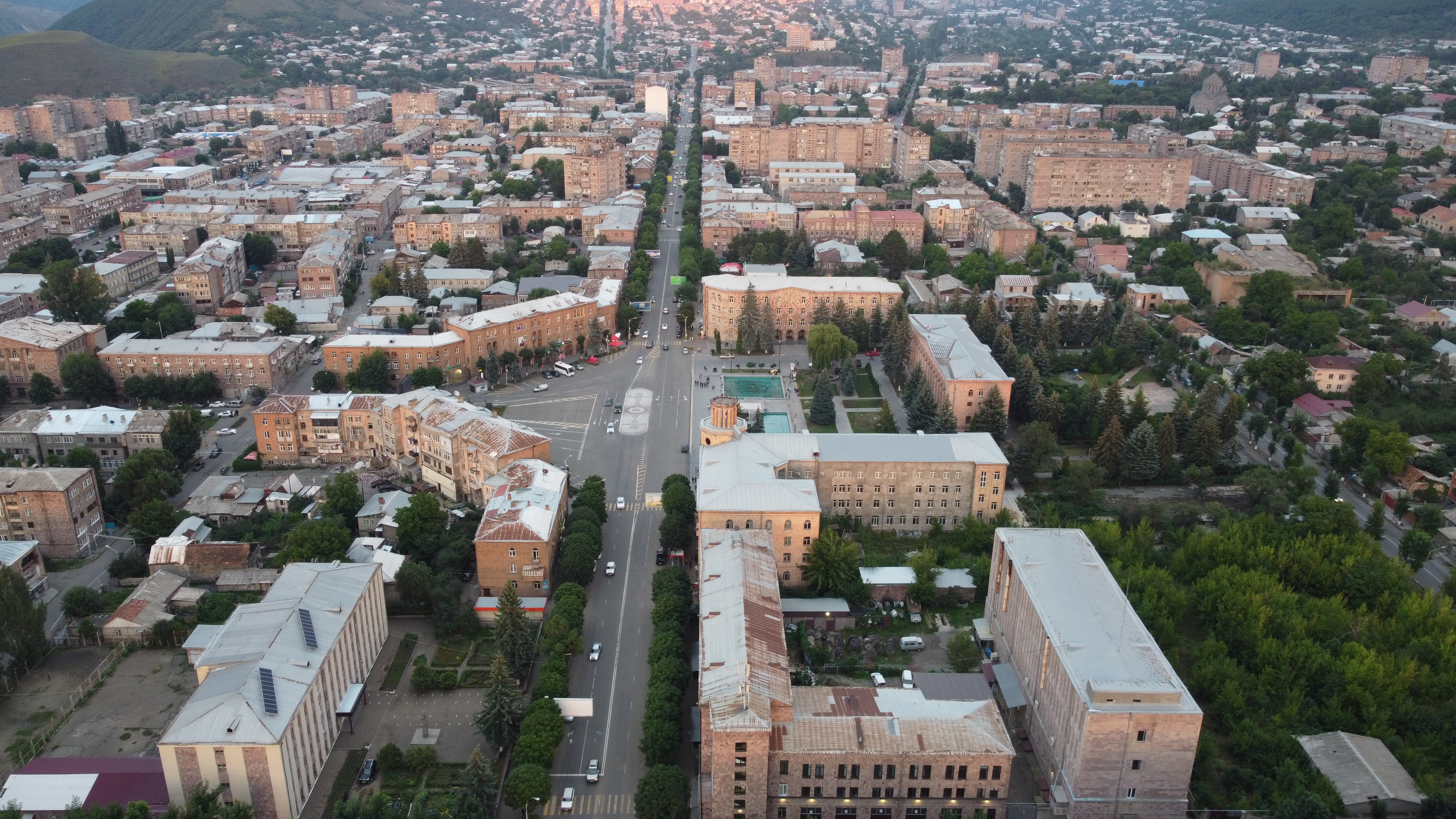
🏙️ Best Cities in Armenia for Digital Nomads
 53
53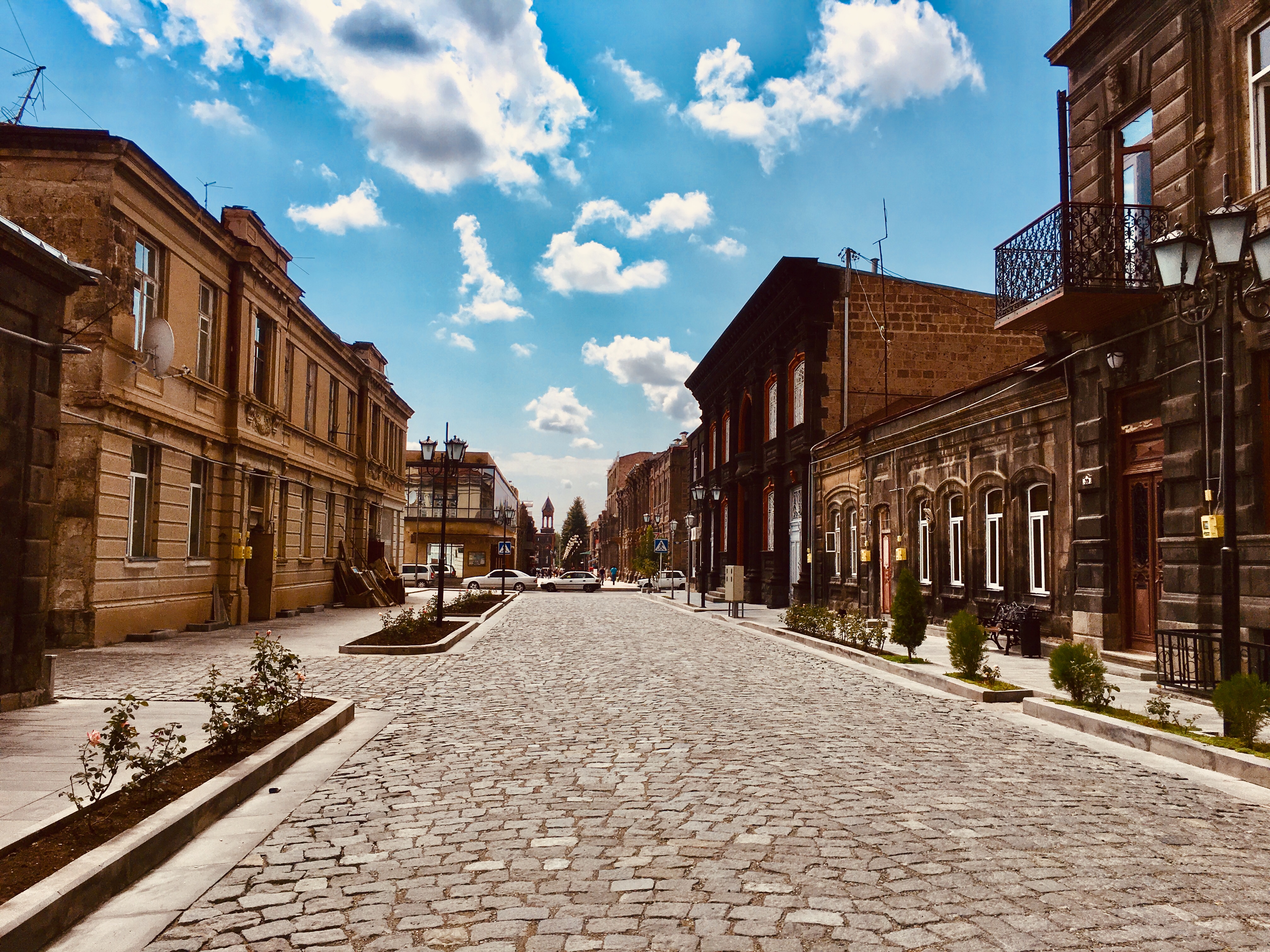 54
54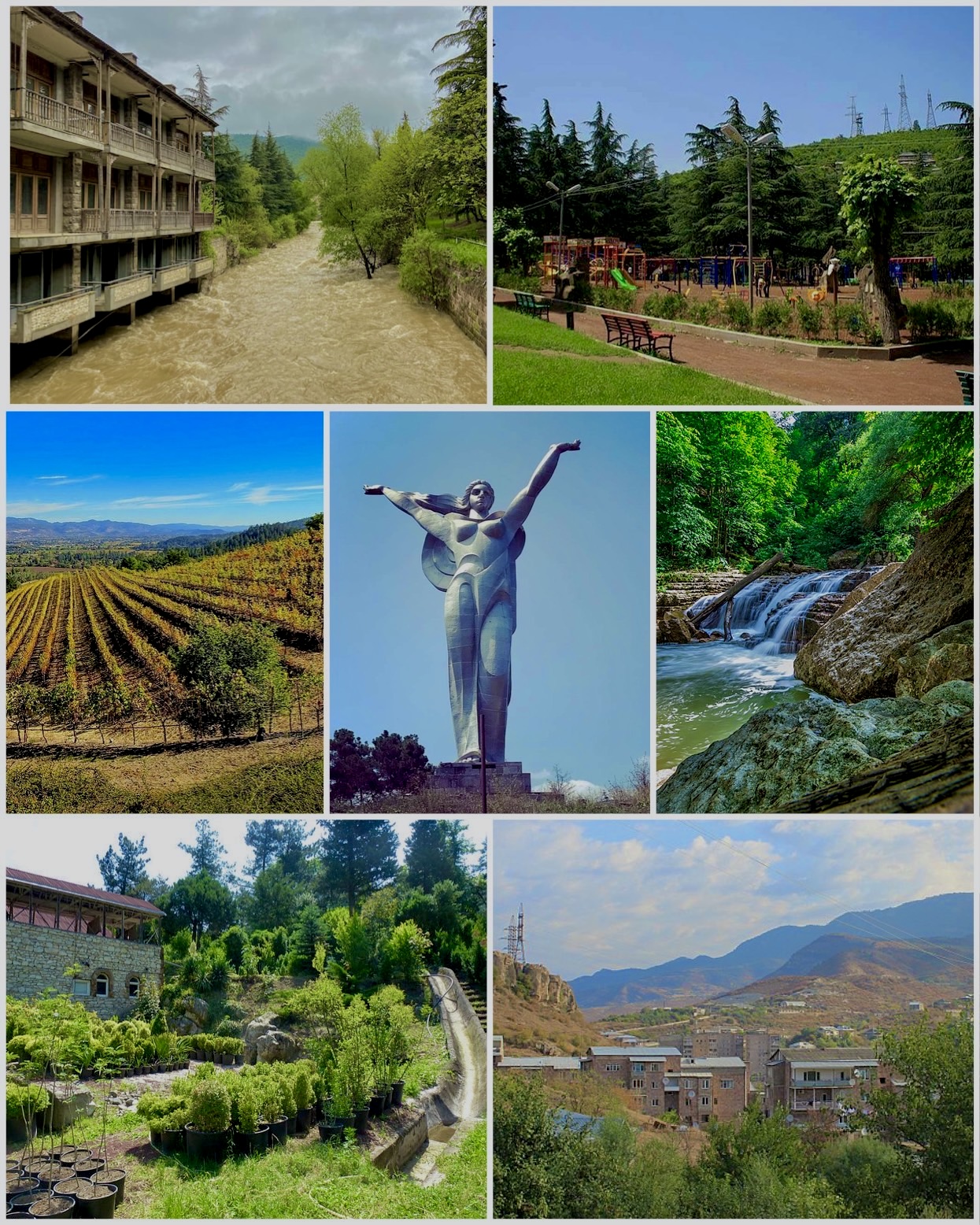 55
55 60
60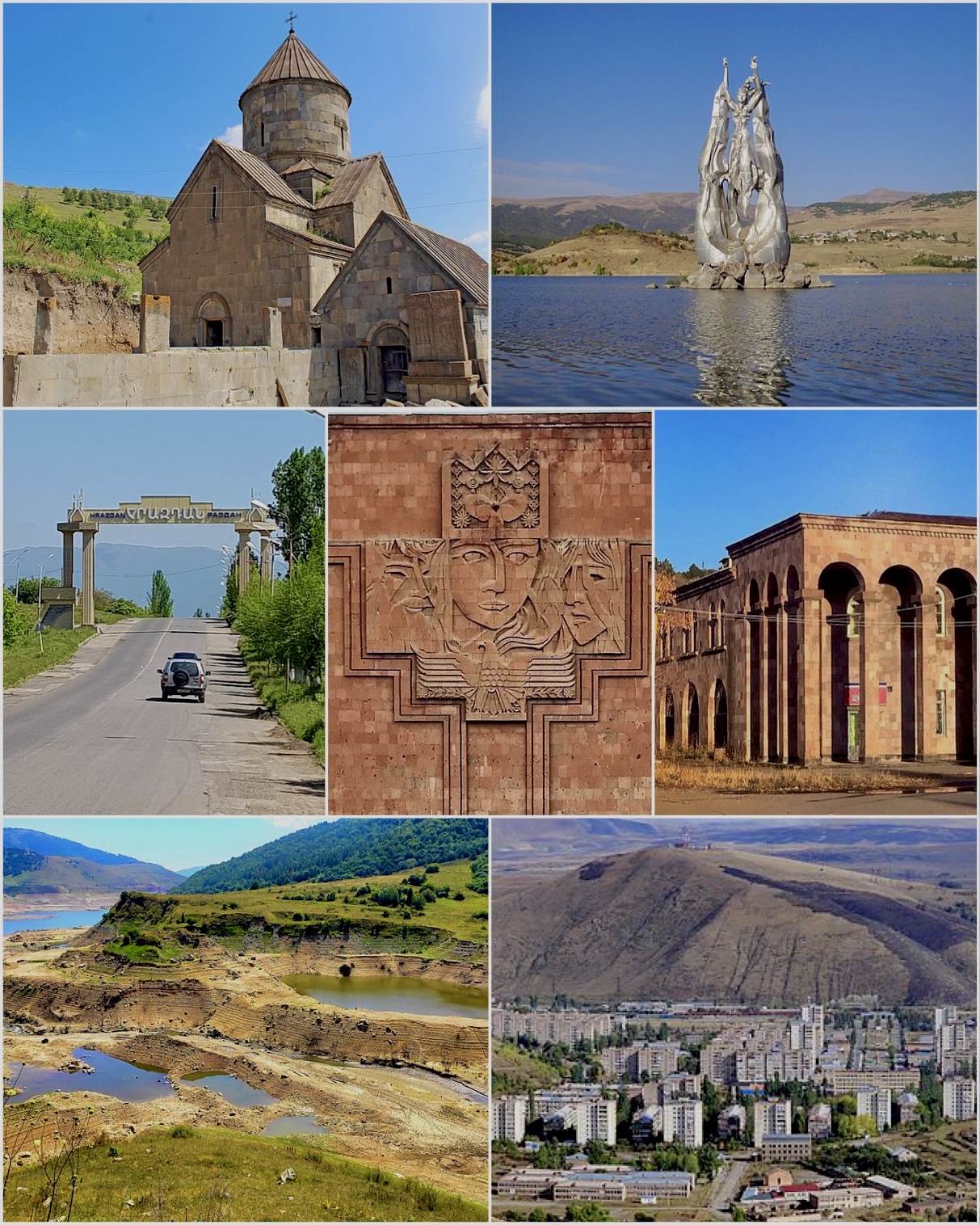 59
59Starting the application: what trips people up
Armenia’s business-based residence permit has no dedicated housing requirement, but proof of legal stay and a consistent address run through the process, so use the same address on your sole-proprietor registration and your permit application. Most people enter visa-free, register as a Private Entrepreneur, and then file for the permit. Until now that has meant booking an appointment online (which needed a local phone number) with the Passport and Visa Department of the Police of Armenia. Applications are moving to an online-only platform from November 1, 2026, and reports say appointment slots before that date are effectively unavailable. [Verify how booking, the phone-number requirement, and in-person steps work on the new platform.]
Submitting through a legal representative with power of attorney has been reported as possible, which can help if you can’t stay for the whole process. It adds cost and requires trusting the representative, so most applicants who can be in Armenia will prefer to apply themselves. Short-term rentals are fine while you wait, since nothing in the process requires a long lease.
While you wait for the permit
Entering Armenia and holding a permit are different events: the permit process starts once you’re in the country (or, per the new rules, once you file online). Reported processing times range from about 4 to 8 weeks, and no firm maximum is published, so plan around the longer end and treat anything faster as a bonus. Check that your visa-free stay is long enough to cover it. [Verify how the new platform affects processing time.]
You don’t need a work permit to do remote work for foreign clients, so you can keep working for them while you wait. The permit does not authorize Armenian employment. Your Private Entrepreneur registration comes before the permit, and it’s what the application rests on, so expect local tax registration and reporting from the start. Sources conflict on whether private health insurance is required, and medical certificates have reportedly been dropped for work-based permits. [Confirm both before filing.] The first deadline to track after approval is the end of the 12-month permit, which is also the first renewal.
The long-term path
The route can lead to permanent residence after five years of residence. [Verify the citizenship timeline and whether it runs separately from permanent residence; I couldn’t confirm the “3 years” figure.] Each year’s renewal is its own application with its own fee and document refresh. [Verify current fees, since they are scheduled to rise.] Keeping your business registration, tax filings, and records of your foreign income consistent from year to year matters for renewals.
Armenia vs. Georgia
Georgia is the obvious comparison because it allows long visa-free stays for many nationalities and has a reputation for light bureaucracy. Armenia asks for more up front: you register a local business, prepare translated documents, and renew a permit every year. In exchange, Armenia’s permit gives you a formal residence status and a route toward permanent residence. [Verify whether dependents can be added to your application or need their own.]
The tax comparison is less one-sided than it looks. Armenia taxes residents (183+ days or a center of vital interests in Armenia) on worldwide income at a flat 20%, so staying a non-resident is what keeps foreign income outside the base. [Check Georgia’s current rules for yourself rather than assuming it’s better or worse; I haven’t verified them here.] Both countries are inexpensive relative to a typical remote income, so the real choice is whether you want a status that needs ongoing paperwork but offers a longer-term track, or a lighter arrangement with less structure.
Work Permissions
Application Steps
- 1
📋 Verify eligibility and enter Armenia
1-2 days
- 2
🏛️ Register as sole proprietor
1-3 days
- 3
📄 Gather passport and photos
1-2 days
- 4
📄 Obtain health insurance
1 day
- 5
📄 Prepare application form and cover letter
1-2 days
- 6
📅 Book appointment and submit
Same day
- 7
⏳ Wait for processing
4-8 weeks
- 8
🏛️ Collect residence permit
1 day
This visa requires proof of health insurance. Compare international plans before you apply.
Compare health insuranceWe may earn a commission at no cost to you.
Compare this visa
Curated comparisons that include this route.
Frequently Asked Questions
Click any question to expand the answer.
Ready to Apply?
Work with trusted visa specialists who handle the paperwork so you can focus on your move.
Get help with this visa →* We may earn a commission if you apply through our link
At a Glance
Expat Tax Help
Filing US taxes from abroad is complex. Work with a specialist who knows expat tax law.
Find an Expat Tax Pro →Last verified: July 9, 2026