Overview
Albania's digital nomad visa is built for people who already have a remote income and want a lower cost of living without dragging their tax life or their long-term plans anywhere near Albania itself. It suits a freelancer or remote employee pulling in the $4,000 to $10,000 monthly range from clients or an employer based outside the country, because the whole arrangement assumes the money keeps arriving from somewhere else. It suits badly anyone hoping this becomes a foothold toward European citizenship, since the visa does not lead to permanent residency no matter how many times it gets renewed. That's the trade worth sitting with before anything else: cheap, open to every nationality, light on bureaucratic friction, but a fixed-term arrangement by design, not the first rung of a longer settlement plan.
The two things that most change an applicant's odds have little to do with the checklist. First is whether the income story is airtight and clearly foreign-sourced, since local work isn't permitted under this visa and reviewers are watching for the pattern of "remote" income that's actually local income routed through a foreign invoice. Second is health insurance, which is required and needs to hold up if anyone asks about it later, not just exist as a policy number typed onto a form. There's no medical exam, no interview, no apostille requirement, and no local bank account mandate, which makes the application itself lighter than most competitor programs in the region. That lightness is a little deceptive. It means Albania is trusting the paperwork rather than testing the applicant in person, so the paperwork has to be right the first time, because there's no interview where a shaky answer gets a second chance to become a clearer one.
Retirees living on pension income should look elsewhere for this specific visa, since pension income isn't recognized toward the requirement here. This is a remote-income visa, and the sequencing problems that sink applications almost always trace back to someone treating it like a general low-cost relocation visa instead of what it actually is.
Eligibility Requirements
Requirements Checklist
Tax Information
How Albania Taxes What You Earn
Albania taxes residents on worldwide income, which pulls in nearly everything a relocated American might have: remote salary from a US employer, freelance invoices billed to clients back home, or rental income from a property left behind in the States. Residency turns on the standard 183-day threshold within a tax year; cross it and Albania claims a share of income earned anywhere on earth, not just what you make locally. Employment and freelance earnings sit on a progressive scale as of 2026: 13% up to ALL 2,040,000 (roughly USD 19,500) of annual taxable income, 23% on everything above that line. There is no territorial carve-out for foreign-source salary here, and no remittance basis to shelter behind.
Investment income gets split treatment. Dividends from Albanian or foreign sources face a flat, final withholding rate of 8% as of 2026, among the lowest dividend rates anywhere in Europe. Capital gains, whether from shares, real property, or crypto, land in a separate bucket taxed at a flat 15%, alongside most of what Albania files under "other investment income." A US retiree drawing from a 401(k) or IRA should expect the distribution to fall under the progressive 13%/23% pension scale or the flat 15% investment rate depending on how it gets characterized, and there is no treaty language settling that question, because no US-Albania tax treaty exists.
Freelancers and the self-employed get a genuine carve-out. Albania runs a 0% tax regime on self-employment income up to ALL 14,000,000 a year (roughly USD 140,000) through 2029, and it lines up almost exactly with the profile this visa attracts. It does nothing for dividends, capital gains, or pension income, and it leaves the 8% and 15% flat rates described above untouched; it only zeroes out tax on the freelance or consulting income itself, provided you stay under the ceiling and qualify as truly self-employed rather than as an employee working under a contractor label. Confirm current eligibility and registration mechanics with a local tax advisor before leaning on it, since qualifying rules for regimes like this shift year to year and a missed step can cost the entire benefit for that filing year.
What the IRS Still Wants From You
The IRS taxes citizens and green card holders on worldwide income no matter where they live, and moving to Tirana changes none of that. The Foreign Earned Income Exclusion for 2026 shelters up to $132,900 of earned income, salary or freelance revenue, provided you pass either the bona fide residence test or the physical presence test; from Albania the 330-full-days version of the physical presence test works cleanly, with no local wrinkle to complicate it. FEIE has zero reach past earned income, though: dividends, capital gains, rental income, pensions, and Social Security all stay fully taxable on the 1040 regardless of how lightly Albania taxes them.
The Foreign Tax Credit exists for income both countries tax, but its usefulness here is uneven. Anyone qualifying for the 0% self-employment window has little for the credit to offset, since that income was likely already excluded through FEIE on the earned-income side. Higher earners who land in Albania's 23% bracket get more out of it, since that rate starts to approach parts of the US bracket structure, but income sitting in the 13% band barely generates enough foreign tax paid to matter. And because no US-Albania treaty exists, there is no savings clause to parse and no treaty sourcing rule to fall back on; whatever overlap remains gets resolved through FEIE and FTC alone, unilaterally, on the US side.
The visa itself does not require a local bank account, but most people who actually relocate end up opening one anyway, for rent, utilities, or just to stop paying foreign transaction fees on everything. Once the combined balance of your foreign accounts, Albanian or otherwise, exceeds $10,000 at any point during 2026, FinCEN Form 114 becomes mandatory, and missing it non-willfully carries a statutory penalty of roughly $10,000 per violation, adjusted for inflation to somewhere near $16,700 for 2026. Nobody chases this aggressively until the year they do.
The decisions that actually cost people money in year one are avoidable with a little attention: confirming eligibility for the 0% self-employment window and registering it correctly from the outset, choosing between bona fide residence and physical presence for the FEIE election and keeping the paperwork that choice demands, and tracking the Albanian account balance closely enough to know the exact month it crosses FBAR territory. None of this is exotic work. A first-year advisory engagement typically runs $1,500 to $3,000, and it's usually the difference between structuring the move correctly the first time and discovering, eighteen months in, that an amended return costs more than the advice would have.
Living in Albania
COL Index vs NYC
45.8
Monthly Cost (excl. rent)
$712
1BR Rent (City Center)
$561
Safety Index
55.3
Healthcare Index
48.2
Quality of Life Index
104.3
Time Zone
UTC+01:00
Capital
Tirana
Population
2.8M
Official Languages
Albanian
Avg Internet Speed
181 Mbps
Public Transit Quality
Fair
With a budget covering rent and living costs, you'd need roughly $1,273/mo for a comfortable single-person lifestyle in Albania.See how far your money goes →
🏙️ Best Cities in Albania for Digital Nomads
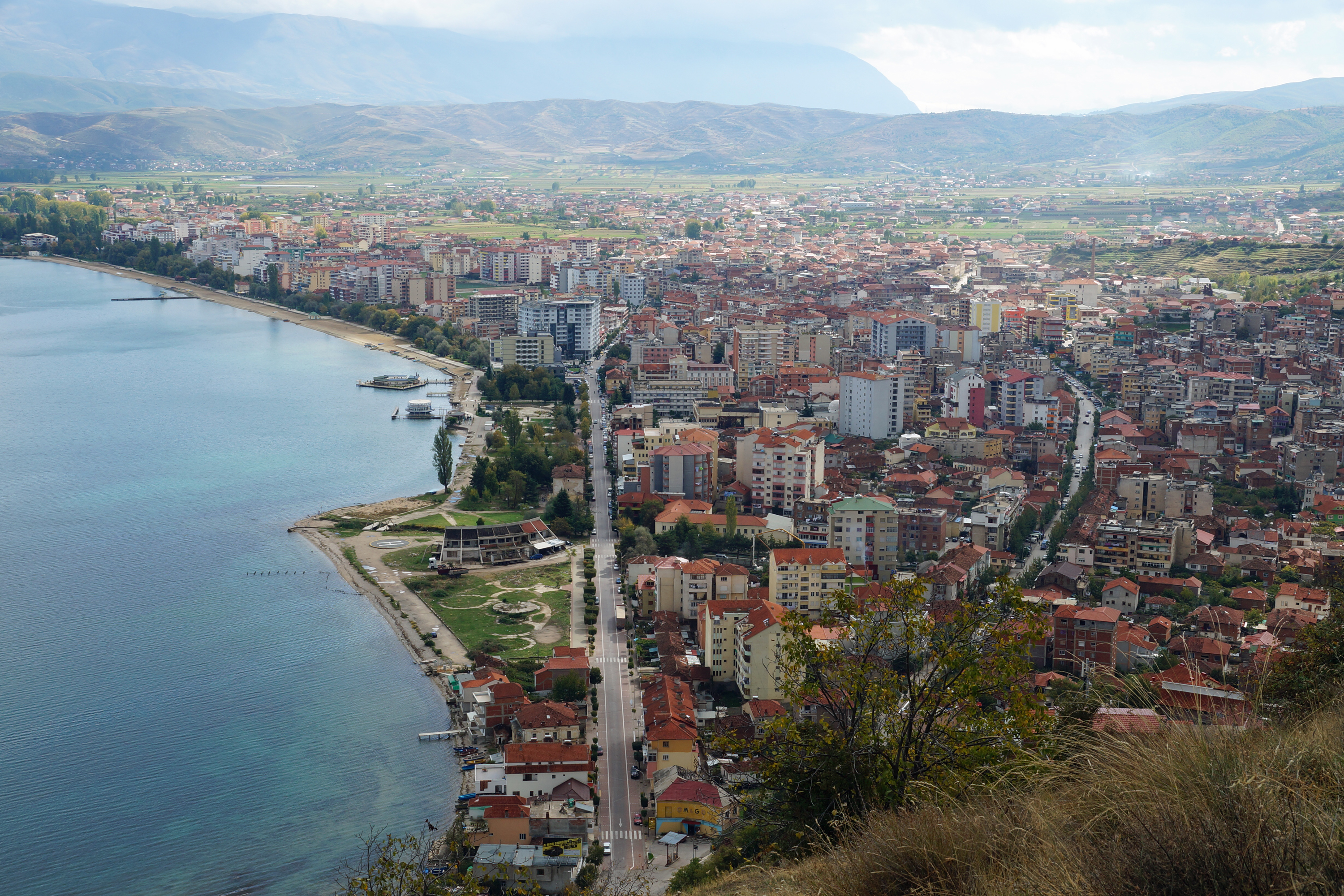 72
72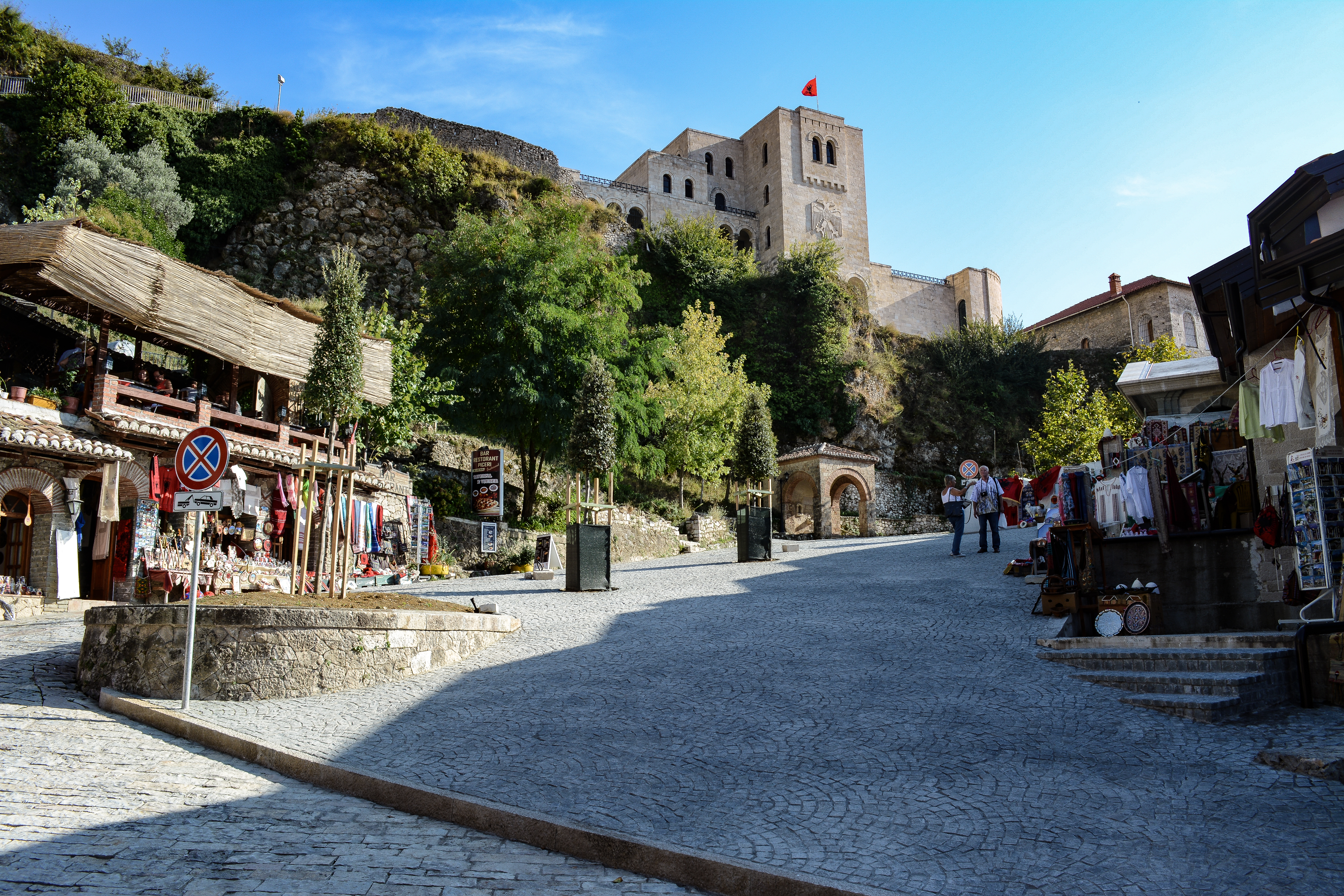 60
60 58
58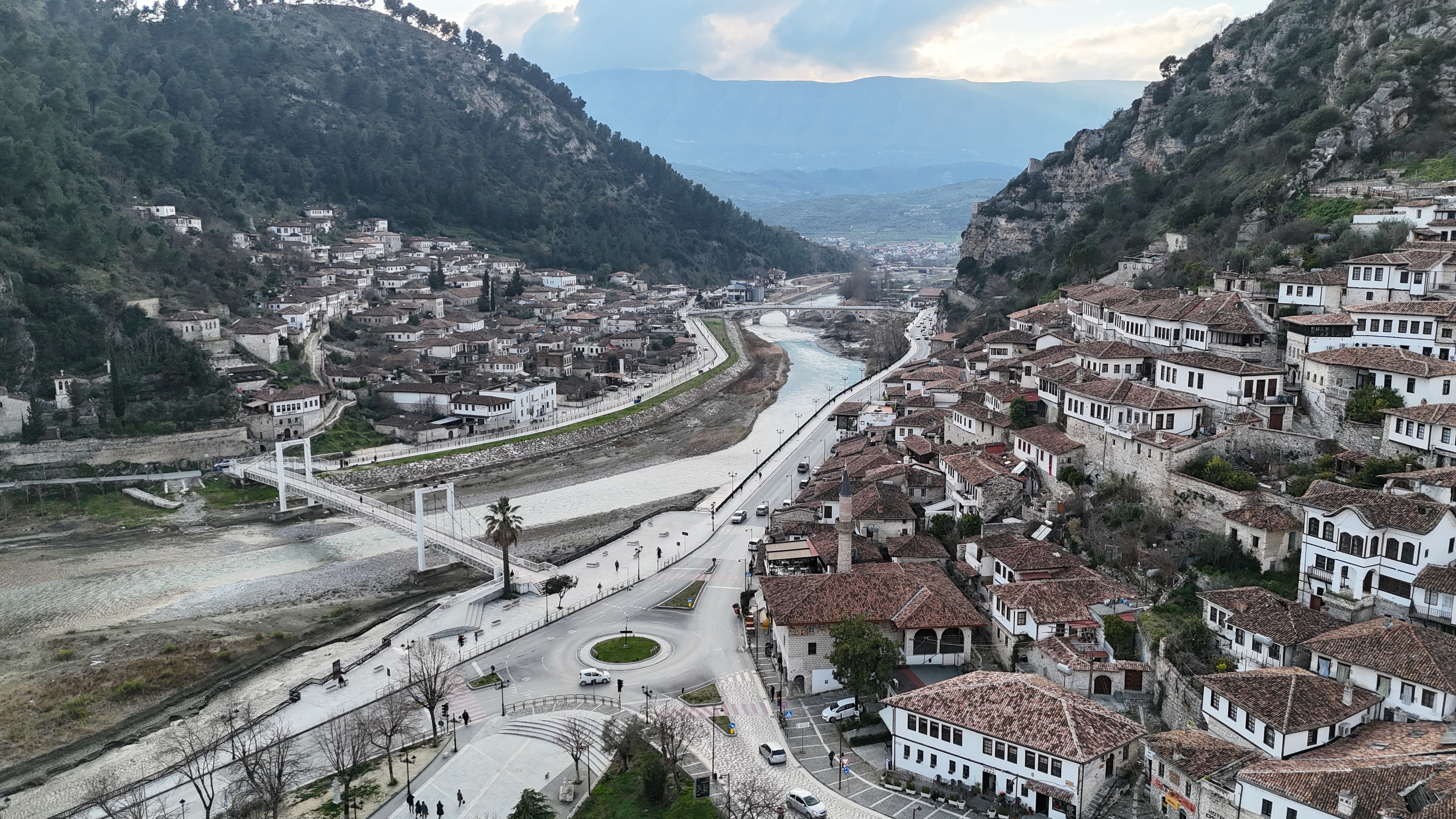 61
61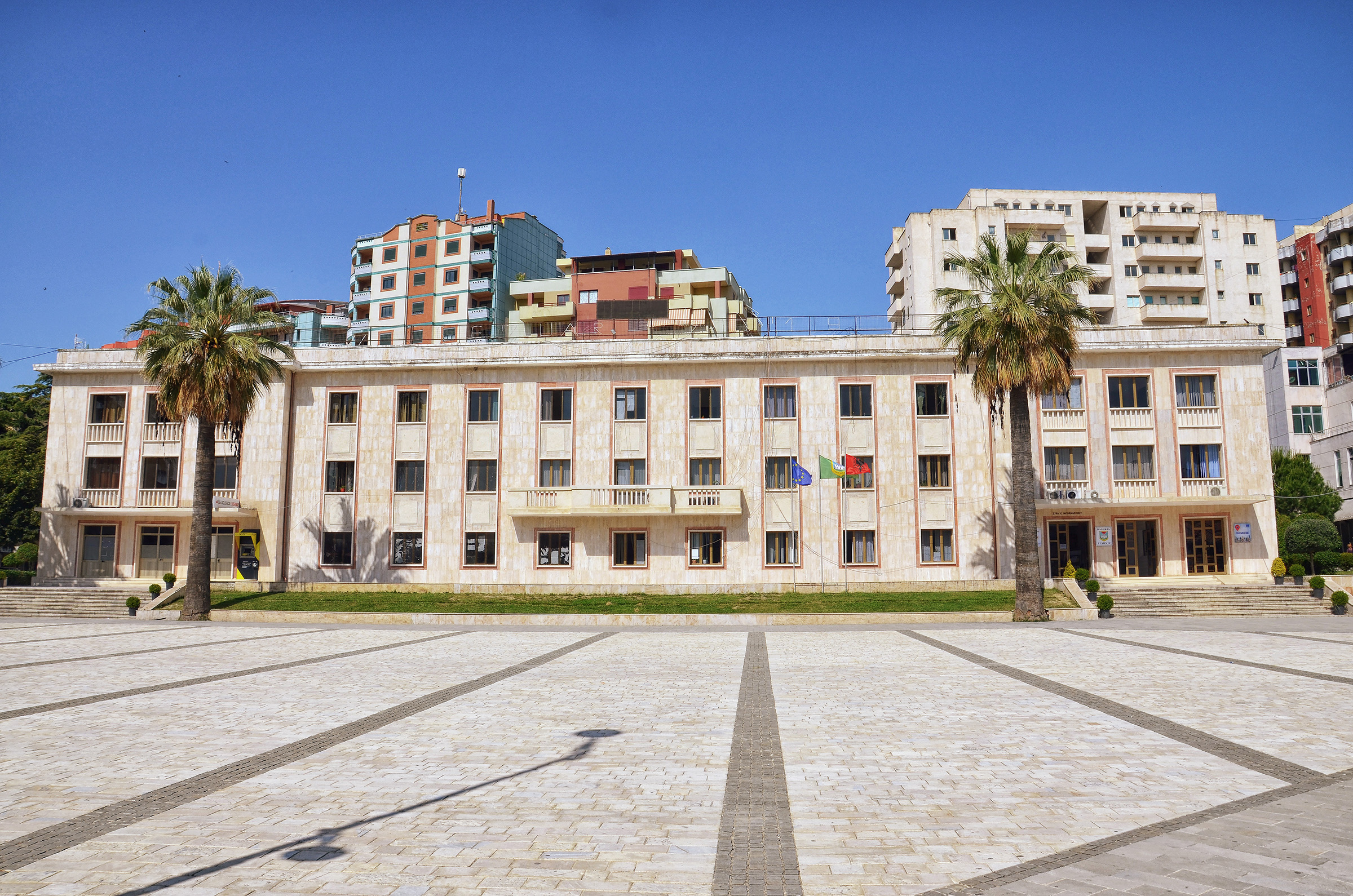 63
63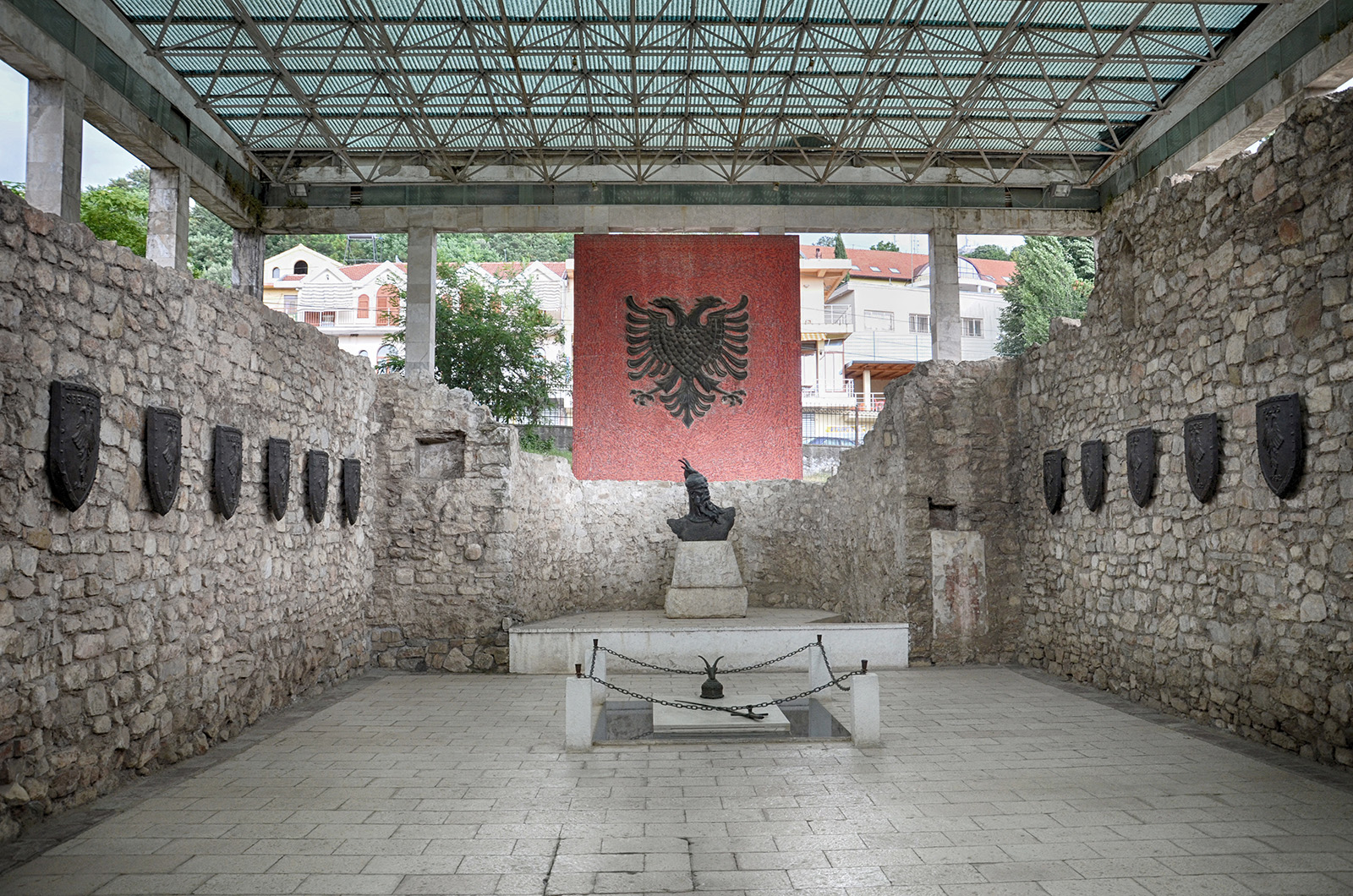 58
58Getting the income documentation story straight before applying
Because local work isn't permitted and pension income doesn't count, the whole application rests on proving that income already exists somewhere else and arrives on something resembling a schedule. Salaried remote employees usually have an easier time here than freelancers, simply because a single employer letter and a run of payslips tells a cleaner story than five invoices from five clients paid on five different timelines. That doesn't mean freelancers should abandon the case, it means they need to build it deliberately: contracts that predate the application by a meaningful stretch, bank statements that show a pattern rather than a spike, and client relationships that look ongoing rather than assembled for the occasion.
The mistake that shows up most often is timing. Someone decides to apply, realizes the income trail looks thin, and either takes on a rush project or moves a lump sum into an account right before submitting. Reviewers see staged-looking deposits constantly, and a single large transfer landing two weeks before an application reads very differently than the same amount arriving as the tail end of a year-long pattern. The fix isn't complicated but it does require patience: start pulling bank statements and invoices months before you plan to file, and if the income history has gaps, address them in writing rather than hoping nobody looks closely.
Dependents complicate this further, since income sufficient for one person rarely reads the same as income meant to support a household. If dependents are part of the application, the financial story needs to visibly account for them rather than assume the reviewer will do that math generously. None of this is exotic. It's just the difference between an application that looks like a snapshot of an actual working life and one that looks like it was built the week before the appointment.
The housing requirement and how people get it wrong
The accommodation piece trips people up less because it's hard and more because it's treated as an afterthought until the last week. A common sequence: book a short-term rental or a hotel to get through the initial arrival, plan to sort out a proper lease "once settled," then discover that renewal timing and lease timing don't line up cleanly, or that the landlord who was happy to take cash for a month has no interest in producing the kind of documentation a renewal actually needs.
Short-term platforms are convenient for landing but weak as proof of a stable residence. A lease with a named tenant, a defined term, and a landlord willing to confirm it later is worth more than a longer string of week-to-week bookings, even if the total cost is similar. If dependents are on the application, the housing document should reflect that from the start rather than getting amended after the fact, since going back to a landlord for a revised lease once someone else is already living there tends to be more friction than it should be.
Because there's no local bank account requirement, rent often gets paid in cash or via international transfer, and that's fine, but it means the lease itself has to carry more of the proof burden than it would in a place where rental payments route through a domestic account and leave their own paper trail. Worth treating the lease less like a formality and more like the one document that has to survive scrutiny on its own.
What actually happens after you land
The lightness of the entry process is real, and it's also where people get lulled into thinking the rest will be equally frictionless. There's no medical exam, no interview, no apostille step, so the arrival itself feels almost anticlimactic compared to the paperwork that got someone there. What doesn't happen next is any kind of automatic integration into local systems. Time on this visa doesn't count toward social security, there's no certificate of coverage mechanism tying it to a home-country system, and nothing about holding the visa creates a bridge into Albanian social insurance the way some programs elsewhere are designed to.
Practically, that means the burden of continuity sits entirely with the applicant for the whole stay. Health insurance has to stay active the entire time, not just at the point of application, and it needs to be the kind of coverage that would actually hold up if used, not a minimal policy bought to satisfy a checkbox. Anyone still paying into a home-country retirement or social system needs to keep doing that deliberately, because nothing here does it for them or even nudges them toward tracking it.
Local work staying off the table doesn't end once the visa is granted either. It's an ongoing condition, not a one-time gate, and the absence of a local bank account requirement or heavy in-country monitoring can create a false sense that nobody's watching. The paperwork was light going in. Staying compliant is the applicant's job the entire time after.
The long-term path, or the lack of one
This is the part people misread most often, usually because "renewable" gets mentally translated into "basically permanent." It isn't. The visa does not lead to permanent residency, and each renewal is a fresh review of the same underlying requirements rather than a step up a ladder toward something more settled. Someone who renews three or four times hasn't built equity toward staying, they've just kept the same temporary arrangement running.
For someone who wants Albania for a year or two while earning remotely, this is a non-issue. For someone quietly hoping it turns into a longer-term base without much more effort, it's worth confronting early rather than after two renewal cycles. If the plan is to stay past what feels like a natural exit point, that almost certainly requires a separate legal route entirely disconnected from this visa, and figuring out what that route looks like takes time most people don't leave themselves. The sequencing mistake is treating year three as a problem for year three. Anyone with a real intention to stay longer should be researching that separate path while the digital nomad visa is still fresh, not once the current renewal is running out and options feel narrower than they are.
The call against the obvious alternative
For a lot of people weighing Albania, the real comparison isn't another Balkan country, it's Croatia. Both get pitched to the same remote-income crowd, both have reputations for being affordable relative to Western Europe, but the decision underneath them isn't really about cost of living. It's about what you want this base to become. Croatia sits inside the EU, which changes the long-term calculus even if its own digital nomad process asks for more from applicants upfront. Albania asks for less at the door and offers less on the back end, since it stays outside that structure and the visa itself doesn't lead anywhere more permanent no matter how it's used.
If the honest plan is a year or two of lower costs while the income keeps flowing from elsewhere, and there's no real intention to build a longer European foothold, Albania's openness to every nationality and comparatively light application make it hard to beat as a landing spot. If there's a live possibility of wanting broader mobility across Europe later, or of eventually wanting a residence status that accumulates toward something, that possibility should get weighed before signing a lease in Tirana, not after the second renewal makes the sunk cost feel heavier than it is. The right call depends less on which country is "better" and more on how honestly someone can answer what they actually want in three years, which is a harder question than it sounds and one most people skip.
Work Permissions
Application Steps
- 1
Research
Verify all requirements for this visa type and country
- 2
Gather documents
Obtain all required documents (passport, financial statements, health insurance, etc.)
- 3
Complete application
Fill out the official application form
- 4
Submit application
Submit all documents to the appropriate consulate or online portal
- 5
Pay fees
Complete payment of application and visa fees
- 6
Attend interview
If required, attend any scheduled interviews
- 7
Wait for decision
Processing times vary from weeks to months
- 8
Travel and activate
Once approved, travel to the country and complete any activation requirements
This visa requires proof of health insurance. Compare international plans before you apply.
Compare health insuranceWe may earn a commission at no cost to you.
Frequently Asked Questions
Click any question to expand the answer.
Ready to Apply?
Work with trusted visa specialists who handle the paperwork so you can focus on your move.
Get help with this visa →* We may earn a commission if you apply through our link
At a Glance
Last verified: June 8, 2026