Move or Retire in Guatemala: Volcano Views and Lakefront Living on the Cheap
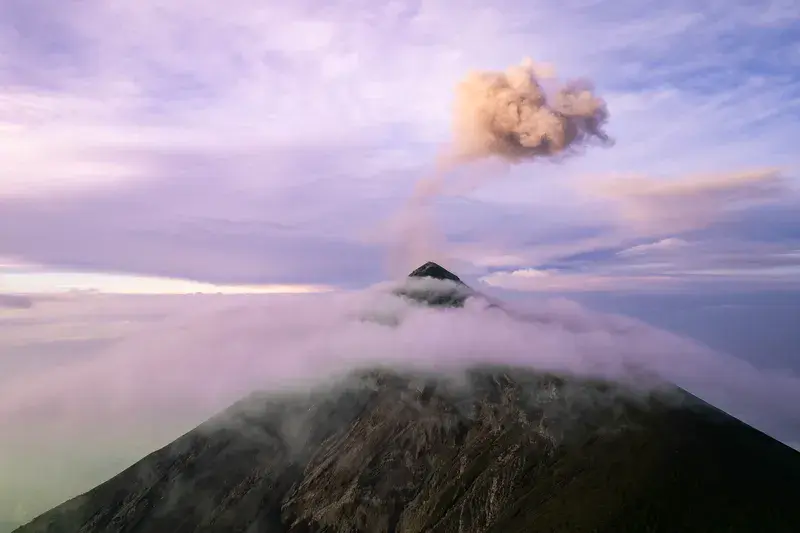
Volcano sunrises. Lakefront terraces. A life of freedom for $1,200 a month. In Guatemala, retirees and digital nomads alike are discovering the sweet spot where paradise meets practicality. One calls it retirement. The other calls it financial strategy. Both are right. Because here at Lake Atitlán, Guatemala delivers something rare: a chance to live better—for less.

Whether you're planning traditional retirement, seeking early retirement through geographic arbitrage, or simply want to live and work remotely in an exotic location, Guatemala delivers extraordinary value. With monthly living costs starting at $800 for basic comfort and topping out at $2,500 for luxury living, this Central American gem provides volcano views, colonial architecture, and spring-like weather year-round at prices that make your retirement savings stretch decades further than back home 🌋
For those pursuing FIRE (Financial Independence, Retire Early) abroad, Guatemala represents one of the most compelling destinations for geographic arbitrage, allowing you to retire earlier in 5 countries that can slash your FIRE age.
This comprehensive guide covers everything you need to know about making Guatemala your retirement destination or remote work base - from navigating visa requirements to finding the perfect lakefront community for your lifestyle and budget.
Why Guatemala Is Perfect for Retirement and Remote Living
Guatemala stands out among retirement destinations for several compelling reasons that appeal to both traditional retirees and younger professionals seeking geographic arbitrage. The country's unique combination of natural beauty, cultural richness, and affordability creates opportunities that simply don't exist elsewhere.
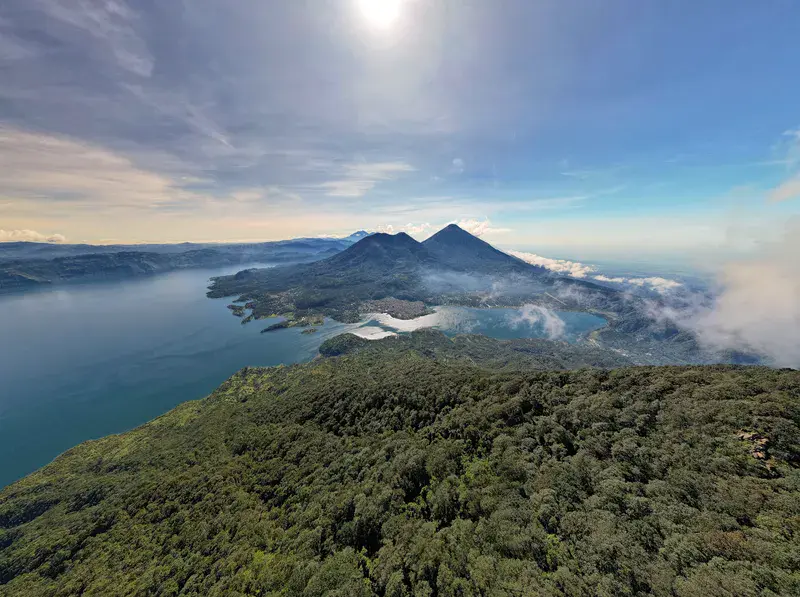
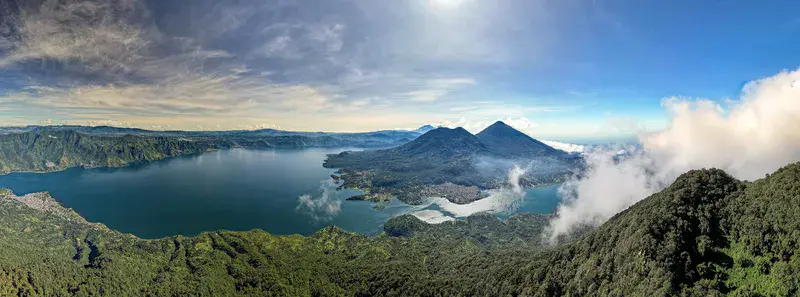
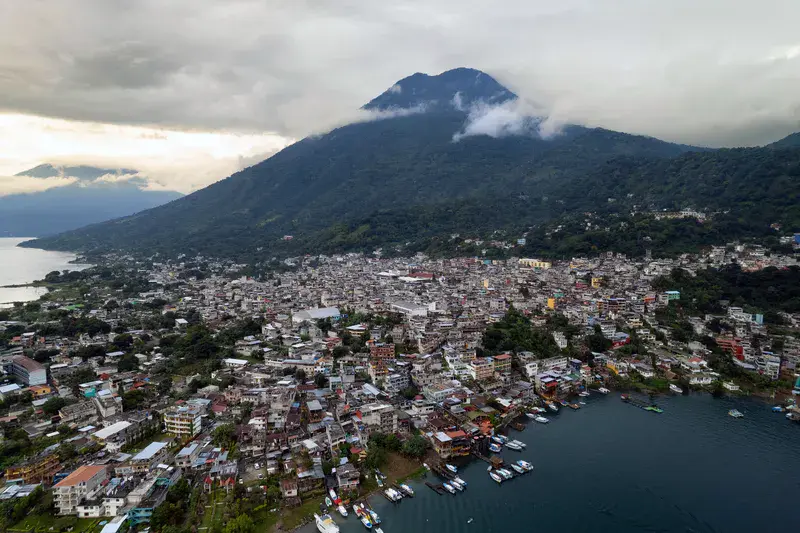
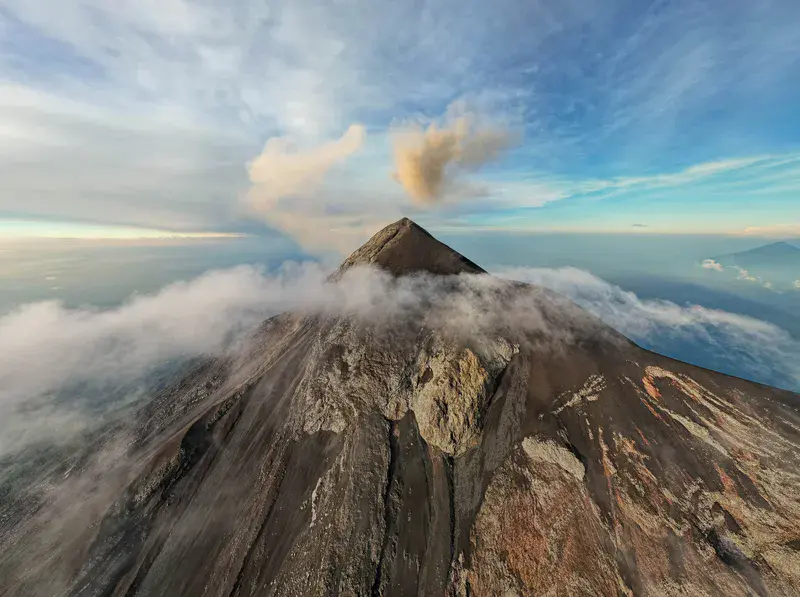
Unmatched Natural Beauty: Three massive volcanic peaks rise directly from Lake Atitlán's shores, creating what author Aldous Huxley called "the most beautiful lake in the world." This isn't marketing hyperbole - it's a daily reality for residents who wake up to views that would cost millions elsewhere.
Year-Round Spring Weather: Guatemala's highland climate maintains temperatures between 60-80°F year-round, eliminating heating and cooling costs that drain retirement budgets. The rainy season (May-October) brings afternoon showers that cool the air and keep everything lush, while the dry season offers perfect outdoor living conditions.
Incredible Cost of Living: Your dollar stretches 3-4 times further than in the US or Canada. A comfortable retirement lifestyle that might cost $4,000 monthly in Florida or Arizona can be achieved for $1,200-1,500 in Guatemala's expat-friendly regions. This makes Guatemala particularly attractive for those looking to retire abroad on $1000 a month.
Rich Cultural Heritage: Guatemala offers 23 distinct Mayan languages, vibrant indigenous markets, and colonial architecture dating back centuries. Unlike sterile expat enclaves in other countries, Guatemala provides authentic cultural immersion opportunities.
Convenient Location: Guatemala is just 2-5 hours from major US cities, making family visits affordable and convenient. No visa requirements for US/Canadian tourists means you can explore extensively before committing.
Growing Expat Infrastructure: Established communities in Antigua, Lake Atitlán, and other regions provide social networks, English-speaking services, and familiar amenities while maintaining authentic local character.
Regional Deep-Dive: Exploring Guatemala's Retirement Zones
Guatemala's diverse geography creates distinct retirement environments, each offering unique advantages for different lifestyles and budgets. Understanding these regional differences is crucial for choosing your ideal retirement location.
Lake Atitlán: The Crown Jewel of Retirement Destinations
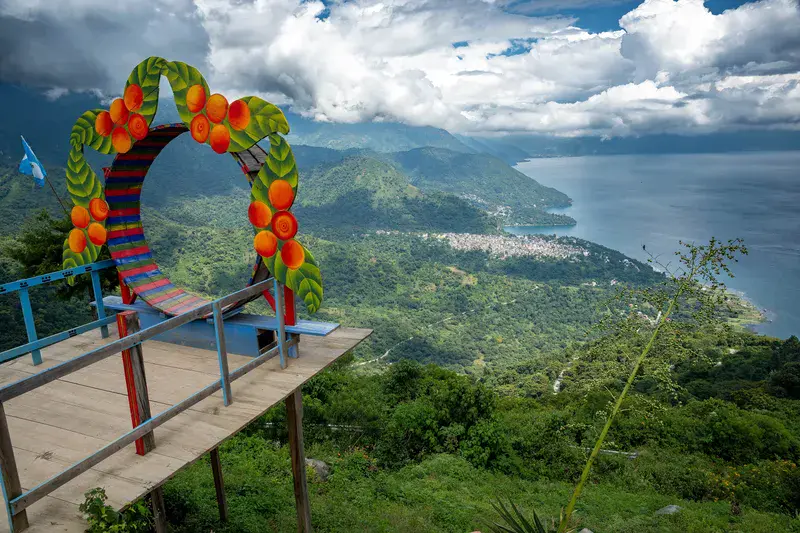
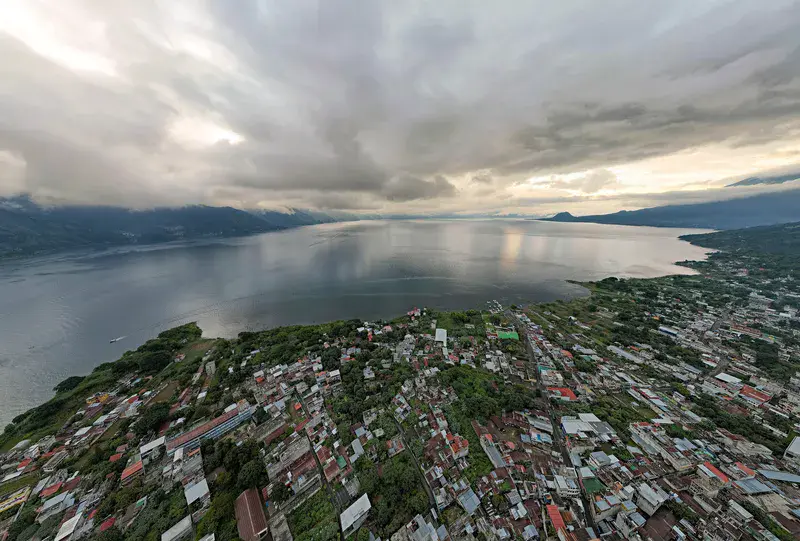
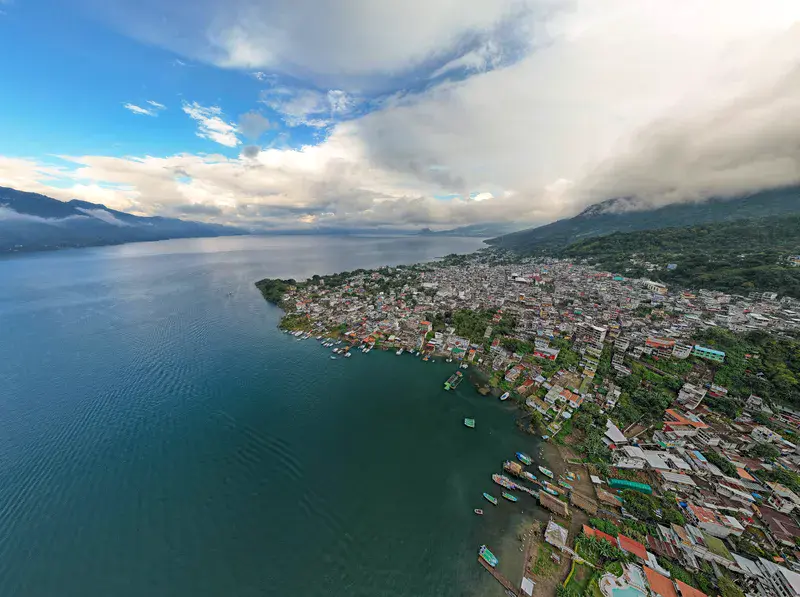
Lake Atitlán dominates Guatemala's retirement landscape, offering the perfect combination of natural beauty, established expat communities, and affordable living. The lake stretches 12 miles across, surrounded by volcanic peaks and dotted with charming villages.
Panajachel ("Pana"): The lake's expat hub provides the most amenities and services. Monthly costs range from $1,000-2,000 depending on housing choices. The town offers reliable internet (25-50 Mbps), multiple banks, pharmacies, and restaurants catering to international tastes. Panajachel serves as the transportation hub for the entire lake region.
San Pedro La Laguna: Appeals to budget-conscious retirees and digital nomads seeking a more bohemian atmosphere. Monthly costs can drop to $800-1,200. The town has developed significant infrastructure for younger expats, with coworking spaces, yoga studios, and organic restaurants. However, it tends to attract a transient crowd rather than permanent retirees.
San Marcos La Laguna: Known as the lake's spiritual center, San Marcos attracts retirees interested in wellness, meditation, and alternative lifestyles. Costs range $900-1,400 monthly. The village offers stunning sunset views, holistic health centers, and a more tranquil atmosphere than Panajachel.
Santiago Atitlán: The most authentically Mayan town on the lake, offering cultural immersion opportunities but fewer expat services. Monthly costs are the lowest at $700-1,100, but Spanish proficiency becomes more essential for daily life.
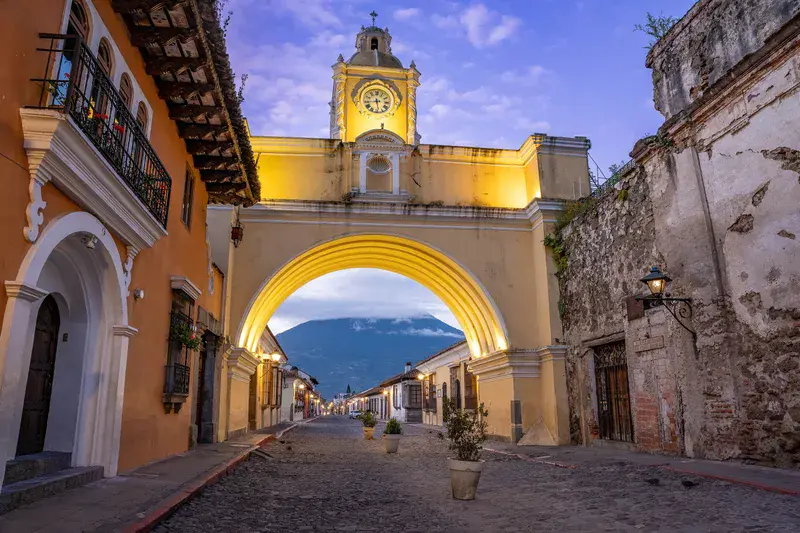
Antigua: Colonial Charm with Modern Amenities
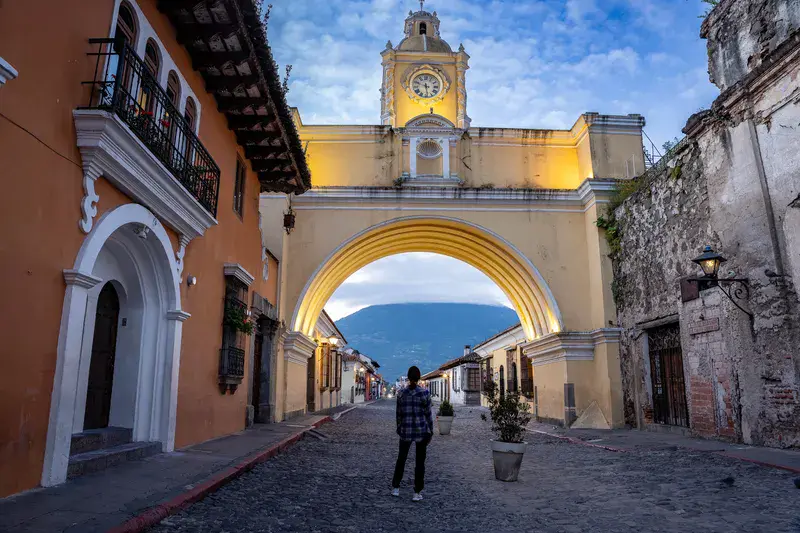
Antigua Guatemala, a UNESCO World Heritage site, combines colonial architecture with modern expat amenities. The city offers the country's most developed infrastructure while maintaining historic charm.
Cost of Living: $1,200-2,500 monthly depending on lifestyle choices. Housing ranges from $400-1,200 for comfortable options, with luxury colonial homes available for $1,500-3,000.
Infrastructure: Antigua boasts Guatemala's best internet connectivity (50-100 Mbps), reliable utilities, and extensive banking options. The city provides easy access to Guatemala City's international airport (45 minutes) and modern medical facilities.
Cultural Appeal: Cobblestone streets, baroque churches, and courtyards filled with bougainvillea create a romantic atmosphere. Weekly markets, Spanish schools, and cultural events provide engagement opportunities.
Expat Community: Antigua hosts Guatemala's most established expat community, with organizations, volunteer opportunities, and social networks that ease the transition for new residents.
Guatemala City: Urban Convenience for Working Expats
While not typically considered a retirement destination, Guatemala City's modern zones (Zones 10, 14, 15) offer urban amenities for those needing access to international business services or preferring city life.
Professional Opportunities: The capital provides the best opportunities for remote workers needing reliable internet, coworking spaces, and business services. International companies often have regional offices here.
Modern Amenities: Shopping malls, international restaurants, cultural events, and modern medical facilities rival those in any major city. However, costs approach those of mid-tier US cities.
Security Considerations: Certain zones require more security awareness than the tourist-friendly regions, though affluent areas maintain good safety standards.
Pacific Coast: Beach Living on a Budget
Guatemala's Pacific coast offers affordable beach retirement options, though infrastructure remains more basic than highland regions.
Monterrico: The main beach destination provides simple beachfront living for $600-1,200 monthly. Black sand beaches, sea turtle conservation projects, and basic tourist infrastructure create a low-key coastal lifestyle.
El Paredon: A growing surf town attracting younger expats and retirees seeking a more adventurous coastal experience. Infrastructure continues developing, with new hotels and restaurants opening regularly.
Caribbean Coast: Cultural Diversity and Tropical Climate
The Caribbean region offers a different cultural experience, with Garifuna and Afro-Caribbean influences distinct from Guatemala's highland Maya culture.
Livingston: Accessible only by boat, this isolated town offers tropical retirement living for $700-1,300 monthly. The unique cultural blend and stunning natural setting appeal to adventurous retirees, though services remain limited.

Retirement Living Costs & Financial Considerations
Understanding Guatemala's cost structure helps you plan an accurate retirement budget and choose the lifestyle level that matches your financial resources. Costs vary significantly by region and lifestyle preferences, but all options provide substantial savings compared to North American or European living expenses.
Expense Category | Budget Living | Comfortable Living | Luxury Living |
|---|---|---|---|
Housing | $250-400/month | $500-800/month | $1,200-2,500/month |
Food & Groceries | $150-250/month | $300-450/month | $600-800/month |
Healthcare | $50-100/month | $150-300/month | $400-600/month |
Transportation | $30-60/month | $100-200/month | $300-500/month |
Utilities | $60-100/month | $120-180/month | $200-300/month |
Entertainment | $100-200/month | $250-400/month | $500-800/month |
Miscellaneous | $100-150/month | $200-300/month | $400-600/month |
TOTAL | $740-1,260/month | $1,620-2,630/month | $3,600-6,100/month |
Cost Breakdown Analysis
Housing Reality: Rental costs vary dramatically by location and amenities. A basic but comfortable apartment in Panajachel runs $350-600, while a lakefront house with volcano views can cost $800-1,500. Antigua's colonial charm commands premium prices, with restored colonial homes ranging $600-2,000 monthly. Budget options exist in every region - simple local-style housing starts at $200-300 but may lack amenities expats expect.
Food Flexibility: Local markets offer incredible value - fresh produce, meats, and basics cost 60-80% less than US prices. A couple can eat well on $200 monthly shopping at markets and cooking at home. Restaurant meals range $3-8 for local cuisine, $8-15 for international options in expat areas. Those requiring imported foods or dining out frequently should budget accordingly.
Healthcare Investment: Basic healthcare costs remain extremely affordable - doctor visits run $15-30, specialists $30-60. Prescription medications cost 50-70% less than US prices. However, comprehensive private health insurance ranges $100-400 monthly depending on age and coverage. Many retirees combine basic local care with medical tourism for major procedures.
For those considering early retirement strategies, understanding these costs is crucial for achieving FIRE faster with 7 steps to financial independence. Guatemala's low costs can dramatically accelerate your path to financial independence.
Transportation Economics: Local transportation costs nearly nothing - chicken buses charge $0.25-1.00 for most journeys, tuk-tuks cost $1-3 for local trips. Many expat areas remain walkable. However, maintaining a car involves import duties, insurance, and fuel costs that can reach $300-500 monthly. Most successful expat retirees rely on local transport supplemented by occasional taxi or shuttle services.
Utility Stability: Electricity costs $40-120 monthly depending on usage and region. Internet ranges $20-60 for adequate speeds. Water costs $5-15 monthly. Propane for cooking and heating runs $10-20 monthly. While utilities remain affordable, reliability varies by location - backup power and water storage may be necessary in some areas.
Banking & Investment Considerations
Local Banking Access: International banks like BAC and Banco Industrial provide English-speaking service in expat areas. Account opening requires residency documentation, but the process remains straightforward. ATM access is widespread in tourist regions but limited in remote areas.
Currency Stability: Guatemala uses the quetzal (GTQ), which has remained relatively stable against the US dollar over the past decade. Most expat-focused businesses accept US dollars, though you'll receive change in quetzals. Exchange rates typically favor cash transactions over credit cards.
Investment Limitations: Guatemala's investment options remain limited compared to developed markets. Many retirees maintain investment accounts in their home countries while using local accounts for living expenses. Consider the tax implications of foreign accounts and investments, and review our FIRE tax optimization playbook for strategies.
Cost of Living Trends: Guatemala's costs have increased 2-4% annually in expat areas, driven partly by growing international demand. However, increases remain far below inflation rates in North America and Europe, maintaining the country's cost advantage.
Retirement Visa Options & Legal Requirements
Guatemala's visa system offers several pathways for retirees and long-term residents, each with specific requirements and benefits. Understanding these options helps you choose the most appropriate legal status for your situation.
Tourist Visa: Testing the Waters
- Duration: 90 days, renewable for additional 90 days
- Requirements: Valid passport, return ticket (may be requested)
- Cost: Free entry, $10 extension fee
- Limitations: Cannot work legally, limited to 180 days per year
The tourist visa provides an excellent opportunity to explore Guatemala extensively before committing to permanent residency. Many potential retirees spend several months in different regions, testing infrastructure, healthcare, and community fit. However, the work restrictions make this unsuitable for remote workers or those needing legal employment.
Border Run Reality: While some expats attempt to maintain tourist status through regular border runs, this practice has become increasingly scrutinized. Immigration officials may question frequent entries and deny admission to those suspected of residing illegally. Plan for proper residency if you intend to live in Guatemala long-term.
Temporary Residency: The Retirement Pathway
- Duration: 2 years, renewable
- Requirements: Proof of $1,000 monthly income or $12,000 annual income
- Processing Time: 2-4 months
- Cost: $250-400 including fees and documentation
Temporary residency serves as Guatemala's de facto retirement visa, requiring proof of sufficient income to support yourself without working. The income requirement can be met through:
- Social Security payments
- Pension distributions
- Investment income
- Bank statements showing regular deposits
Documentation Requirements:
- Police background check (FBI clearance for Americans)
- Birth certificate
- Marriage certificate (if applicable)
- Medical certificate
- Income verification documents
- All documents must be apostilled and translated
Benefits: Legal residence, ability to open bank accounts, purchase property, and import household goods duty-free (one-time benefit).
Renewal Process: After two years, you can renew temporary residency or apply for permanent residency. Renewal requires demonstrating continued income and clean legal record.
Permanent Residency: Long-Term Security
- Duration: Permanent
- Requirements: Hold temporary residency for 2 years, demonstrate ties to Guatemala
- Processing Time: 3-6 months
- Cost: $300-500
Permanent residency provides maximum security for long-term retirees, eliminating renewal requirements and providing additional benefits.
Pathway Requirements:
- Two years of temporary residency
- Demonstration of ties to Guatemala (property ownership, family connections, or community involvement)
- Clean legal record
- Continued proof of financial solvency
Benefits: Permanent legal status, work authorization, voting rights in local elections, reduced bureaucracy for banking and property transactions.
Investor Visa: Alternative Pathway
- Requirements: Investment of $50,000 or more in Guatemalan business or real estate
- Duration: Varies based on investment type
- Benefits: Fast-track residency, work authorization
The investor visa appeals to retirees purchasing significant real estate or starting businesses. However, the investment must remain active throughout the residency period.
Rentista Visa: Fixed Income Option
- Requirements: Demonstrate $2,500 monthly income from investments or fixed sources
- Duration: 2 years, renewable
- Benefits: Higher status recognition, streamlined banking
This option suits retirees with substantial investment income but requires higher income demonstration than standard temporary residency.
Legal and Professional Services
Attorney Services: Hiring a local immigration attorney costs $800-1,500 for residency applications but ensures proper documentation and reduces processing delays. Many attorneys in expat areas speak English and understand international client needs.
Document Preparation: Proper document preparation is crucial - missing apostilles or incorrect translations can delay applications by months. Budget $300-600 for document preparation services.
Government Efficiency: Immigration processing times vary seasonally and by office workload. Starting the process well before your tourist visa expires prevents legal complications.
Healthcare for Retirees
Guatemala's healthcare system offers remarkable value for retirees, combining affordable costs with quality care that often exceeds expectations. Understanding the system's structure helps you make informed decisions about your healthcare strategy.
For those planning early retirement, healthcare is often the biggest concern. Our guide on healthcare for FIRE early retirement provides detailed strategies, while this section focuses specifically on Guatemala's offerings.
Healthcare System Overview
Guatemala operates a mixed healthcare system with public facilities (IGSS), private hospitals, and international medical tourism facilities. Most expat retirees rely primarily on private healthcare, which provides excellent value compared to US or European costs.
Quality Standards: Private hospitals in Guatemala City and Antigua meet international standards, with many doctors trained in the US or Europe. Equipment and facilities in major private hospitals often exceed what's available in smaller US communities.
Language Accessibility: English-speaking doctors and staff are common in private facilities serving expat areas. Many medical professionals studied abroad and maintain excellent English proficiency.
Healthcare Option | Monthly Cost | Coverage | Best For |
|---|---|---|---|
Private Insurance | $100-400 | Comprehensive private care | Most retirees, peace of mind |
IGSS (Public) | $50-100 | Basic coverage, long waits | Legal residents, budget-conscious |
Self-Pay | Variable | Per-service payment | Healthy individuals, minor care |
International Insurance | $200-800 | Global coverage | Frequent travelers, comprehensive needs |
Private Healthcare Excellence
Hospital Guatemala and Centro Médico: These Guatemala City facilities offer world-class cardiac care, oncology, and complex procedures. Many American and Canadian retirees travel here specifically for major medical needs, combining treatment with cost savings.
Antigua Medical Services: Hospital Hermano Pedro and private clinics provide excellent routine and emergency care. The city's medical infrastructure serves both local needs and the substantial expat community.
Specialist Availability: Cardiologists, orthopedic surgeons, ophthalmologists, and other specialists practice throughout Guatemala, often with shorter wait times than North American systems. Specialist consultations typically cost $40-80.
Prescription Medications: Most medications cost 50-70% less than US prices, with many available over-the-counter that require prescriptions elsewhere. Major pharmacies like Farmacias Galeno maintain extensive inventories of international brands.
Medical Tourism Opportunities
Guatemala has emerged as a significant medical tourism destination, particularly for dental work, cosmetic surgery, and elective procedures.
Dental Excellence: World-class dental care costs 60-80% less than US prices. Complete dental makeovers that cost $20,000-30,000 in the US can be completed for $6,000-10,000 in Guatemala, often with superior ceramic work and longer appointments.
Cosmetic Surgery: Board-certified plastic surgeons in Guatemala City perform procedures at 40-60% of US costs, often in facilities that exceed US standards for luxury and personalized care.
Recovery Tourism: Many procedures can be combined with extended recovery stays in beautiful settings like Lake Atitlán or Antigua, turning medical necessity into retirement lifestyle enhancement.
Health Insurance Strategies
Local Private Insurance: Companies like Seguros El Roble offer comprehensive coverage starting around $150 monthly for retirees. These plans typically cover private hospital care, specialist visits, and prescription medications with reasonable deductibles.
International Coverage: Global insurers like Cigna Global or IMG provide worldwide coverage including evacuation services, essential for retirees maintaining homes in multiple countries. Costs range $300-800 monthly depending on age and coverage levels.
Self-Insurance Strategy: Some healthy retirees forgo insurance, budgeting $200-400 monthly for healthcare expenses while maintaining emergency funds for major procedures. This strategy works best for those with substantial savings and good health histories.
Medicare Limitations: US Medicare doesn't cover care in Guatemala, making supplemental coverage essential for American retirees. Some Medicare Advantage plans offer limited international emergency coverage. For more detailed information, see our comparison of Medicare vs international health insurance.
Chronic Condition Management
Diabetes Care: Insulin and testing supplies cost significantly less than US prices, with excellent endocrinologists available in major cities. Many retirees find their diabetes management improves with Guatemala's fresh food availability and active outdoor lifestyle.
Heart Disease: Cardiology care exceeds many US small-town options, with modern catheterization labs and cardiac surgeons in Guatemala City. Prescription medications for heart conditions cost 40-70% less than US prices.
Cancer Treatment: While Guatemala offers quality oncology care, complex cancer treatment may require coordination with US or European facilities. Many retirees maintain international insurance specifically for catastrophic care needs.
Emergency Services and Medical Evacuation
Local Emergency Care: Private hospitals provide excellent emergency services, often with shorter wait times than busy US emergency rooms. Emergency room visits typically cost $100-300 compared to thousands in the US.
Medical Evacuation: Services like Global Rescue or SkyMed provide helicopter and jet evacuation to US hospitals for $200-500 annually. These services prove invaluable for retirees living in remote areas or those with complex medical needs.
Ambulance Services: Private ambulance services operate in major cities and tourist areas, though response times may be longer in remote locations. Many expat communities organize informal medical emergency support networks.
Infrastructure & Daily Living Realities
Understanding Guatemala's infrastructure realities helps set appropriate expectations and plan for daily living needs. While infrastructure continues improving, especially in expat areas, significant variations exist between regions.
Internet and Communications
Urban Connectivity: Guatemala City, Antigua, and major Lake Atitlán towns offer reliable internet with speeds of 25-100 Mbps. Fiber optic networks continue expanding, particularly in areas with significant expat populations.
Rural Challenges: Remote areas may rely on cellular data connections with speeds of 5-15 Mbps and potential reliability issues during heavy rains. Satellite internet options exist but cost significantly more.
Business Connectivity: Coworking spaces in Antigua and Lake Atitlán provide reliable high-speed internet for remote workers, typically charging $5-15 daily or $50-150 monthly for membership.
Mobile Services: Tigo and Claro provide good cellular coverage in populated areas. Prepaid plans cost $15-40 monthly for adequate data allowances. WhatsApp calling has largely replaced traditional international calling.
Backup Solutions: Many expat residents maintain multiple internet connections - primary broadband plus cellular backup - to ensure connectivity for important communications or work requirements.
Transportation Networks
Inter-City Transport: Guatemala's bus system connects all major destinations affordably, though comfort levels vary dramatically. First-class buses on major routes offer air conditioning and assigned seating for $5-15 per journey.
Local Transportation: "Chicken buses" (converted school buses) provide colorful, extremely affordable local transport. Tuk-tuks, taxis, and ride-sharing services operate in tourist areas with reasonable rates.
Road Conditions: Major highways receive regular maintenance, but secondary roads can become challenging during the rainy season. Many expat areas remain accessible year-round, though some remote locations may experience temporary isolation.
Airport Access: Guatemala City's La Aurora International Airport connects to major US cities with multiple daily flights. Ground transportation to expat areas ranges from shuttle services ($20-40) to private transfers ($60-120).
Vehicle Ownership: Importing a vehicle involves significant bureaucracy and costs, including 30-50% import duties. Many retirees find local transportation adequate for daily needs while renting vehicles for longer trips.
Utilities and Services
Utility | Average Cost | Reliability | Notes |
|---|---|---|---|
Electricity | $60-150/month | 90-95% uptime | LED lighting reduces costs significantly |
Internet | $30-80/month | Good in expat areas | Fiber expanding rapidly |
Water | $10-30/month | Variable quality | Filtration systems recommended |
Propane | $15-25/month | Widely available | Used for cooking and hot water |
Garbage | $5-15/month | Regular pickup in most areas | Recycling programs limited |
Power Grid Stability: Guatemala's electrical grid has improved significantly, with most expat areas experiencing minimal outages. However, backup power (UPS systems or generators) proves valuable during storm seasons.
Water Systems: Municipal water quality varies by location. Most expats install filtration systems costing $200-800 or rely on bottled water delivery services. Hot water heating typically uses propane or electric systems.
Waste Management: Garbage collection operates reliably in most expat communities. Recycling programs remain limited, though some areas have informal recycling networks.
Banking and Financial Services
International Banks: BAC Credomatic, Banco Industrial, and Banrural offer services in expat areas with English-speaking staff. Account opening requires residency documentation but proceeds smoothly once requirements are met.
ATM Networks: ATMs are widely available in tourist and expat areas, typically charging $3-5 per transaction for foreign cards. Daily withdrawal limits range $200-500 depending on the bank.
Money Transfer: Services like Western Union, MoneyGram, and Remitly operate throughout Guatemala. Online transfer services often provide better exchange rates than traditional money transfer companies.
Credit and Financing: Local credit remains difficult for new expat residents. Most major purchases require cash or financing from home countries. Building local credit history takes 2-3 years of consistent banking relationships.
Shopping and Consumer Services
Supermarkets: Paiz, La Torre, and other modern supermarket chains stock international products, though at premium prices. Local markets offer fresh produce, meats, and staples at excellent prices.
Import Goods: Many US and European products are available but cost 50-100% more than home country prices. Amazon and other international retailers ship to Guatemala, though customs duties and delays are common.
Home Services: Cleaning services cost $15-30 per day, gardening $20-40 per day, and handyman services $20-50 per day. These services often provide better value than attempting DIY maintenance.
Shipping and Mail: International shipping through DHL, FedEx, or UPS costs significantly more than domestic services. Postal service reliability varies, with private mailbox services recommended for important correspondence.
Cultural Integration & Language
Successfully integrating into Guatemalan culture while maintaining your retirement lifestyle requires understanding local customs, learning basic Spanish, and finding the right balance between expat and local communities.
Language Learning Opportunities
Spanish Schools: Antigua hosts Guatemala's most famous Spanish schools, with intensive programs costing $150-300 per week including homestays. Many schools cater specifically to retirees and professionals, offering flexible scheduling and cultural immersion activities.
Language Exchange Programs: Lake Atitlán communities organize informal Spanish-English exchange meetings where retirees can practice Spanish while helping locals with English. These programs provide cultural insights beyond traditional classroom learning.
Practical Spanish Needs: Basic Spanish proficiency dramatically improves daily life quality. Essential areas include medical terminology, banking vocabulary, household management, and emergency communication. Most successful retirees achieve conversational ability within 6-12 months of focused study.
Indigenous Languages: Guatemala's 23 Maya languages add cultural richness but aren't necessary for expat daily life. However, learning basic K'iche' or Kaqchikel phrases in Maya-majority areas shows cultural respect and often elicits warm responses from indigenous communities.
Cultural Adaptation Strategies
Social Hierarchies: Guatemalan society maintains traditional respect for age and authority, which often works to retirees' advantage. Showing respect for local customs and leaders facilitates acceptance in new communities.
Religious Integration: Guatemala remains deeply Catholic with growing evangelical Protestant populations. Participating in religious activities, even for non-religious retirees, provides community connections and cultural understanding.
Market Culture: Learning to navigate local markets requires cultural skills beyond language - understanding bargaining customs, building relationships with vendors, and appreciating the social aspects of daily shopping.
Time Concepts: "Guatemalan time" operates more flexibly than North American schedules. Adapting to this relaxed approach to punctuality reduces stress and improves social integration, though business appointments generally maintain stricter timing.
Building Community Connections
Expat Organizations: Established groups like the Lake Atitlán Expat Community and Antigua Guatemala Expat Association provide social networks, practical advice, and volunteer opportunities. These organizations often become central to retirees' social lives.
Volunteer Opportunities: Guatemala offers numerous volunteer opportunities through organizations working in education, healthcare, animal welfare, and community development. Volunteering provides purposeful retirement activities while building local connections.
Cultural Events: Participating in local festivals, religious celebrations, and community events demonstrates respect for Guatemalan culture while providing entertainment and social opportunities. Events like Antigua's Semana Santa (Easter Week) offer spectacular cultural experiences.
Professional Networks: For those maintaining business interests or consulting work, professional organizations and business groups in Guatemala City provide networking opportunities and help maintain career connections.
Managing Cultural Challenges
Machismo Culture: Traditional gender roles remain stronger in Guatemala than in North America or Europe. Female retirees may need to navigate different social expectations, though expat areas tend to be more progressive.
Economic Disparities: The wealth gap between expats and many locals can create uncomfortable social dynamics. Successful integration requires sensitivity to economic differences while finding authentic ways to contribute to local communities.
Bureaucratic Patience: Government offices, banks, and service providers often operate with different efficiency expectations than expats are accustomed to. Developing patience with bureaucratic processes reduces stress and improves outcomes.
Safety Awareness: While expat areas remain relatively safe, different security awareness is necessary compared to typical North American retirement communities. Understanding local safety practices and building trusted local relationships improves personal security.
Family and Social Relationships
Visiting Family: Guatemala's proximity to North America makes family visits practical and affordable. Planning guest accommodations and activities helps maintain family connections while sharing your new lifestyle.
Dating and Relationships: The expat community provides opportunities for new relationships, while cross-cultural dating requires understanding different relationship expectations and cultural norms.
Pet Ownership: Many retirees bring pets or adopt locally. Understanding local veterinary care, pet travel requirements, and cultural attitudes toward animals helps ensure proper pet care. For detailed guidance, see our comprehensive guide on retiring abroad with pets.
Social Media Connections: Facebook groups for specific expat communities provide practical advice, social planning, and emergency coordination. These online communities often prove as valuable as in-person relationships.
Housing Options for Retirees
Guatemala's housing market offers exceptional value across all price ranges, from basic local-style homes to luxury properties with stunning views. Understanding the market helps you find accommodations matching your lifestyle needs and budget constraints.
Rental Market Analysis
Lake Atitlán Rentals: Properties range from simple local houses ($200-400) to luxury lakefront homes ($1,000-2,500). Most desirable properties include gardens, volcano views, and proximity to expat amenities. Rental agreements often include utilities and gardening services.
Antigua Colonial Charm: Historic colonial homes rent for $600-2,000 monthly, often featuring courtyards, thick stone walls, and authentic architectural details. Many include maid service and gardening, though heating costs can be significant during cool seasons.
Guatemala City Modern Living: Contemporary apartments in safe zones rent for $800-2,500, offering modern amenities, security, and urban convenience. These properties appeal to retirees maintaining business interests or preferring city lifestyle.
Coastal Options: Beach properties cost $300-1,200 monthly but often lack amenities expats expect. Infrastructure limitations and distance from medical facilities make coastal living more suitable for adventurous retirees.
Property Purchase Considerations
Legal Framework: Foreigners can purchase property freely in Guatemala, though using a qualified attorney is essential. Property rights are generally well-protected, and the registration system has modernized significantly.
Market Pricing: Real estate prices have increased in expat areas but remain extremely affordable by international standards. Lakefront properties that might cost millions in North America or Europe can be purchased for $150,000-500,000 in Guatemala.
Property Types: Options range from simple concrete homes ($20,000-60,000) to luxury estates ($200,000-800,000). Many properties include guest houses, gardens, and staff quarters that provide rental income potential.
Investment Considerations: Property values in established expat areas have shown steady appreciation, though liquidity can be limited. Many retirees view property purchase as lifestyle investment rather than financial speculation.
Regional Housing Characteristics
Region | Typical Features | Price Range | Best For |
|---|---|---|---|
Lake Atitlán | Gardens, volcano views, traditional architecture | $150-500K | Scenic retirement, community life |
Antigua | Colonial architecture, courtyards, historic charm | $200-800K | Cultural immersion, walking lifestyle |
Guatemala City | Modern apartments, security, urban amenities | $100-400K | Business needs, modern convenience |
Pacific Coast | Beach access, simple construction, limited services | $50-200K | Budget retirement, coastal living |
Property Management and Maintenance
Caretaker Services: Most successful expat property owners employ local caretakers who provide security, basic maintenance, and garden care for $200-500 monthly. These relationships often become valuable sources of local knowledge and cultural connection.
Maintenance Reality: Guatemala's climate requires constant attention to moisture control, pest management, and vegetation growth. Properties need more frequent painting, waterproofing, and repairs than homes in drier climates.
Utility Connections: Establishing electricity, water, and internet services can take weeks or months, especially for new construction. Many properties include these connections, but transfer processes require patience and local knowledge.
Security Considerations: Most expat properties include security features like gated compounds, window bars, or security systems. Understanding local security norms helps maintain appropriate protection without becoming fortress-like.
Construction and Renovation
Local Contractors: Quality construction services are available at excellent prices, though project management requires active oversight. Successful projects typically involve trusted local contractors with expat references and clear communication processes.
Building Codes: Construction standards and code enforcement vary significantly by municipality. Using licensed contractors and following proper permitting processes prevents future legal complications.
Material Costs: Local materials offer excellent value, while imported materials cost significantly more. Many successful renovation projects blend local materials with selected imported fixtures or appliances.
Timeline Expectations: Construction and renovation projects typically take 50-100% longer than initial estimates due to weather, material availability, and cultural differences in project management. Planning extra time and budget prevents frustration.
Housing for Different Retirement Styles
Traditional Retirees: Single-story homes with gardens, proximity to medical facilities, and established expat communities provide comfort and security. These properties typically cost $200,000-400,000 and include services that reduce maintenance burdens.
Active Retirees: Properties near outdoor activities, hiking trails, and water sports offer adventure opportunities. Lake Atitlán's volcanic hiking and water activities make it ideal for active lifestyles.
Budget-Conscious Retirees: Simple but comfortable homes in authentic Guatemalan neighborhoods provide cultural immersion at $50,000-150,000. These properties require more cultural adaptation but offer genuine local experiences.
Luxury Seekers: High-end properties with staff, extensive gardens, and premium amenities range $400,000-1,000,000. These estates often include guest facilities for visiting family and friends.
Tax Implications for US Expat Retirees
Understanding the tax implications of retiring in Guatemala is crucial for proper financial planning and compliance with both US and Guatemalan tax obligations. The complexity requires careful planning and often professional assistance.
US Tax Obligations Abroad
Citizenship-Based Taxation: US citizens remain subject to US tax obligations regardless of residence location. This includes income taxes, estate taxes, and various reporting requirements that continue throughout retirement abroad.
Foreign Earned Income Exclusion (FEIE): While primarily designed for working expats, the FEIE can apply to some retirement income. However, most retirement income (pensions, Social Security, investment income) doesn't qualify for this exclusion.
Foreign Tax Credit: Income taxes paid to Guatemala can often be credited against US tax obligations, though Guatemala's lower tax rates may not fully offset US taxes. For comprehensive strategies, review our detailed retire abroad tax guide for US expats.
FBAR and FATCA Reporting: US citizens must report foreign bank accounts exceeding $10,000 aggregate balance through FBAR (FinCEN Form 114). FATCA reporting (Form 8938) may also apply for substantial foreign assets.
Guatemalan Tax Obligations
Residency-Based Taxation: Guatemala taxes residents on worldwide income, though enforcement for foreign-source retirement income remains limited. Tax residency typically begins after 183 days annual presence.
Income Tax Rates: Guatemala's income tax rates range from 5-7% for most income levels relevant to retirees. However, specific retirement income categories may receive favorable treatment.
Property Taxes: Real estate taxes remain extremely low - typically $200-800 annually for most expat properties. These taxes support local municipal services.
Value Added Tax (IVA): Guatemala's 12% VAT applies to most goods and services but doesn't significantly impact retirement budgets compared to total savings achieved through geographic arbitrage.
Strategic Tax Planning
Residency Management: Some retirees maintain tax residency in low-tax US states while spending extended time in Guatemala. This strategy requires careful documentation of time spent and residency intentions.
Income Timing: Retirees have some flexibility in timing pension distributions, Roth conversions, and other income recognition to optimize tax efficiency across both countries.
Estate Planning: International estate planning becomes complex with foreign residency and property ownership. Professional guidance helps structure assets for optimal tax treatment and inheritance planning.
Professional Services: Tax preparation for expat retirees requires specialized knowledge. Costs range $800-2,500 annually for professional services, but proper planning often saves multiples of this cost.
Safety and Security Considerations
Guatemala's security situation varies dramatically by location, with expat areas generally maintaining good safety records while requiring different awareness levels than typical North American communities.
Regional Security Assessment
Tourist and Expat Areas: Antigua, Lake Atitlán's main towns, and established expat communities maintain relatively good security through tourism police, community watch programs, and economic incentives for local safety.
Guatemala City: Security varies dramatically by zone. Wealthy areas (Zones 10, 14, 15) maintain good safety with private security, while other areas require significant caution. Most expat retirees avoid problematic areas entirely.
Rural and Remote Areas: Security decreases in isolated locations, though violent crime targeting foreigners remains uncommon. Property crimes and petty theft pose the primary risks.
Border Regions: Areas near Mexican and Honduran borders experience higher crime rates due to drug trafficking routes. Most expat communities are well removed from these problematic zones.
Practical Security Measures
Home Security: Most expat properties include basic security features - walls, gates, window bars, and often security systems or guards. These measures provide protection without creating fortress-like living conditions.
Transportation Security: Using reputable taxi services, avoiding night travel on rural roads, and maintaining awareness during public transportation reduce risks significantly. Many expat communities organize group transportation for longer journeys.
Personal Safety: Basic precautions include avoiding flashy jewelry, keeping cash minimal, and staying aware of surroundings. Most expat retirees adapt quickly to appropriate security consciousness without paranoia.
Emergency Preparedness: Expat communities typically maintain informal communication networks for emergencies. Having local emergency contacts, understanding evacuation routes, and maintaining emergency supplies proves valuable. For comprehensive guidance, see our retire abroad emergency preparedness guide.
Community Safety Networks
Expat Communication: WhatsApp groups, Facebook communities, and informal networks provide real-time security information, emergency coordination, and mutual support among expat residents.
Local Relationships: Building positive relationships with Guatemalan neighbors, employees, and service providers creates natural security networks and local knowledge sources.
Tourism Police: Specialized units in Antigua and Lake Atitlán provide English-speaking law enforcement familiar with expat needs and concerns.
Embassy Services: US and Canadian embassies provide citizen services, emergency assistance, and security updates for their nationals living in Guatemala.
Comparing Guatemala to Other Retirement Destinations
Understanding how Guatemala compares to other popular expat retirement destinations helps validate your decision and set realistic expectations.
Central American Neighbors
Costa Rica: Higher costs ($2,000-3,500 monthly), better infrastructure, more developed expat services, but significantly more expensive and crowded. Guatemala offers authentic culture and lower costs, while Costa Rica provides more familiar amenities.
Belize: English-speaking advantage, similar costs to Guatemala, but limited cultural depth and smaller expat communities. Hurricane risk and limited healthcare are additional considerations.
Panama: Excellent retiree benefits program, modern infrastructure in Panama City, but higher costs approaching $2,500-4,000 monthly in desirable areas. Guatemala provides better cultural immersion and lower costs.
Global Retirement Destinations
For broader context, consider our comprehensive comparison of the best countries to retire abroad with rankings and specific regional comparisons:
Mexico: Larger expat communities, better infrastructure, similar costs, but overcrowded popular areas and increasing prices. Guatemala offers more authentic experiences with fewer crowds.
Ecuador: Similar costs and climate, established expat infrastructure, but economic instability and complex bureaucracy. Both countries offer excellent value, though Guatemala provides better political stability.
European Options: For those considering Europe, see our detailed comparisons of Portugal vs Spain and France vs Germany. European destinations offer excellent healthcare and infrastructure but at significantly higher costs.
Southeast Asian Alternatives: Countries like Thailand and Vietnam offer excellent value and established expat communities. For detailed analysis, see our Vietnam vs Thailand living costs and lifestyle comparison. However, Guatemala's proximity to North America and lack of visa complications provide advantages for many retirees.
Guatemala's Unique Advantages
Geographic Proximity: 2-5 hour flights to major US cities enable regular family visits and emergency travel at reasonable costs. This proximity proves invaluable for maintaining family relationships and handling unexpected situations.
Cultural Authenticity: Unlike heavily developed expat destinations, Guatemala maintains authentic local culture while providing necessary amenities and services.
Cost Stability: While popular retirement destinations experience rapid price inflation as expat populations grow, Guatemala's diverse geography and emerging status provide cost stability.
Year-Round Climate: Highland locations offer perfect weather elimination heating and cooling costs that burden retirees in seasonal climates.
Making the Transition: Practical Steps
Successfully transitioning to retirement in Guatemala requires careful planning, realistic expectations, and systematic preparation. This step-by-step approach helps ensure a smooth transition.
Phase 1: Research and Exploration (6-12 months before moving)
Initial Planning: Start with thorough research of different regions, cost analysis, and legal requirements. Consider your priorities - community, healthcare, activities, budget - and how Guatemala addresses each need.
Exploratory Visits: Plan extended visits to different regions during both dry and rainy seasons. Spend at least 2-4 weeks in potential locations, living as normally as possible rather than as a tourist.
Financial Preparation: Analyze your retirement income, healthcare needs, and budget requirements. Consider how geographic arbitrage affects your financial independence timeline with resources like our 4 percent rule 2025 research updates.
Healthcare Planning: Research local healthcare options, insurance requirements, and evacuation coverage. Schedule comprehensive medical and dental checkups before relocating.
Phase 2: Legal and Administrative Preparation (3-6 months before moving)
Document Gathering: Begin apostilling required documents for visa applications. This process can take several weeks, so start early to avoid delays.
Banking Relationships: Establish relationships with international banks, understand foreign account reporting requirements, and plan money transfer strategies.
Tax Planning: Consult with tax professionals familiar with expat issues. Understand reporting requirements and optimize tax strategies for international living.
Insurance Coordination: Research international health insurance, consider property insurance needs, and understand coverage limitations and benefits.
Phase 3: Housing and Community Integration (1-3 months before moving)
Housing Search: Begin serious housing searches through expat networks, local real estate agents, and online resources. Consider both rental and purchase options based on your commitment level.
Community Connections: Join online expat groups, attend virtual community meetings, and begin building relationships before arrival.
Language Preparation: Begin or intensify Spanish learning with focus on practical vocabulary for banking, healthcare, housing, and daily needs.
Logistical Planning: Research shipping options for household goods, understand customs procedures, and plan initial setup requirements.
Phase 4: Initial Settlement (First 3-6 months)
Temporary Accommodation: Plan initial housing that allows flexibility while you explore neighborhoods and communities more thoroughly.
Legal Status: Begin residency application processes immediately upon arrival. Tourist status provides limited time for legal transition.
Banking and Finance: Open local bank accounts, establish money transfer routines, and verify international access to home country accounts.
Healthcare Establishment: Register with local doctors, fill prescriptions, and establish emergency medical contacts and procedures.
Community Integration: Attend expat meetups, explore volunteer opportunities, and begin building local social networks beyond initial expat contacts.
Phase 5: Long-Term Establishment (6-18 months)
Permanent Housing: Make longer-term housing decisions based on actual living experience rather than initial impressions.
Legal Completion: Complete residency processes and understand renewal requirements and long-term legal obligations.
Financial Optimization: Refine money management, tax strategies, and investment approaches based on actual living experience and costs.
Cultural Integration: Deepen language skills, expand social networks beyond expat communities, and establish meaningful local relationships and activities.
Special Considerations for Different Retiree Profiles
Different retirement situations require customized approaches to successfully living in Guatemala. Understanding these variations helps optimize your experience.
Early Retirees and FIRE Practitioners
For those who achieved FIRE after 50 with an accelerated strategy or even FIRE in their 40s with early retirement abroad, Guatemala offers exceptional opportunities for geographic arbitrage.
Bridge Healthcare: Early retirees need comprehensive health insurance until Medicare eligibility. Guatemala's affordable care combined with international insurance provides cost-effective solutions.
Activity Planning: Younger retirees often need more structured activities and purpose. Guatemala's volunteer opportunities, business possibilities, and outdoor activities address these needs.
Social Considerations: Building relationships with both traditional retirees and local professionals helps create diverse social networks appropriate for younger retirees.
Income Management: Early retirees often rely on investment income rather than pensions. Understanding tax implications and withdrawal strategies in an international context requires specialized planning.
Traditional Retirees (65+)
Medicare Coordination: Traditional retirees must understand Medicare limitations abroad and plan supplemental coverage appropriately.
Social Security Optimization: Understanding how foreign residence affects Social Security benefits, particularly for those affected by WEP and GPO provisions, is crucial.
Healthcare Priorities: Older retirees often prioritize healthcare access and quality over adventure and cost savings. Guatemala's excellent private healthcare addresses these needs.
Community Establishment: Traditional retirees benefit from established expat communities that provide social networks and practical support systems.
Couples vs. Singles
Couples' Advantages: Shared housing costs, mutual support for cultural adaptation, and combined social networks ease the transition. See our insights on couples achieving FIRE abroad over 8 years.
Singles' Considerations: Solo retirees need stronger community connections and may prefer areas with established expat populations for social opportunities.
Dating and Relationships: Single retirees should understand cultural differences in dating and relationship expectations, particularly regarding cross-cultural relationships.
Remote Workers and Digital Nomads
For those maintaining income through remote work, Guatemala offers excellent opportunities, though specific considerations apply.
Internet Reliability: Choose locations with robust internet infrastructure. Backup connections and power systems become essential for work continuity.
Tax Complications: Remote workers face complex tax situations involving income sourcing, foreign earned income exclusions, and potential Guatemalan tax obligations.
Work-Life Balance: The beautiful environment and low costs can make it challenging to maintain productivity. Establishing routines and boundaries proves essential.
Visa Considerations: Tourist visas don't permit legal employment. Remote workers typically need temporary residency to maintain legal status while working.
Financial Planning and Investment Strategies
Living in Guatemala while maintaining US financial obligations requires sophisticated planning and understanding of cross-border financial management.
Investment Management from Abroad
Account Access: Maintain US brokerage and investment accounts, though some firms restrict services to overseas residents. Research your current providers' international policies before relocating.
Asset Allocation: Geographic diversification becomes even more important when living abroad. Consider how currency fluctuations and political risks affect your portfolio.
Tax-Advantaged Accounts: Understand how foreign residence affects IRA distributions, Roth conversions, and other tax-advantaged account strategies.
Professional Management: Consider whether self-directed investing remains practical from abroad or if professional management becomes more valuable.
Currency and Exchange Rate Management
Multi-Currency Strategy: Many expat retirees maintain accounts in both US dollars and local currency to manage exchange rate risk and local expense convenience.
Exchange Rate Timing: Large currency exchanges for property purchases or major expenses can be optimized through timing and professional currency services.
Automated Systems: Set up systematic money transfers to manage monthly expenses while minimizing transaction costs and exchange rate risks.
Emergency Fund Considerations
Living abroad requires enhanced emergency fund planning beyond traditional recommendations.
Key Guatemala-specific considerations include:
Multiple Currency Holdings: Maintain emergency funds in both US dollars and quetzals for different types of emergencies.
Accessibility: Ensure emergency funds are accessible within 24-48 hours through multiple channels - US accounts, local accounts, and credit facilities.
Medical Emergencies: Plan for potential medical evacuation costs and international healthcare expenses not covered by insurance.
Family Emergencies: Budget for unexpected travel to home countries for family emergencies or extended stays for family care.
Ready to Rewire your Life?
Sign up to receive updates and insights.
By submitting your email address, you will receive a free subscription to RA Postcards and special offers from Rewire Abroad and our affiliates. You can unsubscribe at any time, and we encourage you to read more about our Privacy Policy.
Technology and Connectivity Solutions
Modern retirement requires reliable technology infrastructure, particularly for maintaining connections with family, managing finances, and accessing entertainment.
Internet and Communications Setup
Primary Connections: Most expat areas offer fiber or cable internet with 25-100 Mbps speeds sufficient for video calling, streaming, and general use.
Backup Systems: Cellular data plans provide essential backup connectivity. Consider multiple providers to ensure redundancy during outages.
Voice over IP: Services like Skype, WhatsApp, and Google Voice provide affordable international calling and can maintain US phone numbers abroad.
Video Calling: Reliable internet enables regular video calls with family, virtual medical consultations, and online social activities.
Entertainment and Media Access
Streaming Services: Most US streaming services work in Guatemala, though content libraries may differ. VPN services can address geographic restrictions.
Satellite TV: DirecTV and other providers offer US programming packages, though costs are significant compared to streaming alternatives.
Internet Radio and Podcasts: High-speed internet enables access to US radio stations, podcasts, and audio content without geographic restrictions.
Reading and Books: Kindle, audiobooks, and digital magazines provide access to English-language content without shipping delays or customs issues.
Financial Technology
Online Banking: Maintain full online access to US accounts while establishing local banking relationships for daily expenses.
Investment Apps: Most US investment platforms work internationally, enabling portfolio management and trading from abroad.
Digital Payments: Services like PayPal, Apple Pay, and digital wallets facilitate international transactions and local payments.
Tax Software: Expat-specific tax software helps manage complex international tax requirements without requiring expensive professional services for simple returns.
Building Your Retirement Community Network
Successful retirement in Guatemala depends heavily on building strong social networks that provide friendship, practical support, and emergency assistance.
Expat Community Integration
Established Organizations: Join groups like the Lake Atitlán Expat Community, Antigua's expat associations, and region-specific Facebook groups before arriving.
Regular Activities: Participate in weekly meetups, monthly dinners, seasonal celebrations, and volunteer projects that create ongoing social connections.
Skill Sharing: Many expat communities organize skill-sharing groups where retirees teach languages, crafts, technology, or professional skills to each other.
Support Networks: Established expat communities provide practical support for newcomers - airport pickups, housing searches, medical referrals, and bureaucratic navigation.
Local Community Relationships
Language Exchange: Participate in Spanish-English exchange programs that benefit both expats and locals while building cross-cultural friendships.
Cultural Events: Attend local festivals, religious celebrations, and community gatherings to demonstrate respect for Guatemalan culture and build local connections.
Employment Relationships: Hiring local help for cleaning, gardening, maintenance, and other services creates ongoing relationships while supporting the local economy.
Volunteer Work: Contributing to local schools, healthcare clinics, animal welfare organizations, or community development projects builds meaningful relationships while making positive impacts.
Professional and Business Networks
Business Communities: Guatemala City hosts international business organizations and networking groups for those maintaining professional interests.
Consulting Opportunities: Many expat retirees find part-time consulting or teaching opportunities that provide income, purpose, and professional relationships.
Entrepreneurship: Guatemala's growing economy provides opportunities for small businesses serving expat or local communities, though visa requirements and regulations must be understood.
Investment Clubs: Some expat communities organize investment clubs for shared learning and social interaction around financial topics.
Conclusion: Your Path to Guatemala Paradise
Guatemala offers a unique combination of natural beauty, cultural richness, and financial practicality that makes it an exceptional retirement destination. Whether you're seeking traditional retirement comfort, early retirement through geographic arbitrage, or a base for continued remote work, Guatemala provides the infrastructure, community, and lifestyle to support your goals.
The key to successful retirement in Guatemala lies in realistic expectations, thorough preparation, and gradual integration into both expat and local communities. The country rewards those who approach it with cultural sensitivity, patience for bureaucratic processes, and openness to new experiences.
Financial Benefits: With living costs 60-75% below North American levels, Guatemala enables retirement lifestyles that would be unaffordable in home countries. The savings extend retirement funds significantly while often improving quality of life through better weather, less stress, and more engaging daily experiences.
Lifestyle Advantages: Year-round perfect weather, stunning natural beauty, rich cultural experiences, and proximity to family in North America create lifestyle benefits that extend far beyond financial savings. Many retirees find Guatemala provides adventure and purpose that traditional retirement communities cannot match.
Community Support: Established expat communities provide practical support and social networks while Guatemala's welcoming culture facilitates integration and authentic relationships with local residents.
Healthcare Excellence: Quality healthcare at affordable prices, combined with medical tourism opportunities, addresses one of retirees' primary concerns about international living.
Getting Started: Begin with extended visits to different regions, connect with expat communities online, and start the legal documentation process well before your intended move date. Success in Guatemala requires preparation, but the rewards justify the effort.
Guatemala isn't just a retirement destination - it's an opportunity to reimagine retirement itself. Instead of gradual withdrawal from active living, Guatemala enables engagement, adventure, and growth during your retirement years. The combination of financial freedom and lifestyle enhancement creates possibilities that simply don't exist in traditional retirement locations.
For those ready to embrace a different approach to retirement, Guatemala awaits with volcano views, colonial charm, and a cost of living that makes retirement dreams achievable. The question isn't whether you can afford to retire in Guatemala - it's whether you can afford not to explore this remarkable opportunity.
Whether you're following the traditional path to retirement or pursuing early retirement abroad through the FIRE movement, Guatemala offers the perfect combination of affordability, beauty, and opportunity to make your retirement dreams a reality.