Living in St. Lucia: Your Complete Guide to Island Life, Costs & Visas

Why St. Lucia Captures the Hearts of Expats and Retirees 🌴
St. Lucia isn't just another Caribbean island—it's a destination that manages to feel both exotic and welcoming, adventurous yet comfortable. Nestled in the Eastern Caribbean between Martinique and St. Vincent, this 238-square-mile island nation offers something increasingly rare: a genuine balance between natural beauty, modern amenities, and authentic Caribbean culture.
For those considering life in St. Lucia, the appeal is immediate. The iconic Pitons rise dramatically from the sea, rainforests cascade down volcanic slopes, and black sand beaches contrast with turquoise waters. But beyond the postcard scenery, St. Lucia living offers practical advantages that make it compelling for long-term residents and retirees alike.
The island operates primarily in English (though Creole French patois is widely spoken), uses the Eastern Caribbean Dollar (pegged reliably to the USD at approximately 2.7:1), and maintains a stable democratic government. Unlike some Caribbean destinations that feel isolated, St. Lucia offers regular flights to North America and Europe, modern healthcare facilities, and a growing expat community that provides both support and social connection.
Saint Lucia at a Glance
For Americans considering retiring abroad, the timezone convenience alone (Atlantic Standard Time, just one hour ahead of EST) means staying connected with family, managing finances, and maintaining business interests becomes far simpler than destinations across multiple time zones. The island also offers tax incentives for retirees and a relatively straightforward path to residency for those meeting income requirements.
But St. Lucia living isn't without its challenges. The cost of living St. Lucia Caribbean residents experience is notably higher than mainland Central or South America, infrastructure can be inconsistent, and island life requires adjusting expectations around availability, delivery times, and the famous "island time" pace. Understanding both the enchanting benefits and practical realities is essential before making the move.
Understanding St. Lucia's Regions: Where to Live on the Island 🗺️
Choosing where to live in St. Lucia dramatically affects your experience, costs, and lifestyle. The island's compact size means you're never more than an hour from anywhere, but each region offers distinct advantages and drawbacks.
Northern St. Lucia: Rodney Bay & Gros Islet
The north is St. Lucia's expat hub, centered around Rodney Bay—the island's most developed area. Here you'll find the marina, international restaurants, grocery stores with imported goods, beaches, nightlife, and the highest concentration of expatriates. Rodney Bay feels almost cosmopolitan by Caribbean standards, with reliable internet, modern apartments, and conveniences that ease the transition to island living.
Best for: First-time Caribbean residents, remote workers needing reliable infrastructure, social butterflies wanting easy access to expat communities, and those prioritizing convenience over authentic local experience.
Drawbacks: Higher costs, more touristy feel, can feel somewhat disconnected from authentic St. Lucian culture, and traffic congestion during peak season.
Central St. Lucia: Castries & Marigot Bay
Castries, the capital, is the island's commercial heart—bustling, authentic, and decidedly local. Living here means immersion in genuine St. Lucian daily life, with the best access to government services, medical facilities, and the broadest selection of local goods and services. Marigot Bay, just south, offers a more resort-oriented environment with stunning natural beauty.
Best for: Those seeking authentic Caribbean immersion, access to government and healthcare services, and lower housing costs than Rodney Bay while maintaining reasonable amenities.
Drawbacks: More congested and hectic than other areas, less expat community, and Castries proper can feel less polished than resort areas.
Southwestern St. Lucia: Soufrière & The Pitons
This is St. Lucia's most dramatic and naturally beautiful region. Living near Soufrière means waking up to views of the Pitons, exploring volcanic beaches, and experiencing the island's most lush and wild landscapes. The area is quieter, more remote, and appeals to those seeking a slower, more nature-focused lifestyle.
Best for: Nature enthusiasts, those seeking tranquility and natural beauty over convenience, and retirees comfortable with a more isolated, self-sufficient lifestyle.
Drawbacks: Limited amenities, longer drives to major services and shopping, fewer expat connections, and infrastructure challenges (power outages more common, internet less reliable).
Southeastern St. Lucia: Vieux Fort
Home to the international airport, Vieux Fort is the island's second-largest town. It's more working-class, less touristy, and offers the most affordable housing and living costs. The area provides access to stunning southeastern beaches and authentic local life.
Best for: Budget-conscious residents, those wanting to live like locals, and people who don't mind being further from the main expat hubs.
Drawbacks: Furthest from major tourist amenities, smallest expat community, fewest international services and imported goods.

The Real Cost of Living in St. Lucia for Retirees and Expats 💰
Understanding St. Lucia living costs requires adjusting expectations from mainland destinations. As an island nation that imports most goods, prices reflect both transportation costs and a relatively small market. However, compared to North American or European cities, many retirees find their money stretches further—especially when embracing local products and lifestyle choices.
For those considering budget-friendly retirement destinations, St. Lucia sits in the mid-to-upper range of costs compared to other international options. If you're looking for even more affordable Caribbean living, consider exploring options like retiring in Belize or living in Grenada.
Monthly Budget Breakdown by Lifestyle
Expense Category | Budget Lifestyle | Comfortable Lifestyle | Luxury Lifestyle |
|---|---|---|---|
Housing | $800-1,200 | $1,500-2,500 | $3,000-6,000+ |
Utilities | $150-250 | $200-350 | $300-500+ |
Groceries | $400-600 | $700-1,000 | $1,200-1,800 |
Dining Out | $150-300 | $400-700 | $800-1,500 |
Transportation | $200-400 | $400-600 | $600-1,000+ |
Healthcare | $100-200 | $200-400 | $500-800 |
Entertainment | $100-200 | $300-500 | $600-1,000 |
Housekeeping | $100-200 | $300-500 | $600-1,000 |
TOTAL | $2,000-3,350 | $4,000-6,550 | $8,200-13,600+ |
Housing Costs Reality Check
The cost of living St. Lucia Caribbean residents experience is most heavily influenced by housing location and quality. A basic but comfortable apartment in Rodney Bay ranges from $1,200-2,000 monthly, while the same budget in Castries or Vieux Fort gets you significantly more space or beachfront access.
Rental Market Insights:
- Studio/1-bedroom (Rodney Bay): $1,000-1,800/month
- 2-bedroom apartment (Rodney Bay): $1,500-2,500/month
- 3-bedroom house (Gros Islet): $2,000-3,500/month
- Luxury villa (Cap Estate): $4,000-8,000+/month
- Budget apartment (Castries/Vieux Fort): $600-1,200/month
Many long-term residents and retirees eventually purchase property, with condos starting around $200,000 and houses ranging from $300,000 to several million depending on location and luxury level.
Grocery Shopping: Local vs Imported
This is where retiring in Saint Lucia requires smart strategy. Supermarkets stock both local and imported goods, with dramatically different pricing. A box of imported cereal might cost $8-12, while local breadfruit, plantains, and produce from the Saturday markets offer incredible value and quality.
Price Examples (Eastern Caribbean Dollars, ~2.7 XCD = 1 USD):
- Local fruits and vegetables: Very affordable, $1-3 USD per pound
- Imported breakfast cereal: $8-15 USD
- Local fish (fresh catch): $6-12 USD per pound
- Imported beef: $12-20 USD per pound
- Local chicken: $5-8 USD per pound
- Wine (imported): $15-30 USD per bottle
- Local rum: $8-20 USD per bottle
- Eggs (12-pack): $5-7 USD
- Milk (1 liter): $3-4 USD
Pro Strategy: Embrace the Thursday and Saturday morning Castries Market for produce, fish, and local goods. Shop at Massy Stores or Cost-U-Less for better pricing on staples, and save imported specialty items for occasional treats rather than weekly staples.
Utilities: The Climate Cost
St. Lucia's tropical climate means air conditioning becomes a significant expense for those unable to adapt to natural ventilation. Electricity rates are high (around $0.40-0.50 USD per kWh), making a heavily air-conditioned home extremely expensive.
Monthly utility costs typically include:
- Electricity: $100-400+ (varies dramatically with AC usage)
- Water: $30-60
- Internet: $60-120 (quality varies by location)
- Propane (cooking): $30-50
- Trash collection: Usually included in property fees
Smart residents choose homes with good cross-ventilation, ceiling fans, and strategic AC use only during the hottest hours or for sleeping comfort.
Transportation Economics
Most long-term residents in St. Lucia purchase a vehicle due to limited public transportation and the convenience factor. A reliable used car costs $8,000-15,000 USD, while new vehicles start around $25,000+ due to import duties.
Transportation costs include:
- Fuel: $5-6 USD per gallon (prices fluctuate)
- Car insurance: $800-1,500 annually
- Vehicle licensing: $200-400 annually
- Maintenance: Budget $100-200 monthly for upkeep on island roads
- Parking (Rodney Bay): Minimal, usually free or minimal fees
Alternative: Many residents in Rodney Bay use taxis regularly ($5-10 for local trips) and rent cars only for exploring or major shopping trips.
Healthcare Costs Without Insurance
The cost of living St. Lucia Caribbean residents experience includes healthcare, which operates on a dual system: public hospitals offering basic services and private facilities providing faster, higher-quality care.
Private healthcare costs:
- Doctor consultation: $35-80 USD
- Specialist visit: $80-150 USD
- Basic blood work: $50-150 USD
- Dental cleaning: $60-100 USD
- Emergency room visit: $100-300 USD
- Private hospital stay: $300-800 per day
Most expats and retirees maintain international health insurance, with policies ranging from $150-500+ monthly depending on age and coverage.

Visa Options and Residency Pathways for St. Lucia 📋
Understanding how to legally live in St. Lucia long-term is crucial for anyone serious about relocating. The island offers several pathways, with varying requirements and benefits.
Tourist Visa and Extensions
U.S., Canadian, and U.K. citizens receive 90 days visa-free entry upon arrival (some nationalities receive only 42 days). This initial period allows you to explore, test island life, and begin the residency application process if desired.
Extensions: You can extend your tourist stay at the Immigration Department in Castries for additional 90-day periods, up to one year total. Each extension costs approximately $100 USD and requires:
- Valid passport
- Proof of financial means
- Return ticket (or proof of onward travel)
- Local address
Many prospective residents spend 6-12 months on extended tourist visas while sorting residency paperwork and making final decisions about relocating permanently.
Temporary Residence Permit
This is the primary pathway for most expats and retirees establishing life in St. Lucia. The permit is initially valid for one year and renewable annually.
Requirements:
- Valid passport
- Police clearance certificate from home country (notarized and authenticated)
- Medical certificate from an approved St. Lucian doctor
- Proof of financial means ($2,500+ USD monthly income)
- Proof of accommodation (lease or property deed)
- Two passport-sized photos
- Completed application forms
- Processing fee: approximately $400-500 USD
- Processing time: 3-6 months (patience required—this is the Caribbean)
The temporary residence permit allows you to live in St. Lucia but doesn't automatically grant work authorization. You'll need to maintain proof of independent income from pensions, investments, remote work for foreign companies, or business ownership.
For those concerned about income requirements, you might also explore retirement visas with no income proof in other destinations.
Permanent Residence
After holding temporary residence for five consecutive years, you become eligible to apply for permanent residence. This offers greater stability and eliminates annual renewal requirements.
Additional requirements beyond temporary residence:
- Proof of continuous residence for five years
- Continued financial stability
- Clean legal record in St. Lucia
- Medical exam confirmation
- Processing fee: approximately $1,500-2,000 USD
Permanent residence still doesn't automatically include work authorization for local employment, though it makes obtaining work permits significantly easier.
Economic Citizenship by Investment
St. Lucia offers one of the Caribbean's citizenship by investment programs, providing an expedited path to citizenship (and thus permanent residence rights) for those with significant capital.
Investment options:
- National Economic Fund contribution: $100,000 USD (single applicant)
- Real estate investment: Minimum $300,000 USD in approved tourism project
- Government bonds: $300,000 USD minimum (held for 5+ years)
- Enterprise investment: $3.5 million USD (creates jobs)
This program includes full family coverage and provides a St. Lucian passport, enabling visa-free travel to 140+ countries. For wealthy retirees, this offers the fastest path to permanent status, though most expats pursue traditional residency routes.
Working in St. Lucia
If you plan to work locally (beyond remote work for foreign employers), you'll need a work permit. These are employer-sponsored and require demonstrating that no qualified St. Lucian can fill the position—making them challenging to obtain outside specialized fields.
Work permit types:
- Standard work permit: $500-1,000 annually
- Business/entrepreneurship permit: Higher fees, requires business plan and capital
- Processing time: 2-4 months
Many digital nomads and remote workers operate on residence permits while working for overseas clients, avoiding the work permit requirement entirely.
Official Government Resource: St. Lucia Immigration Department

Healthcare System: Quality, Access, and Costs for Residents 🏥
Healthcare quality and accessibility represents one of the most important considerations when evaluating life in St. Lucia, particularly for retirees who may need regular medical attention.
Public vs. Private Healthcare
St. Lucia operates a dual healthcare system:
Public Hospitals:
- Victoria Hospital (Castries): The island's main public facility
- St. Jude Hospital (Vieux Fort): Secondary public hospital
- Several smaller district clinics
Public facilities provide subsidized or free care for citizens and residents, but face challenges including long wait times, limited equipment, and basic accommodations. While emergency care is available, many expats describe public hospitals as suitable for minor issues but inadequate for serious conditions or elective procedures.
Private Healthcare:
- Tapion Hospital (Castries): The premier private facility with modern equipment, experienced doctors, and reasonable wait times
- OKEU Hospital (Rodney Bay): Newer private facility focusing on emergency and surgical care
- Private clinics throughout the island for general practice, dental, and specialist care
Most long-term expats and retirees rely on private healthcare. While dramatically more expensive than public options, private care still costs significantly less than U.S. healthcare for cash patients. For a comprehensive comparison, see our guide on healthcare abroad vs. the US.
Medical Services Available on Island
St. Lucia handles most routine medical needs, general surgery, orthopedics, internal medicine, obstetrics, and emergency care effectively. The island has:
- General practitioners and family doctors
- Specialists in cardiology, orthopedics, general surgery, obstetrics/gynecology, internal medicine
- Modern diagnostic imaging (X-ray, ultrasound, CT scans)
- Laboratory services for routine blood work and testing
- Dental care (general and some specialty)
- Physical therapy and rehabilitation services
- Pharmacy networks (several chains plus independent pharmacies)
What Requires Medical Evacuation
Complex procedures, advanced cancer treatment, neurosurgery, advanced cardiac surgery, and highly specialized care typically require evacuation to Barbados, Trinidad, Miami, or back to your home country. This reality makes medical evacuation insurance essential for anyone retiring in Saint Lucia.
Common evacuation scenarios:
- Advanced cancer requiring specialized oncology
- Complex cardiac procedures beyond angioplasty
- Neurosurgery
- Advanced orthopedic procedures
- Serious trauma requiring advanced ICU care
- Specialized diagnostics unavailable on island (MRI, PET scans)
Health Insurance Options
Most retirees maintain international health insurance with medical evacuation coverage. Local insurance companies offer policies, but coverage is often limited and may not include evacuation.
Insurance approaches:
- International plans: Companies like Cigna Global, Allianz, and GeoBlue offer comprehensive coverage including evacuation ($200-500+ monthly depending on age)
- Regional plans: Caribbean-focused insurers offer coverage across multiple islands ($150-350 monthly)
- Self-pay with evacuation rider: Some residents self-pay for routine care and maintain only evacuation insurance ($100-200 monthly)
- Medicare: Does NOT cover care in St. Lucia (critical for American retirees to understand)
Prescription Medications
Most common medications are available at St. Lucian pharmacies, though brand names may differ and some specialty medications can be hard to source. Many residents maintain a 3-6 month supply of critical medications and coordinate refills when visiting their home countries.
Pharmacy costs: Prescription prices vary widely but generally fall between U.S. cash prices and U.S. insured co-pays. A common blood pressure medication might cost $20-40 monthly compared to $10-100+ in the U.S. depending on insurance.
Wellness and Preventive Care
For healthy retirees, St. Lucia living supports an active lifestyle. The island offers:
- Gyms and fitness centers (mostly in Rodney Bay, membership $50-100 monthly)
- Yoga studios and wellness centers
- Hiking trails throughout the island (Pitons, rainforest trails, coastal paths)
- Water sports (swimming, snorkeling, diving, sailing)
- Tennis courts and golf courses
The tropical climate, outdoor lifestyle, and access to fresh local produce create an inherently healthy environment—one of the major draws for retirees seeking better quality of life.
Housing Market: Renting vs. Buying in Paradise 🏠
The housing decision fundamentally shapes your St. Lucia living experience and budget. Understanding the market, legal considerations, and practical realities helps you make informed choices.
Renting: Flexibility and Freedom
Most newcomers start by renting, allowing flexibility to explore regions, test island life, and avoid commitment before fully understanding where and how they want to live.
Rental market characteristics:
- Lease terms: Typically 1 year, though 6-month terms possible
- Deposits: 1-2 months rent
- Utilities: Often not included
- Furnishing: Many rentals come furnished or partially furnished
- Finding rentals: Real estate agents, Facebook groups, local newspapers, word-of-mouth
Rental inventory varies dramatically by region:
- Rodney Bay/Gros Islet: Largest selection, ranging from basic apartments to luxury villas, highest prices, most amenities
- Castries: More local housing, lower prices, fewer expat-oriented properties
- Soufrière: Limited rental market, mostly houses rather than apartments, nature-focused properties
- Vieux Fort: Smallest expat rental market, most affordable, limited selection
Buying Property: Investment and Permanence
Purchasing property in St. Lucia is straightforward for foreigners—no restrictions exist on foreign ownership, and the process mirrors real estate transactions in other Commonwealth countries.
Purchase process:
- Find property (real estate agent recommended)
- Make offer and negotiate terms
- Hire a local attorney (mandatory, approximately 2-5% of purchase price)
- Property survey and title search
- Obtain Alien Land-Holding License ($625 XCD, approximately $230 USD)
- Sign purchase agreement
- Transfer funds (usually through wire transfer)
- Complete registration and transfer title
- Pay stamp duty (2-6% depending on price)
Total closing costs: Typically 8-12% of purchase price including attorney fees, stamp duty, land license, and registration.
Property Price Ranges by Type
Property Type | Low End | Mid Range | High End |
|---|---|---|---|
Condo (1-2 BR) | $150,000 | $250,000-400,000 | $500,000-1M |
House (2-3 BR) | $200,000 | $400,000-700,000 | $1M-3M+ |
Luxury Villa | $800,000 | $1.5M-3M | $5M-20M+ |
Land (per acre) | $50,000 | $100,000-300,000 | $500,000+ |
Beachfront, Pitons views, and Rodney Bay proximity command significant premiums. Properties in Castries, Vieux Fort, and interior locations offer far better value but less convenience and fewer amenities.
Property Taxes and Ongoing Costs
Annual property tax rates are relatively low: 0.25% of assessed value for residential properties, making a $400,000 home cost approximately $1,000 annually in property tax.
Additional ongoing ownership costs:
- Property insurance: $1,000-3,000+ annually (hurricane coverage essential)
- HOA/community fees: $100-500+ monthly for condos/gated communities
- Maintenance: Budget 1-2% of property value annually (tropical climate accelerates wear)
- Property management: 10-15% of rental income if renting out
- Utilities: As detailed earlier, expect $150-400+ monthly
Special Considerations for Property Buyers
Hurricane preparedness: Properties require proper construction standards, hurricane shutters, backup water storage, and insurance. Hurricane season (June-November) impacts insurance rates and property values.
Water supply: Some areas lack reliable municipal water; properties may need cisterns and water delivery systems.
Road access: Verify road conditions and maintenance responsibility—some beautiful hillside properties have challenging access, especially during rainy season.
Title insurance: Not standard in St. Lucia; thorough attorney due diligence is critical.
Rental income potential: If you plan to generate rental income while away, understand that St. Lucia's tourism is seasonal (peak December-April), and property management is essential for remote owners.
Daily Life: What It's Really Like Living in St. Lucia 🌺
Beyond the costs and logistics, understanding the rhythm and reality of St. Lucia living helps you determine if this island matches your expectations and lifestyle preferences.
Language and Communication
English is the official language, making life in St. Lucia accessible for English speakers. However, Creole French patois (Kwéyòl) dominates daily conversations among locals. You don't need to learn patois to function, but picking up basic phrases demonstrates respect and facilitates deeper community integration.
Communication infrastructure:
- Cell service: Digicel and Flow provide coverage (mostly good in populated areas, spotty in remote regions)
- Internet: Fiber increasingly available in Rodney Bay and Castries; rural areas often rely on DSL or wireless with variable reliability
- Speeds: 10-50 Mbps typical for residential service ($60-120 monthly)
- Mobile data: Widely used as backup, with prepaid plans offering good value
For remote workers, internet reliability in Rodney Bay and select Castries neighborhoods is generally adequate for video calls and cloud-based work, though occasional outages occur—especially during storms.
Climate Reality: Beyond the Brochure
St. Lucia's climate is tropical—warm and humid year-round with distinct dry (December-May) and wet (June-November) seasons.
- Temperature: 75-90°F year-round with minimal variation
- Humidity: 70-80% average (feels oppressive until you acclimate)
- Rainfall: 60-80 inches annually (varies by location; rainforest interior receives far more than coastal areas)
Dry season (December-May): Peak tourist season with perfect weather, minimal rain, lower humidity, and consistent trade winds. This is when St. Lucia shines—sunny days, comfortable evenings, ideal conditions for outdoor activities.
Wet season (June-November): Higher humidity, afternoon thunderstorms (often brief but intense), lush green landscapes, and hurricane risk (peak August-October). Many long-term residents actually prefer the wet season—fewer tourists, lower prices, dramatic weather, and still plenty of sunshine between rain systems.
Hurricane reality: St. Lucia sits in the hurricane belt. Major hurricanes strike periodically (Hurricane Allen in 1980, Hurricane Tomas in 2010), causing significant damage. Residents must prepare with shutters, emergency supplies, evacuation plans, and comprehensive insurance. Hurricane season creates annual anxiety but also brings communities together in preparation and recovery. For more on this topic, see our guide on retire abroad emergency preparedness.
Island Time and Pace of Life
Perhaps the biggest adjustment for newcomers is embracing "island time"—the Caribbean pace where efficiency and urgency take a backseat to relationships, conversation, and present-moment awareness.
What this means practically:
- Appointments start 15-30 minutes late regularly
- Government offices may close unexpectedly
- Delivery dates are suggestions rather than commitments
- Service providers show up "sometime today" rather than at 2 PM
- Lines move slowly as clerks chat with customers
- Rush hour traffic moves at crawl pace (especially Castries)
This slower pace frustrates some newcomers while delighting others. Successful long-term residents learn to adjust expectations, build buffer time into schedules, cultivate patience, and appreciate the reduced stress that comes with lower urgency.
Social Life and Expat Community
The expat community in St. Lucia is modest but welcoming, centered primarily around Rodney Bay with smaller pockets throughout the island.
Meeting people:
- Facebook groups: "St. Lucia Expats," "I Love St. Lucia" group, and regional neighborhood groups
- Gros Islet Friday Night Street Party: Weekly gathering with food, music, and dancing
- Marina activities: Yacht clubs, sailing events, and waterfront restaurants
- Church communities: Active social hubs for many residents
- Volunteer opportunities: Environmental groups, animal welfare, community development
Retirees find the social scene less structured than purpose-built retirement destinations but more authentic. Making friends requires initiative, but the community is generally open and supportive once you make the effort.
Dating and relationships: The dating pool for singles is small, particularly for expats. Many single residents date within the expat community or maintain long-distance relationships.
Entertainment and Leisure Activities
Life in St. Lucia centers on outdoor activities and natural beauty rather than urban entertainment or cultural institutions.
Regular activities:
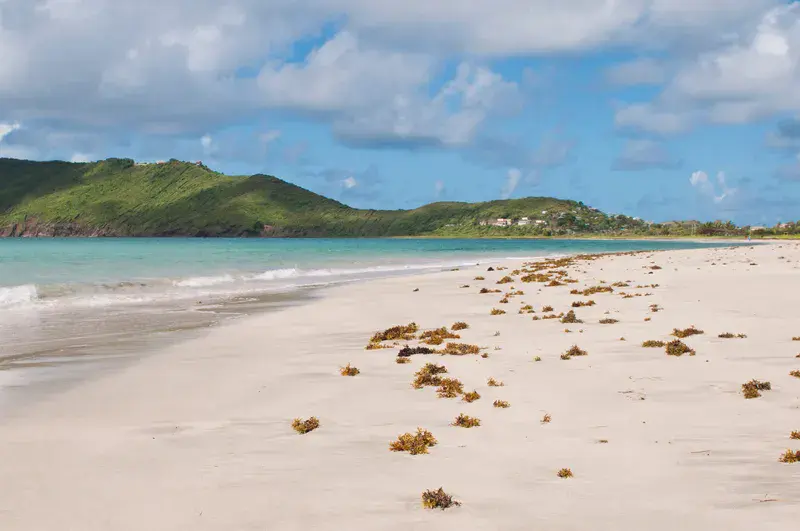
- Beach time (both volcanic black sand and white sand beaches)
- Snorkeling and diving (excellent reef systems)
- Hiking (Pitons, Tet Paul Nature Trail, rainforest walks, Enbas Saut waterfall)
- Sailing and boating (rental options and yacht charters)
- Sulphur springs and hot springs
- Bird watching (endemic species in rainforest)
- Local festivals and cultural events
- Rodney Bay nightlife (bars, restaurants, weekly events)
- Gros Islet Jump Up (Friday night street party)
Limited options:
- Movie theaters: One small cinema with limited current releases
- Shopping malls: Baywalk Mall in Rodney Bay, Gablewoods Mall in Castries—both modest
- Cultural venues: Limited museums, theaters, or performing arts
- Restaurants: Growing selection but far smaller than mainland cities
Entertainment requires creativity and appreciation for natural experiences rather than commercial leisure. This appeals strongly to nature enthusiasts and outdoor lovers but can feel limiting for those accustomed to urban cultural offerings.
Shopping: Practicalities and Expectations
Shopping in St. Lucia requires adjusting expectations around selection, availability, and pricing.
Supermarkets:
- Massy Stores: Multiple locations, broadest selection, best prices for staples
- Cost-U-Less: Warehouse-style bulk shopping
- IGA: Limited locations, good imported selection
- SuperJis: Local chain with competitive prices
- Small neighborhood shops: Throughout island, convenience over selection
Availability challenges:
- Imported goods arrive on shipping schedules; out-of-stock items common
- Specialty items (ethnic foods, particular brands) often unavailable
- Fresh produce quality varies dramatically by season
- Selection is 20-30% of typical U.S. supermarket
Shopping strategy: Most long-term residents maintain Amazon accounts for items unavailable locally, use freight forwarding services for larger shipments, stock up on favorites when visiting home countries, and learn to be flexible about brands and ingredients.
Getting Around: Transportation Realities
Most life in St. Lucia residents own vehicles due to limited public transportation and the need for mobility in exploring the island and managing daily errands.
Public transportation:
- Route taxis (minibuses): Inexpensive ($1-3 USD), frequent along main routes, crowded, no set schedules
- Regular taxis: Metered in Rodney Bay, negotiated elsewhere, expensive for routine use ($20+ for cross-island trips)
- Water taxis: Available in some coastal areas
Driving in St. Lucia:
- Drive on the LEFT (British system)
- Roads range from good (Rodney Bay, main highway) to challenging (steep, narrow, potholed in rural areas)
- Temporary or permanent St. Lucian driver's license required ($54 XCD/~$20 USD, obtained with valid home country license)
- Fuel costs ~$5-6 USD per gallon
- Parking generally easy and free outside Castries
Vehicle ownership tips:
- High clearance vehicles handle rough roads better (popular: small SUVs, pickup trucks)
- Import duties make new vehicles expensive; used market offers better value
- Saltwater air accelerates rust and corrosion; regular washing essential
- Mechanics available but parts may require ordering from Trinidad or overseas
Safety and Security Considerations
St. Lucia is generally safe compared to many Caribbean destinations, but like any location, requires awareness and reasonable precautions.
Crime reality:
- Petty theft (car break-ins, pickpocketing) is the primary concern
- Violent crime against tourists/expats is relatively rare but does occur
- Drug activity exists, particularly in Castries and some urban areas
- Home burglaries happen; security measures important
- Tourist areas (Rodney Bay, hotels, resorts) are heavily policed and safest
Safety practices:
- Don't leave valuables visible in vehicles
- Choose housing with security features (gates, alarms, dogs)
- Avoid walking alone in Castries at night
- Be cautious about flashing wealth or expensive items
- Build relationships with neighbors (community watchfulness helps)
- Lock doors and windows consistently
Most long-term expats feel safe in St. Lucia and describe the crime situation as manageable with common sense precautions.
Cultural Integration: Fitting Into St. Lucian Society
St. Lucians are generally welcoming but also protective of their culture and resources. Successfully integrating requires respect, humility, and genuine interest in local life beyond the expatriate bubble.
Cultural values to respect:
- Family and community bonds are central
- Religion plays a significant role (predominantly Catholic with Protestant minorities)
- Formal greetings matter—always say "good morning/afternoon/evening" when entering shops or addressing strangers
- Dress modestly outside resort areas (especially in Castries and rural communities)
- Respect for elders and authority
- Cricket, football (soccer), and sports as social glue
Integration approaches:
- Learn basic Kwéyòl phrases
- Shop at local markets and patronize local businesses
- Attend community events and festivals
- Volunteer with local organizations
- Avoid condescending comparisons to "how things are done back home"
- Accept that you're a guest in someone else's country
Some expats remain primarily within the expatriate community, which is completely functional. Others invest deeply in learning the culture, building local friendships, and becoming genuinely part of St. Lucian society. Both approaches work; choose what aligns with your personality and goals.
Taxes, Banking, and Financial Considerations 💳
Managing finances effectively is crucial for anyone considering retiring in Saint Lucia. Understanding tax obligations, banking access, and financial infrastructure helps avoid expensive surprises.
Tax Structure for Residents and Retirees
St. Lucia's tax system is territorial, meaning it taxes income earned within St. Lucia but generally doesn't tax foreign-sourced income for residents.
Key taxes:
- Personal income tax: 10-30% on employment income earned in St. Lucia (irrelevant for most retirees living on foreign pensions/investments)
- Property tax: 0.25% of assessed value for residential property
- VAT: 12.5% on most goods and services (15% on some items like alcohol, tobacco, vehicles)
- Import duties: 20-100%+ depending on item category
- No capital gains tax
- No inheritance tax (making St. Lucia attractive for estate planning)
Critical for American expats: The U.S. taxes worldwide income regardless of residency. American retirees must continue filing U.S. tax returns, reporting foreign bank accounts (FBAR), and paying U.S. taxes on their global income minus any applicable exclusions or foreign tax credits. For comprehensive guidance, see our retire abroad tax guide for US expats. Consult a tax professional specializing in expat taxation.
Banking and Financial Services
Opening a bank account in St. Lucia requires patience and significant documentation due to international anti-money laundering regulations.
Major banks:
- Bank of Saint Lucia (local institution, community-focused)
- Republic Bank (Trinidad-based, strong regional presence)
- 1st National Bank (regional Caribbean bank)
- Scotiabank (international presence, closed some Caribbean branches)
Account opening requirements:
- Valid passport
- Proof of address in St. Lucia (utility bill or lease agreement)
- Reference letters from your home country bank
- Proof of income/source of funds
- Residence permit (for non-citizens, though some banks open accounts for long-term visitors)
- Application process: 2-6 weeks typically
Banking realities:
- Limited online banking capabilities compared to North American or European standards
- ATM network adequate in populated areas, sparse in rural regions
- International wire transfers possible but expect fees ($30-50 per transfer)
- Credit cards issued sparingly to foreigners without extensive local credit history
- Many expats maintain both St. Lucian accounts (for local expenses) and home country accounts (for international transactions)
For Americans especially, be aware of potential expat banking challenges when opening accounts abroad.
Currency and Money Management
St. Lucia uses the Eastern Caribbean Dollar (XCD), pegged at approximately 2.7 XCD = 1 USD. This fixed exchange rate provides stability and makes budgeting predictable for American retirees.
Currency tips:
- U.S. dollars widely accepted at tourist establishments (though you'll receive change in XCD at unfavorable rates)
- Credit cards accepted at most hotels, larger restaurants, and supermarkets (Visa and Mastercard preferred; American Express less common)
- ATMs dispense Eastern Caribbean Dollars
- Exchange money at banks for best rates (not hotels or airports)
- Many residents use U.S.-based credit cards without foreign transaction fees for purchases
Transferring Money Internationally
Regular money transfers from home country accounts to St. Lucian accounts become routine for retirees. Options include:
- Wire transfers: Direct bank-to-bank (secure but expensive, $30-50 per transfer, 2-5 business days)
- Transfer services: Wise (formerly TransferWise), XE, OFX offer better exchange rates and lower fees than banks ($5-20 per transfer depending on amount)
- ATM withdrawals: Withdrawing local currency as needed (convenient but accumulates fees; check if your home bank reimburses ATM fees)
Many retirees develop a hybrid approach: maintaining most assets in home country accounts with better investment options and interest rates, while transferring monthly living expenses to St. Lucian accounts for daily use.
Investment and Retirement Account Access
U.S. retirees must understand:
- Social Security deposits continue to foreign bank accounts via direct deposit
- 401(k), IRA, and pension distributions continue normally
- Some U.S. investment firms restrict services to expats (verify your brokerage's international policies)
- Consider maintaining a U.S. address (family member, mail forwarding service) for investment accounts that require U.S. residency
Canadian retirees:
- CPP (Canada Pension Plan) and OAS (Old Age Security) payments continue abroad
- Some restrictions apply to OAS after extended periods outside Canada
- RRSP and other retirement account access continues normally
Investment options in St. Lucia: Limited compared to North America or Europe. Most expats maintain investment accounts in their home countries rather than attempting to invest locally.
Education and Family Considerations 👨👩👧👦
While most considering St. Lucia living are retirees or couples without children, some families and younger professionals contemplate relocation with educational needs in mind.
Schools and Education System
St. Lucia follows the British educational model with primary, secondary, and sixth form (pre-university) levels.
Options for expat families:
- Public schools: Free for residents but follow local curriculum; classes taught in English but cultural integration required
- Private schools: Limited options; Camdu School in Rodney Bay is the primary expat choice (elementary through secondary, $3,000-6,000 USD annually)
- International schools: None on island; nearest true international schools in Barbados or Trinidad
- Homeschooling: Legal and increasingly common for expat families; requires self-motivation and planning
Higher education:
- University of the West Indies has a campus in St. Lucia (limited programs)
- St. Lucia offers community college and technical training
- Most university-bound students attend UWI campuses in Trinidad, Jamaica, or Barbados, or pursue education abroad
Consideration for families: Educational options are limited compared to major cities. Families with high school or university-aged children typically send them abroad for education or choose to relocate once children reach these ages.
Bringing Pets to St. Lucia 🐕
Many retirees and expats want to bring beloved pets, and St. Lucia allows this with proper documentation. For complete guidance, see our comprehensive article on retiring abroad with pets.
Requirements for dogs and cats:
- Microchip (ISO 11784/11785 compliant)
- Rabies vaccination (at least 30 days before travel, not more than 12 months)
- Health certificate from veterinarian (within 7 days of travel)
- Import permit from St. Lucia's Ministry of Agriculture ($25 USD)
- Quarantine: No mandatory quarantine if documentation is complete
Arrival process:
- Veterinary inspection upon arrival
- Inspection fee: ~$50 USD
Living with pets in St. Lucia:
- Veterinary services available (Rodney Bay, Castries)
- Pet supplies at some stores, though selection limited (stock up on specialty foods/medications)
- Many rental properties accept pets (confirm before leasing)
- Outdoor lifestyle suits most dogs
- Tick and flea prevention essential in tropical climate

Working and Business Opportunities in St. Lucia 💼
While most considering life in St. Lucia are retirees, some younger expats explore work opportunities or entrepreneurial ventures.
Employment Landscape
The local job market offers limited opportunities for foreigners due to high unemployment among St. Lucians and government preference for hiring citizens. Work permits require employer sponsorship and demonstration that no qualified local can fill the position.
Industries with expat opportunities:
- Tourism and hospitality (management, specialized skills)
- Yachting and marine services
- Real estate (though highly competitive)
- Education (teachers for international programs)
- Healthcare (specialized medical professionals)
- IT and technology (limited but growing)
Remote work reality: Most working expats maintain employment with companies outside St. Lucia, working remotely while living on island. This avoids work permit complications as you're not participating in the local labor market. For income strategies, check out our guide on remote income for FIRE.
Starting a Business
Foreigners can establish businesses in St. Lucia, though bureaucracy and market size present challenges.
Popular expat businesses:
- Vacation rentals and property management
- Tour operations and adventure activities
- Restaurants and bars
- Yacht services and charter operations
- Consulting services
- Online businesses serving international clients
Business registration process:
- Register with Companies Registry
- Obtain business license ($200-500+ annually depending on business type)
- Register for VAT if turnover exceeds threshold
- Work permit still required for self-employment
- Processing time: 2-4 months typically
Challenges:
- Small market (180,000 population)
- Seasonal tourism fluctuations
- Import costs for supplies
- Infrastructure limitations
- Competition from established local businesses
Successful expat entrepreneurs typically focus on tourism-related ventures, premium services for expats and tourists, or online businesses serving international markets.
After covering the details, let's summarize the compelling advantages and real challenges of St. Lucia living.
Essential Tools for Planning Your St. Lucia Move 🛠️
Making an informed decision about retiring in Saint Lucia requires careful financial planning, destination comparison, and honest self-assessment. Several specialized tools can help you evaluate whether St. Lucia aligns with your retirement goals and financial situation.
Finding Your Ideal Retirement Destination
Before committing to St. Lucia, compare it systematically against other retirement destinations based on your specific priorities. The Country Search Tool allows you to filter destinations by climate preferences, cost of living targets, healthcare quality, tax structures, and visa accessibility. You might discover that Portugal or other destinations better match your criteria, or confirm that St. Lucia's Caribbean lifestyle is exactly what you're seeking.
The Country Directory provides comparative overviews of retirement destinations worldwide, helping you understand how St. Lucia's costs, visa requirements, and lifestyle compare to alternatives like Barbados, Costa Rica, or Mediterranean options.
Financial Planning and Readiness Assessment
Understanding whether you can afford the cost of living St. Lucia Caribbean residents experience requires honest financial assessment beyond simple budget calculations.
The Geo-Arbitrage Savings Calculator quantifies exactly how much you'd save (or spend more) by moving to St. Lucia compared to your current location. This tool accounts for housing, healthcare, transportation, and lifestyle costs—providing realistic projections rather than wishful thinking.
For those considering early retirement strategies, the FIRE Calculator helps determine if your savings and investment portfolio support retirement in St. Lucia at your desired age. While this article focuses on traditional retirement, understanding your financial independence timeline helps you plan accordingly.
The FIRE Procrastination Calculator reveals the cost of delaying your international retirement plans—quantifying how each additional year of work impacts your total retirement assets and years of freedom abroad.
Investment and Income Protection
For retirees living on investment income, maintaining purchasing power becomes critical. The Dividend Portfolio Shield helps structure your investment portfolio to provide stable income that keeps pace with inflation—essential when you're budgeting for St. Lucia living costs denominated in Eastern Caribbean Dollars.
The DRIP NAV Comparison Calculator optimizes dividend reinvestment strategies, helping retirees maximize portfolio growth during early retirement years before transitioning to income drawdown.
Practical Readiness Assessment
Beyond finances, successful life in St. Lucia requires psychological and practical readiness for expatriate living. The Expat Readiness Quiz evaluates your flexibility, independence, cultural adaptability, and problem-solving orientation—helping identify potential challenges before you commit to the move.
Understanding visa options across multiple destinations helps with contingency planning. The Visa Pathways Tool outlines residency requirements for St. Lucia and alternative destinations, ensuring you meet qualifications and have backup options if your first choice proves impractical.
Step-by-Step Action Plan: Your Path to Living in St. Lucia 📝
Moving to St. Lucia requires methodical planning and phased decision-making. Here's a realistic roadmap from initial interest to established island residence.
Phase 1: Research and Planning (3-6 months)
Month 1-2: Deep Research
- Read extensively about St. Lucia living experiences (Reddit threads, expat forums, blogs)
- Watch YouTube videos from long-term residents showing daily life
- Join Facebook groups: "St. Lucia Expats," "I Love St. Lucia"
- Research specific towns and neighborhoods
- Compare St. Lucia to alternative Caribbean destinations using the Country Search Tool
- Calculate realistic budgets for your lifestyle level
- Review visa requirements and residence pathways
Month 3-4: Financial Assessment
- Calculate your retirement income from all sources (pensions, Social Security, investment income)
- Model St. Lucia living costs against your budget using the Geo-Arbitrage Savings Calculator
- Consult with expat tax specialist about obligations
- Review health insurance options and costs for international coverage
- Assess whether your retirement timeline and savings support the move using financial planning tools
- Create contingency plans for financial shortfalls or emergencies
Month 5-6: Professional Consultations
- Schedule consultation with expat tax attorney
- Research St. Lucian attorneys for property and residency matters
- Interview international health insurance providers
- Contact freight/shipping companies for preliminary quotes
- Research pet relocation requirements if applicable
Ready to Rewire your Life?
Sign up to receive updates and insights.
By submitting your email address, you will receive a free subscription to RA Postcards and special offers from Rewire Abroad and our affiliates. You can unsubscribe at any time, and we encourage you to read more about our Privacy Policy.
Phase 2: Exploratory Visit (2-4 weeks)
Before committing, spend significant time in St. Lucia during both dry and wet seasons if possible.
First-week priorities:
- Stay in Rodney Bay, Gros Islet, or your preferred region
- Explore all major regions of the island
- Visit grocery stores, shops, and services to understand availability and costs
- Attend expat meetups and social events
- Talk with long-term expats and retirees about their experiences
Second-week priorities:
- View rental properties in target neighborhoods
- Visit private hospitals and clinics to assess healthcare
- Meet with real estate agents if considering property purchase
- Visit banks to understand account opening requirements
- Explore daily routes, beaches, hiking trails, and activities
Assessment questions to answer:
- Does the reality match your expectations?
- Can you imagine daily life here in 5-10 years?
- Do the costs align with your budget?
- Does the expat community feel welcoming?
- Can you adapt to the pace and infrastructure limitations?
- How does your partner (if applicable) feel about the move?
Phase 3: Trial Period (3-6 months)
If the exploratory visit goes well, commit to an extended trial period on a tourist visa before making permanent decisions. This approach aligns with the snowbird retirement abroad strategy many retirees use.
Initial setup:
- Secure 3-6 month rental (negotiate monthly rates)
- Ship essential items (clothes, electronics, personal items)
- Open bank account if possible
- Establish routines: shopping, healthcare providers, social activities
- Join gyms, clubs, or organizations
- Explore the entire island thoroughly
Reality testing:
- Live on your projected retirement budget to ensure it's realistic
- Experience both tourist high season and quieter periods
- Weather a storm or two to understand hurricane preparedness
- Navigate government services and bureaucracy
- Build friendships within expat and local communities
- Honestly assess whether this lifestyle suits you long-term
Decision point: At the end of this trial, you'll know definitively whether St. Lucia works for you. If not, you've learned valuable lessons with minimal commitment. If yes, proceed to permanent relocation.
Phase 4: Permanent Relocation (6-12 months)
Month 1-3: Legal and Financial Setup
- Begin temporary residence permit application
- Gather required documents: police clearance, financial proof, medical exam
- Hire St. Lucian attorney to manage residency application
- Finalize housing decision: long-term rental or property purchase
- If purchasing, begin property search and due diligence
- Arrange international health insurance with evacuation coverage
Month 4-6: Logistics Planning
- Inventory possessions: what to ship, sell, store, or discard
- Obtain shipping quotes for container or air freight
- Research vehicle import costs vs. local purchase
- Plan pet relocation if applicable
- Notify banks, credit cards, investment firms of international address
- Update estate planning documents with international attorney
- Arrange mail forwarding service or trusted contact for U.S. mail
Month 7-9: Home Country Departure
- Sell or rent out property
- Ship belongings to St. Lucia (3-8 weeks transit time typically)
- Close accounts no longer needed
- Host farewell gatherings with friends and family
- Complete all dental, medical, and vision appointments
- Stock up on prescription medications (3-6 month supply)
- Purchase any items unavailable or expensive in St. Lucia
Month 10-12: Establishment in St. Lucia
- Receive residence permit (timing varies; maintain patience)
- Establish permanent housing
- Purchase vehicle
- Receive shipped belongings and set up household
- Complete furniture and household goods shopping
- Establish all service accounts: electricity, water, internet, phone
- Register with U.S. Embassy or consulate
- Build your routine and community connections
Phase 5: Long-Term Integration (Ongoing)
First Year:
- Deepen friendships and community involvement
- Learn basic Kwéyòl phrases
- Explore every corner of the island
- Visit neighboring islands (Martinique, St. Vincent, Barbados)
- Establish trusted service providers: mechanic, doctors, attorneys
- Navigate first hurricane season with preparation and calm
- Renew temporary residence permit as required
Years 2-5:
- Consider permanent residence application after five years
- Evaluate whether to purchase property if still renting
- Develop routines and rhythms that make St. Lucia feel like home
- Host visiting family and friends to share your new life
- Contribute to community through volunteering or involvement
- Maintain connections to home country through visits
- Continuously assess whether St. Lucia remains the right fit
Frequently Asked Questions About Living in St. Lucia ❓
Click any question to expand the answer.
Making Your Decision: Is St. Lucia Right for Your Retirement? 🤔
St. Lucia offers genuine Caribbean beauty, English-language ease, political stability, and an outdoor lifestyle that can transform retirement years into daily adventure. For the right person or couple, life in St. Lucia delivers on the dream of island living without the extreme remoteness or language barriers of some alternatives.
St. Lucia works exceptionally well for:
- Nature enthusiasts who prioritize natural beauty over urban amenities
- Retirees comfortable with $3,500+ monthly budgets (singles) or $5,000+ (couples)
- Those seeking English-speaking destinations
- People who adapt easily to slower paces and infrastructure limitations
- Outdoor activity lovers (hiking, water sports, beach time)
- Retirees wanting Caribbean lifestyle with some modern conveniences
- Those comfortable with small expat communities rather than large retirement hubs
St. Lucia may not work well for:
- Budget-conscious retirees (better options exist in Latin America or Southeast Asia)
- Those requiring extensive cultural amenities, shopping, or entertainment
- People with serious medical conditions needing sophisticated ongoing care
- Individuals who struggle with heat, humidity, or tropical climate
- Those expecting North American efficiency and infrastructure
- People requiring extensive family visits (distance and flight costs add up)
- Anyone uncomfortable with hurricane risks
The decision to move to St. Lucia—or any international destination—represents one of retirement's most significant choices. It's not merely a financial calculation but a lifestyle assessment requiring honest self-knowledge about what you truly value, what frustrates you, and what brings you joy.
Use the exploration and trial phases seriously. Many people discover that their fantasy of Caribbean island life doesn't match the reality of infrastructure challenges, limited selection, and cultural adjustment. Others find that St. Lucia exceeds their dreams, providing daily inspiration, outdoor adventure, and a quality of life impossible in their home countries at any price.
The beauty of modern retirement planning is flexibility. Start with a three-month trial. If St. Lucia doesn't work, you've had an extended vacation and learned valuable lessons. If it does work, you've discovered your retirement paradise. There's no need to commit permanently before testing the reality against your expectations.
For those who find their match, St. Lucia living offers something increasingly rare: a genuine sense of place, daily connection with natural beauty, and a lifestyle that prioritizes experiences over possessions, community over convenience, and present-moment awareness over hurried efficiency. That combination, for the right person, is priceless. 🌴☀️
Ready to explore whether St. Lucia or another destination fits your retirement vision? Start with the Country Search Tool to compare destinations systematically, then use the Expat Readiness Quiz to assess your preparedness for international living. Your retirement adventure awaits—whether in St. Lucia or wherever your research leads. The key is making informed decisions based on thorough research, financial reality, and honest self-assessment.
For comprehensive rankings and comparisons, check out our best countries to retire abroad rankings and discover how St. Lucia stacks up against destinations worldwide. If you're still weighing your options, our guide on retiring abroad vs. staying in the US can help you make this crucial decision.