Living in Grenada: Complete Guide to Cost of Living, Visas & Expat Life 2026
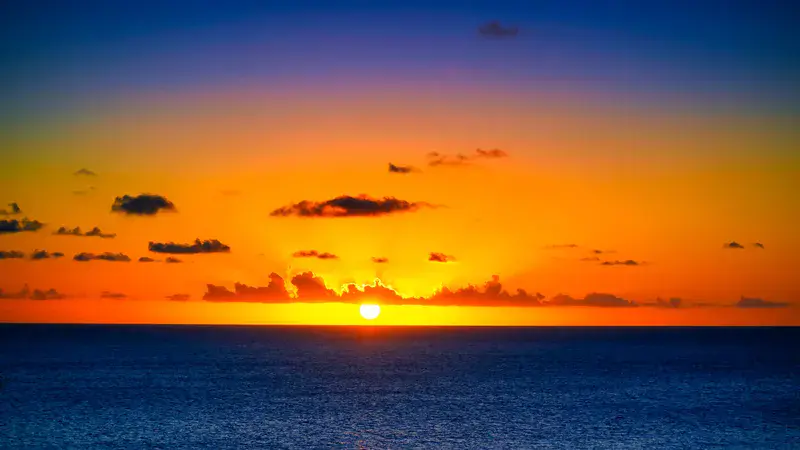
Nestled in the southern Caribbean, just north of Trinidad and Tobago, Grenada has quietly become one of the region's most sought-after destinations for expats, retirees, and remote workers. Known as the "Spice Island" for its abundant production of nutmeg, cinnamon, and cloves, this tri-island nation offers something increasingly rare in today's world: an unspoiled tropical paradise with a welcoming community, favorable tax regime, and genuine Caribbean charm.
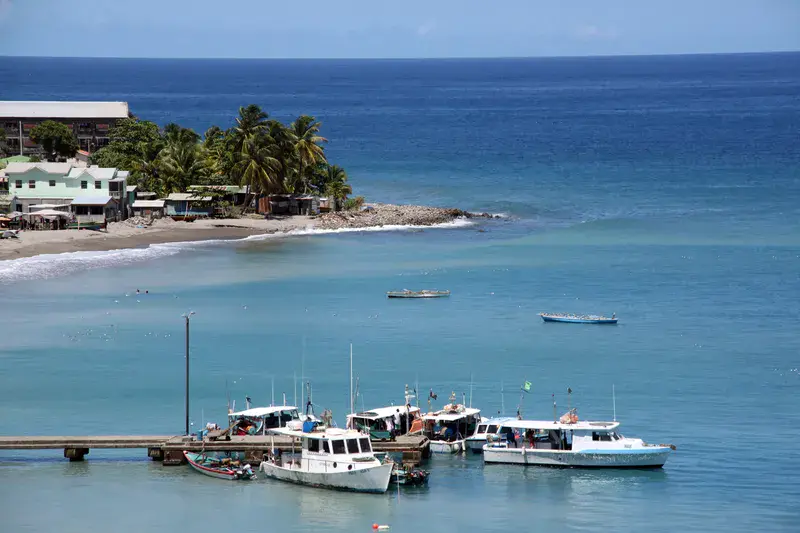
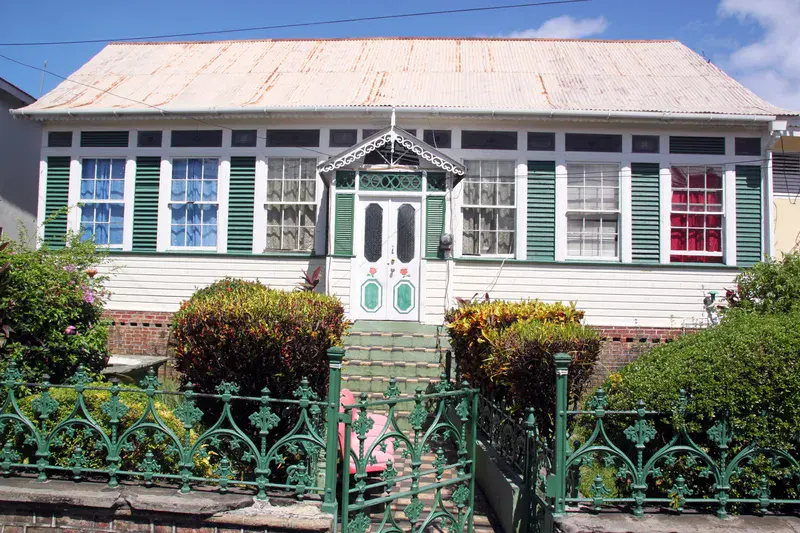
Unlike its more touristy neighbors, Grenada remains refreshingly authentic. The colorful buildings dotting the hillsides, the fishermen selling their daily catch at the harbor, and the warm greetings from locals create an atmosphere that feels like stepping back to a simpler time—without sacrificing modern conveniences.
Whether you're considering retiring in Grenada, moving to Grenada as a digital nomad, or simply exploring your options for Caribbean living, this comprehensive guide covers everything you need to know about life on this remarkable island.

Why Grenada Is Perfect for Expats and Retirees
The Grenadian Advantage
Grenada distinguishes itself from other Caribbean islands in several compelling ways. The nation consists of three main islands—Grenada, Carriacou, and Petite Martinique—totaling just 348 square kilometers with a population of approximately 125,000. This small scale creates an intimate community feel where newcomers can quickly establish themselves.
The island's location outside the main hurricane belt is a significant draw. While Grenada has experienced only four hurricanes in the past century, it serves as a safe haven for yachts during storm season, creating a vibrant maritime community and excellent services. This geographic advantage means fewer insurance concerns and less anxiety during hurricane season compared to islands farther north.
Perhaps most importantly, Grenadians are genuinely welcoming. The presence of St. George's University—a large American medical and veterinary school—means locals are accustomed to international residents. Many expats report that upon returning from even short trips, they're greeted with warm hugs and genuine interest in their travels. This isn't performative hospitality; it's authentic Grenadian culture.
Tax Advantages That Matter
For retirees and investors, Grenada's tax regime offers substantial benefits. The country imposes no taxes on worldwide income, capital gains, inheritance, wealth, or gifts. This favorable structure can significantly enhance your retirement income, especially when combined with the lower cost of living compared to North America or Europe—making it an excellent option for those pursuing geographic arbitrage strategies.
Additionally, property taxes range from 0% to 0.5% of the property value, dramatically lower than the 1.1% average in the United States. These savings compound over time, making Grenada an attractive option for those looking to maximize their retirement funds. For comprehensive guidance on tax planning abroad, see our tax optimization playbook.
Climate and Natural Beauty
Grenada enjoys a tropical climate with average temperatures around 77°F (25°C). The dry season runs from January to May, while the wet season spans June to December. Unlike some Caribbean islands that feel oppressively humid, Grenada receives enough rainfall to maintain its lush, green landscapes without excessive humidity.
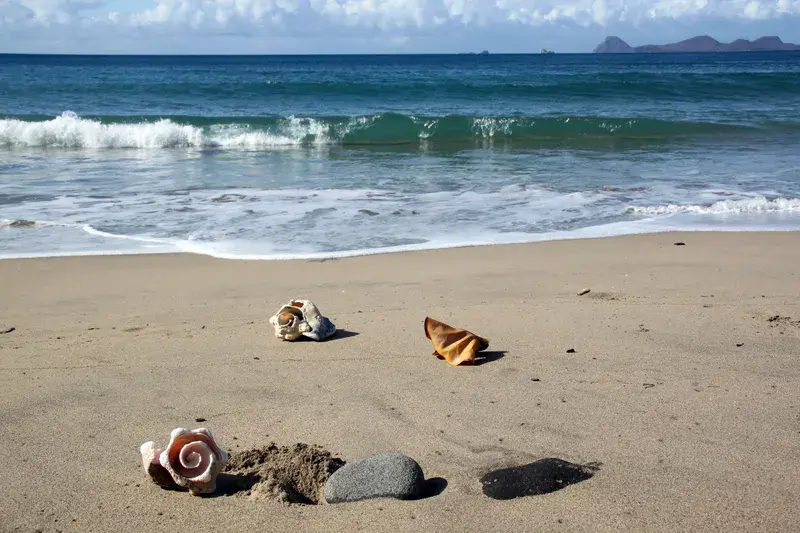
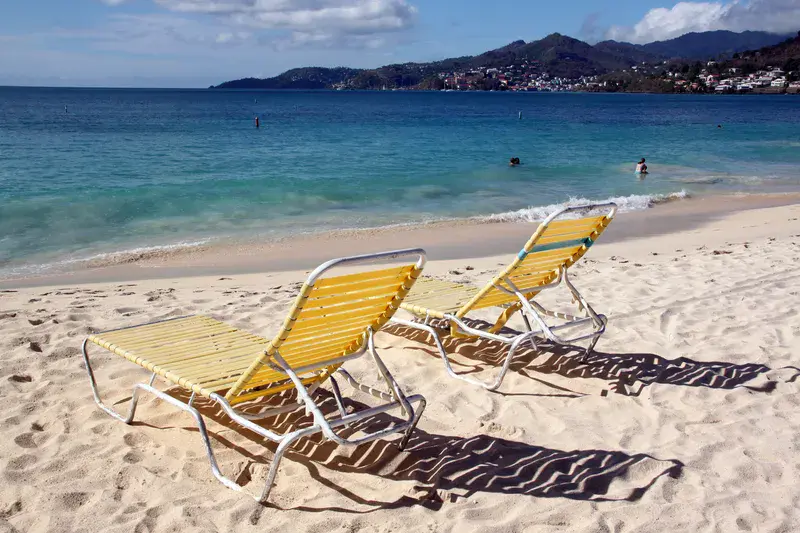
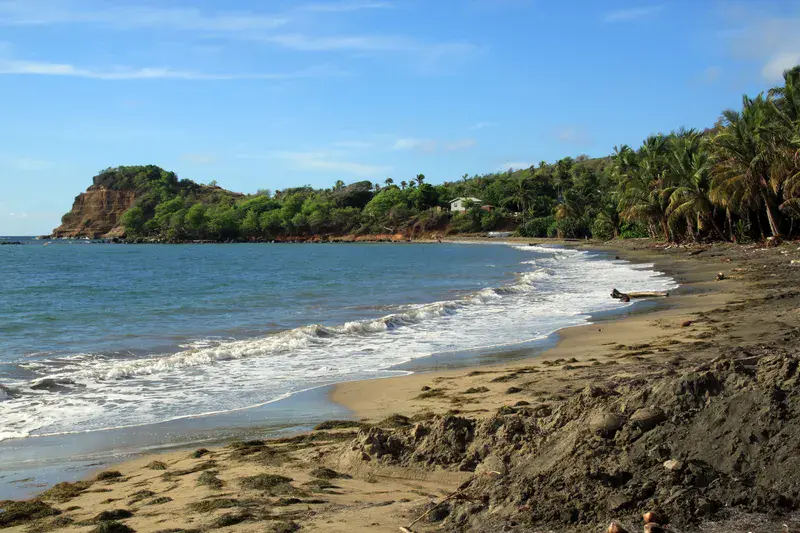
The island's beaches are exactly what you imagine when you picture the Caribbean: white sand, crystal-clear warm water, calm seas, and palm trees providing natural shade. Magazine Beach, a local favorite, offers excellent snorkeling and stunning island views with fewer tourists. For diving enthusiasts, Grenada is known as the "Wreck Capital of the Caribbean," with over 18 shipwrecks and vibrant coral reefs. The underwater sculpture park adds an artistic dimension to the diving experience.
Beyond beaches, the island features cascading waterfalls, hiking trails through rainforests in Grand Etang National Park, and mountainous terrain that provides spectacular views. This geographic diversity means you're never bored with outdoor activities.
Grenada at a Glance
Regional Deep-Dive: Where to Live in Grenada
Choosing where to establish yourself in Grenada depends on your priorities, budget, and lifestyle preferences. The island may be small—only 15 miles long—but different areas offer distinct experiences.
St. George's: The Capital Hub
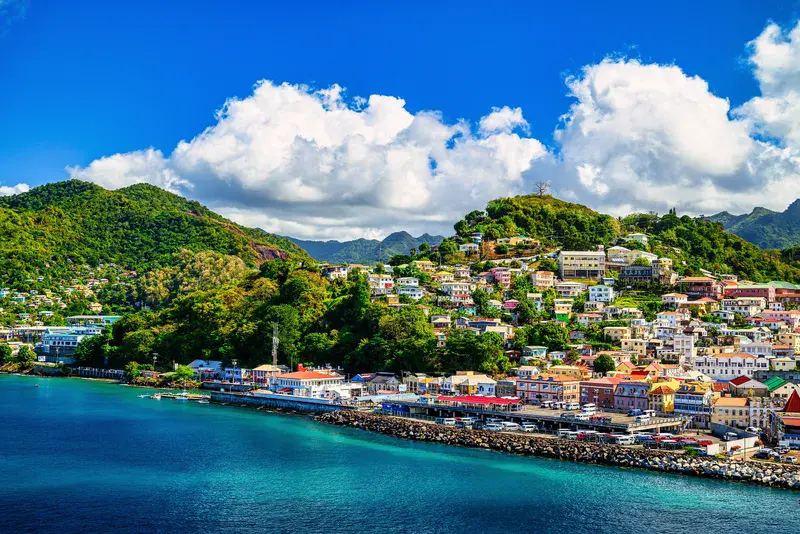
St. George's, the capital city, is the island's commercial and administrative center. Built around a horseshoe-shaped harbor, the city features colorful colonial buildings climbing steep hillsides, creating one of the Caribbean's most picturesque capitals.
Advantages: Proximity to amenities, government offices, healthcare facilities, restaurants, and the main port. The city offers the most urban lifestyle available on the island, with easier access to services and a vibrant market scene.
Considerations: More expensive than other areas, busier traffic (by Grenadian standards), and less beachfront availability. However, newer developments near the city are creating upscale beachfront condo options.
Best for: Those who prioritize convenience, need regular access to government services, or prefer a more urban Caribbean lifestyle.
Grand Anse Beach Area
Grand Anse boasts one of the Caribbean's most stunning beaches—a two-mile stretch of white sand with calm, clear waters. This area has become highly popular with tourists and expats alike.
Advantages: Beach lifestyle, excellent swimming and snorkeling, numerous restaurants and bars, and good infrastructure. The area offers a range of housing options from luxury beachfront properties to more affordable inland apartments.
Considerations: Tourism can make it busier, especially during peak season. Prices are higher than in less touristy areas, and the beach itself can feel crowded on weekends when locals also flock here.
Best for: Beach lovers, those who want a balance of tranquility and amenities, and expats who appreciate having dining and entertainment options nearby.
Lance Aux Epines: Upscale Living
Located on the southern peninsula, Lance Aux Epines is Grenada's most exclusive residential area. This neighborhood attracts affluent expats and retirees seeking privacy and high-end amenities.
Advantages: Quieter environment, larger properties, marina access, upscale homes with spectacular views, and proximity to the yacht club. The area feels more exclusive and residential.
Considerations: Higher property prices, less walking distance to amenities (you'll need a car), and fewer dining options within the immediate area.
Best for: Retirees seeking a peaceful, upscale environment, yacht owners, and those who prioritize space and privacy over urban convenience.
True Blue: The University District
True Blue is home to St. George's University, creating a young, international atmosphere with a large student population from the United States and Canada.
Advantages: Younger demographic, international community, rental options geared toward students (often more affordable), and a vibrant social scene. The area has developed good infrastructure to support the university.
Considerations: Can feel more transient due to the student population, noisier during academic terms, and may lack the authentic Grenadian feel some expats seek.
Best for: Younger expats, digital nomads, those seeking an international community, or anyone who enjoys a more youthful energy.
Carriacou and Petite Martinique: Ultimate Island Life
These smaller sister islands offer the most remote and tranquil living experience. Carriacou, about 13 square miles, and tiny Petite Martinique provide authentic island culture with minimal development.
Advantages: Peaceful lifestyle, strong boatbuilding traditions, authentic culture, beautiful beaches, and a tight-knit community. These islands offer what many consider "real" Caribbean living.
Considerations: Very limited amenities, require ferry or small plane access from mainland Grenada, fewer healthcare options, and not ideal if you need regular access to services.
Best for: Those seeking isolation and simplicity, sailing enthusiasts, or anyone wanting to escape modern life's complexities.
North Grenada: Off the Beaten Path
The northern parishes of St. Patrick's and St. Andrew's remain the least developed parts of the main island, offering tranquil living amid stunning natural scenery.
Advantages: More affordable property, authentic local culture, beautiful beaches and waterfalls, peaceful environment, and strong community bonds.
Considerations: Fewer amenities, longer drives to St. George's for major shopping or services, potentially rougher roads, and limited restaurant options.
Best for: Budget-conscious expats, nature lovers, those seeking authentic cultural immersion, and retirees who don't mind trading convenience for tranquility. This approach works well for those pursuing early retirement on a budget.
Cost of Living in Grenada for Expats and Retirees
Understanding the financial reality of living in Grenada helps you plan effectively and avoid surprises. Overall, Grenada offers a moderate cost of living—generally lower than the United States or United Kingdom, but higher than some Central American or Southeast Asian destinations. For detailed comparisons, see our guide on the best countries to retire abroad on a budget.
Monthly Budget Expectations
According to recent data, a comfortable lifestyle in Grenada typically requires between $1,500 to $2,500 per month for a single person, excluding rent. For couples, budgets range from $2,500 to $4,000 monthly. These figures can increase significantly if you prefer imported goods, dine out frequently, or maintain a more luxurious lifestyle. If you're planning to live on Social Security, check our guide on retiring with $2,000/month.
Expense Category | Budget Living | Moderate Comfort | Luxury Living |
|---|---|---|---|
Housing (Rent) | $400-600 | $800-1,200 | $1,500-3,000+ |
Groceries | $300-400 | $500-700 | $800-1,000 |
Utilities | $150-200 | $200-250 | $300-400 |
Transportation | $100-150 | $200-300 | $400-600 |
Dining Out | $150-250 | $300-500 | $600-1,000 |
Healthcare | $50-100 | $100-200 | $300-500 |
Entertainment | $100-200 | $250-400 | $500-800 |
Total Monthly | $1,250-2,000 | $2,350-3,550 | $4,400-7,300 |
Housing Costs
Rental Market:
- Studio apartment in St. George's: $500-800/month
- One-bedroom apartment (city center): $600-1,200/month
- One-bedroom apartment (outside center): $400-800/month
- Three-bedroom house: $900-1,800/month
- Luxury beachfront condo: $1,500-3,000+/month
Rental prices vary dramatically based on location, amenities, and proximity to the beach or St. George's. Many properties come partially or fully furnished, which can save significant upfront costs. However, finding rentals can be challenging—many expats report that the best deals come through word-of-mouth within the community rather than online listings.
Purchasing Property:
- Studio beachfront condo: $150,000-250,000
- Two-bedroom condo (mid-range): $250,000-450,000
- Two-bedroom beachfront condo (high-end): $500,000-700,000
- Three-bedroom house (non-beachfront): $220,000-350,000
- Luxury beachfront villa: $800,000-3,000,000+
The real estate market in Grenada has been growing, particularly in the southern areas near Grand Anse and Lance Aux Epines. Foreigners can purchase property, but you'll need an Alien Landholding License, which costs approximately 10% of the property value unless you're purchasing through the Citizenship by Investment Program (which has different requirements).
Property taxes are exceptionally low at 0% to 0.5% of the assessed value, making ownership attractive for long-term residents. Many expats choose to buy a condo for personal use while building a house, then convert the condo to a rental property afterward.
Groceries and Food
Food costs represent a significant monthly expense, largely because most items must be imported. However, locally produced items—fresh fish, local fruits, vegetables, spices, and rum—are quite affordable.
Sample Grocery Prices:
- Loaf of fresh local bread: $1.50-2.50
- Dozen eggs: $3.50-5.00
- Local fish (1 lb): $6-10
- Imported cheese (1 lb): $8-12
- Fresh local mango or avocado: $0.50-1.50
- Milk (1 liter): $3-4
- Rice (1 lb): $1-2
- Chicken breast (1 lb): $5-7
- Local beer (six-pack): $8-12
- Imported wine: $15-30+ per bottle
Dining Out:
- Inexpensive local restaurant: $5-12
- Mid-range restaurant (two people, three courses): $60-100
- Beach bar with fish tacos and rum: $40-60 per person
- Hidden gem restaurants (like Dexter's): $35-50 per person (five courses with wine)
- Upscale restaurant: $75-150 per person
Shopping at local markets yields the best value. The Saturday market in St. George's offers fresh produce, spices, and local goods at much lower prices than supermarkets. Building relationships with local fishermen can provide excellent value on seafood.
Two French butchers operate from different marinas, offering imported cheeses, charcuterie, fresh meats, baked goods, and French wines. While these specialty items cost more, they're comparable to prices in major U.S. cities and both offer free delivery.
Utilities and Services
Monthly Utility Costs (85m² apartment):
- Electricity: $180-250 (can be higher; runs on diesel generators)
- Water: $20-40
- Internet (high-speed): $45-65
- Mobile phone plan: $30-50
- Cable TV: $40-70
- Total utilities: $315-475
Electricity represents the largest utility expense because Grenada generates power primarily from diesel. Costs fluctuate with global oil prices. Air conditioning significantly increases bills, though many properties use ceiling fans and natural ventilation to minimize this expense.
Internet connectivity has improved in recent years, with adequate speeds for remote work and streaming. While not the fastest in the world, it's sufficient for most digital nomads. Local SIM cards are readily available and affordable for mobile data.
Transportation
Vehicle Costs:
- Used car (basic): $8,000-15,000
- New car: $25,000-40,000 (import duties make cars expensive)
- Motorcycle/scooter: $3,000-7,000
- Gasoline per liter: $1.40-1.80 (prices fluctuate)
Alternative Transportation:
- Public bus (single journey): $1-1.50 (routes serve main areas)
- Taxi (average ride): $10-20
- Taxi from airport to Grand Anse: $25-35
- Long-term car rental: $50-80 per day ($1,500-2,400/month)
- Ferry to Carriacou: $20-35 one-way
Grenada is hilly and spread out, making personal transportation valuable. Many expats purchase used vehicles, though import duties and shipping costs make cars expensive. The island's small size means you're never driving extreme distances—the entire island is only about 21 miles long.
Public buses operate on main routes and are affordable, but schedules can be unpredictable. Taxis are readily available but can add up quickly for regular use. Many expats find that owning a vehicle provides the most freedom and convenience, especially for exploring the island or shopping.
Healthcare and Insurance
Medical Costs:
- Doctor's visit (private): $40-80
- Prescription medication: $10-50 (varies widely)
- Dental cleaning: $50-80
- Dental work: $100-400 (much less than U.S. prices)
- Private health insurance (local): $50-150/month
- Medical evacuation insurance: $30/month (per person)
Grenada has a public healthcare system that serves locals and legal residents, but many expats maintain international health insurance or keep their home country coverage. The General Hospital in St. George's provides basic services, but for complex medical issues, many residents travel to Barbados, Trinidad, or back to their home countries. For detailed healthcare comparisons, see our guide on healthcare abroad vs. the US.
Several expats report purchasing local private hospital insurance for minor issues and prescriptions (around $100-150 monthly), while maintaining U.S. or international insurance for major care. Medical evacuation insurance (around $30/month) provides peace of mind by guaranteeing airlift to Miami if needed.
Dental care is notably affordable compared to North American or European prices, and the quality is generally good. Prescription medications cost less than in the United States, though some specialized medications may not be readily available.
Visa Options and Immigration Pathways
Understanding how to legally move to Grenada and establish residency is crucial for anyone considering relocating. Grenada offers several pathways depending on your situation, timeline, and investment capacity. For those exploring multiple countries, check our visa pathways guide.
Tourist Visa and Extensions
Citizens of most Western countries can enter Grenada without a visa for up to 90 days (three months). You'll need a passport valid for at least six months beyond your departure date and proof of onward or return travel.
Requirements for entry:
- Valid passport (six months validity)
- Return or onward ticket
- Proof of accommodation
- Sufficient funds for your stay
For stays beyond three months, you can apply for visa extensions through Grenada's Immigration Department. Extensions are granted on a case-by-case basis, and you'll need to demonstrate sufficient financial resources and a reason for the extended stay.
Many expats initially enter as tourists to spend several months on the island, exploring different areas and understanding the lifestyle before committing to longer-term residency. This "try before you buy" approach is wise given the significant life changes involved in relocating. Similar strategies work for snowbird retirement arrangements.
Work Permits
If you've secured employment in Grenada, your employer typically handles the work permit application on your behalf. The process requires:
- Proof of qualifications and professional credentials
- Job offer letter from a Grenadian employer
- Clean criminal record
- Medical examination
- Passport copies and photographs
Work permits are granted for specific positions with specific employers. Changing jobs requires a new work permit application. The process can take several months, so patience is essential—operating on "island time" applies to bureaucracy as well. To avoid visa violations, ensure all documentation is properly filed.
St. George's University employees represent a large portion of work permit holders, as the institution hires international faculty and staff. Other sectors hiring foreign workers include tourism, real estate, diving operations, and yacht services.
Permanent Residency
After residing legally in Grenada for at least two years, you become eligible to apply for permanent residency. This status allows you to live in Grenada indefinitely without renewal requirements.
Requirements:
- Two years of continuous legal residence
- Clean criminal record
- Proof of financial stability
- Medical clearance
- Character references
Permanent residents can work in Grenada without additional permits and have most rights of citizens, excluding voting. The application process requires significant documentation and patience—expect several months for processing.
Citizenship by Naturalization
After seven years of legal residence (including as a permanent resident), you can apply for Grenadian citizenship through naturalization. Requirements include:
- Seven years of continuous legal residence
- Proficiency in English
- Knowledge of Grenadian culture and society
- Clean criminal record
- Financial stability
- Integration into the community
Grenada allows dual citizenship, so you don't need to renounce your original nationality. This flexibility appeals to many expats who want full integration without losing their home country ties.
Citizenship by Investment Program 💎
Grenada's Citizenship by Investment (CBI) Program, established in 2013, offers the fastest path to legal status for those with sufficient capital. The program is widely regarded as one of the region's best, offering visa-free or visa-on-arrival access to 148 countries, including the United Kingdom, China, Singapore, and the Schengen Area.
Investment Options:
Option 1: National Transformation Fund Donation
- Single applicant: $235,000 minimum
- Family of up to four: $235,000
- Additional family members: $25,000-50,000 each
- Government processing fees: $1,500-5,000
- Non-refundable contribution
Option 2: Approved Real Estate Investment
- Minimum investment: $270,000 (in approved projects)
- Must hold property for at least 5 years
- Government fees: $50,000
- Additional family members: $25,000-50,000 each
- Potential rental income and appreciation
- Can sell after 5-year holding period
CBI Program Benefits:
- Processing time: 4-6 months
- Visa-free travel to 148 countries
- No residency requirement (though 2025 may introduce minimal requirements)
- Family inclusion possible
- E-2 Treaty Investor visa eligibility for the United States
- No taxes on worldwide income
- Dual citizenship permitted
The E-2 visa eligibility is particularly valuable for those wanting U.S. access. Grenadian citizens can apply for E-2 visas to live and work in the United States if they're investing in or operating a U.S. business—a unique advantage among Caribbean CBI programs.
Official Resources:
Digital Nomad Visa
In 2021, Grenada introduced the "Remote Employment Act," which includes provisions for digital nomads and remote workers. The program allows remote workers to live in Grenada for up to one year, with the possibility of extending for an additional year.
Requirements:
- Proof of remote employment or self-employment
- Minimum annual income threshold
- Valid passport
- Health insurance coverage
- Clean criminal record
- Application fee
Digital nomads under this visa don't pay Grenadian income tax on foreign earnings, making it financially attractive for remote workers. The application process is straightforward compared to traditional work permits, and processing times are reasonable. For broader context, see our digital nomad visa comparison.
This option works well for those testing Caribbean living before committing to permanent relocation or investment programs.
Healthcare System and Medical Services
Healthcare quality and accessibility rank among the top concerns for anyone considering retiring in Grenada or moving there long-term. Understanding the system's strengths, limitations, and how to navigate healthcare needs is essential for peace of mind. For early retirees specifically, our FIRE healthcare guide offers additional strategies.
Public Healthcare System
Grenada operates a public healthcare system funded by the government and accessible to citizens and legal residents. The system includes:
General Hospital (St. George's): The main medical facility providing emergency care, surgery, and inpatient services. While staff are generally competent and caring, the facility shows its age and lacks some modern equipment found in developed countries.
Princess Alice Hospital (Carriacou): Serves the sister island with basic services.
Health Centers: Scattered throughout parishes, providing primary care, minor treatments, and preventive services.
Advantages of Public Healthcare:
- Very affordable or free for legal residents
- Adequate for routine care and minor emergencies
- Accessible without insurance
Limitations:
- Limited advanced equipment and specialists
- Longer wait times for non-emergency procedures
- Facilities may appear dated compared to Western standards
- Complex cases often require medical evacuation
Private Healthcare Options
Several private clinics and medical practices serve the island, offering shorter wait times, modern facilities, and specialized services:
St. George's University Medical School Facilities: The university's presence ensures access to medical professionals and facilities that exceed typical island standards. Some university-affiliated doctors see private patients.
Private Clinics: Various specialists operate private practices in St. George's and Grand Anse areas, including dentists, optometrists, and general practitioners.
Private Hospital Insurance: For around $100-200 monthly, you can purchase membership packages at private facilities covering routine care, prescriptions, and minor procedures. This represents excellent value for day-to-day healthcare needs.
Dental and Specialized Care
Dental care in Grenada is both affordable and generally high-quality. Many expats report excellent experiences with local dentists at a fraction of U.S. or European costs. Routine cleanings cost $50-80, while more complex procedures like crowns or root canals range from $100-400. Learn more about US doctor costs abroad.
For specialized medical care—such as complex surgery, cancer treatment, or advanced diagnostic procedures—most expats travel to:
Barbados: About 30 minutes by flight, offering advanced medical facilities Trinidad and Tobago: Close geographically with more specialized services Miami, Florida: For those maintaining U.S. insurance or wanting American facilities
Health Insurance Strategies
Most expats employ a multi-layered insurance approach:
Layer 1: International or Home Country Insurance Maintain comprehensive coverage from your home country or purchase international health insurance ($150-500+ monthly depending on coverage and age). This provides security for major medical events and serious conditions.
Layer 2: Local Private Health Insurance Purchase a local private hospital membership or insurance plan ($50-150 monthly) for routine care, prescriptions, and minor medical issues. This makes day-to-day healthcare convenient and affordable.
Layer 3: Medical Evacuation Insurance Critical for peace of mind, evacuation insurance ($30-50 monthly per person) guarantees airlift to a major medical center (usually Miami) if you face a serious medical emergency beyond local capabilities. For comprehensive coverage guidance, see overseas health coverage.
This tiered approach balances affordability with comprehensive coverage. You use local facilities for routine needs, saving money on daily healthcare, while maintaining catastrophic coverage for serious situations.
Preventive Care and Wellness
The tropical climate and outdoor lifestyle in Grenada encourage healthy living. The abundance of fresh fruits, vegetables, and fish supports good nutrition, while the island's natural beauty invites regular physical activity through swimming, hiking, and water sports.
However, be mindful of:
- Sun exposure: Use high SPF sunscreen and seek shade during peak hours
- Hydration: The tropical heat requires increased water intake
- Mosquitoes: While Grenada has relatively few mosquitoes compared to other Caribbean islands, dengue fever can occur. Use repellent and eliminate standing water around your property
- Marine hazards: Be aware of sea urchins, jellyfish, and strong currents when swimming
Pharmacies and Medications
Multiple pharmacies operate throughout Grenada, particularly in St. George's and Grand Anse. Most common medications are available, though specialized or brand-name drugs might require ordering or bringing supplies from your home country.
Prescription medication costs significantly less than in the United States, though more than in some other countries. Most expats find they can manage their medication needs locally or make periodic trips to stock up.
Traditional Medicine and Natural Remedies
Grenadians have a strong tradition of using local plants and natural remedies for various ailments. While you should rely on proper medical care for serious conditions, many expats find value in learning about:
- Bush tea: Herbal teas for various ailments
- Nutmeg oil: Used for joint pain and muscle soreness
- Local honey: For immune support
- Sea moss: Popular for nutrition and wellness
These traditional practices complement modern medicine and connect you more deeply to Grenadian culture.
Housing and Real Estate Market
Securing appropriate housing represents one of your most important decisions when moving to Grenada. Whether you choose to rent while getting established or purchase property immediately, understanding the market dynamics helps you make informed choices.
Renting vs. Buying: Strategic Considerations
Renting Advantages:
- Flexibility to explore different areas before committing
- No large upfront capital requirement
- Landlord handles property maintenance
- Easier to leave if Grenada doesn't suit you
- Many rentals come furnished, reducing initial costs
Buying Advantages:
- Build equity rather than paying rent
- Freedom to modify and personalize your space
- Potential rental income from your property
- Property values have shown appreciation over time
- Citizenship by Investment option if purchasing approved properties
- Very low property taxes (0-0.5%)
Many expats adopt a hybrid approach: rent for 6-12 months while exploring the island, then purchase once they understand where they want to settle permanently. This reduces risk while allowing you to learn the market and find the right property.
The Buying Process for Foreign Nationals
Foreigners can legally purchase property in Grenada, but the process differs from domestic purchases:
Step 1: Find a Property Work with a local real estate agent who understands the market and can show you appropriate properties. Word-of-mouth and community connections often reveal the best opportunities.
Step 2: Make an Offer Negotiate price and terms. Property prices in Grenada are often more negotiable than in highly regulated markets. Don't be afraid to make reasonable offers below asking price.
Step 3: Apply for Alien Landholding License Unless purchasing through the CBI program, foreign buyers must obtain this license, which costs approximately 10% of the property's value. Your lawyer typically handles this application through Grenada's government portal.
Step 4: Legal Due Diligence Hire a local attorney to verify title, ensure no liens or encumbrances exist, and review all documentation. This step is crucial—don't skip it.
Step 5: Complete Purchase Once the Alien Landholding License is granted, you'll complete the purchase, transfer funds, and receive your deed.
Timeline: Expect 3-6 months from offer to completion, including license processing.
Additional Costs:
- Attorney fees: 2-3% of purchase price
- Alien Landholding License: 10% of purchase price (if not CBI)
- Stamp duty: Approximately 5-7% of purchase price
- Property registration: Nominal fee
Rental Market Dynamics
Finding rentals in Grenada requires a different approach than in countries with robust online listing platforms. While Facebook groups like "Apartment Rentals Grenada" and "Expats in Grenada" feature some listings, many of the best properties never appear online.
Finding Rentals:
- Drive around: Look for "For Rent" signs in areas you like
- Ask locals: Grenadians are friendly and often know available properties
- Network with expats: Attend social gatherings and ask around
- Contact property management companies: Several operate on the island
- Facebook groups: Join relevant groups for occasional listings
- Visit temporarily: Spend time on the island to search in person
Typical Lease Terms:
- Leases usually run 6-12 months
- First month, last month, and security deposit required upfront
- Utilities typically paid separately by tenant
- Some properties include basic furnishings
- Negotiate maintenance responsibilities before signing
Rental Inspection Checklist: When viewing properties, carefully check:
- Water pressure and hot water function
- Air conditioning units (if included)
- Appliance condition
- Internet connectivity strength
- Cell phone signal quality
- Proximity to services and transportation
- Security features (locks, gates, safe neighborhoods)
- Landlord responsiveness and reputation
Construction and Building Your Own Home
Many expats choose to purchase land and build custom homes, allowing them to create exactly what they want while potentially saving money compared to purchasing finished properties.
Considerations for Building:
Timeline: Construction in Grenada operates on "island time." What might take 6 months elsewhere could take 12-18 months here. Build in significant buffer time for your plans.
Finding Contractors: Personal recommendations matter immensely. Talk to other expats who've built homes, ask for references, and check completed projects in person.
Building Costs: Expect $150-250 per square foot for quality construction, including materials and labor. Luxury finishes can push costs higher.
Permits and Approvals: The process requires patience and multiple government department visits. Your architect or contractor should handle this, but monitor progress regularly.
Material Sourcing: Most building materials are imported, affecting costs and timelines. Plan for delays in material deliveries and price fluctuations.
Utilities Connection: Arrange for electricity, water, and internet during the planning phase. Connections can take time to complete.
Property Management and Maintenance
Tropical climates demand consistent property maintenance. Salt air, humidity, and heavy rains can quickly deteriorate buildings without proper care.
Essential Maintenance:
- Regular painting and rust prevention
- Roof inspections after storms
- Gutter cleaning during rainy season
- Air conditioning maintenance
- Termite inspections and treatment
- Pool maintenance (if applicable)
If you plan to travel frequently or own a rental property, consider hiring a property manager. Services typically cost 10-15% of rental income or $100-300 monthly for owner-occupied properties.
Living Expenses and Financial Planning
Beyond housing, understanding your complete financial picture helps ensure a comfortable life in Grenada without unpleasant surprises. For those pursuing early retirement, check our FIRE strategy guide.
Banking and Financial Services
Opening a bank account in Grenada requires documentation and patience. Major banks include Republic Bank, Grenada Co-operative Bank, and First Citizens Bank. For Americans abroad, be aware of banking challenges expats face.
Required Documents:
- Valid passport
- Proof of address (utility bill or rental agreement)
- Character reference letters (often from your home bank)
- Initial deposit (varies by bank, typically $100-500)
Banking Considerations:
- Limited online banking features compared to U.S./European banks
- International wire transfers can be slow and expensive
- ATMs widely available in populated areas
- Credit card acceptance increasing but cash still important
- U.S. dollar accounts available at some banks
Many expats maintain accounts in both their home country and Grenada, using the home account for retirement income deposits and international transactions, while the Grenadian account handles local expenses. Learn how to keep your US credit score abroad.
Money Transfers and Currency
Grenada uses the Eastern Caribbean Dollar (XCD or EC$), which is pegged to the U.S. dollar at a fixed rate of EC$2.70 = US$1.00. Many businesses accept U.S. dollars, though you'll receive change in EC dollars.
For transferring money internationally, consider services like:
- Wise (formerly TransferWise)
- OFX
- Western Union
- Traditional bank wire transfers
These services typically offer better exchange rates and lower fees than banks for international transfers.
Tax Considerations for Expats
Grenada's favorable tax structure is a significant draw, but your home country's tax obligations continue even after relocation. For comprehensive guidance, see our tax guide for US expats.
Grenadian Taxes:
- No tax on worldwide income for non-residents
- No capital gains tax
- No inheritance or wealth tax
- Property tax: 0-0.5% of assessed value
- VAT: 15% on most goods and services
For U.S. Citizens: U.S. citizens must file annual tax returns regardless of where they live through the IRS. However, the Foreign Earned Income Exclusion (FEIE) allows you to exclude approximately $120,000 of foreign earned income (2024 amount, adjusted annually). Additionally, the Foreign Tax Credit may apply.
Consult with a tax professional experienced in expat taxation to ensure compliance and optimize your tax situation. The penalties for non-compliance with U.S. reporting requirements can be severe. Explore tax-free retirement havens for broader context.
FATCA and FBAR: U.S. citizens must report foreign bank accounts exceeding $10,000 through FBAR (FinCEN Form 114) and may need to file FATCA reports (Form 8938) depending on total foreign assets.
Lifestyle and Daily Life in Grenada
Understanding day-to-day life helps you assess whether Grenada's rhythm matches your expectations and personality. For broader context on expat life, see our Rewire Abroad roadmap.
The Pace of Life: Embracing "Island Time"
Perhaps the most significant cultural adjustment for many expats involves adapting to "island time." This concept permeates every aspect of Grenadian life—from government offices to contractor appointments to social gatherings.
What Island Time Means:
- Meetings start late (30-60 minutes is common)
- Deadlines are flexible suggestions rather than hard commitments
- "Soon come" doesn't mean immediately—it means eventually
- Government paperwork takes 2-3 times longer than expected
- Patience becomes your most valuable asset
Adapting Successfully:
- Release rigid expectations about timing
- Always ask for complete checklists when dealing with paperwork
- Build significant buffer time into all plans
- Use waiting time for reflection, reading, or enjoying scenery
- Remember that relationships matter more than efficiency here
For type-A personalities, this adjustment can be challenging. But many expats report that once they let go of their need for constant productivity, they discover a more relaxed, enjoyable way of living. The trade-off for slower service is a culture where people genuinely care about each other and take time for personal connections.
Social Life and Community Integration
Grenadians are famously warm and welcoming people. The saying "every time you return, you know you're home again" rings true for most expats who report receiving genuine affection from their Grenadian friends and neighbors.
Building Community:
- Attend local festivals and events
- Shop at Saturday markets and chat with vendors
- Join clubs or groups (sailing, hiking, diving)
- Volunteer with local organizations
- Support local businesses and become a regular
- Accept invitations to community events and celebrations
- Learn local expressions and patois
Expat Community: The southern part of Grenada (St. George's, Grand Anse, True Blue, Lance Aux Epines) hosts the largest expat population, including:
- St. George's University faculty and staff
- Yacht owners and sailing community
- Retired couples from the UK, U.S., and Canada
- Business owners (dive shops, restaurants, hotels)
- Digital nomads and remote workers
Facebook groups like "Expats in Grenada" and "Grenada Cruisers" provide excellent networking opportunities. The expat community frequently organizes beach gatherings, sailing excursions, and social events. For inspiration, check out real geoarbitrage stories.
Cultural Events and Festivals
Grenadian culture comes alive through its vibrant festivals, offering expats wonderful opportunities to experience authentic Caribbean traditions.
Spicemas (August): The island's premier cultural event, featuring masqueraders in elaborate costumes, pulsating soca and calypso music, and energetic street parades. This carnival celebration rivals any in the Caribbean.
Carriacou Carnival: Held earlier in the year, this festival on Grenada's sister island showcases unique traditions and a more intimate celebration.
Grenada Chocolate Festival (May): A delicious celebration of the island's cocoa heritage, featuring tastings, farm tours, and culinary events.
Pure Grenada Music Festival: Showcases local and international artists across various genres.
Independence Day (February 7): Military parades, cultural performances, and nationwide celebrations marking Grenada's independence from Britain in 1974.
Fisherman's Birthday (June 29): Coastal communities celebrate with boat blessings, regattas, and feasts.
Carriacou Maroon & String Band Music Festival: Honors the island's African heritage with traditional music and dance.
Cuisine and Dining Culture
Grenadian cuisine reflects the island's diverse heritage—African, British, French, and East Indian influences blend with abundant local ingredients.
Must-Try Local Dishes:
- Oil Down: The national dish—a one-pot stew with salted meat, chicken or fish, breadfruit, dumplings, coconut milk, and turmeric
- Callaloo Soup: Made from dasheen leaves, similar to spinach
- Lambie Souse: Conch prepared with lime, cucumber, and peppers
- Fried Bake and Saltfish: A breakfast staple
- Roti: Curry-filled flatbread (East Indian influence)
- Pelau: One-pot rice dish with meat and pigeon peas
Local Ingredients:
- Fresh fish (tuna, mahi-mahi, red snapper)
- Breadfruit, plantains, cassava
- Mangoes, papayas, soursop
- Nutmeg, cinnamon, cloves, ginger
- Cocoa
Dining Experiences: From local rum shops serving authentic Grenadian food for $5-10 to upscale restaurants charging $30-50 per person, the dining scene offers variety. Hidden gems like Dexter's (a chef operating from his home) provide unforgettable five-course meals with unlimited wine for just $35 per person.
Beach bars offer the quintessential Caribbean experience—rum punch, fresh fish tacos, and your toes in the sand. Expect to pay $40-60 per person including generous drinks.

Sports and Recreation
Grenada's natural environment provides endless recreational opportunities:
Water Activities:
- Scuba Diving: With over 18 wrecks and vibrant reefs, Grenada deserves its title as "Wreck Capital of the Caribbean"
- Snorkeling: Most beaches offer excellent snorkeling with turtles, rays, and colorful fish
- Sailing: Numerous marinas and yacht clubs cater to sailors
- Fishing: Deep sea and coastal fishing year-round
- Kayaking and SUP: Calm bays provide perfect conditions
Land Activities:
- Hiking: Waterfalls and rainforest trails in Grand Etang National Park
- Cricket and Football: Watch or play the island's favorite sports
- Golf: Grenada Golf & Country Club offers 9 holes
- Beach Activities: Volleyball, jogging, yoga
The outdoor-focused lifestyle encourages physical activity and wellness, contributing to the healthier, more relaxed existence many expats seek.
Shopping and Services
Grocery Stores:
- Massy Stores (supermarket chain)
- IGA (well-stocked with imports)
- Food Fair
- Local markets for produce
Other Retail:
- Spiceland Mall (St. George's)
- Grand Anse Shopping Centre
- Various small shops and boutiques
- Saturday market for local goods
Professional Services:
- Banks, attorneys, accountants widely available
- Medical, dental, optical services
- Auto mechanics and services
- Hardware stores and building supplies
Most modern conveniences are available, though selection is limited compared to major cities. Many expats order specialty items online and have them shipped, though import duties can add 30-50% to costs.
Education Options for Families
Families with children need to understand educational options before relocating to Grenada.
Public School System
Grenada's public education follows the British system, as the island was a British colony until 1974. The academic year runs September to June with three terms.
Structure:
- Primary school: Ages 5-11
- Secondary school: Ages 11-18
- Caribbean Examinations Council (CXC) exams at age 16
- CAPE exams (equivalent to A-levels) at age 18
Public schools are free for citizens and legal residents, but expats often find the system differs significantly from North American or continental European approaches. Class sizes can be large, and facilities vary in quality.
Private and International Schools
Several private schools serve expat families:
Westerhall Secondary School: Offers international curriculum with smaller class sizes
St. Augustine's and Presentation Brothers' College: Well-regarded Catholic schools
Private primary schools: Various options throughout the island
Private school tuition ranges from $3,000-8,000 per year, significantly less than private schools in North America or Europe.
St. George's University
The presence of this U.S.-accredited medical and veterinary school creates unique opportunities. Some local students receive scholarships, and the university employs many international faculty, contributing to the island's cosmopolitan atmosphere.
Homeschooling
Many expat families choose to homeschool, taking advantage of online curricula and Grenada's natural environment for experiential learning. The island's outdoor classroom provides unique educational opportunities in marine biology, ecology, and cultural studies.
Working and Business Opportunities
While Grenada's economy is small, opportunities exist for motivated expats with relevant skills or capital to invest. For those working remotely, see our guide on remote income for FIRE.
Employment Sectors for Expats
Tourism and Hospitality: Hotels, resorts, restaurants, and tour operators occasionally hire expats, particularly for management positions or specialized roles (diving instructors, sailing guides, chefs).
Education: St. George's University employs numerous international faculty and staff in teaching, administration, and support roles.
Yacht Services: The marina and yachting industry needs skilled workers in boat maintenance, provisioning, and related services.
Real Estate: Property sales, management, and development offer opportunities for business-minded expats.
Healthcare: Medical professionals with proper credentials can find opportunities, though licensing requirements must be met.
Starting a Business
Many successful expats have started businesses in Grenada:
- Dive shops and water sports operations
- Restaurants and bars
- Tour companies
- Property management
- Specialty retail
- Professional services
Business Considerations:
- Work closely with a local attorney to navigate regulations
- Partner with Grenadians when possible (provides local expertise)
- Understand the market—it's small but underserved in some areas
- Budget for slower-than-expected growth
- Build relationships—personal connections drive business here
Company Formation: Registering a company in Grenada is relatively straightforward but requires legal assistance through the Grenada Investment Development Corporation. Annual registration fees and reporting requirements apply.
Remote Work and Digital Nomad Opportunities
The 2021 Remote Employment Act makes Grenada attractive for digital nomads and remote workers. Fast internet has improved in recent years, though it's not as robust as major cities. For AI-resistant income ideas, see our side hustle guide.
Best Areas for Remote Work:
- St. George's
- Grand Anse
- True Blue
- Any area with reliable internet connection
Co-working Spaces: Limited formal co-working spaces exist, but cafes and restaurants welcome laptop workers. The expat community often organizes informal co-working meetups.
Internet Reliability: While adequate for most remote work, have backup plans for important meetings. Mobile hotspots provide redundancy if your home internet fails. Be aware of digital nomad tax traps.
Safety, Security, and Practical Considerations
Crime and Personal Safety
Grenada maintains a reputation as one of the Caribbean's safest islands. The U.S. State Department classifies it as Level 1 (Exercise Normal Precautions)—the same rating given to countries like the UK, Portugal, and Japan.
Crime Reality:
- Violent crime remains rare
- Petty theft occurs, particularly in tourist areas
- Opportunistic crime (unlocked cars, open windows)
- Drug-related offenses (primarily marijuana)
- Domestic disputes comprise most police calls
Safety Practices:
- Lock doors and windows, especially when away
- Don't leave valuables visible in vehicles
- Use hotel safes for passports and cash
- Be aware of surroundings in isolated areas
- Avoid displaying expensive jewelry or watches
- Walk in groups at night in unfamiliar areas
Most expats report feeling extremely safe in Grenada—safer than their home countries. Grenadians are generally respectful and helpful, and the tight-knit community means suspicious activity is quickly noticed.
Hurricane Preparedness
While Grenada sits south of the main hurricane belt, preparing for tropical storms and occasional hurricanes is wise. For comprehensive planning, see our emergency preparedness guide.
Hurricane Season: June 1 to November 30, with September being the most active month
Historical Impact: Only four hurricanes have directly hit Grenada in the past century. Hurricane Ivan in 2004 caused significant damage but was exceptional rather than typical.
Preparation:
- Stock water, non-perishable food, batteries, flashlights
- Secure outdoor furniture and objects that could become projectiles
- Know your home's hurricane shutters or boarding plan
- Keep important documents in waterproof containers
- Understand evacuation routes (though evacuation is rarely necessary)
- Monitor weather reports during hurricane season through NOAA
Many buildings now adhere to improved hurricane codes implemented after Ivan, making structures more resilient.
Language and Communication
English is Grenada's official language, making communication easy for English-speaking expats. However, Grenadians speak a local patois that blends English with French, Spanish, and African influences. The accent and local expressions can initially be challenging to understand, particularly outside St. George's.
Common Local Expressions:
- "Liming" – Hanging out, relaxing with friends
- "Jump up" – Dancing at carnival or parties
- "Soon come" – I'll be there eventually (could be minutes or hours)
- "Melee" – A chaotic situation
- "Sweet hand" – Someone who cooks well
- "Lime" – A casual gathering
Most Grenadians adjust their speech when talking to foreigners, making conversations easier. As you spend more time on the island, you'll naturally pick up the rhythm and vocabulary of local speech.
Transportation and Getting Around
Driving:
- License: International driving permits work for visitors; residents should obtain a Grenadian license
- Traffic: Drives on the LEFT side of the road (British style)
- Roads: Narrow, winding, and mountainous. Some potholes and rough sections
- Parking: Generally easy to find and free in most areas
- Fuel: Available at numerous stations; prices around $1.40-1.80 per liter
Public Transportation:
- Buses: Privately owned minibuses serve main routes. Flag them down from roadside. Inexpensive ($1-1.50) but schedules are unpredictable
- Taxis: Available in tourist areas and through hotel calls. Negotiate rates before departing (meters aren't used)
- Water Taxis: Connect coastal areas and some offshore islands
Maurice Bishop International Airport: Located near Point Salines, the airport connects Grenada with Miami, New York, Toronto, London, and other Caribbean islands. Airlines include American Airlines, JetBlue, Caribbean Airlines, British Airways, and Virgin Atlantic.
Planning Your Move to Grenada: Step-by-Step Guide
Successfully moving to Grenada requires careful planning and realistic expectations. Here's a practical roadmap:
Phase 1: Research and Exploration (3-12 months before moving)
Actions:
- Read extensively about Grenada (you're doing this now!)
- Join Facebook groups: "Expats in Grenada" and "Apartment Rentals Grenada"
- Connect with current expats through social media
- Research visa options that match your situation
- Assess your financial readiness using our FIRE calculator
- Visit Grenada as a tourist for at least 2-3 weeks if possible
- Explore different areas to understand where you might want to live
Key Questions to Answer:
- Can you handle a slower pace of life?
- Are you comfortable with limited shopping and services?
- Can you adapt to tropical climate year-round?
- Do you have sufficient financial resources?
- How will you handle healthcare needs?
- If working, can you secure legal employment or work remotely?
Phase 2: Financial Planning (6-9 months before moving)
Actions:
- Create detailed budget including all potential expenses
- Research banking options and account opening requirements
- Consult tax advisor about implications of moving
- Arrange international money transfer capabilities
- Consider health insurance options
- Calculate retirement income if applicable using the 4% rule research
- Determine whether you'll rent or buy initially
Tools for Financial Planning:
Understanding whether you can afford to move abroad—or even retire early abroad—requires careful financial analysis. Several free calculators can help you model different scenarios:
- FIRE Calculator: Estimate when you could achieve financial independence with your current savings and spending, factoring in Grenada's lower costs.
- FIRE Procrastination Calculator: See how delays in saving or investing affect your timeline to financial freedom.
- Geo-Arbitrage Savings Calculator: Calculate exactly how much you'd save by moving to Grenada versus staying in your current high-cost location.
- Dividend Portfolio Shield: Evaluate how much dividend income you need to cover expenses in Grenada, helping you build a sustainable income stream.
- DRIP vs NAV Comparison Calculator: Compare dividend reinvestment strategies versus net asset value approaches for your portfolio.
These tools help you make data-driven decisions about whether you're financially ready for the move and how geographic arbitrage can accelerate your retirement timeline.
Phase 3: Legal and Documentation (3-6 months before moving)
Actions:
- Ensure passport has at least 6 months validity (renew through US State Department if needed)
- Research and apply for appropriate visa or residency permit
- Gather necessary documents (birth certificates, marriage certificates, etc.)
- Obtain criminal background checks if required through FBI or local police
- Get medical records and vaccination records organized
- Arrange for certified copies of important documents
- Consider powers of attorney for home country matters
- Research pet import requirements if bringing animals
Key Documents to Prepare:
- Passport (with extra pages for stamps)
- Birth certificate
- Marriage certificate (if applicable)
- Divorce decrees (if applicable)
- Educational certificates
- Professional licenses or certifications
- Medical records and prescriptions
- Bank reference letters
- Character reference letters
- Police clearance certificates
Phase 4: Housing Arrangements (2-4 months before moving)
Actions:
- Book temporary accommodation for first 2-4 weeks
- Activate Facebook housing group notifications
- Contact real estate agents in Grenada
- Create list of must-haves for housing
- Arrange video tours of properties if possible
- Understand lease terms and security deposit requirements
- Plan to search for permanent housing once on island
Tip: Don't commit to long-term housing before spending time on the island. Rent short-term initially, explore different areas, and make informed decisions after experiencing the island firsthand.
Phase 5: Logistics and Packing (1-2 months before moving)
Actions:
- Decide what to bring, ship, store, or sell
- Research international shipping options
- Cancel or transfer services in home country
- Notify banks, insurance companies, and government agencies of move
- Arrange mail forwarding or virtual mailbox service
- Purchase travel insurance
- Book flights
- Create inventory of shipped items for customs
- Unlock phones for international SIM cards
- Download offline maps and useful apps
What to Bring:
- Electronics (laptops, phones, tablets)
- Medications (several months supply)
- Favorite personal items that remind you of home
- Professional clothing (limited availability on island)
- Specialty items not available locally
- Important documents in waterproof container
What Not to Bring:
- Excessive furniture (buy or rent furnished locally)
- Heavy winter clothing (no need in tropics)
- Items readily available in Grenada
- Anything you wouldn't mind losing or damaging
Phase 6: Arrival and Settlement (First 1-3 months)
First Week Actions:
- Clear customs and immigration
- Settle into temporary accommodation
- Purchase local SIM card for phone
- Open bank account
- Register with local immigration if required
- Explore your neighborhood
- Shop for immediate necessities
- Connect with expat community
First Month Actions:
- Search for permanent housing
- Set up utilities for permanent residence
- Obtain local driver's license if needed
- Find grocery stores, markets, and services you'll use regularly
- Schedule healthcare appointments to establish care
- Explore different areas of the island
- Attend local events to meet people
- Begin establishing routine
Month 2-3 Actions:
- Settle into permanent housing
- Continue building social connections
- Find favorite restaurants, beaches, and hangouts
- Join clubs or groups aligned with your interests
- Establish banking routines and bill payment systems
- Begin any work or business setup if applicable
- Reflect on adjustment and address any challenges

Comparing Grenada to Other Caribbean and Alternative Destinations
How does Grenada stack up against other popular retirement and expat destinations?
Factor | Grenada | Barbados | St. Lucia | Jamaica |
|---|---|---|---|---|
Cost of Living | Moderate | Higher | Moderate | Lower |
Safety | Excellent | Very Good | Good | Fair |
Healthcare | Good | Excellent | Good | Fair-Good |
Hurricane Risk | Very Low | Moderate | Moderate | Moderate-High |
Tourism Level | Low-Moderate | High | Moderate | Very High |
Expat Community | Growing | Established | Small | Large |
Ease of Residency | Good | Moderate | Good | Challenging |
English Proficiency | Native | Native | English + French | Native |
Beach Quality | Excellent | Excellent | Excellent | Excellent |
Tax Benefits | Excellent | Moderate | Good | Limited |
Grenada's Unique Advantages:
- Outside main hurricane belt
- Authentic, unspoiled Caribbean culture
- Excellent CBI program with E-2 visa eligibility
- Very low crime
- Strong tax benefits
- Growing but not overcrowded expat community
- Exceptional diving and natural beauty
Where Other Islands Excel:
- Barbados: More developed infrastructure, better healthcare
- Jamaica: Lower costs, larger expat community, more cultural activities
- St. Lucia: Dramatic Pitons mountains, luxury resorts
For those considering alternatives beyond the Caribbean, explore destinations like Belize, Chile, Guatemala, the Philippines, or Ecuador. European options include Portugal, Spain, and Slovenia.
For many retirees and expats seeking authentic Caribbean living with modern conveniences, safety, and tax advantages, Grenada hits the optimal balance.
Tools and Resources for Your Grenada Journey
Successfully planning your move to Grenada requires the right information and tools. Beyond the financial calculators mentioned earlier, these resources help you make informed decisions:
Country Comparison and Research Tools
- Country Search Tool: Compare Grenada with other potential retirement destinations worldwide across dozens of factors including cost of living, climate, healthcare, visa options, and safety.
- Country Directory: Access detailed guides for every country, including deeper dives into specific aspects of living in Grenada and alternatives.
- Best Places to Retire Abroad Rankings: See how Grenada compares in comprehensive rankings.
Visa and Readiness Assessment
- Visa Pathways Explorer: Understand which visa options are available to you for Grenada based on your age, skills, financial situation, and goals.
- Expat Readiness Quiz: Honestly assess whether you're prepared for the challenges and adjustments of expat life. Moving abroad isn't for everyone—this quiz helps you understand your readiness level.
Official Grenada Resources
- Grenada Government Portal: Official government website with information on services and procedures
- Grenada Citizenship by Investment: Official CBI program details and application information
- Grenada Immigration Department: Visa and residency information
- Pure Grenada Tourism Authority: Official tourism site with events, attractions, and travel information
- Grenada Investment Development Corporation: Information for investors and entrepreneurs
Community Resources
- Facebook Groups:
- "Expats in Grenada" (private group for expats)
- "Apartment Rentals Grenada" (housing listings)
- "Grenada Cruisers" (sailing/yachting community)
- "St. George's University" groups (for university-related connections)
- Forums and Websites:
- Grenada Forum (grenada-forum.com)
- Pure Grenada website community section
- Expat.com Grenada section
Challenges and Honest Realities
While Grenada offers tremendous benefits, moving here involves real challenges that deserve honest discussion:
Infrastructure Limitations
Roads: Potholes are common, especially after heavy rains. Roads are narrow, winding, and sometimes poorly maintained. Driving requires attention and patience.
Power Outages: While improving, occasional power outages still occur, particularly during storms. Most homes don't have backup generators.
Internet: While adequate, internet speed and reliability don't match developed countries. Video calls occasionally drop, streaming can buffer, and downloads take longer.
Water Supply: Most areas have reliable water, but occasional shortages happen. Many homes have cisterns or water tanks as backup.
Bureaucratic Challenges
Government processes can be frustratingly slow. Simple tasks like obtaining permits, registering vehicles, or processing paperwork often take much longer than expected. The advice from experienced expats is consistent: always ask for a complete checklist of requirements upfront, bring everything you might possibly need, and build in extra time for any official process.
Limited Shopping and Services
Selection is limited compared to major cities. Specialty items may be unavailable or require ordering online with significant shipping costs and delays. If you have specific dietary needs, medical requirements, or lifestyle preferences that depend on particular products, research availability before moving.
Social Adjustment
Despite the welcoming culture, some expats experience isolation, especially initially. Building meaningful friendships takes time. The slower pace can feel frustrating for those accustomed to efficiency and productivity. Some people never fully adjust to island life.
Healthcare Limitations
For complex medical issues, you'll likely need to travel off-island. This reality requires planning, insurance that covers medical evacuation, and acceptance that world-class medical care isn't immediately available.
Weather Adjustment
Year-round tropical heat isn't for everyone. There's no winter, no fall colors, no change of seasons. Some people find this monotonous. Humidity can feel oppressive, particularly during the rainy season.
Distance from Family
Being far from family and friends in your home country can be emotionally challenging, particularly during emergencies or important life events. Flights are expensive, and traveling back frequently adds substantial costs.
Success Stories: Real Expats in Grenada
The experiences of expats who've successfully made Grenada home offer valuable insights:
Tiffany (California → Grenada): Moved with her family to own a scuba diving business. She emphasizes patience as the key to success, learning to release expectations and embrace the slower pace. She reports that the genuine warmth of Grenadians and the stunning underwater beauty make every challenge worthwhile. Her advice: ask for complete checklists when dealing with government processes and embrace "island time" without judgment.
British Retiree (International Living): After vacationing on various Caribbean islands, she and her husband chose Grenada for its unspoiled nature, authentic culture, and friendliness. They built a house while living in a condo, plan to rent the condo for income, and maintain ties to the U.S. through insurance and periodic travel. Her multi-layered healthcare approach (local insurance for routine care, U.S. insurance for major issues, medical evacuation coverage) provides peace of mind. She particularly values Grenada's pride in its culture, heritage, and food.
St. George's University Community: Faculty and staff from around the world form a significant part of the expat community. The university provides employment opportunities and creates an international atmosphere. Many initially came for academic positions and stayed for the lifestyle, beach access, and community.
Yacht Owners: The marina community includes many who initially anchored in Grenada to weather hurricane season and never left. The protected harbors, friendly people, and excellent marine services made temporary stays permanent.
Common threads in success stories:
- Patience and flexibility
- Genuine appreciation for local culture
- Financial preparedness
- Willingness to build community
- Realistic expectations
- Embracing the slower pace
For more inspiration, read about couples who achieved FIRE abroad or those who retired in their 40s.
The Best Approach: Visit Grenada as a tourist first. Spend at least 2-3 weeks exploring different areas, talking to expats, experiencing daily life, and honestly assessing how you feel. If you love it, plan a longer exploratory stay (3-6 months) before committing to permanent relocation. This gradual approach minimizes risk while allowing you to make an informed decision. Consider adopting a slowmad lifestyle to test multiple locations.
Your Next Steps to Living in Grenada
If you've read this far, you're seriously considering Grenada as your future home. Here's what to do next:
- Join Online Communities: Request to join "Expats in Grenada" and related Facebook groups. Start engaging, asking questions, and learning from those already living the life you're considering.
- Plan a Reconnaissance Visit: Book at least a 2-3 week trip to Grenada. Stay in different areas, talk to expats and locals, and experience daily life beyond tourist attractions.
- Run the Numbers: Use the financial calculators provided earlier to model your specific situation. Understand whether you can afford the lifestyle you want in Grenada. Avoid common FIRE investment mistakes.
- Research Visa Options: Determine which visa or residency pathway best suits your situation. Consult with immigration professionals if needed.
- Connect with Current Expats: Reach out to people already living in Grenada through social media. Most are happy to share their experiences and advice.
- Assess Your Readiness: Take the Expat Readiness Quiz to honestly evaluate whether you're prepared for the challenges of international living.
- Compare Alternatives: Use the Country Search Tool to ensure Grenada truly offers the best fit compared to other destinations you're considering. Review our comparison guides like retire abroad vs US.
- Make a Timeline: If Grenada feels right, create a realistic timeline for your move. Most successful relocations involve 6-18 months of planning.
Frequently Asked Questions About Living in Grenada
Click any question to expand the answer.
Conclusion: The Grenada Life Awaits
Grenada offers something increasingly rare in our hyperconnected, overly commercialized world—an authentic Caribbean experience where culture still thrives, communities remain tight-knit, and life moves at a human pace. The crystal-clear waters, pristine beaches, and lush mountains provide the visual paradise, while the warm Grenadian people, favorable tax structure, and genuine safety create the practical foundation for an excellent quality of life.
Moving to Grenada isn't about escaping reality; it's about choosing a different reality. One where you know your neighbors, where the fisherman greets you by name at the market, where "soon come" reminds you that relationships matter more than rigid schedules, and where your daily swim might include swimming alongside sea turtles above vibrant coral reefs.
The challenges are real—bureaucratic delays, limited shopping, slower internet, and the need for patience with "island time." But for those who can embrace these trade-offs, Grenada delivers something more valuable than efficiency: a sense of belonging to a place and community, connection to nature, financial advantages through favorable taxes and lower costs, and the adventure of building a new life in one of the Caribbean's most beautiful and welcoming nations.
Whether you're a traditional retiree seeking better weather and lower costs, an early retirement seeker using geographic arbitrage to stretch your savings, a remote worker embracing the digital nomad lifestyle, or simply someone ready for a significant life change, Grenada deserves your serious consideration.
The Spice Island has a way of capturing hearts. Many who visit for a vacation find themselves researching real estate. Those who move temporarily often stay permanently. Time and again, expats report something special about Grenada that defies easy explanation—a magic created by the combination of natural beauty, genuine warmth, cultural richness, and authentic Caribbean living.
Your journey to Grenada begins with the decision to explore seriously. Visit the island, talk to expats, run the financial numbers, and honestly assess your readiness for international living. If Grenada feels right—if the trade-offs seem worthwhile and the lifestyle appeals to your soul—then you might be among the next generation of expats calling this remarkable island home.
The beaches, the warmth, the spices, and the lifestyle await. The question isn't whether Grenada is a wonderful place—it unquestionably is. The question is whether it's the right wonderful place for you. Only you can answer that, but hopefully, this guide has provided the comprehensive information you need to make that decision with confidence.
Welcome to the beginning of your Grenada adventure.
Related Articles and Resources
Continue your research with these focused guides covering specific aspects of living abroad:
Caribbean and Latin American Alternatives:
- Retire in Belize Guide - English-speaking Caribbean alternative
- Move to Guatemala Guide - Low-cost Central American option
- Retire in Chile Guide - Stable South American choice
- Retire in Ecuador Guide - Popular expat destination
- Philippines Retirement Guide - Affordable Asian alternative
- Argentina Living Guide ($800-1,200/month)
European Alternatives:
- Portugal vs Spain Comparison - Top European retirement destinations
- Move to Spain Guide - Comprehensive Spain information
- Retire in Spain Guide - Spain retirement specifics
- Move to Slovenia Guide - Hidden European gem
- Croatia Living Costs & Visas - Adriatic alternative
- Move to Poland Guide - Affordable European option
- Albania Living Guide ($800/month)
- Georgia Country Living Guide
- Italy vs Greece Mediterranean Paradise
- France vs Germany Europe Guide
Asian Alternatives:
- Vietnam vs Thailand Living Costs
- Retire in Japan Guide
- Colombia vs Argentina Digital Nomad
- Estonia vs Finland Digital Nomad
Essential Planning Guides:
- Best Places to Retire Abroad - Comprehensive overview
- Best Countries Retire Abroad Budget - Budget-focused rankings
- Retire Abroad $1,000/Month - Ultra-budget destinations
- Retire Earlier: 5 Countries That Slash FIRE Age
- No Income Proof Retirement Visas
- Snowbird Retirement Abroad - Split-year living
Financial Independence & Early Retirement:
- Achieve FIRE Faster: 7 Steps
- FIRE After 50 Accelerated Strategy
- Tech Layoff to Early Retirement
- Americans Retire Overseas - US-specific guidance
Healthcare & Insurance:
Tax & Financial Strategies:
- Tax Guide for US Expats
- Tax-Free Retirement Havens 2025
- Global Retirement Tax Havens & Estate Planning
- Send Paycheck to Brokerage Account
Practical Expat Life:
- Retire Abroad Emergency Preparedness
- Retire Abroad with Pets
- Keep US Credit Score Abroad
- Digital Nomad Banking & Frozen Accounts
- Expat Banking Blacklist for Americans
Last Updated: October 2025 | This guide is regularly updated to reflect current information about living in Grenada. Have questions or experiences to share? Join our community of expats exploring life abroad.
The $2,000 Residency Mistake: Why Your Visa Strategy is Backwards
Immigration authorities deported 200+ digital nomads recently. Discover why visa-hopping strategies fail, enforcement patterns targeting Americans.
Couple's FIRE Abroad: Retire in 8 Years Instead of 25 | Dual Income Strategy
Discover how couples can leverage dual incomes and geographic arbitrage to achieve FIRE in 8 years instead of 25.
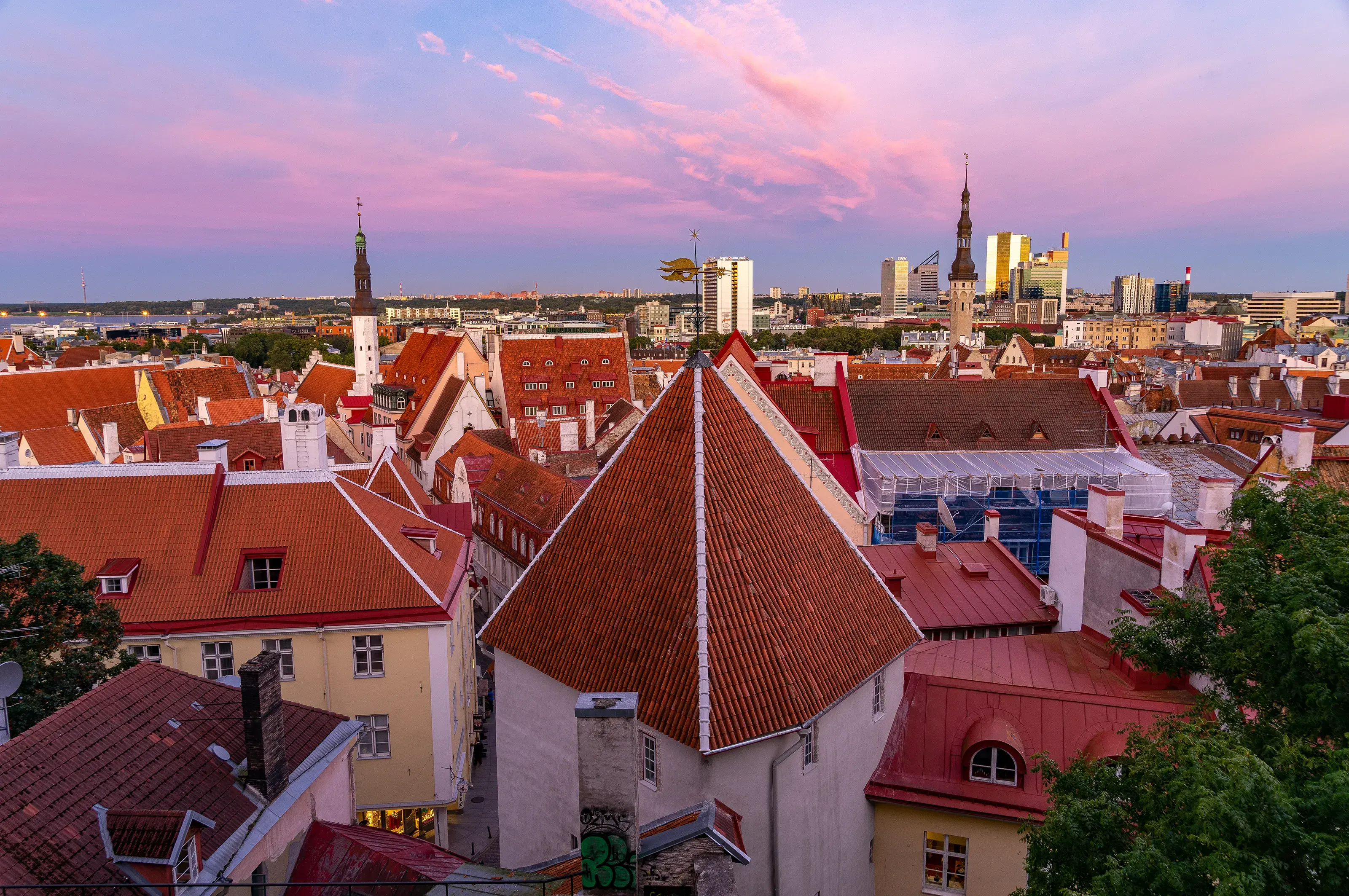
Unlock Global Freedom: Your Guide to Digital Nomad Visas (Even Without a 9-to-5)
Unlock global living! Learn how Digital Nomad Visas offer freedom for Americans, even with freelance or passive income. Requirements & top countries.