Living in Antigua and Barbuda: Cost of Living, Visas & Expat Life
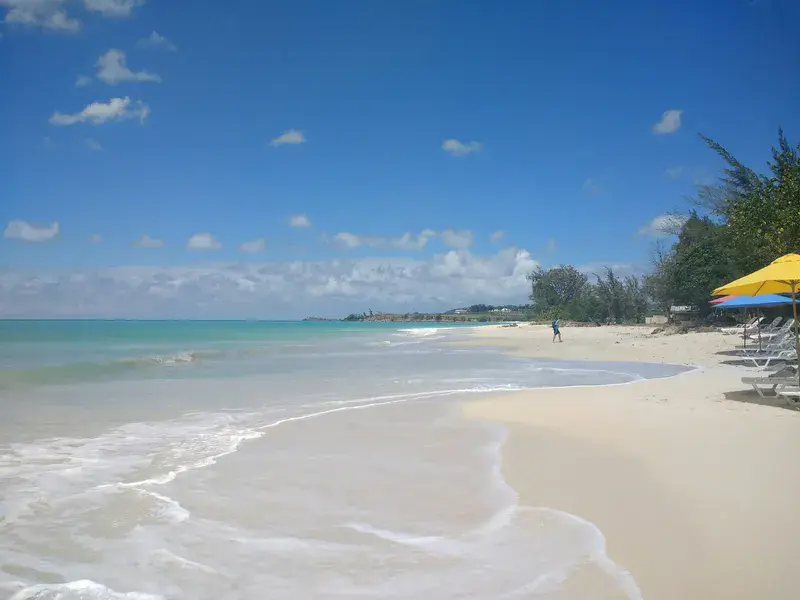
Picture this: 365 pristine beaches—one for every day of the year—crystalline turquoise waters lapping at pink and white sand, year-round sunshine averaging 80°F, and a laid-back island lifestyle where the biggest decision is which beach to visit today. But beyond the postcard beauty, Antigua and Barbuda offers living costs approximately 58% lower than the United States, making it an increasingly attractive destination for anyone considering retiring abroad or pursuing early retirement through geographic arbitrage.
This twin-island nation in the Eastern Caribbean isn't just another tropical paradise—it's a strategic lifestyle and financial decision wrapped in natural beauty. With no personal income tax, no capital gains tax, and a stable political environment as part of the Commonwealth, life in Antigua and Barbuda offers something increasingly rare: the perfect combination of island serenity, modern infrastructure, and genuine financial advantages.
Antigua and Barbuda at a Glance
Whether you're dreaming of retiring in Antigua and Barbuda, establishing a remote work base, or seeking citizenship through investment, this comprehensive guide covers everything you need to know about moving to Antigua and Barbuda in 2025.
Understanding the Real Cost of Living in Antigua and Barbuda
Let's address the elephant in the room: yes, Antigua can be expensive, but cost of living is subjective without proper comparisons. While it's pricier than some Caribbean neighbors, it remains 52% less expensive than the United Kingdom, making it substantially more affordable than most Western countries. For those exploring budget-friendly retirement destinations, Antigua offers a compelling middle ground between luxury and affordability.
Housing Costs: What to Expect
Housing typically represents your largest expense when moving to Antigua and Barbuda. Expect to spend between $740 and $1,740 monthly for a one-bedroom apartment, and between $1,480 and $2,500 for a three-bedroom apartment, depending on location.
Rental Market Overview (2025):
Location Type | 1-Bedroom | 3-Bedroom | Notes |
|---|---|---|---|
City Center (St. John's) | $1,000-$1,740 | $2,000-$2,500 | Access to amenities, hospitals, shopping |
Outside City Center | $700-$900 | $1,200-$1,800 | Quieter, more affordable, car recommended |
Premium Areas (Jolly Harbour, English Harbour) | $1,200-$2,000 | $2,500-$4,000 | Marina access, expat communities, luxury amenities |
The rental market favors tenants who shop locally and avoid the high-end tourist areas. Many expats find excellent value in residential neighborhoods like Crosbies, Gambles, or inland areas near Old Road, where you'll live alongside locals rather than in exclusive enclaves.
Daily Living Expenses
Groceries and Food:
Food costs vary dramatically based on your shopping habits. Local markets offer fresh tropical produce at prices that will make you smile, while imported Western brands command premium prices due to shipping costs.
Category | Local Products | Imported Products | Strategy |
|---|---|---|---|
Fresh Produce | Affordable (bananas $1.50/lb, mangoes $2/lb) | Limited availability | Shop at Saturday morning market in St. John's |
Meat & Seafood | Fresh catch daily, reasonable | Expensive ($12-18/lb for beef) | Buy local fish, chicken from local vendors |
Staples (rice, beans) | Very affordable | 30-50% more expensive | Stock up on local brands at supermarkets |
Alcohol | Local rum $15-25/bottle | Imported wine $20-50 | Embrace Cavalier rum and local beers |
A typical monthly grocery bill for one person ranges from $300-$500 if you shop smartly, or $600-$900 if you primarily buy imported brands.
Dining Out:
Restaurant meals offer excellent value compared to North American or European prices. Expect to pay $9-15 for a casual local meal, $25-40 for mid-range dining, and $60-100+ for upscale restaurants in tourist areas.
Utilities and Internet
Monthly Utility Costs:
- Electricity: $150-$290 (air conditioning dramatically increases costs)
- Water: $30-$50
- Internet (fiber): $70-$120 for reliable speeds
- Mobile phone: $40-$80 depending on data needs
The island's reliance on imported fuel means electricity costs run higher than you might expect. Many expats invest in ceiling fans, natural ventilation, and strategic air conditioning use to manage costs.
Transportation
Owning a Vehicle:
Most expats in Antigua and Barbuda own a car, as public transportation is limited and infrequent. Consider these costs:
- Used vehicle: $8,000-$15,000 (cars are more expensive due to import duties)
- Gasoline: $5-6 per gallon
- Insurance: $800-$1,500 annually
- Registration: $150-$300 annually
Alternatively, taxis are readily available but add up quickly for daily use ($10-15 for short trips, $25-40 to the airport).
Healthcare Costs
Healthcare represents a critical consideration when retiring in Antigua and Barbuda. The island offers both public and private options, and understanding the differences between healthcare abroad and the US system is essential for making informed decisions.
Public Healthcare:
The Medical Benefits Scheme (MBS) provides coverage for chronic illnesses, with income-based contributions: 5% of earnings up to EC$4,500 and 6% for amounts exceeding that.
Private Healthcare:
Private clinic consultations typically cost around $70 per visit, while basic health insurance plans start at approximately $240 to $375 per month for middle-aged expatriates. For those planning early retirement, reviewing healthcare strategies for FIRE can help you prepare adequately.
Major medical facilities include Mount St. John's Medical Centre (the main public hospital with 185 beds) and Adelin Medical Centre (private facility). For specialized treatments not available locally, medical evacuation to Puerto Rico, Miami, or Barbados may be necessary—making comprehensive international health insurance essential for retirees. Understanding Medicare versus international health insurance is crucial for American retirees.
Total Monthly Budget Estimates
Lifestyle | Single Person | Couple | Notes |
|---|---|---|---|
Budget-Conscious | $1,500-$2,000 | $2,500-$3,200 | Local shopping, modest apartment, limited dining out |
Comfortable | $2,500-$3,500 | $4,000-$5,000 | Nice apartment, balanced local/imported food, regular dining out |
Luxury | $4,500-$7,000+ | $7,000-$10,000+ | Premium housing, imported goods, frequent entertainment |
These estimates exclude property purchases, citizenship by investment fees, or major one-time expenses. For those interested in retiring abroad on $1,000 per month, Antigua may be challenging, but nearby destinations offer more budget-friendly options.
Visa Options and Pathways to Living in Antigua and Barbuda
Unlike some Caribbean destinations, there is no designated Antigua and Barbuda retirement visa. However, several pathways allow you to establish long-term residency or citizenship. For those seeking retirement visas without income proof requirements, other destinations may be more suitable.
1. Tourist Visa Extensions
Most nationalities receive visa-free entry for 30-90 days. British passport holders enjoy up to 6 months of visa-free stay. Tourist stays can be extended through the Antigua and Barbuda Immigration Department by paying extension fees and demonstrating financial means.
Best for: Short-term stays, "testing" island life before committing, or snowbird retirement arrangements
2. Nomad Digital Residence (NDR) Visa
Launched in 2020, the NDR program targets remote workers and digital entrepreneurs. The program requires earning at least $50,000 annually and offers a two-year legal remote work base with family inclusion and low taxes.
Key Requirements:
- Annual income of $50,000+
- Proof of remote employment or business
- Clean criminal record
- Fees: $1,500 per person, $2,000 for couples, $3,000 for families

Tax Benefits:
Under the NDR visa, you pay zero income tax on foreign earnings for two years.
Apply online through the official NDR portal. For comparison with other remote work options, check out digital nomad visas offering global freedom.
Best for: Digital nomads, remote workers, younger professionals building location-independent careers
3. Annual Resident Permit
Available for those who want longer-term residency without large investments. Requirements include demonstrating financial means, securing accommodation, and passing background checks. Permits are renewable annually through the Antigua and Barbuda Immigration Department.
Best for: Retirees or long-term residents who don't qualify for other programs
4. Tax Residency Program
The Tax Residency Program requires a minimum annual income of $100,000 and an annual flat tax of $20,000, offering permanent residency with significant tax advantages. This makes Antigua one of the world's premier tax-free retirement havens.
Key Requirements:
- Minimum annual income: $100,000
- Physical presence: 30 days per year minimum
- Flat annual tax: $20,000 (regardless of actual income)
- Must own or rent property in Antigua and Barbuda
Tax Benefits:
- No tax on worldwide income beyond the $20,000 flat fee
- No capital gains tax
- No inheritance tax
- No wealth tax
Best for: High-income retirees, business owners, investors seeking tax optimization
5. Citizenship by Investment (CBI)
Antigua's citizenship program offers several investment routes with a minimum donation of $230,000, granting full citizenship, passport, and residency rights.
Investment Options:
Option | Investment Amount | Details |
|---|---|---|
National Development Fund | $230,000 (single) / $245,000 (family of 4) | Direct contribution to government fund |
Real Estate | $300,000 minimum | Pre-approved property, must hold 5 years |
University of West Indies Fund | $260,000 | Includes one family member's scholarship |
Business Investment | $400,000 minimum | Establish qualifying business |
Passport Benefits:
Antigua and Barbuda's passport ranks 27th globally in 2025, offering visa-free access to 153 countries, including the UK, Schengen Area, Singapore, and Hong Kong.
Processing Time: 4-8 months from application to approval
Best for: High-net-worth individuals, families seeking second citizenship, investors wanting visa-free global mobility
Learn more through the official Citizenship by Investment Unit.
Healthcare System: What Expats Need to Know
Healthcare quality in Antigua and Barbuda sits solidly in the "good" category for the Caribbean, though it doesn't match major Western medical centers. Understanding the full scope of overseas health coverage options is essential before relocating.
Public Healthcare System
The government-funded healthcare system centers on Mount St. John's Medical Centre, which opened in 2009 with modern facilities and 185 beds. For more information, visit the Antigua and Barbuda Ministry of Health website. The facility offers:
- Emergency services (24/7)
- General surgery and orthopedics
- Diagnostic imaging (X-ray, CT, MRI)
- Pharmacy services
- Outpatient clinics
Twenty-five health centers scattered across both islands provide primary care and routine services.
Private Healthcare
Adelin Medical Centre leads the private sector, offering:
- Modern diagnostic equipment
- Specialized consultations
- Shorter wait times
- International-standard facilities
Private care costs significantly more than public services, but still remains affordable compared to the United States. For perspective on costs, see our guide on US doctor costs abroad.
Medical Evacuation Considerations
For serious emergencies or specialized procedures unavailable locally (advanced cancer treatment, complex cardiac surgery, certain neurological procedures), medical evacuation to Puerto Rico, Miami, or Barbados becomes necessary. This reality makes comprehensive international health insurance non-negotiable for most expats.
Recommended Insurance Providers:
- Cigna Global
- Allianz Care
- GeoBlue
- IMG Global Medical Insurance
Budget $3,000-$6,000 annually for comprehensive international coverage including medical evacuation.
Prescription Medications
Most common medications are available at local pharmacies, though selection is more limited than in larger countries. Bring several months' supply of any critical medications when relocating, and confirm local availability. Some expats arrange periodic shipments from home countries for specialized prescriptions.
Real Estate and Housing Market
The real estate market in Antigua and Barbuda offers diverse options from beachfront luxury villas to modest apartments, with most expats initially renting before committing to purchase.
Popular Residential Areas
St. John's (Capital City):
The economic heart of the nation offers urban convenience with Caribbean character. Expect more traffic, noise, and development, but also superior access to medical facilities, shopping, dining, and government services. Real estate in St. John's ranges from $200,000 for condos to $1.8 million for luxury homes.
Jolly Harbour:
This purpose-built resort community on the southwest coast appeals to expats seeking marina access, golf courses, and established international community. Two-bedroom waterfront condos start around $350,000, with luxury villas exceeding $1.5 million. Monthly expenses for couples average $2,500-$5,000.
English Harbour:
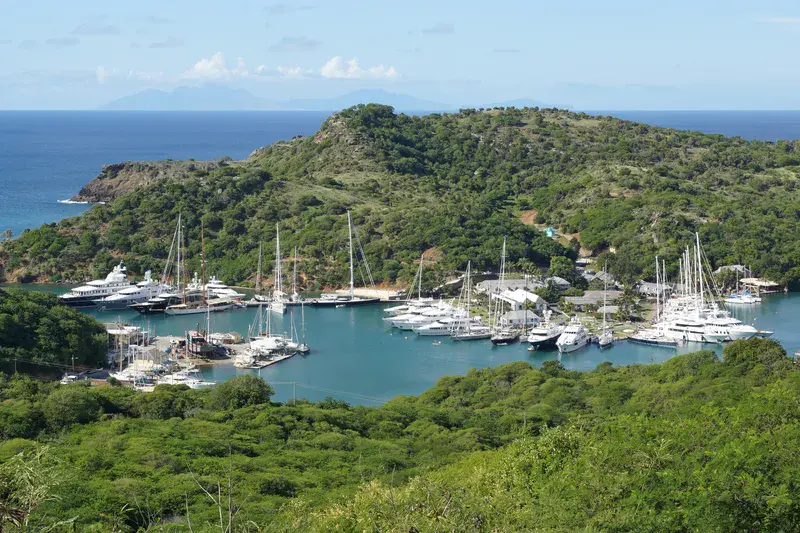
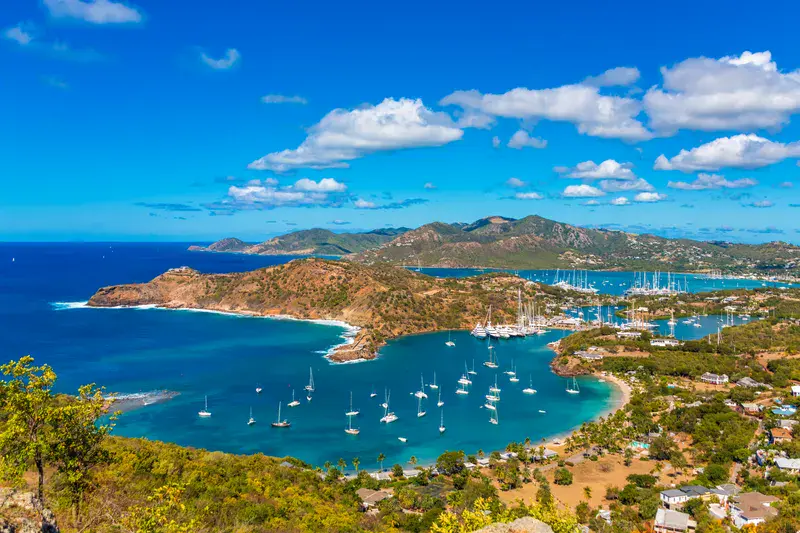
Rich in history and home to Nelson's Dockyard UNESCO World Heritage site, this area attracts culturally-minded expats and sailing enthusiasts. Apartments start at $250,000, with luxury waterfront properties reaching $2 million. Monthly costs range from $2,000-$4,000.
Falmouth Harbour:
Adjacent to English Harbour, Falmouth offers stunning views and a close-knit sailing community in a more laid-back setting. Properties range from $300,000 to $1.2 million, with monthly expenses of $1,500-$3,000.
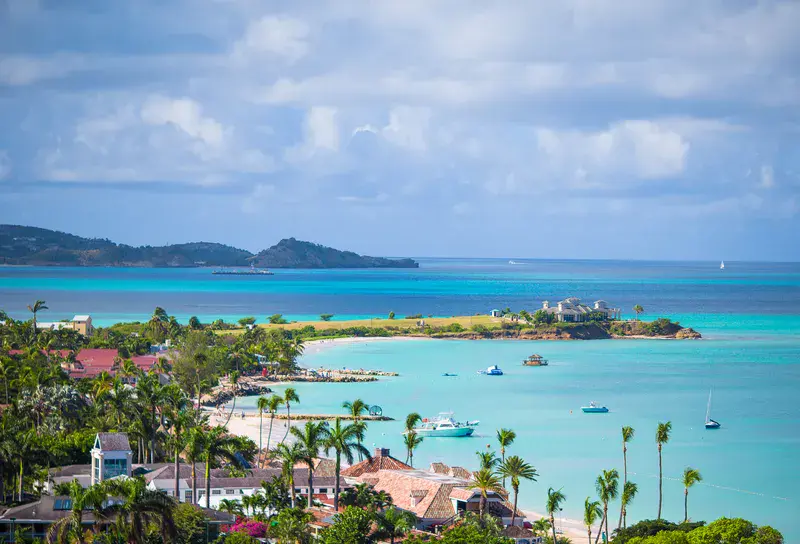
Dickenson Bay:
Northern coast location known for tourism infrastructure, restaurants, and beautiful beaches. More commercial than residential, but offers convenient access to amenities.
Codrington (Barbuda):
For nature enthusiasts seeking tranquility, Codrington on Barbuda offers homes ranging from $150,000 to $800,000, with monthly expenses of $2,500-$3,500. Far less developed than Antigua, Barbuda provides untouched natural beauty but limited infrastructure.
Property Purchase Process for Foreigners
Alien Landholding License:
Foreign buyers must obtain an Alien Landholding License before purchasing property, costing 5% of the purchase price. However, investors through the Citizenship by Investment program bypass this requirement. For details, contact the Ministry of Legal Affairs.
Additional Purchase Costs:
- Legal fees: 1-2% of purchase price
- Stamp duty: 2.5-7.5% depending on property value
- Property transfer tax: Approximately 7.5%
- Real estate agent commission: Typically 5% (paid by seller)
Annual Property Taxes:
Property Type | Tax Rate | Notes |
|---|---|---|
Residential (under EC$400,000) | 0.2% of market value | Most expat homes |
Residential (over EC$400,000) | 0.3% of market value | Luxury properties |
Commercial | 0.5% of market value | Rental properties |
Vacant land (non-residents) | 10-20% of market value | Penalty for undeveloped holdings |
Rental Market Insights
The rental market tightens during high season (December-April) when tourists and seasonal residents arrive. Secure housing before arrival if possible, or plan to arrive during off-season (May-November) for better selection and negotiating power.
Rental Tips:
- Most leases require first month, last month, and security deposit upfront
- Furnishing varies widely—clarify what's included
- Utilities often excluded from rent
- Annual leases are standard, though some landlords offer flexibility
- Consider proximity to necessities—not having a car in remote areas becomes challenging
Tax Advantages That Make Antigua and Barbuda Unique
The tax environment represents one of the most compelling reasons for moving to Antigua and Barbuda, particularly for retirees and investors. The country ranks among the world's top global retirement tax havens.
Personal Income Tax: Zero
Since April 2016, Antigua and Barbuda abolished personal income tax entirely. This means:
- No tax on employment income earned locally
- No tax on foreign-sourced income (pensions, dividends, rental income abroad)
- No tax on investment returns
- No complex tax filing requirements
Other Absent Taxes
- Capital Gains Tax: None
- Inheritance Tax: None
- Wealth Tax: None
- Gift Tax: None
Tax Residency Status
An individual becomes a tax resident by spending 183 days or more in Antigua and Barbuda during a calendar year, or by having a legal residence in the country. For more information, visit the Inland Revenue Department.
Double Taxation Treaties
Antigua and Barbuda maintains double taxation treaties with the UK and CARICOM members, preventing dual taxation on the same income. This provides peace of mind for retirees receiving pensions from abroad or maintaining investment income in their home countries.
U.S. Citizens: Important Note
American expats must still file U.S. tax returns and potentially pay U.S. taxes regardless of where they live, due to citizenship-based taxation. However, foreign earned income exclusions (up to $120,000 for 2024) and foreign tax credit provisions often minimize or eliminate actual tax liability. Our comprehensive tax guide for US expats retiring abroad explains these complexities in detail. Consult a qualified international tax advisor specializing in expat taxation before relocating.

Expat Life and Community
Demographics and Community
Antigua and Barbuda hosts a well-established international community alongside the local population of approximately 95,000. The expat population includes:
- British retirees and investors (historical Commonwealth ties)
- American retirees and remote workers
- Canadian snowbirds
- European professionals and entrepreneurs
- Caribbean nationals from neighboring islands
For perspective on how Americans retire overseas successfully, many of the same principles apply to Antigua.
Cultural Integration
Antiguans and Barbudans are generally welcoming to foreigners who show genuine interest in local culture and respect island traditions. The laid-back Caribbean lifestyle operates on "island time"—expect flexibility with schedules, patience when dealing with bureaucracy, and a more relaxed approach to daily life than you might be accustomed to.
Cultural Tips:
- Greeting people with "good morning/afternoon/evening" is essential
- Dress modestly when shopping or conducting business in town
- Beach attire is for the beach—not the supermarket
- Cricket is serious business during matches
- Carnival in August showcases vibrant local culture
- Sunday is family and church day—many businesses close
Social Activities and Lifestyle
Water Sports and Sailing:
With 365 beaches and pristine waters, water activities dominate expat leisure time. Sailing regattas (Antigua Sailing Week in April/May), diving, snorkeling, kitesurfing, and fishing attract water sports enthusiasts year-round.
Golf:
Cedar Valley Golf Club (18 holes) provides the island's only championship course, popular with expat golfers.
Hiking and Nature:
Trails through the rainforest, historical sites like Shirley Heights, and Barbuda's pristine natural areas offer excellent hiking opportunities.
Dining and Entertainment:
From casual beach bars serving fresh catch and local cuisine to upscale dining in Jolly Harbour and English Harbour, the food scene balances Caribbean flavors with international options. Live music venues, beach parties, and yacht clubs provide regular entertainment.
Expat Groups and Networks:
- American Women's Group
- Various yacht club social events
- Business networking groups
- Online expat forums and Facebook groups
Education (For Families)
International families have limited but adequate schooling options. For details, contact the Ministry of Education:
- Island Academy International School: American curriculum, preschool through grade 12
- Antigua Grammar School: Traditional British-style education
- Private tutoring: Available for homeschooling support
Many expat families with older children consider boarding schools abroad or online international schools for high school years.
Working in Antigua and Barbuda
Employment opportunities for expats primarily exist in:
- Tourism and hospitality management
- Real estate and property management
- Yacht services and marine industries
- Financial services
- Remote work (bringing your own job)
Work permits require employer sponsorship and prove that no qualified local can fill the position—making remote work through the NDR visa often more practical for most expats. Learn more from the Ministry of Labour.
Climate, Geography, and Practical Considerations
Climate
Antigua and Barbuda enjoys a tropical maritime climate with minimal variation:
- Average temperature: 80°F (27°C) year-round
- High season (dry): December-April (75-85°F, minimal rain)
- Low season (wet): June-November (80-90°F, afternoon showers)
- Hurricane season: June-November (most activity September-October)
The islands sit in the hurricane belt, though direct hits are relatively rare. Hurricane Irma in 2017 devastated Barbuda (95% of structures damaged), while Antigua sustained much less damage—a reminder to maintain comprehensive insurance and emergency preparedness. Our guide on emergency preparedness for retirees abroad provides essential strategies for hurricane-prone regions.
Geography and Infrastructure
Antigua: 108 square miles of rolling hills, beaches, and development. V.C. Bird International Airport provides connections to North America, Europe, and other Caribbean islands. Roads vary from good to challenging—expect potholes, especially after heavy rains.
Barbuda: 62 square miles of flat, pristine wilderness. Far less developed, accessible by small plane or ferry. Perfect for nature lovers, challenging for those seeking conveniences.
Internet and Connectivity
Reliable internet exists in developed areas, crucial for remote workers:
- Fiber broadband: Available in St. John's, Jolly Harbour, and other major areas (50-300 Mbps)
- Cable internet: Widely available (20-100 Mbps)
- Mobile data: 4G LTE coverage in populated areas
- Satellite internet: Option for remote locations
Providers include Flow, Digicel, and smaller ISPs. Most digital nomads and remote workers find connectivity adequate for video calls and standard work tasks.
Safety and Security
Antigua and Barbuda maintains a safety index of approximately 72.5 as of early 2024, indicating low crime levels. Petty theft and opportunistic crime occur in tourist areas, but violent crime against tourists remains rare. For current safety information, visit the Royal Police Force of Antigua and Barbuda website.
Safety Tips:
- Lock vehicles and homes
- Avoid displaying expensive jewelry in public
- Be cautious in isolated areas after dark
- Use common sense as you would in any destination
- Join neighborhood watch programs in your community

Practical Steps: Your Roadmap to Moving to Antigua and Barbuda
Phase 1: Research and Planning (3-6 months before)
1. Determine Your Visa Strategy
Visit the RewireAbroad Visa Pathways tool to compare options based on your situation—whether you're pursuing the NDR visa, Tax Residency Program, or Citizenship by Investment.
2. Assess Your Financial Readiness
Use the FIRE Calculator to determine if your retirement savings can support your lifestyle in Antigua and Barbuda. For those considering early retirement abroad, the FIRE calculator guide explains how to maximize this tool. The FIRE Procrastination Calculator shows the cost of delaying your retirement abroad plans.
Calculate potential savings using the Geo-Arbitrage Savings Calculator to see exactly how much you'll save monthly by relocating from your current location.
3. Compare Your Options
Not sure if Antigua and Barbuda is right for you? Use the Country Search tool to compare retirement destinations based on your priorities—cost of living, healthcare, climate, visa requirements, and more. Browse the Country Directory to explore alternative Caribbean options like Grenada or other popular expat destinations.
For comprehensive rankings of retirement destinations, check out our guide to the best countries to retire abroad.
4. Evaluate Your Readiness
Take the Expat Readiness Quiz to identify potential challenges and blind spots before making the leap.
Phase 2: Exploratory Visit (1-2 months)
Visit During Both Seasons:
Spend time during high season (December-April) to experience the vibrant tourist atmosphere, and return during low season (June-November) to see daily life and rainy weather patterns.
Research Neighborhoods:
Tour potential residential areas, visit local supermarkets, healthcare facilities, and beaches. Meet expats at yacht clubs, restaurants, and community events to gather insider insights.
Consult Professionals:
- Real estate agents (for rental and purchase options)
- Immigration attorneys (for visa strategy) - contact the Immigration Department
- International tax advisors (for tax planning)
- Insurance brokers (for health and property coverage)
Phase 3: Legal and Financial Preparation (2-4 months before)
Visa Application:
Begin your chosen visa process—applications typically take 2-8 months depending on the program selected. Apply through the appropriate government portal:
Financial Arrangements:
- Establish international banking (some expats maintain accounts in both countries) - consider the challenges outlined in our guide to digital nomad banking issues
- Arrange pension and investment transfers if needed
- Set up automated bill payments for any remaining obligations in your home country
- Consider using the Dividend Portfolio Shield to protect your investment income during market volatility
- Compare investment strategies using the DRIP vs NAV Comparison Calculator
- Review our FIRE tax optimization playbook for maximizing your savings
Document Preparation:
- Passport valid for at least 6 months beyond planned arrival
- Birth certificates and marriage certificates
- Police clearances
- Medical records and vaccination history
- Insurance policies
- Financial statements proving required income levels
Phase 4: The Move (1-2 months)
Shipping Belongings:
Most expats ship essential items via sea freight (6-12 weeks) and bring immediate necessities by air. Consider purchasing furniture locally to avoid shipping costs and delays.
Temporary Accommodation:
Book short-term housing (Airbnb, hotel, vacation rental) for your first 2-4 weeks while apartment hunting.
Essential Setup:
- Open local bank account
- Purchase vehicle or arrange transportation
- Establish utility accounts
- Register with your embassy
- Secure health insurance
- Find healthcare providers
- Connect with expat community
Phase 5: Integration (First 3-6 months)
Cultural Adaptation:
Embrace island time, build relationships with neighbors, explore the islands thoroughly, and participate in local events and traditions.
Financial Optimization:
Refine your budget based on actual spending, identify cost-saving opportunities, establish routines for grocery shopping and meal planning.
Community Building:
Join expat groups, participate in social activities, volunteer if interested, and develop friendships with both expats and locals.
Challenges and Considerations
Island Logistics
Living on a small island means:
- Limited selection: Fewer choices for everything from groceries to contractors
- Import dependencies: Most goods are imported, affecting prices and availability
- Slower pace: Bureaucracy and services operate on "island time"
- Hurricane preparedness: Annual risk requires planning and insurance
- Medical limitations: Some treatments require leaving the island
Island Fever
The islands' small size (170 square miles combined) can feel constraining after the novelty wears off. Some expats experience "island fever"—feeling trapped or bored after exhausting local activities. Combat this by:
- Maintaining hobbies and interests from home
- Taking periodic trips off-island
- Staying engaged with online communities
- Developing new skills or projects
- Exploring lesser-known parts of both islands
Cultural Differences
Adjusting to Caribbean culture requires patience and open-mindedness:
- Direct communication styles differ
- Bureaucracy moves slowly
- "Island time" means flexibility with schedules
- Close-knit local communities may initially feel exclusive
- Different approaches to customer service and business
Limited Healthcare
While adequate for routine care, the healthcare system's limitations require realistic expectations and comprehensive insurance for serious conditions.
Distance from Home
Geographic isolation means:
- Expensive flights to visit family
- Time zone differences complicate communication
- Missing important family events
- Shipping items from home is costly and slow

Comparing Antigua and Barbuda to Other Caribbean Retirement Destinations
Antigua and Barbuda vs. Barbados
Advantages of Antigua and Barbuda:
- Lower cost of living overall
- Less crowded
- More pristine beaches
- CBI program offers faster path to citizenship
Advantages of Barbados:
- Better healthcare facilities
- More developed infrastructure
- Larger expat community
- More international flights
Antigua and Barbuda vs. St. Lucia
Advantages of Antigua and Barbuda:
- Flatter terrain (easier for retirees with mobility issues)
- More beaches
- Longer history of international community
Advantages of St. Lucia:
- More dramatic natural beauty (the Pitons)
- Better hiking and eco-tourism
- Similar CBI program at similar price point
Antigua and Barbuda vs. Grenada
Advantages of Antigua and Barbuda:
- Better beaches
- More established infrastructure
- Stronger sailing/yacht community
Advantages of Grenada:
- Lower overall cost of living
- More spice and agricultural tourism
- Similar tax advantages
For a detailed comparison, read our comprehensive guide to living in Grenada.
Antigua and Barbuda vs. Cayman Islands
Advantages of Antigua and Barbuda:
- Far more affordable
- Better value for money
- Citizenship by investment option
Advantages of Cayman Islands:
- World-class financial services
- Superior healthcare
- Better international schools
Living in Antigua and Barbuda offers an exceptional quality of life for the right person—but it's not for everyone.
Understanding the full comparison of retiring abroad versus staying in the US can help you make this important decision.
Long-Term Sustainability: Making It Work
Building a Financial Cushion
Beyond your regular budget, maintain an emergency fund covering 6-12 months of expenses. Island living brings unexpected costs: hurricane damage, medical evacuation, emergency flights home, vehicle repairs on rough roads, or home repairs from salt air and humidity. Our guide to building an expat emergency fund provides detailed strategies.
Creating Income Streams
While many retirees live on pensions and savings, some expats create supplemental income through:
- Vacation rental management: Property management for absentee owners
- Remote consulting: Leveraging professional expertise online
- Yacht services: Provisioning, maintenance, captaining
- Real estate services: Assisting new arrivals
- Content creation: Writing, photography, videography about island life
- Small business ventures: Restaurants, bars, tour operations (requires significant investment and work permits)
For those looking to generate additional income, explore our guide on building remote income for FIRE.
Maintaining Connections
Successful long-term expats maintain ties to their home countries while building new lives in Antigua:
- Regular video calls with family
- Annual visits home (budget $1,500-$3,000 for flights)
- Subscriptions to home country streaming services (VPN required)
- Participation in online communities from home
- Care packages with items unavailable locally
Health Maintenance
Proactive health management becomes essential:
- Annual comprehensive checkups (potentially combine with home country visits)
- Preventive care and healthy lifestyle choices
- Regular dental care (consider dental tourism to Costa Rica or Mexico for major work)
- Eye care (bring extra glasses/contacts)
- Prescription medication planning
Ready to Rewire your Life?
Sign up to receive updates and insights.
By submitting your email address, you will receive a free subscription to RA Postcards and special offers from Rewire Abroad and our affiliates. You can unsubscribe at any time, and we encourage you to read more about our Privacy Policy.
Real Expat Stories: Life in Antigua and Barbuda
The Early Retirement Couple
Sarah and Mark, both 52, left Boston in 2022 after selling their tech company. Through the Tax Residency Program, they pay $20,000 annually in taxes versus the $85,000+ they paid in Massachusetts. Living in a Jolly Harbour villa ($2,800/month rental), they spend roughly $5,500 monthly total—less than half their Boston expenses. Sarah sails competitively, while Mark consults remotely 10 hours weekly. Their biggest surprise? "How quickly the island feels like home. After six months, Boston felt like the foreign place."
Their story echoes many success stories in our real geoarbitrage experiences article.
The Remote Worker
Jake, 34, moved from London in 2021 under the NDR visa program. Working as a software developer, he maintains his UK salary while enjoying zero income tax on foreign earnings. Living outside St. John's ($900/month apartment), his total monthly expenses run $2,200—compared to £3,800 in London. "The lifestyle upgrade is incredible. I finish work and I'm at the beach in 15 minutes. Weekends are sailing, diving, or exploring new beaches. I don't miss the tube or the rain."
The Traditional Retiree
Margaret, 68, retired to English Harbour in 2019 after her husband passed. Drawing a UK pension and living in a modest two-bedroom apartment ($1,400/month), she spends approximately $2,800 monthly. "I was lonely in Surrey after losing Edward. Here, I've found a wonderful community at the yacht club. I volunteer at the museum, I'm learning to paint, and I've made genuine friendships. The warmth—both climate and people—has given me a second chapter I didn't expect."
Supporting Resources and Tools for Your Move
Planning your move to Antigua and Barbuda requires careful consideration of multiple factors. These specialized tools help you make informed decisions:
Financial Planning Tools
Understanding Early Retirement Abroad:
If you're considering early retirement, the FIRE Calculator helps determine if your savings can sustain your lifestyle in Antigua and Barbuda. Input your current savings, expected expenses, and timeline to see if early retirement abroad is financially viable. For those in their 40s specifically, check out our guide on achieving FIRE in your 40s.
The FIRE Procrastination Calculator reveals the real cost of delaying your retirement abroad plans—often thousands in additional expenses and years of missed island living. Our article on the latte myth and FIRE procrastination explores this concept further.
Savings Analysis:
The Geo-Arbitrage Savings Calculator shows exactly how much you'll save monthly by moving from your current location to Antigua and Barbuda, accounting for differences in housing, healthcare, food, and transportation costs.
Investment Protection:
For retirees relying on investment portfolios, the Dividend Portfolio Shield helps protect your income stream during market volatility—critical when living abroad with limited emergency support. Learn more about optimizing your investment strategy.
The DRIP vs NAV Comparison Calculator helps optimize your investment strategy for retired life abroad, comparing different approaches to portfolio management. Avoid common FIRE investment mistakes that could cost you years of work.
Understanding the latest research on the 4% rule is crucial for planning sustainable retirement withdrawals.

Destination Selection Tools
Comprehensive Country Comparison:
Not completely sure Antigua and Barbuda is your ideal destination? The Country Search tool allows you to compare dozens of retirement destinations based on your specific priorities—cost of living, climate, healthcare quality, visa requirements, tax advantages, and lifestyle factors.
Browse the Country Directory for detailed profiles of alternative Caribbean destinations, European retirement havens like Portugal, or other global options. Consider exploring our comparison guides:
For those on tighter budgets, explore destinations where you can retire on $2,000/month or discover countries that slash your FIRE age.
Immigration and Readiness Assessment
Visa Strategy:
The Visa Pathways tool compares different visa options for Antigua and Barbuda based on your situation—age, income level, work status, and goals—helping you choose between the NDR visa, Tax Residency Program, or Citizenship by Investment. Be aware of common visa violations and residency mistakes.
Personal Readiness:
Take the Expat Readiness Quiz to identify potential challenges before moving. This assessment reveals blind spots in your planning and suggests specific areas to address before relocating.
Frequently Asked Questions
Click any question to expand the answer.
Conclusion: Your Island Life Awaits
Moving to Antigua and Barbuda represents more than a geographic relocation—it's a fundamental lifestyle transformation. Trading snowstorms for sunshine, commutes for beach walks, and tax burdens for financial freedom creates an entirely different daily existence.
The islands offer genuine advantages for retirees, early retirement seekers, and remote workers: substantial tax benefits, significantly lower living costs than most Western countries, 365 beaches providing endless natural beauty, warm year-round climate, welcoming expat communities, and multiple pathways to legal residency or citizenship. These aren't marketing promises—they're daily realities for thousands of expats who've made Antigua and Barbuda home.
Yet island living demands realistic expectations. Healthcare limitations, import dependencies, hurricane risks, small-island logistics, cultural adjustments, and geographic isolation present genuine challenges. Success requires adaptability, financial cushioning, patience with bureaucracy, comfort with slower paces, and genuine appreciation for what island life offers rather than fixation on what it lacks.
The bottom line: If you value natural beauty, outdoor lifestyles, financial optimization, and community over convenience, variety, and urban amenities, retiring in Antigua and Barbuda could be your best decision. If you need extensive medical facilities, constant stimulation, diverse amenities, and quick access to everything, you'll likely find island life frustrating.
Start your journey by thoroughly researching your options. Use the Country Search tool to compare Antigua and Barbuda against other retirement destinations. Calculate your financial readiness with the FIRE Calculator and Geo-Arbitrage Savings Calculator. Explore visa options through Visa Pathways, and assess your readiness with the Expat Readiness Quiz.
Then—and this is crucial—visit Antigua and Barbuda before committing. Spend time in different areas during different seasons. Talk to current expats. Experience daily life beyond tourist attractions. Imagine yourself in the reality, not the fantasy.
For those who take the leap with eyes wide open, life in Antigua and Barbuda offers something increasingly rare: the space and freedom to design your days around what truly matters to you. Whether that's sailing turquoise waters, building a thriving remote business, or simply reading a book on a different beach every day—your island life awaits. 🌴
Next Steps: Take Action Today
Ready to explore living in Antigua and Barbuda?
- Compare destinations: Use the Country Search tool to see how Antigua and Barbuda stacks up against alternatives
- Check your finances: Calculate retirement readiness with the FIRE Calculator
- Understand visa options: Explore pathways at Visa Pathways
- Calculate savings: See exact cost differences with the Geo-Arbitrage Savings Calculator
- Assess readiness: Take the Expat Readiness Quiz
- Browse alternatives: Explore the Country Directory for more options
- Book your exploratory visit: Experience the islands firsthand before deciding
Official Resources:
- Antigua and Barbuda Immigration Department
- Citizenship by Investment Unit
- Nomad Digital Residence Program
- Ministry of Agriculture (Pet Import)
- Antigua and Barbuda Government Portal
The question isn't whether Antigua and Barbuda offers a compelling retirement option—it clearly does for the right person. The real question is: are you that person? Only one way to find out. 🏝️☀️

Achieve FIRE Faster: 7 Proven Steps & Strategies to Early Financial Independence
Discover 7 actionable tips and strategies to accelerate your journey to financial independence, plus two bonus steps and proven resources.
Unlock Global Freedom: Your Guide to Digital Nomad Visas (Even Without a 9-to-5)
Unlock global living! Learn how Digital Nomad Visas offer freedom for Americans, even with freelance or passive income. Requirements & top countries.

Global Retirement Guide: Tax-Friendly Destinations & Estate Planning for Americans
Discover top tax-friendly countries for American retirees and essential estate planning tips to secure your financial future abroad.

Why Americans Are Choosing to Retire Overseas
Discover why more Americans are retiring abroad and explore the best destinations, cost comparisons, and real-life expat stories.