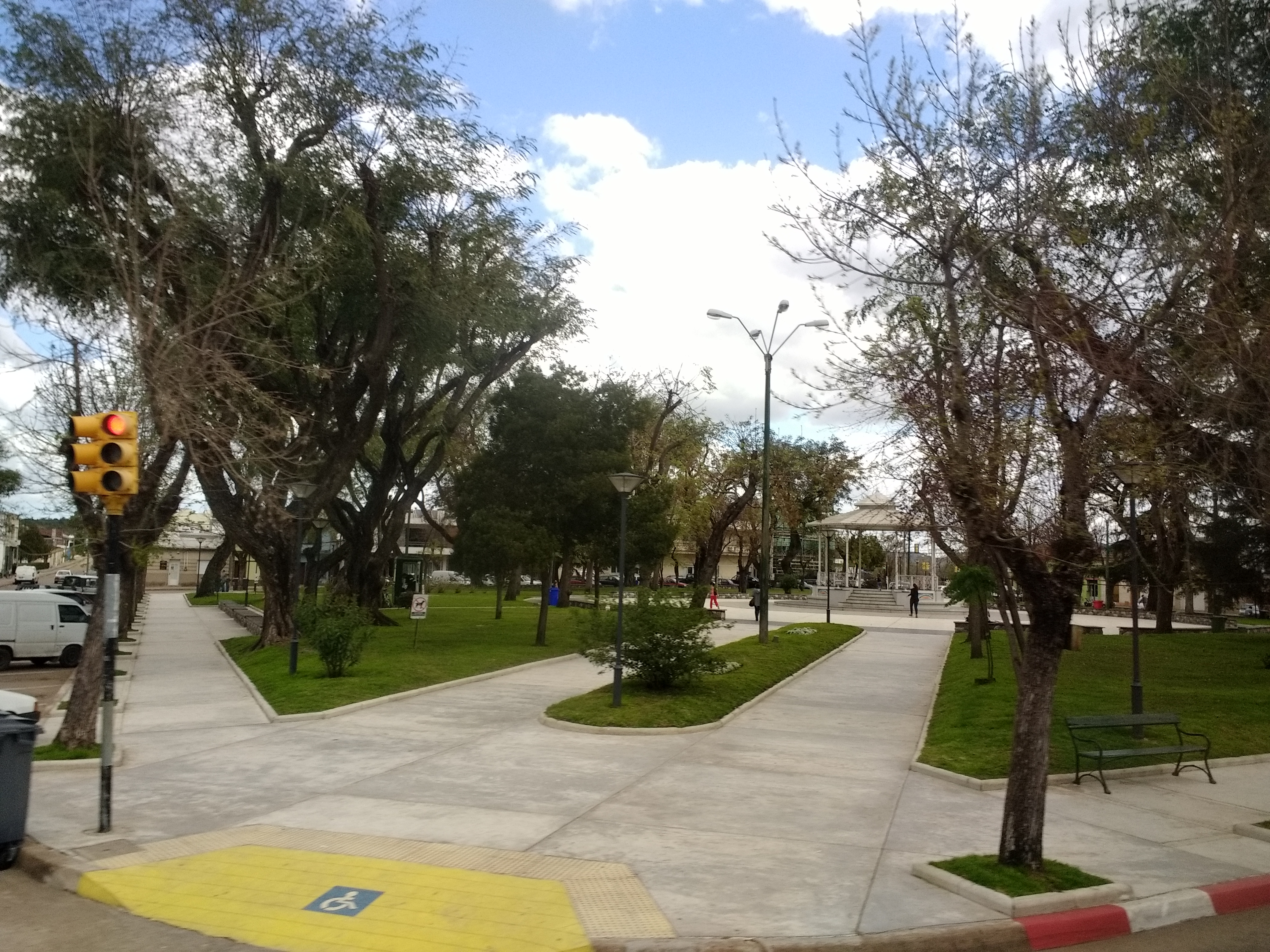
Minas sits in the rolling hills of Lavalleja department, about 149 m above sea level and roughly two hours from Montevideo in the America/Montevideo timezone. The climate is subtropical, with warm summers and cool, damp winters that shape daily life around the plaza and the surrounding countryside. Expats who settle here tend to choose Minas center, where the grid of streets puts markets, cafes, and services within walking distance. With a population of 38 thousand, the city keeps a small-town rhythm while still offering the basics of urban convenience.
Monthly costs in Minas run modest by regional standards. Utilities average $189/mo, internet service costs about $45/mo, and a mobile phone plan comes to $21/mo. An inexpensive restaurant meal is around $15 per person, while a mid-range meal for two with three courses runs about $69. A cappuccino at a restaurant costs roughly $5. Against those figures, the average monthly net salary locally is $850/mo, and a one-bedroom rental in the city center is estimated at $625/mo. Internet speeds average 62 Mbps, enough for streaming, video calls, and remote work.
Safety is a strong point, with a safety index of 60/100 and a crime index of 38/100, where lower is safer. Air quality is good, registering 35 on an index where lower is better. Healthcare quality is rated Fair, which means routine care and common procedures are available locally, while more complex treatment often means a trip to Montevideo. English proficiency is Limited, so a little Spanish goes a long way in everyday errands and social life. The expat community size is None, so newcomers should expect to build their own networks rather than plug into an established foreign circle.
For longer stays, Uruguay offers the Uruguay Retirement Visa, which requires a minimum monthly income of $1,500/mo, and the Digital Nomad Permit for remote workers. The nearest airport is MVD, just 2 km away, making arrivals and departures straightforward. Overall, Minas scores 59/100 for expats, 61/100 for retirees, and 49/100 for digital nomads. It suits retirees and slow travelers who want low costs, clean air, and a quiet base, while remote workers who need fast internet and a ready-made social scene may find the pace and the limited English a real adjustment.