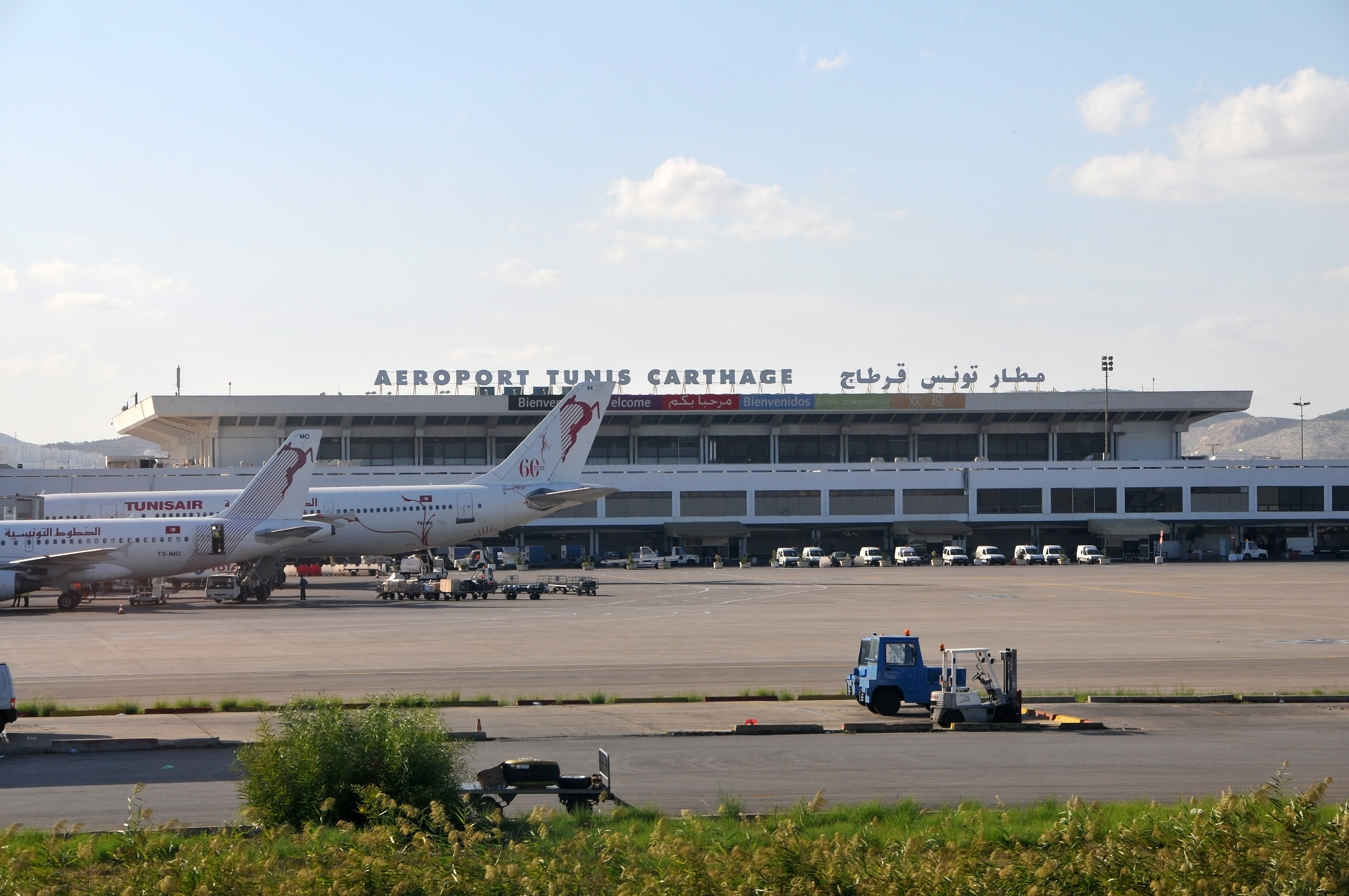
You can live here comfortably on very little, but you can't earn it here. The monthly nut runs about $450 before rent, and a one-bedroom in the city center costs just $101.75. That's not a typo. But here's the catch: the local job market is a locked door unless you speak French or Arabic and have connections in tourism, education, or diplomacy. Most expats who make it work here bring their income with them. Remote workers, retirees with pensions, consultants billing European or American clients. The internet averages 30 Mbps, which is functional but not impressive. You'll get by on Zoom calls, but large file transfers will test your patience. The airport sits 3.4 kilometers away, which means you can be in Rome or Paris within a couple hours of leaving your front door. That proximity matters more than you'd think.
The TGM commuter rail gets you to central Tunis in 20 minutes for under a dollar. It's reliable and unglamorous, much like the city itself. Healthcare is adequate for routine issues, but if something goes seriously wrong, you're heading to Tunis. Private clinics exist and they're fine. The bureaucracy will frustrate you. Residency permits require multiple visits, contradictory instructions, and a tolerance for waiting rooms that feel like a test of character. French is the operating language of officialdom. Arabic dominates the street. English is sparse outside tourist-facing businesses, so you'll need at least survival French or a willingness to look foolish while you learn. Utilities are reliable but expensive by local standards. The Mediterranean climate is genuinely pleasant. Warm, dry summers. Mild winters. The food is excellent: fresh seafood, couscous, harissa on everything. Weekends revolve around beaches, the substantial Roman ruins scattered across Carthage, and day trips to Tunis. It's a quiet rhythm.
This city suits a specific type. Affluent retirees who want safety, sea air, and a slower pace. Remote workers who need calm and don't mind a small, older-skewing expat community. Families who prioritize schools like the Lycée Français over nightlife. The safety index sits at 70 out of 100, with a crime index of 28. You'll feel secure walking at night. But if you're a digital nomad looking for a hub with coworking spaces and a buzzing scene, look elsewhere. The nomad score of 68 reflects the reality: decent infrastructure, low costs, but no community to plug into. Carthage rewards people who already know what they want. If you're still figuring it out, the silence here might feel less like peace and more like isolation.