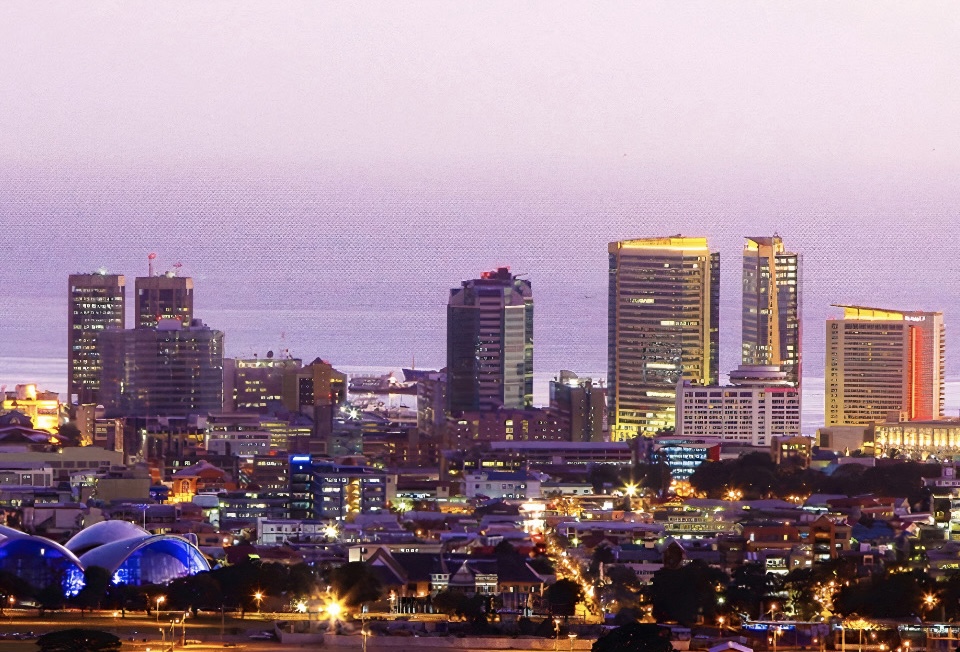
Finance and shipping dominate Port of Spain's economy. Two major Caribbean banks, the stock exchange, and the region's largest container port anchor serious money here. Oil and gas revenues flow through the city's institutions, though the sector is volatile. Most expat work centers on banking, insurance, energy, or remote jobs—local employment outside these sectors is thin. Salaries for finance roles are solid by Caribbean standards, but competition is real and work visas require employer sponsorship.
Rent runs $850–$1,200/month for a decent one-bedroom downtown; outer suburbs drop to $600–$800. Traffic is brutal during rush hours, and public transport is unreliable—most expats buy or lease cars. Healthcare is functional; private clinics are available but pricey. English is the official language, so no barrier there. Bureaucracy is slow: residency permits, work visas, and business registration all involve multiple office visits and unexplained delays. Utilities and groceries cost 20–30% more than US prices.
Tropical heat year-round, with hurricane season June–November. Carnival (February–March) dominates the social calendar; if you hate crowds and noise, plan an exit. Food is Caribbean-standard: roti, doubles, fresh seafood. The expat community is small and transient, mostly finance workers on 2–3 year contracts. Weekends mean beach trips to Maracas or Chaguaramas, hiking, or island-hopping to Tobago. Port of Spain suits finance professionals on company packages or remote workers seeking Caribbean stability, not budget travelers or those seeking a laid-back vibe.