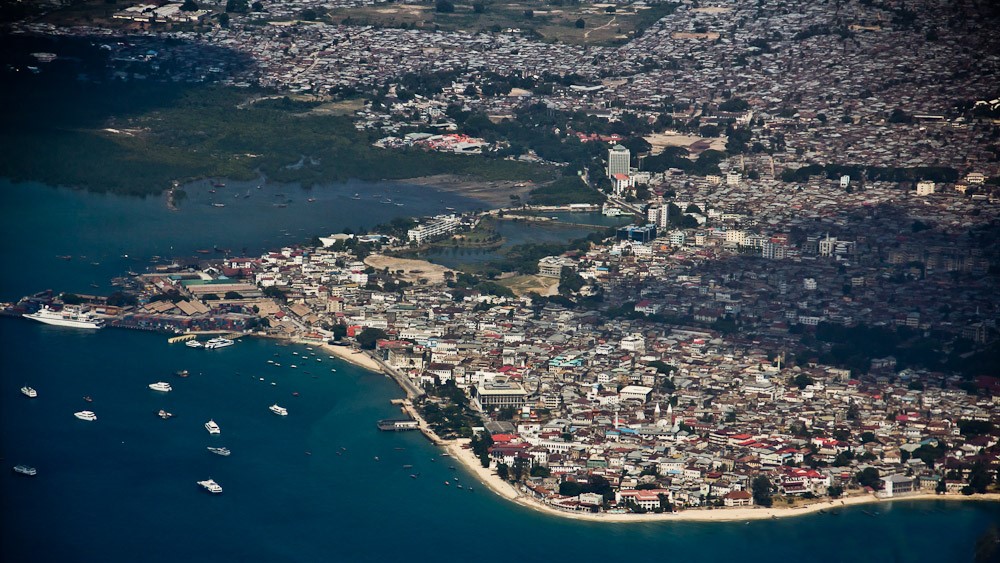
Tourism runs this island's economy, full stop. Visitor numbers have exploded from 19,000 in 1985 to roughly 917,000 in 2025, and nearly every economic opportunity for foreigners flows from that wave — resort management, dive instruction, tour operations, freelance photography, or remote work funded elsewhere. The spice trade (cloves, nutmeg, cinnamon) still matters locally, as does fishing and algaculture, but those industries employ Zanzibaris, not expats. If you're not bringing income with you or working in hospitality, your options are thin.
A one-bedroom in Stone Town or a beach-adjacent area runs around $500/month, though beachfront properties in Nungwi or Kendwa push significantly higher as tourism development inflates coastal rents. Healthcare is the honest problem: public facilities are underfunded and basic, and anything serious means a medevac to Nairobi or Dar es Salaam. Swahili is the dominant language and English is workable in tourist zones but unreliable elsewhere. Zanzibar's semi-autonomous status creates its own bureaucratic layer — residency permits require navigating both Tanzanian and Zanzibari authorities, which is genuinely slow and inconsistent.
Two dry seasons (June–October, December–February) deliver the postcard weather; the long rains in April–May are real and can strand you. The food scene centers on Swahili coastal cooking — grilled seafood, pilau rice, coconut-based curries — and the Stone Town night market is legitimately good. The expat community is small and transient, heavy on hospitality workers and short-term volunteers rather than settled FIRE types. Weekends mean snorkeling, spice farm tours, or ferry trips to Prison Island. This city suits location-independent earners who want low costs, Indian Ocean access, and can tolerate real infrastructure gaps without complaint.
Estimate the cost of moving to Zanzibar, Tanzania
Get a free moving cost estimate for moving to Zanzibar, Tanzania. Takes 10 seconds.
How much are you shipping?
When are you moving?
Powered by Sirelo. Free quotes from international movers.
🏚️ Cost of Living
💰 Budgets and Costs
$347/mo, one person, rent included
Selected: budget lifestyle
Zanzibar on a budget budget comes to about $347 a month for one adult, with $100 of that going to rent. Beyond rent the estimate covers $66.00 on groceries, $19.00 on dining out, $27.00 on entertainment and lifestyle and $135 on utilities and connectivity.
Rent
$100/mo
1BR outside the centre
Groceries
$66.00/mo
75% of mid-range grocery spend
Dining out
$19.00/mo
4 inexpensive meals
Entertainment & lifestyle
$27.00/mo
1 cinema trip, 8 cappuccinos
Utilities & connectivity
$135/mo
utilities, mobile, internet
Budgets (excl. rent)
Single person$247/mo
Excludes rent. The total above is all-in, rent included.
$445/mo, one person, rent included
Selected: mid-range lifestyle
Zanzibar on a mid-range budget comes to about $445 a month for one adult, with $100 of that going to rent. Beyond rent the estimate covers $88.00 on groceries, $47.00 on dining out, $75.00 on entertainment and lifestyle and $135 on utilities and connectivity.
Rent
$100/mo
1BR outside the centre
Groceries
$88.00/mo
Staples basket scaled to a full month
Dining out
$47.00/mo
10 inexpensive meals
Entertainment & lifestyle
$75.00/mo
gym, 2 cinema trips, 12 cappuccinos
Utilities & connectivity
$135/mo
utilities, mobile, internet
Budgets (excl. rent)
Single person$345/mo
Excludes rent. The total above is all-in, rent included.
$614/mo, one person, rent included
Selected: comfortable lifestyle
Zanzibar on a comfortable budget comes to about $614 a month for one adult, with $150 of that going to rent. Beyond rent the estimate covers $124 on groceries, $94.00 on dining out, $111 on entertainment and lifestyle and $135 on utilities and connectivity.
Rent
$150/mo
1BR in the centre
Groceries
$124/mo
140% of mid-range grocery spend
Dining out
$94.00/mo
6 inexpensive meals + 6 mid-range meals
Entertainment & lifestyle
$111/mo
gym, 4 cinema trips, 20 cappuccinos
Utilities & connectivity
$135/mo
utilities, mobile, internet
Budgets (excl. rent)
Single person$464/mo
Excludes rent. The total above is all-in, rent included.
Estimates for one adult, built from this city's average prices and the usage shown for each tier. Your spending will differ with how often you eat out and where you live.
A 1BR in the center runs about $149.67/mo. If your income is in another currency, bank FX fees add up. A multi-currency account can cut that cost.
Zanzibar feels moderately safe for expats in tourist and residential areas, particularly Stone Town and Nungwi. Daytime walking is generally comfortable, though nighttime solo walks warrant caution. The city has a relaxed, welcoming atmosphere, but petty crime exists. Most expats report feeling reasonably secure with standard precautions, though the safety index reflects real vulnerabilities rather than a truly secure environment.
Petty theft, bag snatching, and pickpocketing occur regularly in crowded markets and tourist zones. Avoid displaying expensive jewelry, cameras, or large cash amounts. Violent crime against expats is rare but not unheard of. Solo female travelers should exercise extra vigilance at night and avoid isolated beaches after dark. Scams targeting tourists—inflated prices, fake tours—are common but rarely dangerous.
Tanzania's political environment is generally stable, though police corruption is documented and institutional reliability varies. Zanzibar has historical autonomy tensions with mainland Tanzania, but these rarely affect daily expat life. Healthcare quality is limited; serious medical issues may require evacuation to Kenya or South Africa. For a 30-65 American considering relocation, Zanzibar is moderately viable with realistic expectations about crime, infrastructure, and bureaucratic friction rather than acute danger.
Zanzibar has a safety index of 50/100. Petty theft and lost belongings are the most common problems for newcomers. Compare travel insurance before you go.
Located in Stone Town, Zanzibar Coworking offers a reliable workspace with good internet, air conditioning, and a community vibe that's popular with digital nomads. It's centrally located, making it easy to explore the historic area during breaks.
Situated in Jambiani, Dhow Space provides a relaxed, beachside coworking experience. It's ideal for those who want to combine work with a laid-back island lifestyle, offering a mix of indoor and outdoor workspaces.
WorkHub Zanzibar, located in Stone Town, offers a budget-friendly coworking option with essential amenities. It's a good choice for remote workers looking for a simple and functional workspace in a central location.
See how Zanzibar's digital nomad life compares with Mwanza
🧳 Expat Life
English Proficiency
Common in Tourist Areas
Expat Community
Medium
Top Neighborhoods
Stone Town, Paje, Nungwi
Banks Nearby
0
ATMs Nearby
1
Expat Life Notes
An island paradise with a growing nomad and hospitality-focused expat community.
Pros
✓ Stunning beaches
✓ Very low pace of life
✓ Exotic culture
Cons
✗ Basic medical facilities
✗ Slow internet/utilities
✗ Conservative local customs (in Stone Town)
🏘️ Neighborhoods in Zanzibar
Notable areas of Zanzibar, with descriptions adapted from public reference sources. Rent figures are Numbeo's city-wide averages, not prices for a specific area.
Conditions can change from one block to the next, and these descriptions are general guides, not safety assessments. Before choosing where to stay or live, check current travel advisories, talk to people who live there, and visit in person if you can.
Stone Town
Stone Town, also called Mji Mkongwe, is the old part of Zanzibar City on the western coast of Unguja in Tanzania. Its architecture, mostly from the 19th century, mixes Arab, Persian, Indian and European elements reflecting Swahili culture, and it became a UNESCO World Heritage Site in 2000. It was the former capital of the Sultanate of Zanzibar and a center of the spice and Indian Ocean slave trades.
Numbeo city average, outside-center: $100 (updated Oct 8, 2026)
Michenzani is a large neighborhood of Ng'ambo, the more modern section of Zanzibar City in Tanzania. It sits just across Creek Road, which divides Stone Town to the west from Ng'ambo to the east. The area is mostly known for its Plattenbauten, large apartment blocks built in the late 1960s and early 1970s with assistance from East Germany.
Numbeo city average, outside-center: $100 (updated Oct 8, 2026)
Zanzibar has a population of approximately 1,503,569 people.
A single person can expect to spend around $374 per month in Zanzibar, including rent. A 1-bedroom apartment in the city center costs approximately $150/month.
The nearest airport to Zanzibar is ZNZ, approximately 15.8km away.
Zanzibar is considered moderate in terms of safety, with a safety index of 50.0. As with any city abroad, expats should research specific neighborhoods before committing to a location.
Zanzibar has an average internet speed of 15 Mbps. It is considered a well-established digital nomad destination.
Yes, but it's complicated. Zanzibar's semi-autonomous status means you deal with both Tanzanian immigration and Zanzibari authorities. Residence permits exist but processing is slow, requirements shift, and enforcement is inconsistent. Most expats use tourist visa renewals or border runs initially while sorting paperwork — budget time and frustration for this process.
Honestly, no. Public hospitals are underfunded and equipment is limited. There are private clinics in Stone Town that handle routine issues adequately, but anything beyond basic care — surgery, cardiac events, serious accidents — requires evacuation to Nairobi or Dar es Salaam. Comprehensive international health insurance with evacuation coverage is non-negotiable here.
Workable but unreliable. Stone Town and main tourist areas have 4G coverage and fiber is expanding, but outages happen regularly. Speeds in co-working spaces or good hotels can hit 20–50 Mbps, but don't expect consistency. Power cuts are common outside tourist infrastructure, so a backup battery or UPS is a practical necessity for serious remote workers.
Rental costs vary greatly. Expect to pay $300-$800 USD per month for a decent apartment in areas like Stone Town or Nungwi, while more luxurious villas can easily exceed $1500. Consider areas slightly outside the main tourist hubs for better deals.
Zanzibar is generally considered safe, but petty theft can be an issue, especially in crowded areas. Avoid walking alone at night in poorly lit areas and be mindful of your belongings. Serious crime is relatively rare, but it's always wise to be cautious.
While some doctors have basic English skills, finding fluent English-speaking medical professionals can be challenging outside of private clinics in Stone Town. For serious medical issues, evacuation to Nairobi or Dar es Salaam is often recommended, so comprehensive travel insurance is crucial.
There isn't a specific retirement visa. Most retirees initially enter on a tourist visa and then explore options like a residency permit based on investment or employment. Consulting with a local immigration lawyer is highly recommended to navigate the process.
Public transport consists mainly of 'dala-dalas' (minibuses), which are cheap but can be crowded and unreliable. Taxis are readily available, but negotiate the fare beforehand. Renting a car or scooter is possible, but be aware of the road conditions and driving habits.
Local markets offer fresh produce at very affordable prices. Supermarkets in Stone Town stock imported goods, but they're significantly more expensive. Eating out at local restaurants is cheap, while tourist-oriented establishments charge Western prices.
ATMs are available in Stone Town and some tourist areas, but they often have withdrawal limits and fees. International money transfers via services like Wise or Xoom are generally reliable. Opening a local bank account can be complex and requires specific documentation.
Zanzibar has a tropical climate with high humidity year-round. The long rainy season is from March to May, and the short rainy season is in November and December. The best time to visit is during the dry season, from June to October.
There's a growing expat community, primarily concentrated in Stone Town and along the north and east coasts. Socializing often revolves around beach bars, restaurants, and organized events. Online groups are a good way to connect with other expats.
As a US citizen, you're still required to file US taxes even when living abroad. The Foreign Earned Income Exclusion (FEIE) can help reduce your tax burden. You may also need to report foreign bank accounts (FBAR) if they exceed a certain threshold.
Yes, $2,000 USD per month is generally sufficient for a comfortable lifestyle in Zanzibar, especially if you embrace local living and avoid excessive spending on imported goods. You could live even more frugally by choosing local food and housing options.
Coworking spaces are limited, but some hotels and cafes offer decent Wi-Fi and a workspace atmosphere. Stone Town has a few options, but expect to pay a premium compared to other digital nomad hubs. Mobile data can be a backup.
Zanzibar is predominantly Muslim, so dressing modestly, especially outside tourist areas, is important. Public displays of affection are generally frowned upon. Learning a few basic Swahili phrases will be greatly appreciated by locals.
The tourism sector offers some investment potential, but navigating the legal and regulatory landscape can be challenging. Land ownership laws can be complex for foreigners. Thorough due diligence and local partnerships are essential.
Cost-of-living and visa updates for Zanzibar and the rest of Tanzania. Free with RA Postcards.
By submitting your email address, you will receive a free subscription to RA Postcards and special offers from Rewire Abroad and our affiliates. You can unsubscribe at any time, and we encourage you to read more about our Privacy Policy.