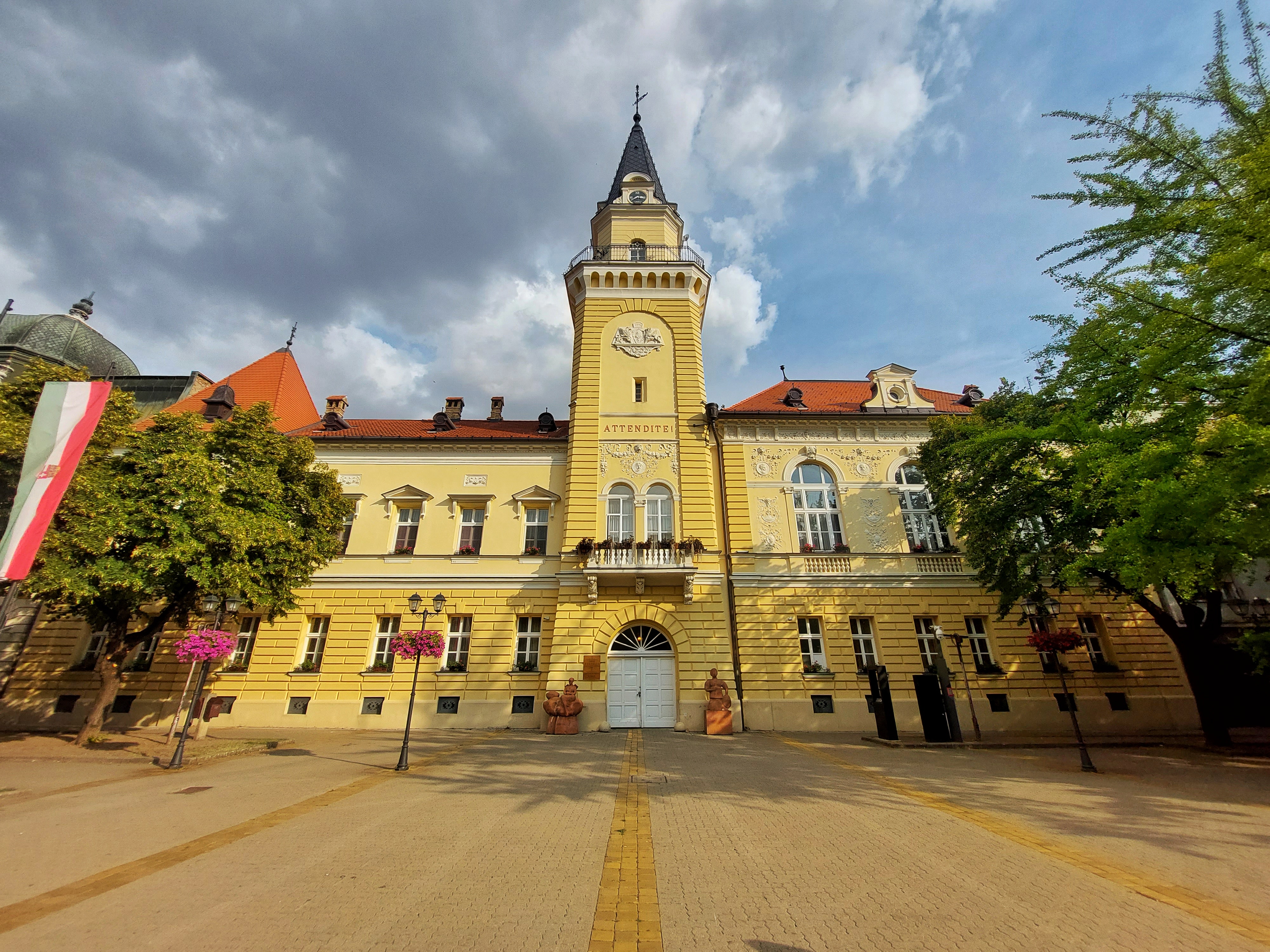
Kikinda, Serbia Hero Image
Wikipedia Contributor, CC BY-SA

Kikinda, Serbia

Data updated Oct 8, 2026

Follows Serbia Residency Rules. Check Digital Nomad & Retiree Pathways →

📊 Scores

88
FIRE
69
Retiree
62
Digital Nomad

Best fit: FIRE / Geoarbitrage (score: 86)

Kikinda sits in the flat, fertile plains of northern Serbia, a small city of 29 thousand people at just 82 meters above sea level in the Europe/Belgrade timezone. The climate is subtropical, with hot summers and cold winters shaped by the open Pannonian landscape. Expats who settle here overwhelmingly choose Centar, the compact city center where most daily needs are within walking distance and the streets stay quiet outside market hours. The nearest major airport is BEG, 113 kilometers away, which keeps this a place for people who prefer distance from big-city noise over constant connectivity to the wider region.

Rents are the headline. A one-bedroom apartment in the city center runs $280/mo, while the same outside the center drops to $220/mo. Three-bedroom units go for $520/mo in the center and $400/mo outside it. Utilities average $186/mo, internet $19/mo, and a mobile phone plan $11/mo. A single adult can live on a budget tier of $474/mo including rent, step up to a mid-range tier of $710/mo, or settle into a comfortable tier of $912/mo. Excluding rent, a single person spends about $480/mo, and a family of four about $1,600/mo. Everyday costs stay low: an inexpensive restaurant meal is $10 per person, a mid-range three-course meal for two is $43, and a cappuccino is $2. A gym membership costs $21/mo. The cost of living index sits at 33/100 against New York City at 100, and average internet speed is 45 Mbps.

Safety is a strong point, with a safety index of 70/100 and a crime index of 28/100, where lower is safer. Healthcare quality is rated Good, which matters in a city of this size where specialist care often means a trip to a larger regional center. Air quality sits at 65 on the index, where lower is better, a figure that reflects the seasonal heating and agricultural patterns of the surrounding plains rather than heavy industry. The expat community is very few in number, so newcomers should expect to build their own social circles rather than plug into an established scene. English proficiency is limited, making a basic command of Serbian genuinely useful for daily errands, paperwork, and neighborly conversation.

For stays, the Temporary Residence Permit serves as the retirement visa route and requires a minimum monthly income of $400/mo. Remote workers use the Temporary Residence on the basis of work, which requires a minimum monthly income of $3,500/mo. Arrival typically means flying into BEG and covering the 113 kilometers overland. The overall expat score is 86/100, the FIRE score is 88/100, the retiree score is 69/100, and the digital nomad score is 62/100. Kikinda suits retirees and early retirees chasing low fixed costs and a slow pace, while digital nomads who need fast connections and a ready-made community will find the tradeoffs harder to ignore.
Estimate the cost of moving to Kikinda, Serbia

Get a free moving cost estimate for moving to Kikinda, Serbia. Takes 10 seconds.

How much are you shipping?

When are you moving?

Powered by Sirelo. Free quotes from international movers.

🏚️ Cost of Living

💰 Budgets and Costs

$705/mo, one person, rent included
Selected: mid-range lifestyle

Kikinda on a mid-range budget comes to about $705 a month for one adult, with $220 of that going to rent. Beyond rent the estimate covers $106 on groceries, $105 on dining out, $57.00 on entertainment and lifestyle and $217 on utilities and connectivity.

Rent

$220/mo

1BR outside the centre

Groceries

$106/mo

Staples basket scaled to a full month

Dining out

$105/mo

10 inexpensive meals

Entertainment & lifestyle

$57.00/mo

gym, 2 cinema trips, 12 cappuccinos

Utilities & connectivity

$217/mo

utilities, mobile, internet

Budgets (excl. rent)

Single person$485/mo

Excludes rent. The total above is all-in, rent included.

Estimates for one adult, built from this city's average prices and the usage shown for each tier. Your spending will differ with how often you eat out and where you live.

A 1BR in the center runs about $280/mo. If your income is in another currency, bank FX fees add up. A multi-currency account can cut that cost.

See low-fee transfers

We may earn a commission at no cost to you.

See how Kikinda's cost of living compares with Jagodina

Be the first to report costs in Kikinda

Share

🛡️ Safety & Crime

70
Safety Index

(Higher is safer)

28
Crime Index

(Lower is safer)

Kikinda is a quiet, provincial city where expats generally feel safe during day and evening hours. The walkability is good, and locals are accustomed to foreigners. The overall atmosphere is relaxed and low-crime compared to larger Serbian cities. However, it's a small town with limited nightlife, so late-night solo wandering is uncommon rather than dangerous. Most expats report feeling secure in daily routines.

Petty theft and pickpocketing are the primary concerns, particularly in the town center and around the bus station. Scams targeting foreigners are rare but possible in financial transactions. Violent crime is uncommon. Solo female travelers report feeling safe, though standard precautions apply. Avoid displaying expensive items, and be cautious with unfamiliar individuals offering unsolicited services or deals.

Serbia has experienced political tensions historically, but Kikinda itself is politically stable with no recent protest activity or civil unrest. Police are generally reliable and responsive. Corruption exists at bureaucratic levels but rarely affects daily expat life. The city is suitable for Americans seeking a peaceful, affordable retirement or remote work base. No significant geopolitical risks currently affect residents.

🏥 Healthcare

Good
Public Hospitals
Yes
Private Clinics
Yes
English-Speaking Doctors
Limited

See how Kikinda's healthcare compares with Jagodina

🌤️ Climate

Climate Zones
Subtropical
Summer Temp
22°C
Winter Temp
1°C
Humidity
72%
Air Quality Index
65
Annual Rainfall
803 mm

Best Months

AprMaySepOct

Climate Notes

Kikinda has a continental climate with warm summers (June-August) and cold winters (December-February), featuring moderate rainfall year-round and occasional fog in autumn and winter.

💻 Digital Nomad

Avg Internet Speed
45 Mbps
Internet (monthly)
$19/mo
Coworking Availability
Limited
Coworking Spaces Nearby
0
Digital Nomad Score
62/100

Community Notes

Kikinda is a quiet spot with basic amenities, suited for focused pastimes.

Coworking Spaces

NameNotes
Smart Office KikindaLocated in the heart of Kikinda, Smart Office offers a professional environment with modern amenities. It's a good option for those seeking a dedicated workspace in a central location.
Business Incubator KikindaWhile primarily an incubator, they often have desk space available for freelancers and remote workers. It's a budget-friendly option with a focus on supporting startups and entrepreneurs.

Names, locations and hours can change. Check each space's website before you visit. Places from © OpenStreetMap contributors and Foursquare Open Source Places (Apache 2.0).

Working remotely from Kikinda? Nomad health insurance covers you across borders, month to month.

See nomad insurance

We may earn a commission at no cost to you.

See how Kikinda's digital nomad life compares with Jagodina

🧳 Expat Life

English Proficiency
Limited
Expat Community
Very Few
Top Neighborhoods
Centar
Banks Nearby
8
ATMs Nearby
6

Expat Life Notes

Kikinda is a town in northeastern Vojvodina near the Romanian border. It has a mixed Serbian, Hungarian, and Romanian population but virtually no Western expat community. Cost of living is among the lowest in Serbia.

Pros

  • ✓ Very low cost of living
  • ✓ Multicultural Vojvodina character
  • ✓ Safe environment

Cons

  • ✗ No expat infrastructure
  • ✗ Very limited English
  • ✗ Remote location

🏘️ Neighborhoods in Kikinda

Areas of Kikinda that expats often consider.

Conditions can change from one block to the next, and these descriptions are general guides, not safety assessments. Before choosing where to stay or live, check current travel advisories, talk to people who live there, and visit in person if you can.

Centar

Historic heart, lively, central

The city center is where you'll find most shops, restaurants, and cultural attractions. It's walkable and convenient, but can be noisier than other areas. Many older apartments are available, some renovated, some not.

Mokrin

Quiet village, rural charm

A village just outside Kikinda, Mokrin offers a slower pace of life and a more traditional Serbian experience. It's ideal for those seeking tranquility and don't mind being further from amenities. Requires a car or reliance on infrequent public transport.

Železnički Naselje

Residential, affordable, family-oriented

A residential area near the train station, offering a mix of apartments and houses. It's generally more affordable than the center, but less walkable to main attractions. Good for families or those seeking a quieter environment.

Bašaid

Small village, peaceful, agricultural

Another village near Kikinda, Bašaid is even smaller and more rural than Mokrin. It's very quiet and offers a glimpse into agricultural life in Serbia. Language skills are essential, and transport is a must.

Page 1 of 2

Could living/working in Kikinda cut years off your work life?

With a 1-bedroom in the center at $280/mo, your FIRE number here might be much lower than you think.

Calculate My FIRE Date →

🛂 Visa Options for Serbia

Many long-stay visas require proof of health insurance. Compare international health plans before you apply.

Compare health insurance

We may earn a commission at no cost to you.

🛂

Earning over $1,025/mo? You may qualify for a Serbia visa.

Answer 11 questions and get a personalized match in under 2 minutes.

Find My Visa →

More Cities to Consider instead of Kikinda

FAQ

Frequently Asked Questions about Kikinda

Click any question to expand the answer.

Kikinda has a population of approximately 28,743 people.
A single person can expect to spend around $700 per month in Kikinda, including rent. A 1-bedroom apartment in the city center costs approximately $280/month.
The nearest airport to Kikinda is BEG, approximately 113km away.
Kikinda is considered relatively safe, with a safety index of 70.0. As with any city abroad, expats should research specific neighborhoods before committing to a location.
Kikinda has an average internet speed of 45 Mbps. It is considered a well-established digital nomad destination.
Yes, major providers (Telekom, Telenor) offer stable broadband. Speeds are adequate for video calls and standard remote work, though not cutting-edge. Backup mobile hotspot recommended during rare outages. Cost is $15–25/month.
Extremely small—mostly remote workers and retirees. No established expat groups, coworking spaces, or regular social events. You'll be largely self-reliant socially. Nearest larger expat communities are in Belgrade (90km) or Novi Sad (60km).
Straightforward for freelancers: apply for a temporary residence permit (renewable annually) at the local police station with proof of income and accommodation. Costs roughly $50–100. No work permit needed for remote work. Bureaucracy is slow but not hostile; expect 2–4 weeks.
You can find decent one-bedroom apartments in Kikinda for around €200-€300 per month, especially if you look a bit outside the very center. Larger apartments or houses will naturally cost more, but it's still significantly cheaper than most Western countries.
Kikinda is generally considered a very safe city with low crime rates. Petty theft can occur, as in any city, but violent crime is rare. You can feel comfortable walking around most areas at night.
While not all doctors speak fluent English, you can find some who do, particularly younger doctors. The main hospital, Opšta bolnica Kikinda, has some staff with English proficiency, but it's helpful to have a Serbian speaker with you if possible. Private clinics may also offer English-speaking services.
Kikinda has a continental climate with hot summers and cold winters. Expect temperatures to range from -5°C (23°F) in January to 30°C (86°F) in July. Be prepared for snow in the winter and occasional heat waves in the summer.
Kikinda is a relatively small city, so getting around is quite easy. Public transportation is available, but many people prefer to walk or cycle. Taxis are also readily available and affordable.
The city center is a popular choice for its proximity to amenities, but it can be pricier. For a quieter and more affordable option, consider neighborhoods like Mokrin or near the train station. These areas are still within easy reach of the city center.
Groceries are very affordable in Kikinda, especially if you shop at local markets. Eating out is also relatively inexpensive; you can get a decent meal at a restaurant for around €5-€10. Local bakeries and cafes offer even cheaper options.
Several major banks operate in Kikinda, including Erste Bank and Banca Intesa. ATM fees vary depending on your bank, so check with your provider. It's generally best to withdraw larger amounts less frequently to minimize fees. Credit cards are accepted in many places, but cash is still widely used.
You can expect reliable internet speeds in Kikinda, sufficient for most remote work tasks. Fiber optic internet is available in many areas, offering speeds of up to 100 Mbps or more. Check with local providers like Telekom Srbija for specific plans and availability.
Yes, Kikinda is absolutely viable for early retirement on a budget of $2000 USD per month, and you could live quite comfortably. This budget would cover rent, utilities, groceries, healthcare, and leisure activities, with some room to spare. You'll likely find you can save a portion of that each month.
Younger generations in Kikinda often have a decent grasp of English, as it's taught in schools. Older generations may have limited English proficiency. Learning some basic Serbian phrases will greatly enhance your experience and interactions with locals.
While Kikinda doesn't have dedicated coworking spaces like you'd find in larger cities, many cafes offer a comfortable environment for remote work. Look for cafes with Wi-Fi and power outlets. Some hotels may also offer day passes for their business facilities.
Serbian culture is generally warm and hospitable. Expect a more relaxed pace of life compared to the US. Greetings often involve a handshake or a kiss on both cheeks. Directness is common, but it's not meant to be rude. Be prepared for a slower pace of service in restaurants and shops.
US citizens can stay in Serbia visa-free for up to 90 days within a 180-day period. For longer stays, you'll need to apply for a temporary residency permit. Common pathways include employment, education, or owning property. Consulting with an immigration lawyer is recommended to navigate the process smoothly.

Share This Guide