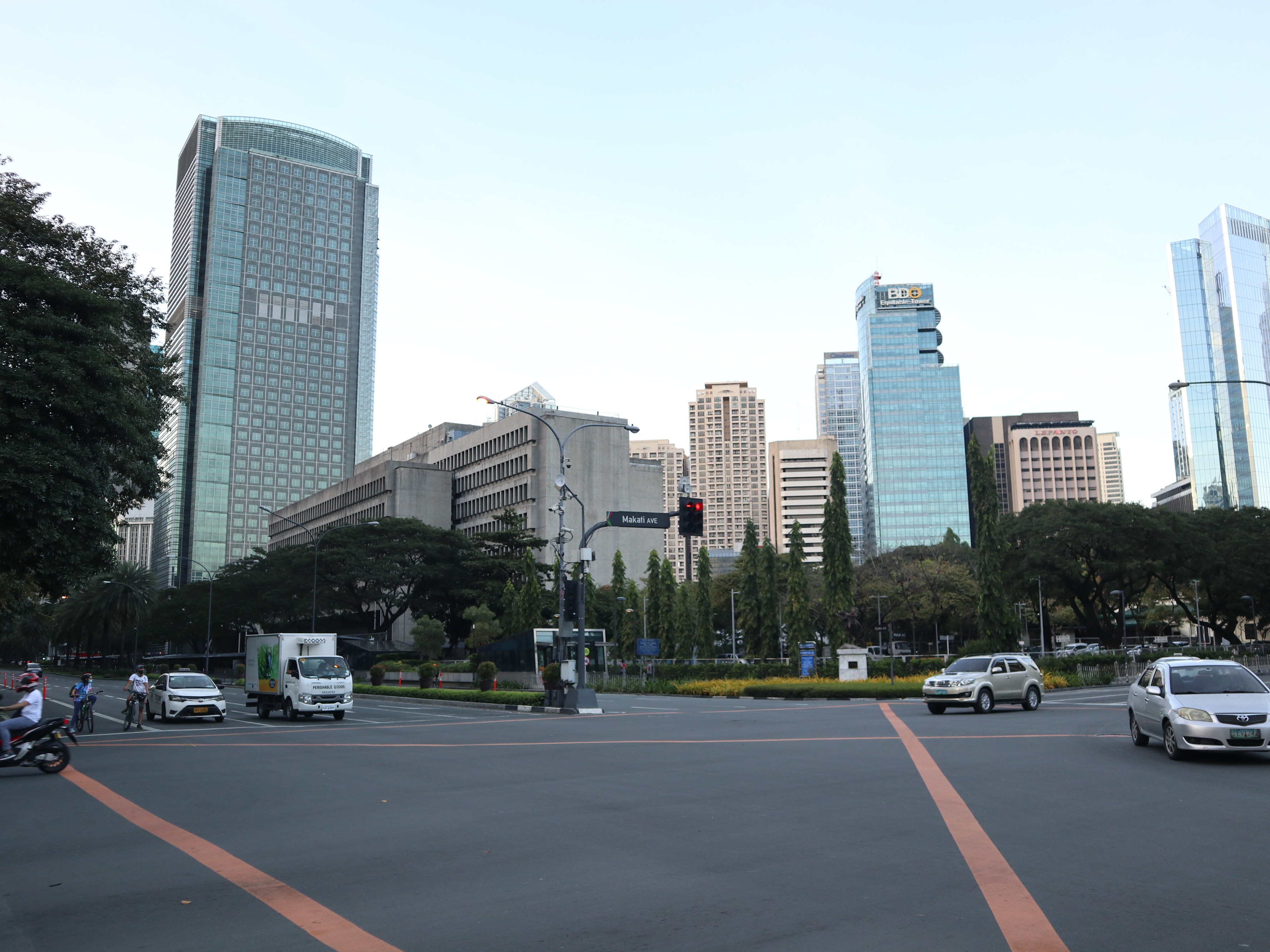
Banking, finance, and multinational corporations drive Makati's economy, with the Philippine Stock Exchange and headquarters of major banks like BDO and Metrobank anchoring the central business district. The city hosts regional offices for companies like Procter & Gamble, Unilever, and Shell, creating white-collar jobs in finance, consulting, and corporate services. With the Philippines' highest GDP per capita at ₱1.78 million ($31,800), locals work primarily in banking, real estate, retail management, and professional services, though income inequality remains stark between corporate executives and service workers.
Expect to pay $950+ monthly for a decent 1BR in the city center, with luxury condos reaching $2,000+. The MRT connects you to other Metro Manila districts for ₱15-30 per ride, though rush hour crowds are brutal and trains break down regularly. Healthcare is solid with top-tier hospitals like Makati Medical Center, but consultations run $30-80. English is widely spoken in business districts, making daily life manageable, though government bureaucracy still requires patience and multiple trips for permits or visas.
Year-round heat and humidity hit 32°C+ with heavy monsoon rains June through November that flood streets regularly. The food scene spans from ₱50 street food to high-end restaurants in Greenbelt and Glorietta malls, while rooftop bars and clubs cater to the expat finance crowd. Weekends mean mall-hopping, island day trips to Batangas, or escaping to Tagaytay's cooler mountains. This city works best for corporate professionals who prioritize career opportunities over cost savings and don't mind trading tropical charm for urban convenience.
Estimate the cost of moving to Makati, Philippines
Get a free moving cost estimate for moving to Makati, Philippines. Takes 10 seconds.
How much are you shipping?
When are you moving?
Powered by Sirelo. Free quotes from international movers.
🏚️ Cost of Living
💰 Budgets and Costs
$831/mo, one person, rent included
Selected: budget lifestyle
Makati on a budget budget comes to about $831 a month for one adult, with $423 of that going to rent. Beyond rent the estimate covers $94.00 on groceries, $26.00 on dining out, $28.00 on entertainment and lifestyle, $203 on utilities and connectivity and $57.00 on transport.
Rent
$423/mo
1BR outside the centre
Groceries
$94.00/mo
75% of mid-range grocery spend
Dining out
$26.00/mo
4 inexpensive meals
Entertainment & lifestyle
$28.00/mo
1 cinema trip, 8 cappuccinos
Utilities & connectivity
$203/mo
utilities, mobile, internet
Transport
$57.00/mo
Monthly pass
Budgets (excl. rent)
Single person$408/mo
Excludes rent. The total above is all-in, rent included.
$973/mo, one person, rent included
Selected: mid-range lifestyle
Makati on a mid-range budget comes to about $973 a month for one adult, with $423 of that going to rent. Beyond rent the estimate covers $125 on groceries, $64.00 on dining out, $101 on entertainment and lifestyle, $203 on utilities and connectivity and $57.00 on transport.
Rent
$423/mo
1BR outside the centre
Groceries
$125/mo
Staples basket scaled to a full month
Dining out
$64.00/mo
10 inexpensive meals
Entertainment & lifestyle
$101/mo
gym, 2 cinema trips, 12 cappuccinos
Utilities & connectivity
$203/mo
utilities, mobile, internet
Transport
$57.00/mo
Monthly pass
Budgets (excl. rent)
Single person$550/mo
Excludes rent. The total above is all-in, rent included.
$1,549/mo, one person, rent included
Selected: comfortable lifestyle
Makati on a comfortable budget comes to about $1,549 a month for one adult, with $820 of that going to rent. Beyond rent the estimate covers $175 on groceries, $158 on dining out, $136 on entertainment and lifestyle, $203 on utilities and connectivity and $57.00 on transport.
Rent
$820/mo
1BR in the centre
Groceries
$175/mo
140% of mid-range grocery spend
Dining out
$158/mo
6 inexpensive meals + 6 mid-range meals
Entertainment & lifestyle
$136/mo
gym, 4 cinema trips, 20 cappuccinos
Utilities & connectivity
$203/mo
utilities, mobile, internet
Transport
$57.00/mo
Monthly pass
Budgets (excl. rent)
Single person$729/mo
Excludes rent. The total above is all-in, rent included.
Estimates for one adult, built from this city's average prices and the usage shown for each tier. Your spending will differ with how often you eat out and where you live.
A 1BR in the center runs about $819.67/mo. If your income is in another currency, bank FX fees add up. A multi-currency account can cut that cost.
Makati is the safest major district in Metro Manila and feels noticeably secure compared to surrounding areas. Well-lit streets, heavy security presence, and affluent neighborhoods create a comfortable day-to-day environment. Night walking is generally safe in central business and residential zones, though most expats use ride-sharing apps after dark as a precaution rather than necessity. The city's reputation as a financial hub attracts professional expats who report feeling at ease.
Petty theft and pickpocketing occur in crowded areas and public transport, particularly targeting tourists and visibly wealthy individuals. Scams involving fake taxis, overpriced services, and online fraud targeting expats are documented. Avoid displaying expensive jewelry or electronics. Solo female travelers report feeling safer here than in other Philippine cities, though standard urban caution applies. Certain peripheral areas and informal settlements warrant avoidance, but main expat zones (Makati CBD, Salcedo Village, Legaspi Village) are well-patrolled.
The Philippines has low political instability compared to regional peers, and Makati specifically benefits from strong corporate security infrastructure and police presence. Corruption exists but rarely affects expat daily life directly. Police are generally responsive in this district. The main risk is petty crime rather than systemic danger. For Americans aged 30–65 considering relocation, Makati ranks among the Philippines' most livable and secure options, suitable for remote work and retirement with standard urban precautions.
Makati has a tropical climate with hot, humid conditions year-round, a wet monsoon season from June to October, and a drier season from November to May.
💻 Digital Nomad
Avg Internet Speed
95 Mbps
Internet (monthly)
$32/mo
Coworking Availability
Abundant
Coworking Spaces Nearby
12
Digital Nomad Score
84/100
Community Notes
Makati is a bustling business district with numerous coworking options.
Clock In offers a modern and professional coworking environment in Makati. With multiple locations, it provides flexible workspace solutions, high-speed internet, and meeting rooms, making it ideal for digital nomads seeking a productive workspace.
Located in the heart of Makati's business district, WeWork RCBC Plaza provides a premium coworking experience. It features stylish workspaces, networking opportunities, and a vibrant community, perfect for expats looking to connect with other professionals.
Acceler8 offers a sophisticated coworking space in Makati, designed to foster collaboration and innovation. With ergonomic furniture, high-speed internet, and a central location, it's a great option for remote workers seeking a professional and comfortable environment.
The Office Project provides a creative and collaborative coworking space in Salcedo Village, Makati. It offers flexible workspace options, meeting rooms, and a supportive community, making it suitable for digital nomads looking for a vibrant and inspiring workspace.
See how Makati's digital nomad life compares with Marawi
🧳 Expat Life
English Proficiency
Widely Spoken
Expat Community
Large & Active
Top Neighborhoods
Salcedo Village, Legaspi Village, Rockwell Center
Banks Nearby
1261
ATMs Nearby
354
Expat Life Notes
The primary corporate and expat hub of the Philippines, offering a highly developed lifestyle and world-class dining.
Pros
✓ Native-level English prevalence
✓ Modern skyline and amenities
✓ Vibrant expat social circles
Cons
✗ High traffic congestion
✗ Expensive housing
✗ High urban density
🏘️ Neighborhoods in Makati
Areas of Makati that expats often consider.
Conditions can change from one block to the next, and these descriptions are general guides, not safety assessments. Before choosing where to stay or live, check current travel advisories, talk to people who live there, and visit in person if you can.
Bel-Air
Upscale, quiet, residential village
Bel-Air is a gated community known for its large houses and peaceful atmosphere. It's popular with affluent families and expats seeking a quieter environment. While primarily residential, it's close to the Makati CBD and offers good security, but requires transportation for most errands.
Salcedo Village
Business district meets residential
Salcedo Village is a mix of office buildings and residential condominiums. It's very walkable, especially during the week, with numerous restaurants, cafes, and the Salcedo Saturday Market. Expect higher prices and some noise from traffic and construction.
Legazpi Village
Green spaces, upscale dining
Legazpi Village is similar to Salcedo but generally considered more relaxed and green, thanks to Legazpi Active Park. It boasts high-end restaurants, boutique shops, and art galleries. Rent is on the higher side, but the area is very walkable and safe.
Poblacion
Nightlife, vibrant, backpacker haven
Poblacion is Makati's old downtown and now the city's main nightlife hub. It's filled with bars, restaurants, and hostels, attracting a younger crowd and budget travelers. While convenient and lively, it can be noisy and crowded, especially on weekends. Increasing development is pushing prices up.
San Lorenzo Village
Quiet, residential, family-oriented
San Lorenzo Village is another gated community offering a more suburban feel within Makati. It's popular with families and those seeking a peaceful environment. While safe and secure, it's less walkable than other areas and requires a car or taxi for most errands.
Guadalupe Viejo
Local, affordable, less touristy
Guadalupe Viejo offers a more local Filipino experience and is significantly more affordable than the central business district. While less polished and with fewer expat amenities, it provides a glimpse into everyday life. Expect limited English spoken and reliance on local transportation.
Urdaneta Village
Exclusive, residential, very secure
Urdaneta Village is one of Makati's most exclusive residential areas, known for its large homes and high level of security. It's very quiet and peaceful, appealing to those seeking privacy and a safe environment. However, it's primarily residential, requiring transportation to access amenities outside the village.
Page 1 of 2
Could living/working in Makati cut years off your work life?
With a 1-bedroom in the center at $820/mo, your FIRE number here might be much lower than you think.
Makati has a population of approximately 309,770 people.
A single person can expect to spend around $2,049 per month in Makati, including rent. A 1-bedroom apartment in the city center costs approximately $820/month.
The nearest airport to Makati is MNL, approximately 22.7km away.
Makati is considered relatively safe, with a safety index of 70.0. As with any city abroad, expats should research specific neighborhoods before committing to a location.
Makati has an average internet speed of 95 Mbps. It is considered a well-established digital nomad destination.
Yes, multinational companies and banks actively hire English-speaking expats for finance, consulting, and management roles. However, local networking and understanding basic Filipino helps significantly for career advancement.
Traffic is severe during rush hours (7-9am, 6-8pm) with 2-hour commutes common. The MRT helps but gets overcrowded and breaks down frequently. Many expats live within walking distance of work or use ride-hailing apps despite higher costs.
Poblacion offers more affordable apartments and a vibrant nightlife, while Guadalupe Viejo and Guadalupe Nuevo provide quieter, residential options with lower rents. You can find decent studios or one-bedroom condos in these areas for $500-$800 USD per month.
Makati is generally safe, especially in the central business district, which is well-lit and has security personnel. However, like any major city, petty crime such as pickpocketing can occur, particularly in crowded areas like markets or during rush hour. Exercise caution in less-traveled streets late at night.
Makati has a tropical monsoon climate, with distinct wet and dry seasons. The dry season runs from November to May, with hot and humid weather, while the wet season lasts from June to October, bringing frequent heavy rainfall and occasional typhoons. Pack accordingly with light, breathable clothing and rain gear.
Internet speeds in Makati are generally reliable and fast, with fiber optic connections widely available. You can expect download speeds of 50-100 Mbps or higher in most apartments and coworking spaces, making it suitable for video conferencing and other remote work tasks.
Yes, Makati has a thriving coworking scene with numerous options to choose from, including Acceler8, The Office Project, and Clock In. These spaces offer various amenities, such as high-speed internet, meeting rooms, and networking opportunities, catering to digital nomads and remote workers.
Groceries are relatively affordable, especially if you shop at local markets like Salcedo Market on Saturdays. Dining out can range from inexpensive street food (around $2-5 USD per meal) to upscale restaurants (around $20-50 USD per meal), offering a wide variety of cuisines.
US citizens can enter the Philippines visa-free for 30 days. For longer stays, you can apply for a tourist visa extension or explore options like the Special Resident Retiree's Visa (SRRV), which requires a deposit with a Philippine bank but grants permanent residency privileges.
Makati has excellent private hospitals, such as Makati Medical Center and St. Luke's Medical Center, with highly trained doctors, many of whom speak English fluently. Healthcare costs are generally lower than in the US, but it's recommended to have comprehensive health insurance.
Opening a bank account can be straightforward, but it requires some documentation, including your passport, visa, and proof of address. Major banks like BDO and Metrobank are accustomed to dealing with foreign clients and offer various account options.
As a US citizen, you're still required to file US taxes even while living abroad. You may be eligible for the Foreign Earned Income Exclusion (FEIE), which allows you to exclude a certain amount of your foreign-earned income from US taxes. Also, be aware of FBAR and FATCA reporting requirements.
Makati has a sizable and active expat community, making it relatively easy to connect with other foreigners. There are numerous expat groups and social events organized through platforms like InterNations and Meetup, providing opportunities to network and make friends.
English is widely spoken in Makati, particularly in business and commercial areas. Most Filipinos have a good command of English, making it easy to communicate and navigate daily life without knowing Filipino.
Yes, Makati can be viable for early retirement on $2500 USD per month, but it requires careful budgeting. You can find comfortable accommodation, eat well, and enjoy the city's amenities on this budget, especially if you choose a less expensive neighborhood and manage your expenses wisely.
The most common ways to get around Makati are by jeepney, bus, taxi, or ride-hailing apps like Grab. The MRT (Metro Rail Transit) also runs through Makati, but it can be crowded during peak hours. Walking is feasible in some areas, but be prepared for heat and humidity.
Makati has a fast-paced, energetic vibe, especially in the central business district. However, you can find quieter pockets in residential areas and parks. While it's a bustling city, there are opportunities to find a balance and enjoy a relaxed lifestyle.
Cost-of-living and visa updates for Makati and the rest of Philippines. Free with RA Postcards.
By submitting your email address, you will receive a free subscription to RA Postcards and special offers from Rewire Abroad and our affiliates. You can unsubscribe at any time, and we encourage you to read more about our Privacy Policy.