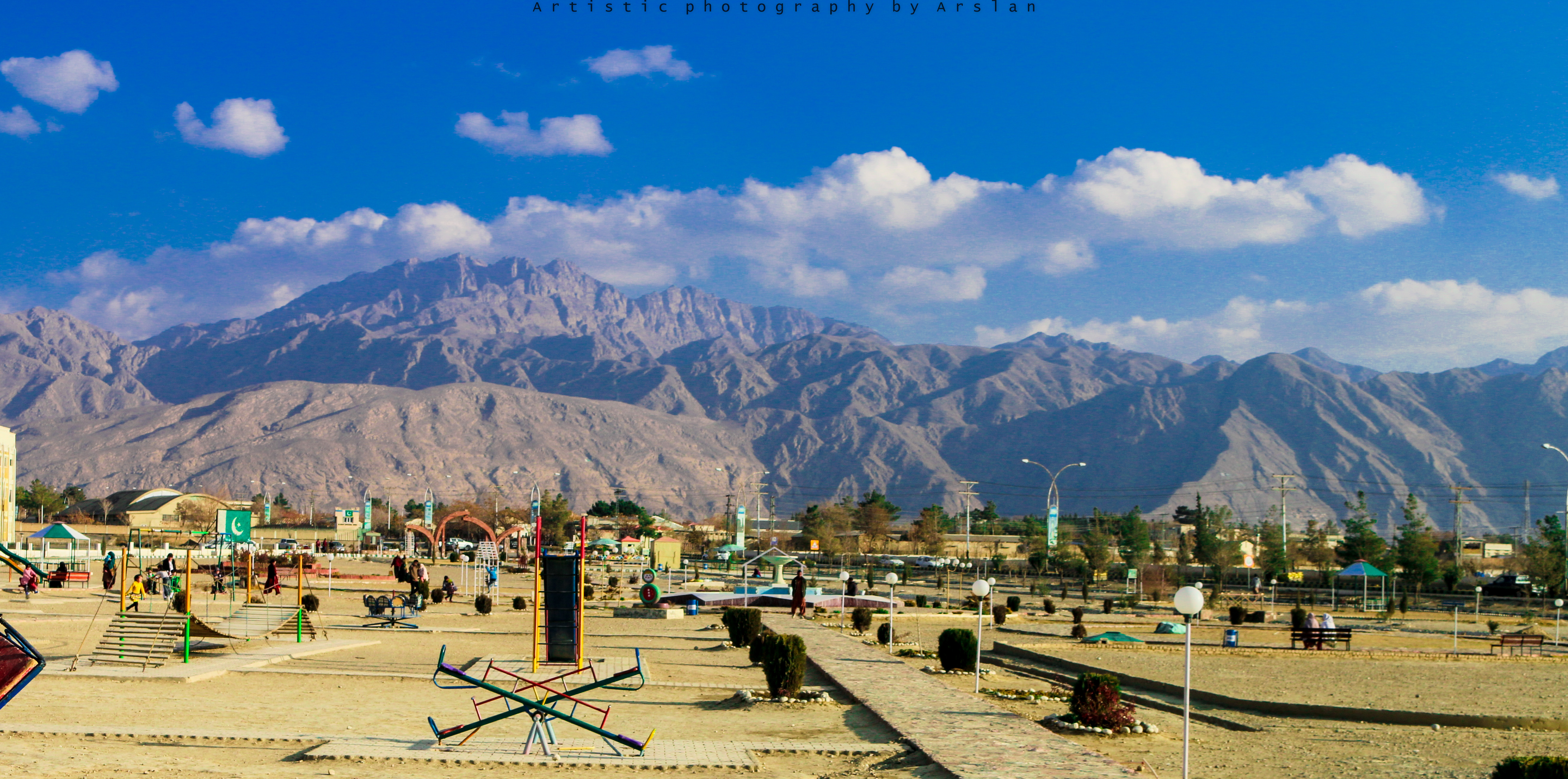
At 1,680 meters above sea level, Pakistan's highest major city runs on fruit, trade, and government payroll. Apples, pomegranates, apricots, and dried fruits move through here in serious volume — Quetta's orchards supply markets across Pakistan and into Afghanistan. Cross-border commerce with Afghanistan via the Kandahar road is a genuine economic engine, though it fluctuates sharply with political conditions on both sides. Civil service, military, and provincial government employment absorb a large share of the formal workforce. Remote work or location-independent income is the only realistic path for most foreign expats.
A one-bedroom in the city center runs around $160/month, which is low even by Pakistani standards. Local food, transport, and utilities are cheap — a reasonable monthly budget for a single person sits around $500–700 if you live modestly. Healthcare is the real problem: facilities are limited, specialist care is scarce, and medical evacuation to Karachi or Lahore is a genuine contingency you need to plan for. Urdu gets you by in markets, but Pashto and Balochi dominate daily life. Bureaucracy for foreigners is heavy — NOC requirements, movement restrictions in parts of Balochistan, and registration obligations are not theoretical friction.
Summers are genuinely mild at this altitude, rarely cracking 35°C, and winters bring real snow — a novelty in Pakistan but a logistical headache. The fruit is exceptional and cheap; local kebabs and Balochi sajji (whole-roasted lamb) are worth the trip alone. The expat community is essentially nonexistent in any organized sense — no expat bars, no coworking spaces, no Facebook groups planning weekend hikes. Weekends mean bazaars, orchards in season, and the dramatic surrounding mountain landscape if security conditions allow. Quetta suits researchers, aid workers, or journalists embedded in the region — not lifestyle nomads or retirees seeking ease.