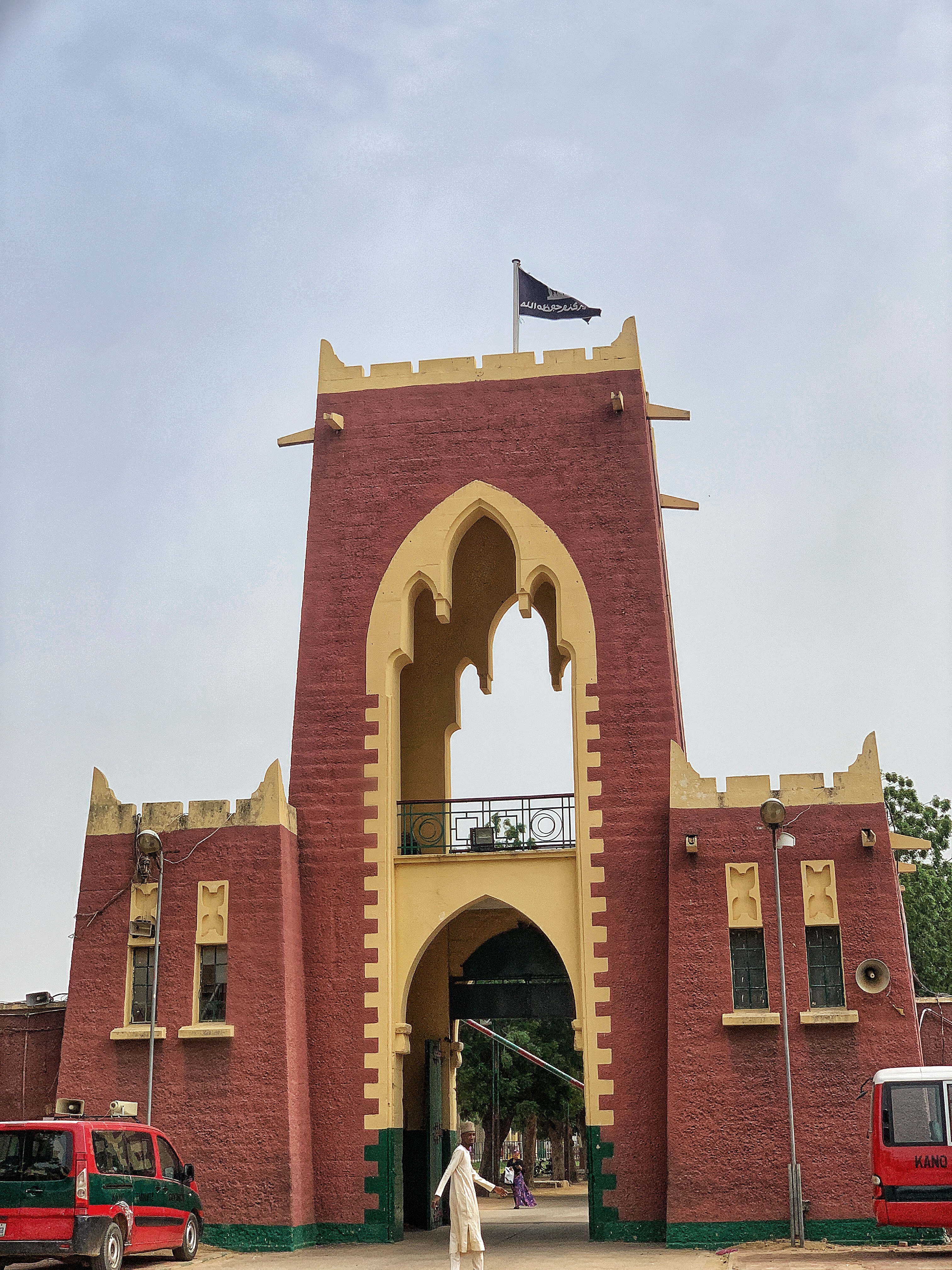
Kano sits in northern Nigeria at 488 m above sea level, a tropical city of 2.6 million people on Africa/Lagos time. The climate runs hot and humid through the wet season and dry and dusty through the harmattan, so newcomers learn to plan around the weather rather than fight it. Expats tend to settle in Nassarawa, where tree-lined streets and larger compounds appeal to families and long-stay professionals, or in Hotoro, which draws a more budget-conscious crowd looking for easy access to the city's commercial spine. Both areas put you within reasonable reach of markets, restaurants, and the daily rhythm of a metropolis that has been a trading crossroads for centuries.
Housing is where Kano's affordability becomes obvious. A one-bedroom in the city center rents for $250/mo, while the same unit outside the center drops to $180/mo. Three-bedroom apartments run $550/mo in the center and $400/mo outside it. Beyond rent, a single adult spends about $350/mo on everything else, and a family of four spends around $1,000/mo. Utilities come to roughly $8/mo, a monthly public transport pass costs $13/mo, and a gym membership runs $21/mo. Eating out is cheap: an inexpensive restaurant meal is about $2 per person, a three-course mid-range meal for two is $15, and a cappuccino is $5. All told, a single adult can live on a budget tier of $700/mo, step up to a mid-range tier of $1,200/mo, or settle into a comfortable tier of $2,000/mo. The cost of living index of 26/100 against New York City makes the arithmetic plain.
Safety in Kano is a mixed picture. The safety index sits at 50/100 and the crime index at 52/100, meaning everyday precautions matter more than they would in many Western cities. Air quality is a concern, with an index reading of 105, and healthcare quality is rated fair, so expats with ongoing medical needs often keep a plan for treatment elsewhere. Internet averages 15 Mbps, workable for email and video calls but not always for heavy data work. The expat community is small, which means connections form through workplaces, religious and community groups, and the established circles in Nassarawa and Hotoro rather than through a large built-in social scene.
For longer stays, Nigeria offers the Retirement Visa (Retiree from Abroad) at a threshold of N5B. Kano's airport is Mallam Aminu Kano International (KAN), just 5 km from the city, which keeps arrivals and departures simple. The city scores 73/100 overall for expats, with an 83/100 FIRE score that will interest early retirees and savers, a 55/100 retiree score, and a 54/100 digital nomad score. English proficiency is limited, so a little Hausa goes a long way. Kano suits budget-focused expats, humanitarian and development workers, academics, and anyone chasing a low cost of living with a genuinely different pace of life.