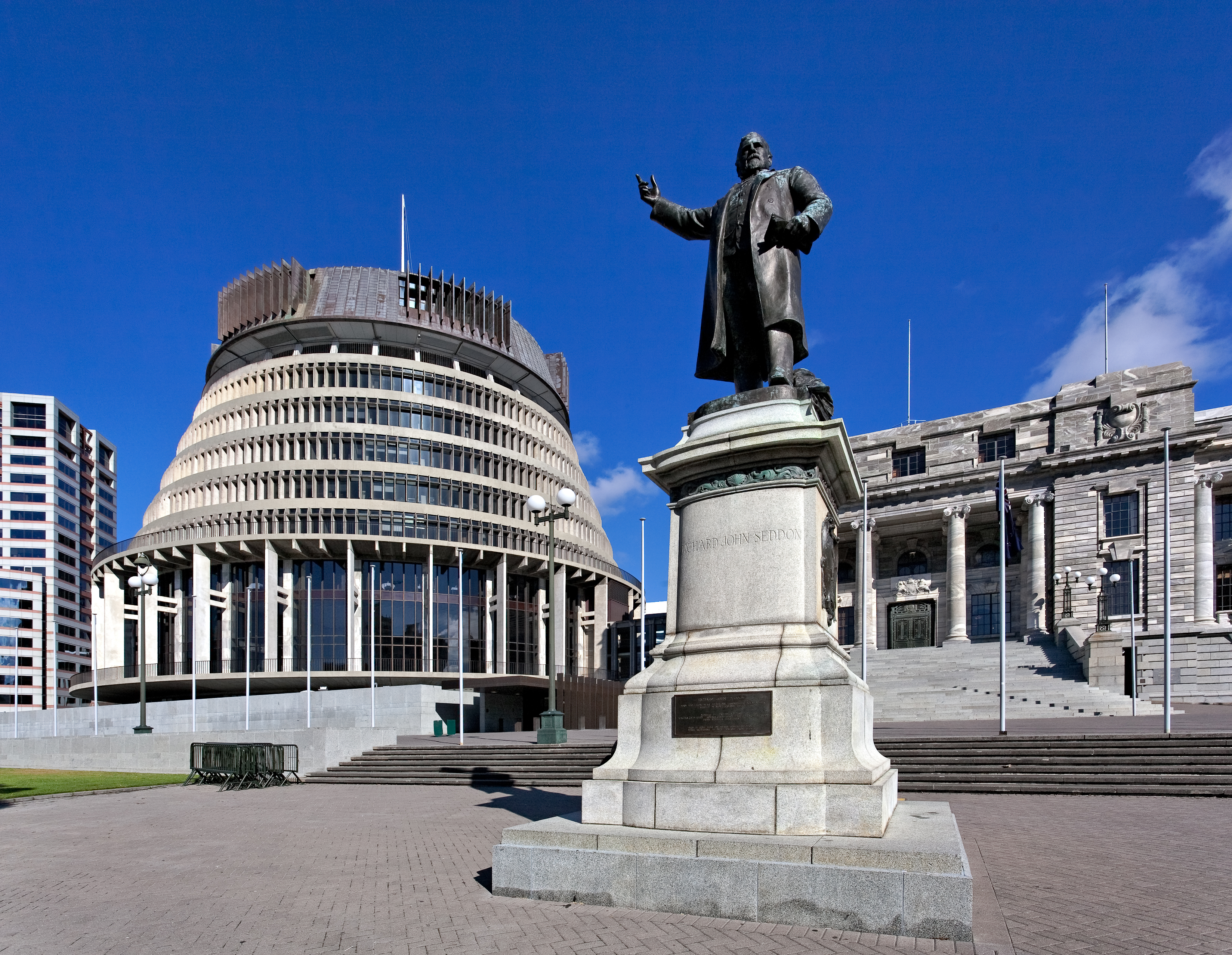
Wellington's economy runs on government, finance, and film—not tourism or tech startups. The public sector dominates; central government employs roughly 10,000 people directly. Finance and business services anchor the GFCI ranking at 46th globally. The film industry (Lord of the Rings, Marvel post-production) creates pockets of well-paid work, but it's project-based and competitive. Most expats work in government, banking, or remote roles; local job hunting is slow unless you're already connected.
Rent for a one-bedroom city center runs $1,850/month; outer suburbs drop to $1,400–$1,600. Public transport (buses, trains, ferries) is reliable but expensive at NZ$180/month for unlimited travel. Healthcare is excellent and free for residents after 2 years; private insurance costs $80–$150/month upfront. English is universal, so no language barrier. Bureaucracy is straightforward—visa processing is clear, though residency takes time. Wind is genuinely brutal; expect 40+ km/h gusts regularly.
Summers are mild (18–20°C), winters cool and damp. Food culture is excellent: Cuba Street and Newtown overflow with independent cafes, craft beer, and diverse cuisines. The expat community is small but tight; most weekends involve hiking, waterfront walks, or cafe hopping. Cultural events and live music are constant. Wellington suits remote workers, government employees, and people who prioritize livability over nightlife—but only if you tolerate relentless wind and isolation from the rest of the world.
Estimate the cost of moving to Wellington, New Zealand
Get a free moving cost estimate for moving to Wellington, New Zealand. Takes 10 seconds.
How much are you shipping?
When are you moving?
Powered by Sirelo. Free quotes from international movers.
🏚️ Cost of Living
💰 Budgets and Costs
$1,782/mo, one person, rent included
Selected: budget lifestyle
Wellington on a budget budget comes to about $1,782 a month for one adult, with $1,141 of that going to rent. Beyond rent the estimate covers $164 on groceries, $55.00 on dining out, $39.00 on entertainment and lifestyle, $282 on utilities and connectivity and $101 on transport.
Rent
$1,141/mo
1BR outside the centre
Groceries
$164/mo
75% of mid-range grocery spend
Dining out
$55.00/mo
4 inexpensive meals
Entertainment & lifestyle
$39.00/mo
1 cinema trip, 8 cappuccinos
Utilities & connectivity
$282/mo
utilities, mobile, internet
Transport
$101/mo
Monthly pass
Budgets (excl. rent)
Single person$641/mo
Excludes rent. The total above is all-in, rent included.
$1,982/mo, one person, rent included
Selected: mid-range lifestyle
Wellington on a mid-range budget comes to about $1,982 a month for one adult, with $1,141 of that going to rent. Beyond rent the estimate covers $219 on groceries, $137 on dining out, $102 on entertainment and lifestyle, $282 on utilities and connectivity and $101 on transport.
Rent
$1,141/mo
1BR outside the centre
Groceries
$219/mo
Staples basket scaled to a full month
Dining out
$137/mo
10 inexpensive meals
Entertainment & lifestyle
$102/mo
gym, 2 cinema trips, 12 cappuccinos
Utilities & connectivity
$282/mo
utilities, mobile, internet
Transport
$101/mo
Monthly pass
Budgets (excl. rent)
Single person$841/mo
Excludes rent. The total above is all-in, rent included.
$2,334/mo, one person, rent included
Selected: comfortable lifestyle
Wellington on a comfortable budget comes to about $2,334 a month for one adult, with $1,215 of that going to rent. Beyond rent the estimate covers $307 on groceries, $276 on dining out, $153 on entertainment and lifestyle, $282 on utilities and connectivity and $101 on transport.
Rent
$1,215/mo
1BR in the centre
Groceries
$307/mo
140% of mid-range grocery spend
Dining out
$276/mo
6 inexpensive meals + 6 mid-range meals
Entertainment & lifestyle
$153/mo
gym, 4 cinema trips, 20 cappuccinos
Utilities & connectivity
$282/mo
utilities, mobile, internet
Transport
$101/mo
Monthly pass
Budgets (excl. rent)
Single person$1,119/mo
Excludes rent. The total above is all-in, rent included.
Estimates for one adult, built from this city's average prices and the usage shown for each tier. Your spending will differ with how often you eat out and where you live.
A 1BR in the center runs about $1215.08/mo. If your income is in another currency, bank FX fees add up. A multi-currency account can cut that cost.
Wellington is genuinely one of the safest capital cities in the world. Walking alone at night is routine and unremarkable; locals and expats alike move freely after dark without concern. The city has a relaxed, orderly feel with visible police presence and strong community policing. For Americans accustomed to urban vigilance, Wellington's safety will feel like a genuine relief rather than a false sense of security.
Petty theft and opportunistic crime are the main concerns—bag snatching, car break-ins, and bike theft occur but are infrequent and rarely violent. Avoid leaving valuables visible in vehicles or unattended in public. The CBD and waterfront are well-lit and patrolled. Solo female travelers report feeling entirely safe. Violent crime is exceptionally rare. Property crime is the realistic risk, not personal safety threats.
New Zealand has stable governance, reliable police, and no significant political instability or corruption concerns. Protests occur but are peaceful and organized. Natural hazards (earthquakes, occasional severe weather) are more relevant to daily life than crime. For Americans relocating here, Wellington presents virtually no safety barriers to moving—the city's main challenges are cost of living and weather, not security.
🏥 Healthcare
Excellent
Public Hospitals
Yes
Private Clinics
Yes
English-Speaking Doctors
Widely Available
See how Wellington's healthcare compares with Paeroa
🌤️ Climate
Climate Zones
Temperate
Summer Temp
20°C
Winter Temp
8°C
Humidity
72%
Air Quality Index
25
Annual Rainfall
1019 mm
Best Months
DecJanFebAprMaySepOctNov
Climate Notes
Wellington has a temperate oceanic climate with mild summers (December–February) and cool, wet winters (June–August), with strong winds year-round making it one of the windiest cities in the world.
💻 Digital Nomad
Avg Internet Speed
150 Mbps
Internet (monthly)
$53/mo
Coworking Availability
Abundant
Coworking Spaces Nearby
1
Digital Nomad Score
87/100
Community Notes
Vibrant city with a flourishing tech scene and stunning waterfront views.
Located in the heart of Wellington CBD, BizDojo offers a vibrant community and a range of workspace options. Known for its collaborative atmosphere and regular events, it's a great place for expats to network and connect with local entrepreneurs.
Spaces offers a stylish and professional coworking environment in Wellington Central. With modern amenities, meeting rooms, and a focus on design, it's a good option for those seeking a more corporate or polished workspace.
Regus has multiple locations throughout Wellington, providing reliable and consistent coworking spaces. It's a solid choice for those who value convenience and a professional setting, with options available in the CBD and surrounding areas.
While technically in Auckland, GridAKL has a strong presence and reputation in the NZ startup scene. It's worth considering if you're open to a short commute or plan to spend time in both cities. It's known for its focus on innovation and technology.
See how Wellington's digital nomad life compares with Paeroa
🧳 Expat Life
English Proficiency
Widely Spoken
Expat Community
Large & Active
Top Neighborhoods
Thorndon, Oriental Bay, Mt Victoria
Banks Nearby
9
ATMs Nearby
14
Expat Life Notes
The coolest little capital in the world. Safe, artistic, and highly international with an incredible coffee culture.
Pros
✓ Incredible quality of life
✓ Highly walkable
✓ Vibrant arts scene
Cons
✗ Windy climate
✗ Expensive housing
✗ Isolated geographically
🏘️ Neighborhoods in Wellington
Areas of Wellington that expats often consider.
Conditions can change from one block to the next, and these descriptions are general guides, not safety assessments. Before choosing where to stay or live, check current travel advisories, talk to people who live there, and visit in person if you can.
Te Aro
Vibrant, central, entertainment district
Te Aro is the heart of Wellington's nightlife and entertainment. Expect a lively atmosphere with plenty of restaurants, bars, and shops. It's very walkable and well-connected by public transport, but can be noisy at night. Popular with young professionals and students.
Thorndon
Historic, upscale, residential charm
Thorndon is one of Wellington's oldest and most prestigious suburbs, known for its historic houses and proximity to Parliament. It's a quieter, more residential area, popular with professionals and families. While walkable, some areas are hilly. Offers a mix of historic charm and modern amenities.
Mount Victoria
Scenic views, relaxed residential
Mount Victoria offers stunning views of the city and harbor. It's a primarily residential area with a mix of houses and apartments. It's walkable to the city center, though some streets are steep. Popular with those seeking a quieter lifestyle with easy access to nature.
Oriental Bay
Beachfront, upscale, relaxed living
Oriental Bay is Wellington's premier beachfront suburb. It offers a relaxed lifestyle with easy access to the beach and waterfront activities. It's a more upscale area with higher rental costs. Well-connected to the city by bus, but walking can be challenging due to hills.
Brooklyn
Family-friendly, village atmosphere, views
Brooklyn is a family-friendly suburb with a village-like atmosphere. It offers good views and a mix of housing options. It's well-served by buses to the city center. A good option for those seeking a quieter, more community-oriented environment.
Island Bay
Coastal, relaxed, community focused
Island Bay is a coastal suburb with a strong sense of community. It's a more affordable option compared to areas closer to the city center. It has a relaxed atmosphere and is popular with families and retirees. Good bus links to the city.
Newtown
Diverse, bohemian, budget-friendly
Newtown is a diverse and bohemian suburb with a mix of cultures and a vibrant arts scene. It's a more budget-friendly option compared to other areas. It's well-connected to the city by bus and is known for its independent shops and cafes. Can be a bit gritty in places.
Page 1 of 2
Could living/working in Wellington cut years off your work life?
With a 1-bedroom in the center at $1215/mo, your FIRE number here might be much lower than you think.
Wellington has a population of approximately 73,305 people.
A single person can expect to spend around $3,038 per month in Wellington, including rent. A 1-bedroom apartment in the city center costs approximately $1215/month.
The nearest airport to Wellington is WLG, approximately 6.7km away.
Wellington is considered relatively safe, with a safety index of 90.0. As with any city abroad, expats should research specific neighborhoods before committing to a location.
Wellington has an average internet speed of 150 Mbps. It is considered a well-established digital nomad destination.
Yes, but most expats work remotely for overseas employers. Local job market is tight unless you're in government, finance, or film. Visa sponsorship is possible but employers rarely pursue it. Many digital nomads and FIRE seekers base here while earning USD/GBP remotely.
Wellington is the world's windiest city by average wind speed. Expect 40+ km/h gusts regularly; winter is worst. It affects daily life—cycling is hard, outdoor plans get cancelled, and it's genuinely exhausting. Not hyperbole; it's a real lifestyle factor.
Small but genuine. Most expats are in government, finance, or remote work. Social scene centers on cafes, hiking groups, and cultural events. You won't find large expat enclaves like in Bangkok or Lisbon. It's more 'integrated locals who happen to be foreign' than expat bubble.
Americans can visit New Zealand visa-free for up to 3 months. For longer stays, consider the Skilled Migrant Category visa (points-based), the Long Term Skill Shortage List Work Visa (if your profession is in demand), or the Investor Visa. If you're retiring, explore the Parent Retirement Resident Visa, but be aware of its significant investment requirements.
English is one of the official languages of New Zealand, and it's widely spoken in Wellington. You won't encounter any significant language barriers in daily life, from shopping to accessing services. Learning some basic Māori phrases is appreciated but not essential.
New Zealand has a public healthcare system (funded by taxes) and a private system. Expats are generally not eligible for publicly funded healthcare unless they are permanent residents or citizens. Private health insurance is recommended and will give you access to a wider range of specialists and shorter wait times. Many doctors speak English.
Consider suburbs like Newtown, Kilbirnie, or Island Bay for more affordable housing options. These areas offer a mix of housing types, good public transport links to the city center, and a more local feel. You'll find more budget-friendly restaurants and shops in these areas too.
Wellington has a temperate maritime climate, meaning it's generally mild but can be unpredictable. Expect cool, wet winters (June-August) and mild, sunny summers (December-February). It's known for its strong winds, so pack layers and be prepared for sudden weather changes.
Wellington has a good public transport system, including buses, trains, and ferries. The city center is walkable, and there are cycle lanes. Consider a Snapper card for discounted fares on public transport. Parking can be expensive and limited in the city center.
As a US citizen, you're still required to file US taxes even when living abroad. You may be able to exclude a significant portion of your foreign earned income using the Foreign Earned Income Exclusion (FEIE). Also, be aware of FBAR reporting requirements for foreign bank accounts.
Wellington has generally good internet speeds, with fiber optic connections available in many areas. Expect download speeds of 50-100 Mbps or higher. Coworking spaces like BizDojo and GridAKL offer reliable internet and a professional work environment.
Major banks like ANZ, BNZ, and Westpac operate in Wellington. Opening a local bank account is relatively straightforward with the right documentation. Services like Wise (formerly TransferWise) and OFX offer competitive exchange rates for international money transfers. ATM fees can vary, so check with your bank.
Wellington can be viable for early retirement, but careful budgeting is essential. A monthly budget of NZ$3,500-NZ$5,000 might be sufficient for a comfortable but not extravagant lifestyle, depending on your housing choices and spending habits. Factor in healthcare costs and potential currency fluctuations.
The quality of life in Wellington is generally high. The city is clean, safe, and has a vibrant arts and culture scene. You'll find plenty of cafes, restaurants, and outdoor activities. The pace of life is more relaxed than in many major US cities, which can be a welcome change.
New Zealanders are generally polite, friendly, and value humility. Directness is appreciated, but avoid being overly assertive or boastful. Punctuality is important, and tipping is not customary. Be mindful of Māori culture and customs, especially when visiting culturally significant sites.
New Zealand offers various investment options, including real estate, shares (stocks), and KiwiSaver (a retirement savings scheme). However, as a non-resident, your access to KiwiSaver may be limited. Consult with a financial advisor to understand the tax implications and regulations for foreign investors.
Cost-of-living and visa updates for Wellington and the rest of New Zealand. Free with RA Postcards.
By submitting your email address, you will receive a free subscription to RA Postcards and special offers from Rewire Abroad and our affiliates. You can unsubscribe at any time, and we encourage you to read more about our Privacy Policy.