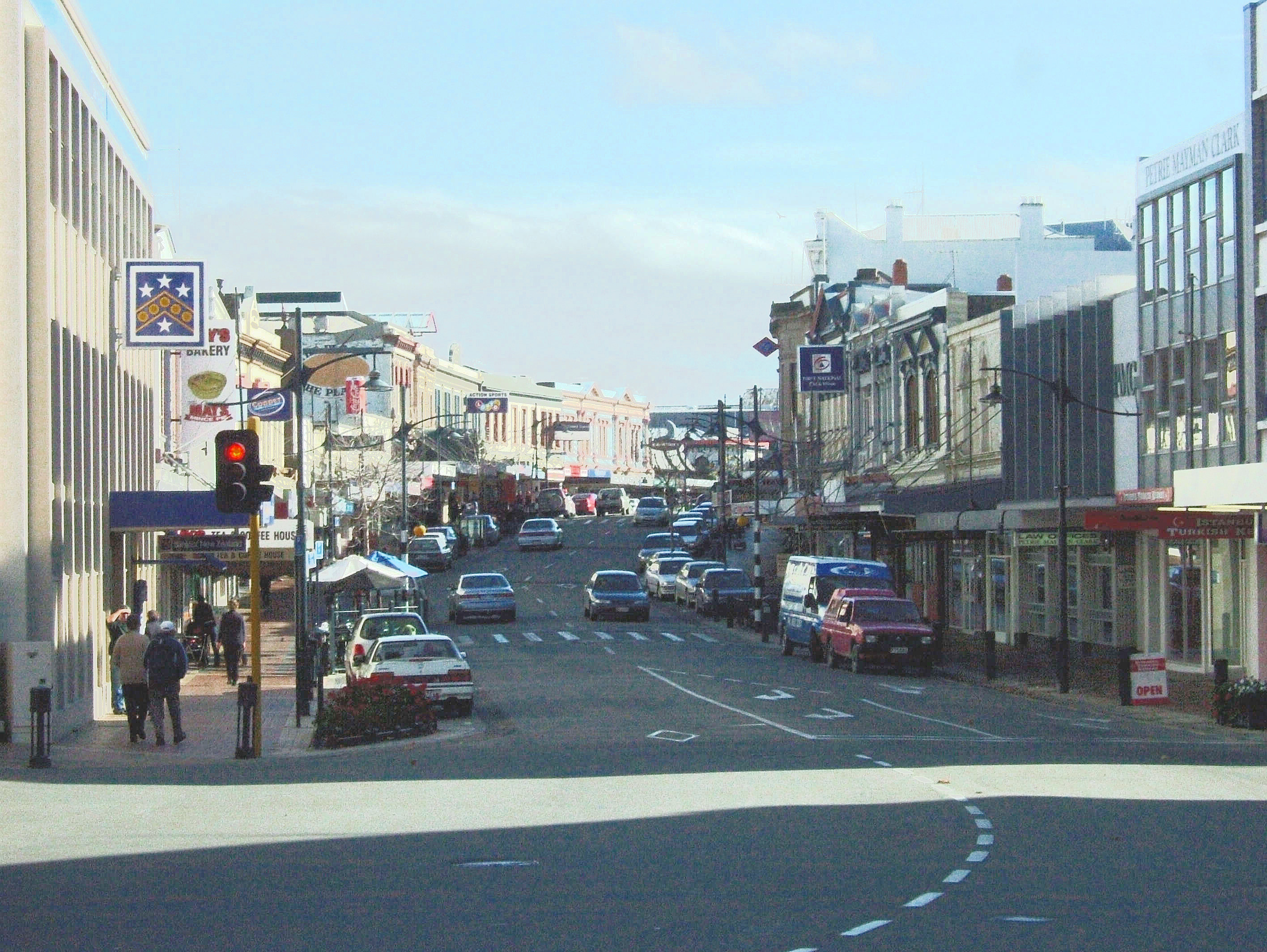
Timaru, New Zealand Hero Image
Wikipedia Contributor, CC BY-SA

Timaru, New Zealand

🌊 Coastal

Data updated Oct 9, 2026

Follows New Zealand Residency Rules. Check Digital Nomad & Retiree Pathways →

📊 Scores

84
FIRE
81
Retiree
81
Digital Nomad

Best fit: FIRE / Geoarbitrage (score: 84)

Timaru sits on New Zealand's east coast at an elevation of 12 meters above sea level, enjoying a temperate climate that brings mild winters and warm summers. The city's small expat community tends to settle in the Gleniti neighborhood, a popular choice for its quiet residential streets and proximity to local amenities. With a population of 29 thousand, Timaru offers a manageable, low-key environment that appeals to those seeking a slower pace of life.

Living costs in Timaru are reasonable compared to larger New Zealand cities. A single person's monthly expenses excluding rent come to $850, while a one-bedroom apartment in the city center rents for $1,272 per month, and outside the center it drops to $1,041. For a three-bedroom, expect $1,272 in the center and $1,157 outside. Budget-conscious singles can get by on $1,007 per month including rent, while a mid-range lifestyle costs $1,610, and a comfortable tier runs $2,012. Utilities run $110 monthly, internet is $52, a mobile phone plan costs $22, and a gym membership is $34. Eating out is affordable: an inexpensive restaurant meal is $14, a three-course meal for two at a mid-range restaurant is $62, and a cappuccino is $3.

Safety is a standout feature of Timaru, with a safety index of 90 out of 100 and a crime index of just 12 (lower is safer). Healthcare quality is rated as excellent, and the air quality index is a low 25, contributing to a healthy living environment. English is widely spoken, making it easy for newcomers to navigate daily life and access services.

Timaru is accessible via its nearest airport, TIU, located 10 kilometers from the city center. For those looking to stay long-term, New Zealand offers the Digital Nomad Visa program, which aligns with the city's strong scores for digital nomads (81 out of 100) and overall expat satisfaction (84 out of 100). With a FIRE score of 84 and a retiree score of 81, Timaru suits remote workers, early retirees, and anyone seeking a safe, affordable, and well-connected base in New Zealand.
Estimate the cost of moving to Timaru, New Zealand

Get a free moving cost estimate for moving to Timaru, New Zealand. Takes 10 seconds.

How much are you shipping?

When are you moving?

Powered by Sirelo. Free quotes from international movers.

🏚️ Cost of Living

💰 Budgets and Costs

$1,648/mo, one person, rent included
Selected: mid-range lifestyle

Timaru on a mid-range budget comes to about $1,648 a month for one adult, with $1,041 of that going to rent. Beyond rent the estimate covers $189 on groceries, $140 on dining out, $94.00 on entertainment and lifestyle and $184 on utilities and connectivity.

Rent

$1,041/mo

1BR outside the centre

Groceries

$189/mo

Staples basket scaled to a full month

Dining out

$140/mo

10 inexpensive meals

Entertainment & lifestyle

$94.00/mo

gym, 2 cinema trips, 12 cappuccinos

Utilities & connectivity

$184/mo

utilities, mobile, internet

Budgets (excl. rent)

Single person$607/mo

Excludes rent. The total above is all-in, rent included.

Estimates for one adult, built from this city's average prices and the usage shown for each tier. Your spending will differ with how often you eat out and where you live.

A 1BR in the center runs about $1272.48/mo. If your income is in another currency, bank FX fees add up. A multi-currency account can cut that cost.

See low-fee transfers

We may earn a commission at no cost to you.

See how Timaru's cost of living compares with Papamoa Beach

Be the first to report costs in Timaru

Share

🛡️ Safety & Crime

90
Safety Index

(Higher is safer)

12
Crime Index

(Lower is safer)

Timaru is genuinely one of New Zealand's safest regional cities. Walking around during the day is unremarkable—locals are friendly and the pace is slow. Evening walks are also generally safe, though like any small city, isolated areas after dark warrant basic caution. The city feels secure without being sterile; it's the kind of place where residents leave doors unlocked and know their neighbors.

Property crime (car break-ins, petty theft) occurs occasionally but is rare compared to larger NZ cities. Violent crime is minimal. The main risks are opportunistic rather than predatory—don't leave valuables visible in vehicles or unattended. Scams are uncommon. Solo female travelers and expat women report feeling comfortable here. The South Bay and central business district are the most active areas; outer suburbs are quiet and safe.

New Zealand has stable governance, reliable police, and no significant political instability. Timaru specifically has low corruption and strong community policing. The city's main challenges are economic (limited job opportunities, aging population) rather than safety-related. For an American considering relocation, Timaru presents virtually no security concerns—it's an exceptionally safe choice for remote workers or retirees seeking a quiet, stable environment.

🏥 Healthcare

Excellent
Public Hospitals
Yes
Private Clinics
Yes
English-Speaking Doctors
Widely Available

See how Timaru's healthcare compares with Papamoa Beach

🌤️ Climate

Climate Zones
Temperate
Summer Temp
19°C
Winter Temp
8°C
Humidity
72%
Air Quality Index
25
Annual Rainfall
727 mm

Best Months

DecJanFebMarAprSepOctNov

Climate Notes

Timaru has a temperate oceanic climate with mild summers (December-February around 19°C) and cool winters (June-August around 8°C), with moderate rainfall year-round and frequent westerly winds.

💻 Digital Nomad

Avg Internet Speed
90 Mbps
Internet (monthly)
$52/mo
Coworking Availability
Abundant
Coworking Spaces Nearby
0
Digital Nomad Score
81/100

Community Notes

Known for its charming coastal views and vibrant coworking community.

Coworking Spaces

NameNotes
Biz Hub TimaruLocated in the heart of Timaru's CBD, Biz Hub offers a professional environment with various membership options. It's a good option for those seeking a more formal coworking experience with meeting rooms and dedicated desks.
Creative HQ (Collaboration Hub)While Creative HQ is based in Wellington, they often run collaborative programs and workshops throughout New Zealand, including in regional areas like Timaru. Check their website for pop-up coworking events or collaborative initiatives that might provide temporary workspace options.
Timaru District Council LibraryWhile not a dedicated coworking space, the Timaru District Library offers free Wi-Fi and a quiet environment for focused work. It's a budget-friendly option for digital nomads who don't require a lot of amenities and is centrally located.

Names, locations and hours can change. Check each space's website before you visit. Places from © OpenStreetMap contributors and Foursquare Open Source Places (Apache 2.0).

Planning to live in Timaru long-term? New Zealand Digital Nomad Visa lets remote workers live legally.

View full requirements →

Working remotely from Timaru? Nomad health insurance covers you across borders, month to month.

See nomad insurance

We may earn a commission at no cost to you.

See how Timaru's digital nomad life compares with Papamoa Beach

🧳 Expat Life

English Proficiency
Widely Spoken
Expat Community
Small
Top Neighborhoods
Gleniti
Banks Nearby
3
ATMs Nearby
0

Expat Life Notes

Safe regional hub in Canterbury. Industrial and port town feel.

Pros

  • ✓ Very affordable for NZ
  • ✓ Safe and safe
  • ✓ Clean air

Cons

  • ✗ Isolated
  • ✗ Bland social scene
  • ✗ Cold winters

🏘️ Neighborhoods in Timaru

Areas of Timaru that expats often consider.

Conditions can change from one block to the next, and these descriptions are general guides, not safety assessments. Before choosing where to stay or live, check current travel advisories, talk to people who live there, and visit in person if you can.

Timaru Central

Bustling heart of the city

The central business district offers convenient access to shops, restaurants, and the Theatre Royal. It's walkable and has bus connections, but can be noisy during peak hours. Apartments are available, but may be pricier than outlying areas.

Glenwood

Quiet residential family area

Glenwood is a peaceful suburb with a mix of families and retirees. It's primarily residential, requiring a car or bus for most errands. The area offers a relaxed lifestyle and is generally safe, but lacks the vibrancy of the city center.

Waimataitai

Coastal views, relaxed atmosphere

Located along the coast, Waimataitai offers stunning sea views and a relaxed vibe. It's popular with those who enjoy walking and outdoor activities. Housing options include apartments and houses, and it's a short drive or bus ride to the city center.

Highfield

Elevated, established residential area

Highfield is an elevated suburb offering good views and a mix of older and newer homes. It's a quieter residential area, suitable for those seeking a peaceful environment. A car is recommended, though bus services are available.

Page 1 of 2

Could living/working in Timaru cut years off your work life?

With a 1-bedroom in the center at $1272/mo, your FIRE number here might be much lower than you think.

Calculate My FIRE Date →

🛂 Visa Options for New Zealand

Many long-stay visas require proof of health insurance. Compare international health plans before you apply.

Compare health insurance

We may earn a commission at no cost to you.

🛂

Not sure which New Zealand visa you qualify for?

Answer 11 questions and get a personalized match in under 2 minutes.

Find My Visa →

More Cities to Consider instead of Timaru

FAQ

Frequently Asked Questions about Timaru

Click any question to expand the answer.

Timaru has a population of approximately 28,700 people.
A single person can expect to spend around $3,181 per month in Timaru, including rent. A 1-bedroom apartment in the city center costs approximately $1272/month.
The nearest airport to Timaru is TIU, approximately 10.4km away.
Timaru is considered relatively safe, with a safety index of 90.0. As with any city abroad, expats should research specific neighborhoods before committing to a location.
Timaru has an average internet speed of 90 Mbps. It is considered a well-established digital nomad destination.
Yes. One-bedroom rentals average $1,046/month in the city center, well below Christchurch or Auckland. Landlords are accustomed to stable tenants. Internet is reliable (fiber available in most areas). Expect 2–4 week lease negotiations and bond requirements.
Limited. Most employment is in farming, food processing, or port work. Remote work or freelancing is the realistic path for most expats. If you're skilled in trades or logistics, opportunities exist but require networking. Expect to rely on your own income stream.
Generally, Timaru is more affordable than many US cities. Rent for a decent 2-bedroom apartment can range from NZ$1,200 to NZ$1,800 per month, groceries are comparable but dining out is cheaper, and you can easily live comfortably on a budget of NZ$3,000-4,000 per month, depending on your lifestyle.
New Zealand doesn't have a specific retirement visa. However, the Investor Visa or temporary visas extended over time are options. Consulting with an immigration lawyer specializing in New Zealand visas is highly recommended to explore the best pathway for your situation.
Timaru has a public hospital and several private clinics. As an expat, you'll likely need private health insurance to access non-emergency care, which is of good quality. Many doctors speak English, and wait times are generally shorter than in some larger cities.
Timaru is generally a safe town, but areas like Gleniti and Watlington are considered particularly safe and family-friendly. The central city area is also generally safe, but like any urban area, it's wise to be aware of your surroundings at night.
Timaru is relatively small and walkable, especially the central area. There's a local bus service, but it's not as extensive as in larger cities. Many expats find a car useful for exploring the surrounding region, but it's not essential for day-to-day life within Timaru.
Timaru has decent internet infrastructure, with fiber optic available in many areas. You can expect speeds of 50-100 Mbps, which is sufficient for most remote work tasks. Check with your accommodation provider about internet options and speeds before committing.
While Timaru doesn't have dedicated coworking spaces like you'd find in larger cities, several cafes offer reliable Wi-Fi and a comfortable atmosphere for working. Check out places like The Bay Hill Collective or The Coffee Bean for a good work environment.
As a US citizen, you're still required to file US taxes even when living abroad. The Foreign Earned Income Exclusion (FEIE) can help reduce your tax burden. Be sure to research FBAR requirements for reporting foreign bank accounts and consider consulting with a tax professional specializing in expats.
Timaru has a temperate climate with warm summers and mild winters. Expect average summer temperatures around 20°C (68°F) and winter temperatures around 8°C (46°F). Rainfall is fairly evenly distributed throughout the year.
Timaru has a smaller expat community compared to larger cities like Auckland or Wellington, but it's still possible to connect with others. Online groups and local community events are good places to start. The slower pace of life also makes it easier to connect with locals.
Living on $2,500 USD (approximately NZ$4,000) per month in Timaru is definitely feasible, especially if you're mindful of your spending. You might need to opt for a smaller apartment or cook more meals at home, but it's possible to enjoy a comfortable lifestyle.
New Zealanders are generally friendly and laid-back, but it's important to be respectful of their culture. Punctuality is valued, and directness is appreciated. Be prepared for a more relaxed pace of life and a strong emphasis on work-life balance.
Several options exist for international money transfers, including traditional bank transfers, online platforms like Wise (formerly TransferWise), and remittance services. Compare fees and exchange rates to find the most cost-effective method. Be aware of potential reporting requirements for large transfers.

Share This Guide