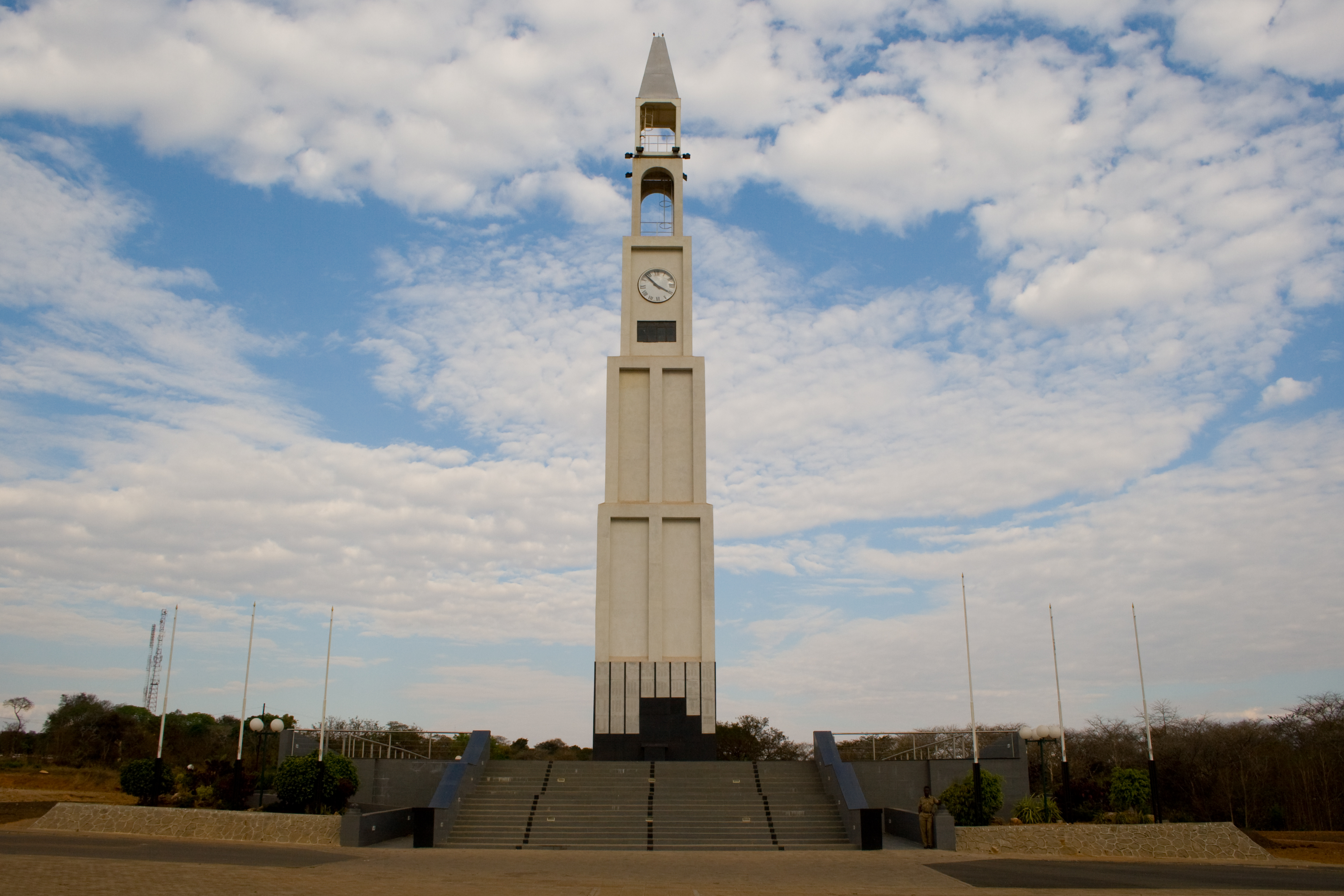
Lilongwe's economy centers on agriculture and government services, with tobacco processing as a key industry. The city hosts major employers in agricultural trading, textile manufacturing, and public administration. International NGOs and development organizations also provide significant employment opportunities, reflecting Malawi's economic reliance on foreign aid and agricultural exports.
Living costs in Lilongwe remain affordable, with monthly rent around $580 for modest apartments. Public transportation depends on minibus networks, which can be crowded but inexpensive. Healthcare facilities are limited, with most advanced medical services concentrated in central hospitals. English is widely spoken, reducing language barriers for international professionals and reducing adaptation challenges.
Expat social life revolves around diplomatic circles, NGO communities, and international schools. The subtropical climate offers mild temperatures and distinct rainy seasons, supporting outdoor activities. Cultural experiences include the Lilongwe Wildlife Centre, local markets, and museums showcasing Malawian heritage. Weekends often feature community events, international restaurant gatherings, and opportunities to explore surrounding rural landscapes.
Estimate the cost of moving to Lilongwe, Malawi
Get a free moving cost estimate for moving to Lilongwe, Malawi. Takes 10 seconds.
How much are you shipping?
When are you moving?
Powered by Sirelo. Free quotes from international movers.
🏚️ Cost of Living
A 1BR in the center runs about $540.71/mo. If your income is in another currency, bank FX fees add up. A multi-currency account can cut that cost.
Lilongwe is moderately safe for expats relative to other Southern African cities, with a Safety Index of 60 suggesting manageable risk levels. Primary concerns include petty theft, armed robbery in isolated areas, and opportunistic crime targeting foreigners perceived as wealthy. Avoid walking alone after dark, especially in Lilongwe Central and informal settlements; use registered taxis or ride-hailing apps instead. Carjacking and home break-ins occur but are not epidemic. Political stability is generally solid, though occasional protests warrant awareness. For a 30-65 expat with standard precautions—secure housing, local networks, situational awareness—Lilongwe presents a viable option, though it requires more vigilance than Western cities.
Lilongwe has a safety index of 60/100. Petty theft and lost belongings are the most common problems for newcomers. Compare travel insurance before you go.
See how Lilongwe's healthcare compares with Nkhotakota
🌤️ Climate
Summer Temp
26°C
Winter Temp
20°C
Humidity
72%
Air Quality Index
45
Annual Rainfall
887 mm
Best Months
MayJunJulAugSep
Climate Notes
Lilongwe has a subtropical climate with warm, wet summers (November–March) and mild, dry winters (May–August), making it comfortable year-round for expats who tolerate humidity.
💻 Digital Nomad
Avg Internet Speed
15 Mbps
Internet (monthly)
$61/mo
Coworking Availability
Limited
Coworking Spaces Nearby
0
Digital Nomad Score
55/100
Community Notes
Lilongwe's growing digital scene is attracting adventurous nomads.
mHub is a technology and innovation hub that offers coworking space. It's a good option for digital nomads looking to connect with the local tech community and is located in Area 47, Lilongwe.
Part of a global network, Impact Hub Lilongwe offers a collaborative workspace and community focused on social impact. Located in Area 9, it's a good choice for those interested in connecting with local entrepreneurs and NGOs.
Regus offers a professional and reliable coworking environment with various membership options. Located in the City Centre, it provides a convenient and well-equipped workspace for remote workers.
See how Lilongwe's digital nomad life compares with Nkhotakota
🧳 Expat Life
English Proficiency
Limited
Expat Community
Medium
Top Neighborhoods
Area 10, Area 12, Area 43
Banks Nearby
19
ATMs Nearby
28
Expat Life Notes
Malawi's capital is quiet and green, with an expat scene mostly made up of diplomats and NGO workers.
Pros
✓ Very friendly locals
✓ English is official
✓ Safe and low stress
Cons
✗ Slow pace of life
✗ Frequent power/water cuts
✗ Limited shopping and entertainment
🏘️ Neighborhoods in Lilongwe
Areas of Lilongwe that expats often consider.
Conditions can change from one block to the next, and these descriptions are general guides, not safety assessments. Before choosing where to stay or live, check current travel advisories, talk to people who live there, and visit in person if you can.
Area 47
Modern, upscale residential area
Area 47 is known for its newer, more modern housing and is popular with expats and wealthier Malawians. It's relatively safe and well-maintained, but less walkable than older areas. Expect to rely on a car or taxis.
Area 10
Established, leafy, diplomatic enclave
Area 10 is a long-standing expat hub, home to many embassies and international organizations. It's generally considered safe and has good infrastructure, but rents are higher. The area is quite spread out, so a car is almost essential.
Area 43
Quiet, residential, family-oriented
Area 43 is a more affordable residential area, popular with local families. It's quieter than the city center, but less developed and may require some basic Chichewa to navigate. Public transport is available, but can be unreliable.
Old Town
Bustling, commercial, local flavor
Old Town is the commercial heart of Lilongwe, offering a vibrant, authentic Malawian experience. It's very busy and can be chaotic, with limited expat amenities. Accommodation options are limited, and security can be a concern.
Namiwawa
Upmarket, quiet, residential suburb
Namiwawa is a more affluent residential area with larger properties and gardens. It's relatively quiet and safe, making it popular with families and retirees. You'll need a car to get around, as it's not very walkable.
Likuni
Semi-rural, peaceful, affordable living
Likuni is located on the outskirts of Lilongwe, offering a more rural and peaceful setting. It's significantly more affordable, but further from amenities and requires reliable transportation. Expect limited English spoken.
City Centre
Central, business, government hub
The City Centre is where you'll find government buildings, major businesses, and some hotels. While convenient for work, it can be busy and lacks the charm of other areas. Security is generally good, but it can be deserted at night.
Page 1 of 2
Could living/working in Lilongwe cut years off your work life?
With a 1-bedroom in the center at $541/mo, your FIRE number here might be much lower than you think.
Lilongwe has a population of approximately 440,471 people.
A single person can expect to spend around $1,352 per month in Lilongwe, including rent. A 1-bedroom apartment in the city center costs approximately $541/month.
The nearest airport to Lilongwe is LLW, approximately 8.9km away.
Lilongwe is considered relatively safe, with a safety index of 60.0. As with any city abroad, expats should research specific neighborhoods before committing to a location.
Lilongwe has an average internet speed of 15 Mbps. It is not yet considered a well-established digital nomad destination.
Living costs are low compared to other African capitals. Monthly expenses for a single expat can range from $800-$1200, including rent, utilities, and basic necessities.
Job opportunities are primarily in agriculture, government, NGOs, and international development. Networking, specialized skills, and language proficiency can improve employment prospects.
For extended stays, you'll likely need to explore a Temporary Employment Permit (if you have a job offer) or a Business Residence Permit if you're investing. Tourist visas are readily available but only valid for shorter periods, requiring frequent renewals.
Healthcare in Lilongwe is adequate, with both public and private options. Private hospitals like City Centre Clinic offer better facilities and shorter wait times. You can find English-speaking doctors, especially at private facilities catering to expats.
Internet speeds can be inconsistent. Mobile data is generally reliable, but home internet can be spotty outside the city center. Expect speeds sufficient for video calls and general work, but not always ideal for large file transfers.
Area 10 and Area 43 are popular with expats due to their proximity to amenities and perceived safety. These areas offer a mix of houses and apartments, but expect higher rental costs compared to other neighborhoods.
Lilongwe has a subtropical highland climate. Expect a distinct dry season from May to October with cooler temperatures, and a rainy season from November to April with warmer, more humid conditions. Pack accordingly.
Taxis and minibuses are the most common forms of public transport. Taxis are safer and more convenient, but more expensive. Consider negotiating the fare beforehand. Self-driving is possible, but be prepared for varying road conditions.
Coworking spaces are emerging in Lilongwe, offering a more reliable internet connection and professional environment. Check out local business centers for options, as availability can change.
As a US citizen, you're still required to file US taxes, even while living abroad. The Foreign Earned Income Exclusion (FEIE) and Foreign Tax Credit can help reduce your tax burden. Consult a tax professional specializing in expat taxes.
Retiring comfortably on $2,000-$3,000 per month is feasible, depending on your lifestyle. This budget should cover rent, food, healthcare, and some leisure activities. Lower budgets are possible with careful planning.
Lilongwe offers a mix of local and international cuisine. You'll find restaurants serving Malawian staples like nsima and relish, as well as Indian, Chinese, and European options. Expect to pay around $10-$20 for a meal at a mid-range restaurant.
English is widely spoken in Lilongwe, especially in business and tourist areas. While you can get by with just English, learning some Chichewa, the local language, will greatly enhance your experience and interactions with locals.
Lilongwe offers several leisure activities, including visiting the Lilongwe Wildlife Centre, exploring the Old Town market, and enjoying the natural beauty of the surrounding areas. Weekend trips to Lake Malawi are also popular.
Cost-of-living and visa updates for Lilongwe and the rest of Malawi. Free with RA Postcards.
By submitting your email address, you will receive a free subscription to RA Postcards and special offers from Rewire Abroad and our affiliates. You can unsubscribe at any time, and we encourage you to read more about our Privacy Policy.