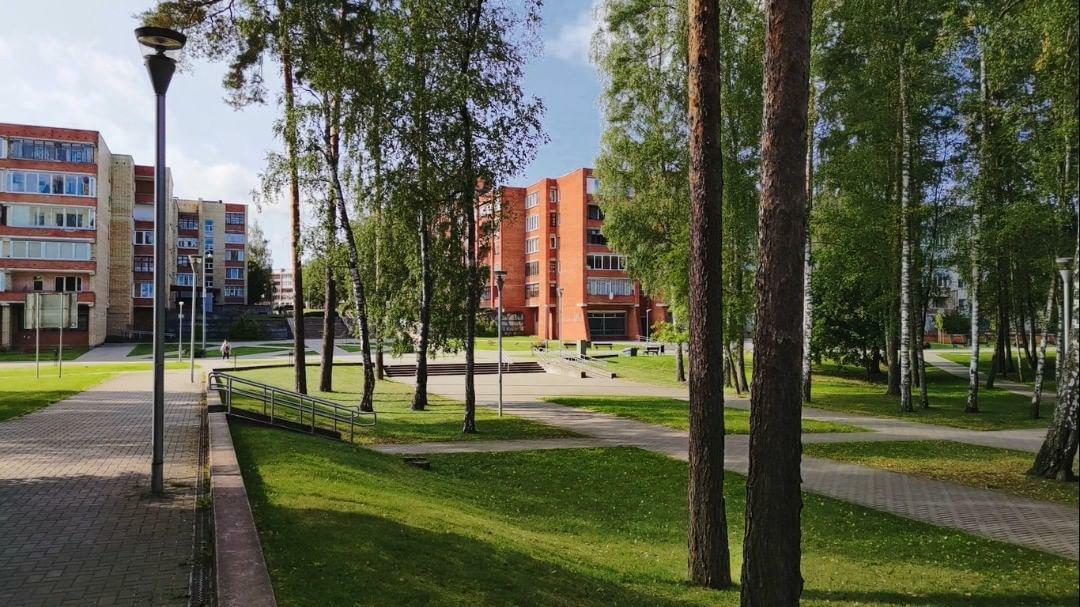
The town of 19,000 lives in the shadow of a decommissioned nuclear plant, and that defines the job market. Unless you’re in nuclear decommissioning, renewable energy, or maybe teaching English, local hiring is practically extinct. Remote workers, however, can exploit the 85 Mbps internet, a $450 city-center apartment, and monthly expenses around $620 before rent. The digital nomad score of 63 is fair: there’s no coworking scene, and the isolation is real. If your paycheck is foreign and you crave quiet, it’s livable; otherwise, you’ll need fluent Russian and specialized skills to even get a foot in the door.
Housing is mostly Soviet-era blocks where thin walls and uncontrollable communal heating are the norm, but rents hold at an honest $450. The train connects you to Vilnius in a few hours, and local buses are reliable enough. Healthcare exists, yet the city is Russian-speaking, so unless you speak the language, you’ll need a translator for anything beyond a pharmacy run. Official paperwork, from visas to utilities, grinds along in Lithuanian, a language almost no one around you actually speaks. The expat community is small and tight-knit, but if you don’t speak Russian, you’ll be an outsider looking in.
You belong here if you speak Russian, bring a remote income, and find contentment in extreme quiet. The safety index of 70 and low crime mean your main adversary is boredom. Retirees with prior Eastern European experience settle in well, drawn by the affordability and calm. But if you’re a digital nomad chasing a scene, or a professional without a remote gig, Visaginas will chew you up with monotony and linguistic isolation. This is a place where one hard winter separates the committed from the naive.