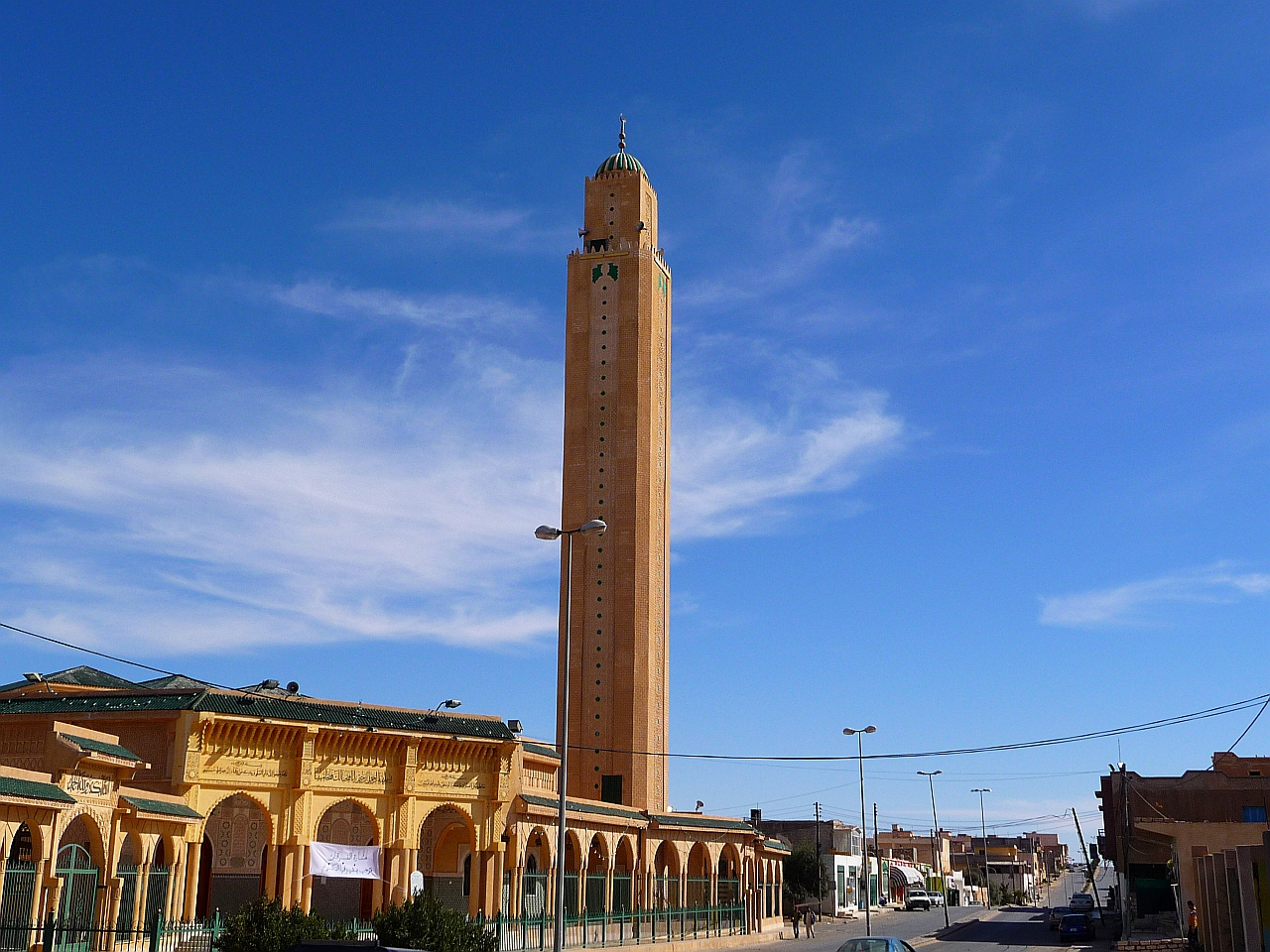
Jadu, Libya
Data updated Oct 8, 2026
📊 Scores
Best fit: Retiree (score: 10)
Jadu's economy centers on traditional agricultural and pastoral activities, leveraging the mountainous Nafusa region's terrain. Small-scale farming, livestock rearing, and limited trade characterize local economic activities. The town's historical role as a trade connector between Tripoli and sub-Saharan routes provides some economic resilience, though political instability has significantly disrupted economic development and investment potential.
Living in Jadu presents significant practical challenges due to its remote mountain location. Housing tends to be traditional stone constructions adapted to the rugged landscape. Transportation infrastructure is minimal, with difficult road connections to larger cities. Healthcare facilities are basic, and residents often must travel to Tripoli for advanced medical services. Arabic and Amazigh languages dominate local communication, potentially creating barriers for non-native expats.
Jadu's lifestyle reflects strong Amazigh cultural traditions, with community-centered social interactions and preserved indigenous practices. The Mediterranean mountain climate offers hot summers and mild winters, suitable for outdoor activities. Social life revolves around family and tribal connections. Limited tourism and ongoing political instability mean expatriates would need significant cultural adaptation and resilience to establish themselves in this challenging environment.
Estimate the cost of moving to Jadu, Libya
Get a free moving cost estimate for moving to Jadu, Libya. Takes 10 seconds.
How much are you shipping?
When are you moving?
Powered by Sirelo. Free quotes from international movers.
🏚️ Cost of Living
If your income is in another currency, bank FX fees add up every month. A multi-currency account can cut that cost.
See low-fee transfersWe may earn a commission at no cost to you.
See how Jadu's cost of living compares with Zliten
Be the first to report costs in Jadu
🛡️ Safety & Crime
(Higher is safer)
(Lower is safer)
Jadu presents significant safety challenges for expats. With a Safety Index of 25/100, this small Libyan town reflects the country's ongoing instability, limited law enforcement capacity, and sporadic civil unrest. Primary risks include petty theft, armed robbery, and kidnapping—particularly targeting foreigners. The broader geopolitical context is critical: Libya remains fragmented with militia activity, and remote areas like Jadu lack reliable security infrastructure or emergency services. Medical facilities are inadequate. For Americans aged 30-65, relocation here is not advisable unless part of an established organization with security protocols. The U.S. State Department maintains a Level 4 advisory (Do Not Travel) for most of Libya.
Jadu has a safety index of 25/100. Petty theft and lost belongings are the most common problems for newcomers. Compare travel insurance before you go.
Compare travel insuranceWe may earn a commission at no cost to you.
🏥 Healthcare
See how Jadu's healthcare compares with Zliten
🌤️ Climate
Best Months
Climate Notes
Jadu experiences a hot desert climate with scorching summers (May-September) exceeding 35°C, mild winters around 10-15°C, and minimal rainfall year-round, requiring strong sun protection and hydration.
💻 Digital Nomad
Community Notes
Jadu is off the grid but holds potential for adventurous nomads.
Coworking Spaces
| Name | Notes |
|---|---|
| Jadu Business Center | Located in the heart of Jadu, this business center likely offers basic coworking facilities. It's a practical option for digital nomads seeking a functional workspace with internet access and a professional environment. |
| Al Madar Center | While primarily a training center, Al Madar may offer desk space and internet access for remote workers. Check for availability and pricing, as it could be a budget-friendly option in a central location. |
Names, locations and hours can change. Check each space's website before you visit. Places from © OpenStreetMap contributors and Foursquare Open Source Places (Apache 2.0).
Working remotely from Jadu? Nomad health insurance covers you across borders, month to month.
See nomad insuranceWe may earn a commission at no cost to you.
See how Jadu's digital nomad life compares with Zliten
🧳 Expat Life
Expat Life Notes
Historic Berber town in the mountains. Currently high-risk due to political instability in Libya.
Pros
- ✓ Berber culture
Cons
- ✗ Extreme security risk
- ✗ Zero infrastructure
- ✗ Total isolation
🏘️ Neighborhoods in Jadu
Conditions can change from one block to the next, and these descriptions are general guides, not safety assessments. Before choosing where to stay or live, check current travel advisories, talk to people who live there, and visit in person if you can.
Neighborhood guides for this city are being reviewed. In the meantime, see the safety section and check current travel advisories before choosing where to stay.
Could living/working in Jadu cut years off your work life?
With a 1-bedroom in the center at $248/mo, your FIRE number here might be much lower than you think.
More Cities to Consider instead of Jadu
Frequently Asked Questions about Jadu
Click any question to expand the answer.
Share This Guide
Jadu won't stay this cheap forever.
Cost-of-living and visa updates for Jadu and the rest of Libya. Free with RA Postcards.
By submitting your email address, you will receive a free subscription to RA Postcards and special offers from Rewire Abroad and our affiliates. You can unsubscribe at any time, and we encourage you to read more about our Privacy Policy.