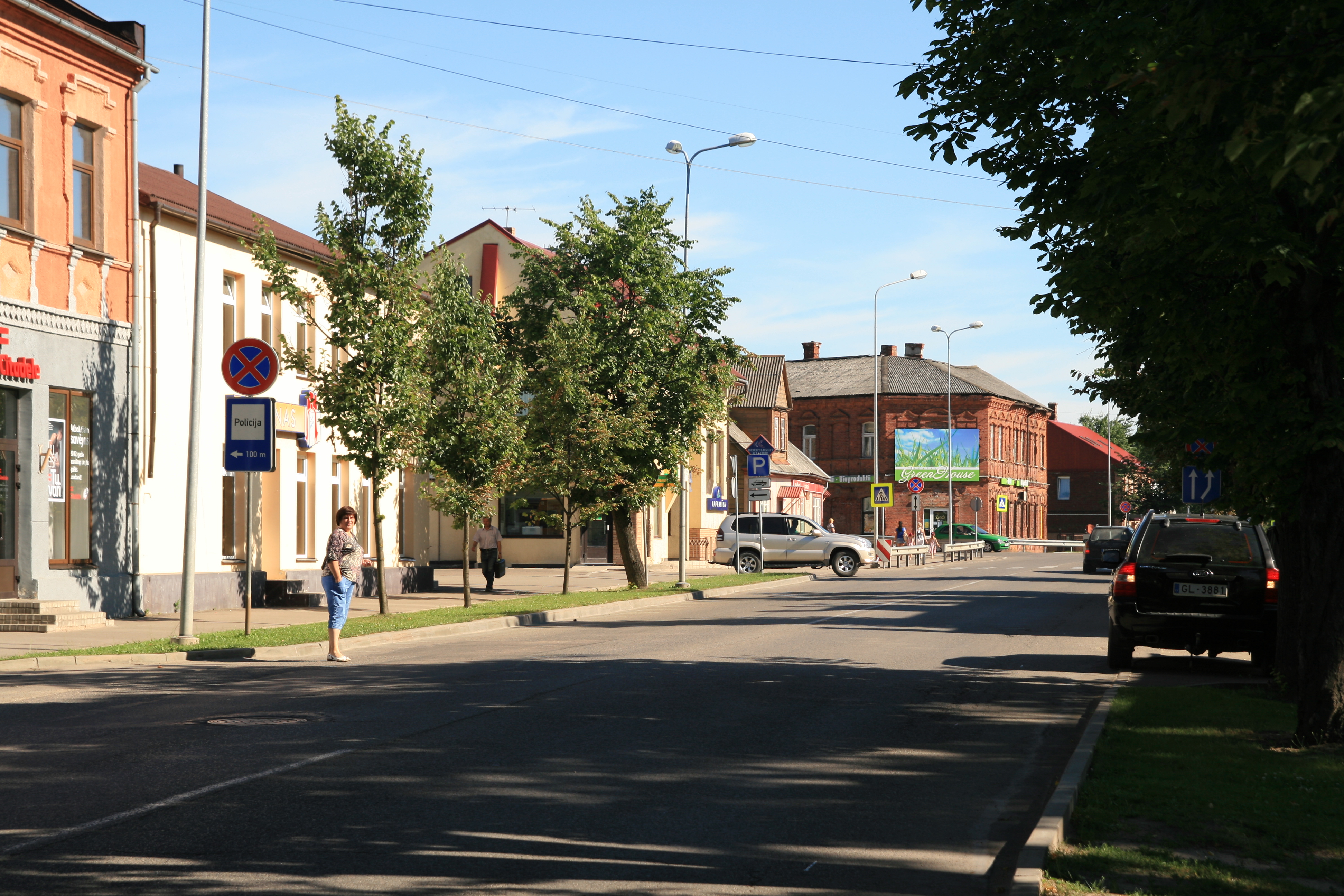
You bring your own job or you don't come. That's the entire economic story here. The local economy runs on forestry, a handful of small manufacturing outfits, and municipal work, none of which will hire you without fluent Latvian and probably a cousin who already works there. Remote work isn't just viable, it's the only door that opens. With a population under seven thousand, the idea of networking your way into something local as a foreigner is fantasy. But the math is seductive if you've already got income: $450 a month covers your life outside rent, and a city center apartment runs about $116. You read that right. You'll live on pocket change while your US or Western European salary piles up untouched. Internet averages 45 Mbps, which handles Zoom and Slack fine but will frustrate you if you're pushing large files around all day.
Housing is Soviet-era apartment blocks, mostly. They're ugly from the outside and surprisingly functional inside, often renovated by owners who take pride in what they've got. You won't find a sleek expat rental market here. You'll find a Facebook group, a Latvian-speaking landlord, and a handshake deal. Healthcare exists but it's basic. The local clinic handles routine stuff. Anything serious sends you to Daugavpils or Riga, and you'll want private insurance because the public system will exhaust you with wait times and language barriers. Buses connect you to Riga in a few hours. The nearest airport is only 9.5 kilometers away, which sounds convenient until you realize it's a small regional strip and you'll still end up at RIX for anything international. Bureaucracy is all in Latvian. Every form, every office, every interaction assumes you speak the language. You'll need a local contact or a lot of patience and Google Translate. The safety numbers tell a quiet story: crime index of 22, safety index of 78. You can walk anywhere at any hour and the worst thing that happens is a teenager asking for a cigarette.
This town works for exactly two kinds of people. The first is the remote worker who wants to disappear into low costs and zero distractions, someone who genuinely doesn't need expat social circles or restaurant variety or anything resembling urban stimulation. You'll read, you'll walk along the Dubna River, you'll cook your own meals, and your bank account will swell. The second is the retiree on a fixed income who wants to stretch a pension into something resembling comfort. That's it. If you need a coworking space, a dating scene, English-speaking doctors, or the ability to make local friends without a year of language study, Livani will grind you down. It's not hostile. It's just indifferent to your presence. The town doesn't need you, and it won't rearrange itself to accommodate you. If that sounds peaceful, book a ticket. If it sounds isolating, believe that instinct.