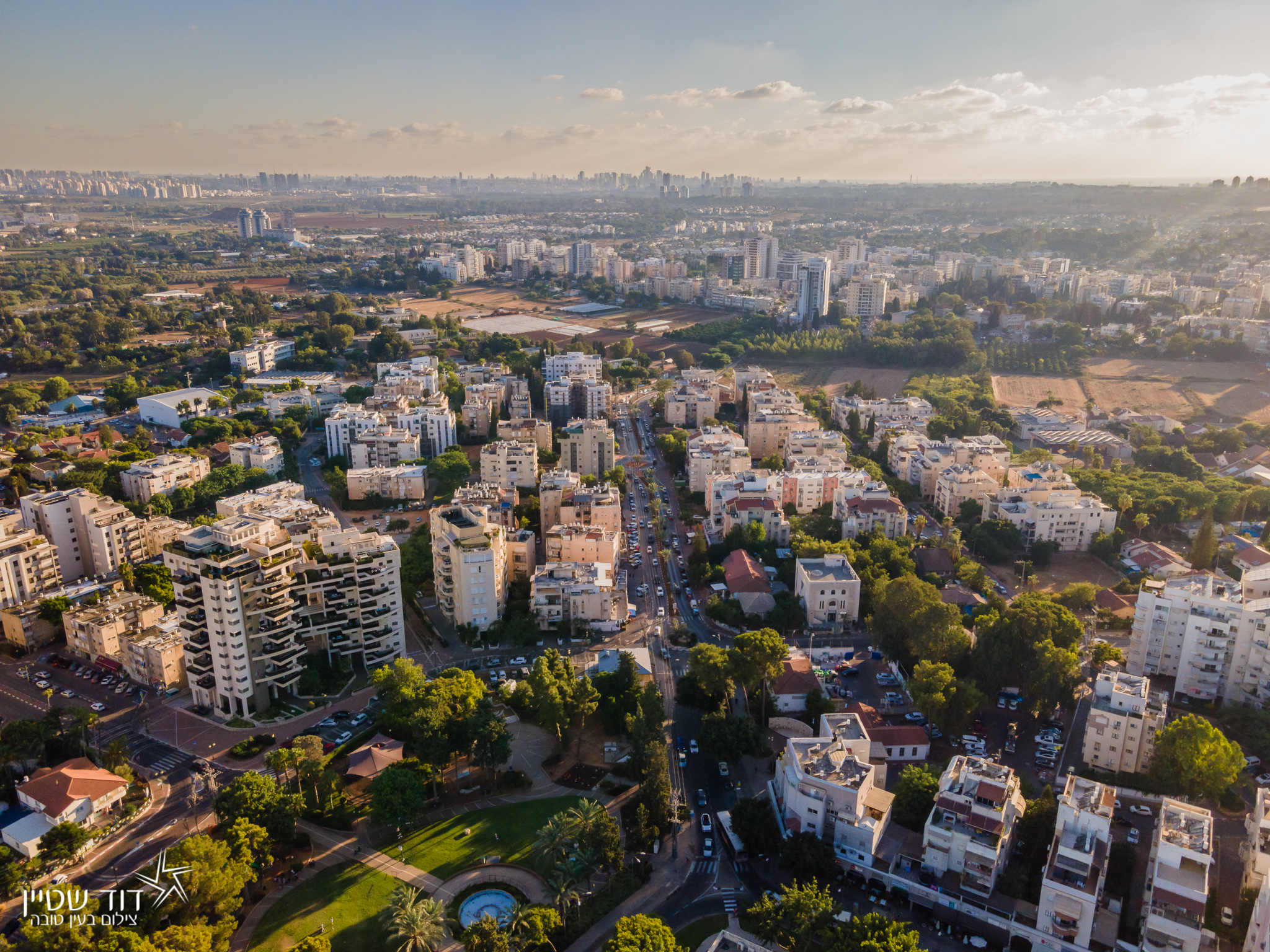
Hod Hasharon, Israel Hero Image
Wikipedia Contributor, CC BY-SA

Hod Hasharon, Israel

Data updated Oct 8, 2026

Follows Israel Residency Rules. Check Digital Nomad & Retiree Pathways →

📊 Scores

67
FIRE
71
Retiree
74
Digital Nomad

Best fit: Digital Nomad (score: 64)

Hod Hasharon sits 75 meters above sea level, 4 kilometers from Ben Gurion Airport (TLV), in the Mediterranean climate zone that defines central Israel. Expats tend to settle in Ganei Tzvi and Hadar, two neighborhoods with a medium-sized international community. The city enjoys a Mediterranean climate with hot summers and mild winters, and its 57,000 residents benefit from excellent healthcare and an average internet speed of 80 Mbps.

Living costs in Hod Hasharon reflect its position as a mid-range Israeli city. A one-bedroom apartment in the city center rents for $1,600/mo, while outside the center the same unit costs $1,250/mo. Three-bedroom apartments run $2,396/mo in the center and $2,200/mo outside. Monthly utilities are $260, internet is $45, and a mobile phone plan costs $11. A monthly public transport pass is $92, and a gym membership is $120. For a single adult, the budget tier total including rent is $1,497/mo, the mid-range tier including rent is $2,396/mo, and the comfortable tier including rent is $3,059/mo. Excluding rent, a single person spends $1,150/mo on average, while a family of four spends $3,800/mo. A cappuccino at a restaurant costs $5, an inexpensive meal is $23, and a three-course meal for two at a mid-range restaurant runs $98. The overall cost of living index is 74/100 relative to New York City.

Safety is strong in Hod Hasharon, with a safety index of 75/100 and a crime index of 25/100 (lower is safer). Healthcare quality is rated excellent, and the air quality index is 70. English is widely spoken, which helps newcomers navigate daily life. The combination of high safety and top-tier medical care makes the city appealing for families and retirees.

Hod Hasharon scores 74/100 for digital nomads, 71/100 for retirees, and 64/100 for overall expat life. Its FIRE score of 67/100 reflects the manageable cost of living combined with solid infrastructure. Reaching the city is straightforward from Ben Gurion Airport, just 4 kilometers away. The city suits expats who want a quiet, well-connected base with excellent healthcare and a moderate budget, without the higher costs of Tel Aviv.
Estimate the cost of moving to Hod Hasharon, Israel

Get a free moving cost estimate for moving to Hod Hasharon, Israel. Takes 10 seconds.

How much are you shipping?

When are you moving?

Powered by Sirelo. Free quotes from international movers.

🏚️ Cost of Living

💰 Budgets and Costs

$2,348/mo, one person, rent included
Selected: mid-range lifestyle

Hod Hasharon on a mid-range budget comes to about $2,348 a month for one adult, with $1,250 of that going to rent. Beyond rent the estimate covers $253 on groceries, $228 on dining out, $208 on entertainment and lifestyle, $317 on utilities and connectivity and $92.00 on transport.

Rent

$1,250/mo

1BR outside the centre

Groceries

$253/mo

Staples basket scaled to a full month

Dining out

$228/mo

10 inexpensive meals

Entertainment & lifestyle

$208/mo

gym, 2 cinema trips, 12 cappuccinos

Utilities & connectivity

$317/mo

utilities, mobile, internet

Transport

$92.00/mo

Monthly pass

Budgets (excl. rent)

Single person$1,098/mo

Excludes rent. The total above is all-in, rent included.

Estimates for one adult, built from this city's average prices and the usage shown for each tier. Your spending will differ with how often you eat out and where you live.

A 1BR in the center runs about $1600/mo. If your income is in another currency, bank FX fees add up. A multi-currency account can cut that cost.

See low-fee transfers

We may earn a commission at no cost to you.

See how Hod Hasharon's cost of living compares with Karmiel

Be the first to report costs in Hod Hasharon

Share

🛡️ Safety & Crime

75
Safety Index

(Higher is safer)

25
Crime Index

(Lower is safer)

Hod Hasharon is a prosperous, well-maintained suburban city with notably low crime rates—among Israel's safest. Petty theft and vehicle break-ins occur occasionally but are uncommon. The main consideration for expats is Israel's broader geopolitical context: periodic regional tensions and rocket alerts, though Hod Hasharon's location near Tel Aviv means it's less exposed than southern or northern border areas. Day-to-day life is secure, with good police presence and community safety infrastructure. For Americans accustomed to suburban safety, this feels genuinely safe, though awareness of Israel's security situation is essential before relocating.

🏥 Healthcare

Excellent
Public Hospitals
Yes
Private Clinics
Yes
English-Speaking Doctors
Widely Available

See how Hod Hasharon's healthcare compares with Karmiel

🌤️ Climate

Climate Zones
Mediterranean
Summer Temp
43°C
Winter Temp
5°C
Humidity
68%
Air Quality Index
70
Annual Rainfall
535 mm

Best Months

JanMarAprNovDec

Climate Notes

Hod Hasharon experiences hot summers and mild winters, with air quality potentially impacted by nearby urban and industrial activities from the Tel Aviv metropolitan area.

💻 Digital Nomad

Avg Internet Speed
80 Mbps
Internet (monthly)
$45/mo
Coworking Availability
Moderate
Coworking Spaces Nearby
3
Digital Nomad Score
74/100

Community Notes

An innovative hub with strong community support for entrepreneurs.

Coworking Spaces

NameNotes
Regus Hod Hasharon - Gindi TowerLocated in the Gindi Tower, this Regus offers a professional environment with standard amenities. Its central location in Hod Hasharon makes it easily accessible and a reliable option for remote workers seeking a familiar brand.
Labs Hod HasharonLabs offers a modern coworking space with a focus on technology and innovation. It provides a vibrant community and is well-suited for digital nomads looking to connect with other professionals in a contemporary setting.
Workland Hod HasharonWorkland provides a stylish and functional coworking environment with a focus on community and productivity. It's a good option for those seeking a balance between a professional workspace and a collaborative atmosphere.

Names, locations and hours can change. Check each space's website before you visit. Places from © OpenStreetMap contributors and Foursquare Open Source Places (Apache 2.0).

Working remotely from Hod Hasharon? Nomad health insurance covers you across borders, month to month.

See nomad insurance

We may earn a commission at no cost to you.

See how Hod Hasharon's digital nomad life compares with Karmiel

🧳 Expat Life

English Proficiency
Widely Spoken
Expat Community
Medium
Top Neighborhoods
Ganei Tzvi, Hadar
Banks Nearby
44
ATMs Nearby
28

Expat Life Notes

A wealthy, high-tech hub city bordering Herzliya. Very family-friendly and affluent.

Pros

  • ✓ Safe and clean
  • ✓ High salaries nearby
  • ✓ Top schools

Cons

  • ✗ Extremely expensive housing
  • ✗ Socially exclusive
  • ✗ Traffic on Hwy 4

🏘️ Neighborhoods in Hod Hasharon

Areas of Hod Hasharon that expats often consider.

Conditions can change from one block to the next, and these descriptions are general guides, not safety assessments. Before choosing where to stay or live, check current travel advisories, talk to people who live there, and visit in person if you can.

Neve Ne'eman

Quiet, family-friendly residential area

A well-established neighborhood with a mix of apartments and houses. Popular with families and those seeking a quieter lifestyle. Relatively walkable with local shops and parks, but a car is helpful for accessing other parts of Hod Hasharon and the surrounding area. Many English speakers reside here.

Ganei Tzvi

Modern, upscale residential community

A newer, more affluent neighborhood featuring modern architecture and well-maintained green spaces. Attracts professionals and families. While walkable within the immediate area, access to amenities and transportation requires a car. Many residents are fluent in English.

Magdiel

Historic, charming, village atmosphere

One of the original settlements that merged to form Hod Hasharon, Magdiel retains a more traditional, village-like feel. Offers a mix of older and renovated homes. Less expat-heavy than other areas, but provides a more authentic Israeli experience. Hebrew proficiency is helpful.

Ramat Hadar

Established, suburban, family-oriented

A mature residential area with a mix of housing options. Known for its good schools and community atmosphere. Walkable for local errands, but public transportation is limited. Many residents speak English, making it easier for newcomers.

Page 1 of 2

Could living/working in Hod Hasharon cut years off your work life?

With a 1-bedroom in the center at $1600/mo, your FIRE number here might be much lower than you think.

Calculate My FIRE Date →

More Cities to Consider instead of Hod Hasharon

FAQ

Frequently Asked Questions about Hod Hasharon

Click any question to expand the answer.

Hod Hasharon has a population of approximately 56,659 people.
A single person can expect to spend around $4,000 per month in Hod Hasharon, including rent. A 1-bedroom apartment in the city center costs approximately $1600/month.
The nearest airport to Hod Hasharon is TLV, approximately 3.6km away.
Hod Hasharon is considered relatively safe, with a safety index of 75.0. As with any city abroad, expats should research specific neighborhoods before committing to a location.
Hod Hasharon has an average internet speed of 80 Mbps. It is considered a well-established digital nomad destination.
For tech jobs, no—English dominates offices. For everything else (bureaucracy, healthcare, shopping, landlords), yes. You'll struggle without it. Most expats learn basics or hire translators for official paperwork.
Yes, but only through employer sponsorship. Your company must apply for a work permit; it typically takes 2–4 weeks. Freelancers and remote workers on tourist visas are technically violating terms but enforcement is inconsistent.
Generally, Hod HaSharon is more expensive than many parts of the US, especially when it comes to housing. Expect to pay a premium for rent, with groceries and dining out also costing more than average US prices. However, you might save on transportation if you utilize public transit.
Yes, you'll find a good number of doctors and dentists who speak English, especially in the larger clinics and hospitals near Hod HaSharon like Beilinson Hospital in Petah Tikva. It's always a good idea to confirm their English proficiency when booking appointments.
Israel doesn't have a specific retirement visa. Most retirees enter on a tourist visa (B/2), which allows stays of up to three months, renewable at the discretion of the Ministry of Interior. For longer stays, you'll need to explore options like an Aliyah visa (if eligible) or potentially a student visa if you enroll in Hebrew classes.
Internet service in Hod HaSharon is generally very reliable, with high-speed fiber optic options available in many areas. You can expect speeds suitable for video conferencing, streaming, and other demanding remote work tasks. Check with providers like Bezeq International or Partner for specific plans and coverage in your neighborhood.
Hod HaSharon has a decent public transportation system, including buses that connect to nearby cities like Tel Aviv and Ra'anana. Taxis and ride-sharing services like Gett are also readily available. The train station in nearby Kfar Saba provides another option for reaching other parts of the country.
Israel has a universal healthcare system, but as an expat, you'll likely need private health insurance until you establish residency and become eligible for national health insurance (Kupat Holim). Private insurance costs vary depending on your age and coverage, but expect to pay a few hundred dollars per month.
Hod HaSharon has a Mediterranean climate with hot, dry summers and mild, wet winters. Expect temperatures to range from the 50s in winter to the 80s and 90s in summer. Rainfall is concentrated in the winter months, from November to March.
While Hod HaSharon itself might have limited dedicated coworking spaces, nearby cities like Ra'anana and Petah Tikva offer several options. Many cafes also provide a comfortable environment for working remotely, with reliable Wi-Fi and power outlets.
Opening a bank account typically requires your passport, proof of address (like a rental agreement), and potentially a letter from your employer or other documentation. Major banks like Bank Leumi and Bank Hapoalim have branches in Hod HaSharon. Be prepared for potential scrutiny due to US tax regulations (FATCA).
Neighborhoods like Neve Ne'eman and Ganei Tzvi are popular with families and offer a mix of housing options. For a more central location, consider the area around the main street, Sokolov. Your budget will significantly influence your choices.
Hod HaSharon doesn't have a huge expat community compared to Tel Aviv, but there are still opportunities to connect with other English speakers. Online groups on Facebook and Meetup are good places to start. Also, check out events organized by organizations like Nefesh B'Nefesh.
To retire comfortably in Hod HaSharon, you'll likely need a passive income of at least $3,000-$4,000 per month, depending on your lifestyle. This should cover rent, healthcare, groceries, and some leisure activities. Lowering housing costs by living more modestly can significantly reduce this figure.
As a US citizen, you're still required to file US taxes even when living abroad. The Foreign Earned Income Exclusion (FEIE) can help you exclude a certain amount of your earned income from US taxes. You may also need to report foreign bank accounts (FBAR) and assets. Consult with a tax professional specializing in expat taxes.
Hod HaSharon is generally a very safe city with low crime rates. However, like any urban area, it's always wise to be aware of your surroundings, especially at night. There aren't any specific areas known for high crime within Hod HaSharon itself.

Share This Guide