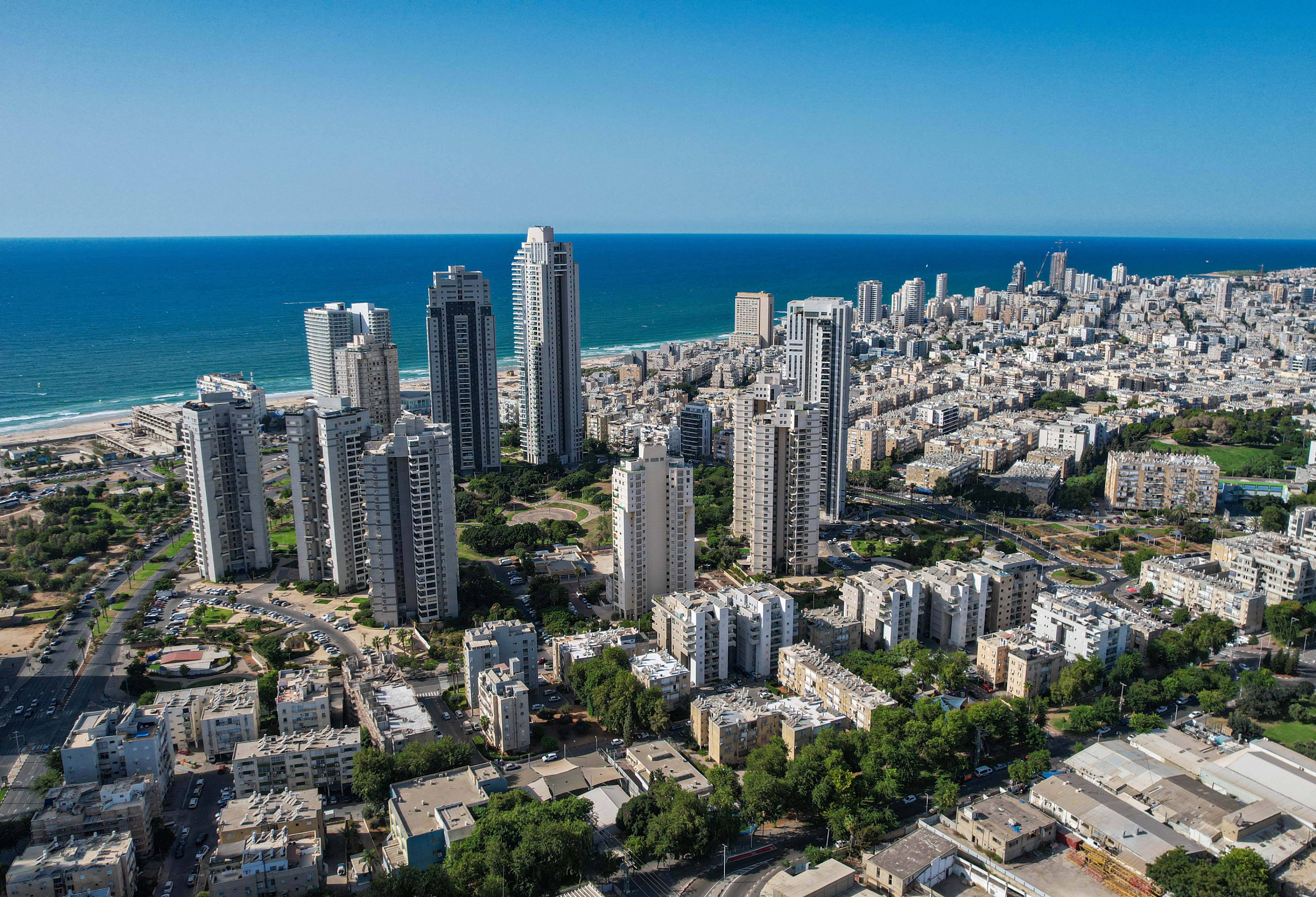
Bat Yam, Israel Hero Image
Wikipedia Contributor, CC BY-SA

Bat Yam, Israel

🌊 Coastal

Data updated Oct 8, 2026

Follows Israel Residency Rules. Check Digital Nomad & Retiree Pathways →

📊 Scores

65
FIRE
67
Retiree
73
Digital Nomad

Best fit: Digital Nomad (score: 63)

Bat Yam sits on Israel's Mediterranean coast just south of Tel Aviv, a compact city of 129 thousand people at only 15 m above sea level in the Asia/Jerusalem timezone. The climate is Mediterranean, which means long, warm, humid summers and mild, rainy winters, with the sea shaping daily life for much of the year. Expats tend to cluster in three areas: Bat Yam Center, Givat HaTmarim, and Ramat Yosef. The Center puts residents within walking distance of the beach promenade, shops, and bus lines, while Givat HaTmarim and Ramat Yosef offer a quieter, more residential feel that appeals to families and anyone who wants a little more space for their money.

Rents reflect the city's position as a more affordable alternative to its northern neighbor. A one-bedroom apartment in the city center runs about $1,600/mo, dropping to $1,250/mo outside the center. Three-bedroom units average $2,900/mo in the center and $2,200/mo farther out. Beyond rent, a single person spends roughly $1,300/mo, and a family of four about $4,400/mo. Utilities come to $260/mo, internet $54/mo, and a mobile plan just $11/mo. A monthly public transport pass costs $83/mo and a gym membership $49/mo. Eating out is moderate: $23 for an inexpensive restaurant meal per person, $98 for a three-course mid-range meal for two, and $5 for a cappuccino. The average monthly net salary locally is $3,713/mo, and the cost of living index sits at 82/100 against New York City at 100. Budget-conscious single adults can manage on around $2,900/mo including rent, a mid-range lifestyle runs about $3,800/mo, and a comfortable one about $5,200/mo.

Safety is one of Bat Yam's stronger selling points. The safety index is 80/100 and the crime index is 20/100, where lower is safer, so everyday life feels calm by the standards of a major metropolitan area. Healthcare quality is rated excellent, giving residents access to a strong standard of care. Air quality sits at 52 on the index, where lower is better, a middling figure typical of a dense coastal city. Internet speeds average 85 Mbps, fast enough for remote work, streaming, and video calls without much friction.

Arriving is straightforward: Ben Gurion Airport (TLV) is only 7 km away, making transfers short and inexpensive. Visa routes exist for several categories of newcomers, and it pays to confirm the current requirements for your situation before booking anything. English is common in tourist areas, and the expat community is medium in size, so newcomers can find company without feeling lost in a crowd. The city scores 63/100 overall for expats, 73/100 for digital nomads, 67/100 for retirees, and 65/100 on FIRE. That mix suits remote workers who want beach access and Tel Aviv proximity at a lower price, budget-minded renters, and retirees seeking calm, affordable coastal living with solid healthcare nearby.
Estimate the cost of moving to Bat Yam, Israel

Get a free moving cost estimate for moving to Bat Yam, Israel. Takes 10 seconds.

How much are you shipping?

When are you moving?

Powered by Sirelo. Free quotes from international movers.

🏚️ Cost of Living

💰 Budgets and Costs

$2,271/mo, one person, rent included
Selected: mid-range lifestyle

Bat Yam on a mid-range budget comes to about $2,271 a month for one adult, with $1,250 of that going to rent. Beyond rent the estimate covers $249 on groceries, $228 on dining out, $136 on entertainment and lifestyle, $325 on utilities and connectivity and $83.00 on transport.

Rent

$1,250/mo

1BR outside the centre

Groceries

$249/mo

Staples basket scaled to a full month

Dining out

$228/mo

10 inexpensive meals

Entertainment & lifestyle

$136/mo

gym, 2 cinema trips, 12 cappuccinos

Utilities & connectivity

$325/mo

utilities, mobile, internet

Transport

$83.00/mo

Monthly pass

Budgets (excl. rent)

Single person$1,021/mo

Excludes rent. The total above is all-in, rent included.

Estimates for one adult, built from this city's average prices and the usage shown for each tier. Your spending will differ with how often you eat out and where you live.

A 1BR in the center runs about $1600/mo. If your income is in another currency, bank FX fees add up. A multi-currency account can cut that cost.

See low-fee transfers

We may earn a commission at no cost to you.

See how Bat Yam's cost of living compares with Arad

Be the first to report costs in Bat Yam

Share

🛡️ Safety & Crime

80
Safety Index

(Higher is safer)

20
Crime Index

(Lower is safer)

Bat Yam is a safe, beachfront suburb of Tel Aviv with low violent crime and a strong police presence. Petty theft and car break-ins occur occasionally, particularly in parking areas near the beach. The main consideration for expats is Israel's geopolitical situation—periodic rocket alerts and regional tensions warrant awareness, though Bat Yam itself experiences these less frequently than northern areas. For Americans seeking a secure, modern coastal lifestyle with good infrastructure, Bat Yam is a solid choice, provided you're comfortable with the broader regional context.

🏥 Healthcare

Excellent
Public Hospitals
Yes
Private Clinics
Yes
English-Speaking Doctors
Available

See how Bat Yam's healthcare compares with Arad

🌤️ Climate

Climate Zones
Mediterranean
Summer Temp
28°C
Winter Temp
13°C
Humidity
65%
Air Quality Index
52
Annual Rainfall
666 mm

Best Months

AprMayOctNov

Climate Notes

Bat Yam enjoys a Mediterranean climate with hot, dry summers (June-September) and mild, occasionally rainy winters (December-February), making it ideal for year-round beach living.

💻 Digital Nomad

Avg Internet Speed
85 Mbps
Internet (monthly)
$54/mo
Coworking Availability
Abundant
Coworking Spaces Nearby
0
Digital Nomad Score
73/100

Community Notes

Vibrant city life with excellent healthcare facilities and numerous coworking spaces.

Coworking Spaces

NameNotes
Regus Bat Yam - Golda MeirLocated in the heart of Bat Yam, this Regus offers a professional environment with private offices and coworking spaces. Its central location provides easy access to transportation and local amenities, making it a convenient option for expats.
Labs TLVWhile technically in Tel Aviv, Labs TLV is a short commute from Bat Yam and offers a vibrant, international coworking community. It features modern amenities, networking events, and a focus on innovation, appealing to digital nomads seeking a dynamic workspace.
Be All - Coworking SpaceLocated in the Tel Aviv area, but easily accessible from Bat Yam, Be All offers a modern and stylish coworking environment. It provides a range of options, from hot desks to private offices, and fosters a collaborative community, making it suitable for remote workers.

Names, locations and hours can change. Check each space's website before you visit. Places from © OpenStreetMap contributors and Foursquare Open Source Places (Apache 2.0).

Working remotely from Bat Yam? Nomad health insurance covers you across borders, month to month.

See nomad insurance

We may earn a commission at no cost to you.

See how Bat Yam's digital nomad life compares with Arad

🧳 Expat Life

English Proficiency
Common in Tourist Areas
Expat Community
Medium
Top Neighborhoods
Bat Yam Centre, Givat HaTmarim, Ramat Yosef
Banks Nearby
29
ATMs Nearby
18

Expat Life Notes

Bat Yam is a densely populated coastal city immediately south of Tel Aviv, part of the Gush Dan metropolitan area. It is significantly more affordable than Tel Aviv while offering beach access and full metro connectivity. A large Russian-speaking immigrant community is present.

Pros

  • ✓ Affordable Tel Aviv beach suburb
  • ✓ Beach access
  • ✓ Metro area connectivity

Cons

  • ✗ Dense urban environment
  • ✗ Less cosmopolitan than Tel Aviv
  • ✗ Limited English outside tourist areas

🏘️ Neighborhoods in Bat Yam

Areas of Bat Yam that expats often consider.

Conditions can change from one block to the next, and these descriptions are general guides, not safety assessments. Before choosing where to stay or live, check current travel advisories, talk to people who live there, and visit in person if you can.

City Center (Ha'Atzmaut Square)

Bustling, central, tourist-oriented

The heart of Bat Yam, centered around Independence Square. Expect a mix of locals and tourists, with easy access to the beach, shops, and restaurants. Can be noisy and crowded, especially during peak season, and prices tend to be higher.

Ramat Yosef

Quiet, residential, family-friendly

A more residential area further from the beach, known for its parks and schools. It's quieter than the city center, making it suitable for families or retirees seeking a more peaceful environment. Less English is spoken here, so some Hebrew is helpful.

Bat Yam South (near Rishon LeZion border)

Developing, modern, slightly suburban

This area is experiencing new development and offers more modern apartments. It's located closer to Rishon LeZion, offering access to amenities in both cities. Public transportation is decent, but a car can be useful. More affordable than the city center, but still relatively close to the beach.

Kiryat Bobov

Ultra-Orthodox, traditional, insular

A predominantly Haredi (ultra-Orthodox Jewish) neighborhood with a distinct cultural character. It's generally not recommended for expats who are not part of this community, as cultural norms and language barriers can be significant. Housing costs may be lower, but lifestyle adjustments would be substantial.

Page 1 of 2

Could living/working in Bat Yam cut years off your work life?

With a 1-bedroom in the center at $1600/mo, your FIRE number here might be much lower than you think.

Calculate My FIRE Date →

More Cities to Consider instead of Bat Yam

FAQ

Frequently Asked Questions about Bat Yam

Click any question to expand the answer.

Bat Yam has a population of approximately 128,800 people.
A single person can expect to spend around $4,000 per month in Bat Yam, including rent. A 1-bedroom apartment in the city center costs approximately $1600/month.
The nearest airport to Bat Yam is TLV, approximately 6.7km away.
Bat Yam is considered relatively safe, with a safety index of 80.0. As with any city abroad, expats should research specific neighborhoods before committing to a location.
Bat Yam has an average internet speed of 85 Mbps. It is considered a well-established digital nomad destination.
Hebrew is essential for government bureaucracy, most jobs, and healthcare appointments. However, large Russian-speaking and Vietnamese communities mean you can handle daily shopping and some services in Russian. English works in tourist areas near the beach but not for serious business.
Bus routes 18, 25, and 142 connect to Tel Aviv in 20-30 minutes during off-peak hours for ₪5.90 per ride. Morning rush hour can stretch this to 45-60 minutes. No train service, so you're dependent on buses or driving, which means dealing with notorious Tel Aviv traffic and expensive parking.
Bat Yam has a Mediterranean climate with hot, dry summers and mild, wet winters. Pack light, breathable clothing for summer (June-August), and layers for winter (December-February). A light jacket is usually sufficient, but bring rain gear.
Bat Yam is generally considered a safe city with a low crime rate. Like any urban area, petty theft can occur, especially in crowded areas or near the beach. Exercise normal precautions and be aware of your surroundings.
For budget-conscious expats, consider the areas further from the beach, like Ramat HaNasi or Shikun Gimmel. These neighborhoods offer more affordable apartments and are still well-connected to the city center and Tel Aviv by public transport.
Internet service in Bat Yam is generally reliable, with fiber optic options available in many areas. Expect speeds sufficient for video conferencing and other remote work tasks. Check with providers like Bezeq International or Partner Communications for specific plans and coverage in your area.
While Bat Yam itself has fewer dedicated coworking spaces than Tel Aviv, there are some options, and more are emerging. Many residents commute to Tel Aviv for coworking, but local cafes often provide a suitable alternative for remote work.
Bat Yam offers a diverse food scene with many affordable options. You'll find everything from traditional Israeli cuisine to international flavors. Look for smaller, family-run restaurants and street food vendors for budget-friendly meals.
Opening a bank account in Israel as an American requires some documentation, including your passport, proof of address, and potentially a letter from your US bank. Major banks like Bank Leumi and Bank Hapoalim have branches in Bat Yam and can assist with the process.
As a US citizen living in Bat Yam, you're still required to file US taxes annually. You may be able to exclude a portion of your foreign earned income using the Foreign Earned Income Exclusion (FEIE) or claim the Foreign Tax Credit. Consult with a tax professional specializing in expat taxes.
Healthcare in Bat Yam is generally of a high standard, and many doctors and medical professionals speak English. Clalit and Maccabi are two of the largest health maintenance organizations (HMOs) in Israel, and they have clinics in Bat Yam.
For retirement, you'll likely need an A-1 temporary resident visa, which requires demonstrating sufficient financial means to support yourself. Consult the Israeli embassy or consulate in your area for the most up-to-date requirements and application process.
While Bat Yam has a smaller expat community than Tel Aviv, it's growing, and many expats choose to live there for its more relaxed atmosphere and lower cost of living. You can connect with other expats through online forums and social media groups.
Living comfortably in Bat Yam on $2,500 USD per month as a retiree is possible, but requires careful budgeting. This budget would likely cover rent in a less central location, groceries, utilities, and basic healthcare, but might limit dining out and travel.
Bat Yam has a good public transportation system, including buses and the light rail, which connects it to Tel Aviv. Taxis and ride-sharing services are also readily available. Walking and cycling are viable options for getting around within neighborhoods.
Israelis are generally direct and informal, which can be a cultural adjustment for some Americans. Be prepared for a more relaxed pace of life in some aspects, and a greater emphasis on community and family. Learning some basic Hebrew phrases will be greatly appreciated.

Share This Guide