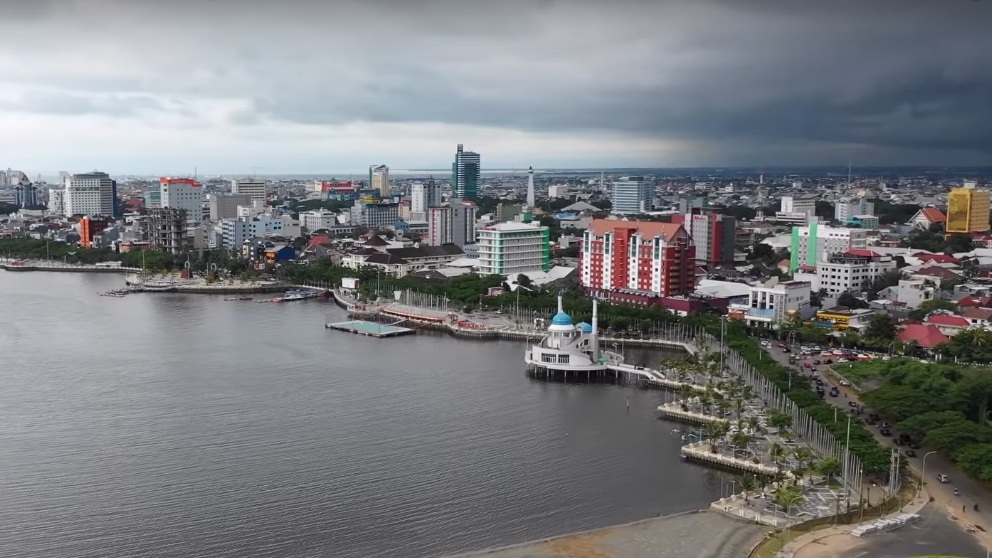
Makassar, Indonesia Hero Image
Wikipedia Contributor, CC BY-SA

Makassar, Indonesia

🌊 Coastal

Data updated Oct 8, 2026

Follows Indonesia Residency Rules. Check Digital Nomad & Retiree Pathways →

📊 Scores

81
FIRE
60
Retiree
64
Digital Nomad

Best fit: FIRE / Geoarbitrage (score: 79)

Makassar sits on the southwestern coast of Sulawesi, a port city of 1.3 million people built just 7 meters above sea level in the Asia/Makassar timezone. The climate is a tropical monsoon pattern, with heavy rain and high humidity shaping daily rhythms through the year. Among the small expat community, Panakkukang is the neighborhood most often chosen, a practical base with easy access to the city's commercial and dining life.

Rent is the headline number here. A one-bedroom apartment in the city center runs $196/mo, while the same outside the center drops to $151/mo. Three-bedroom units go for $391/mo centrally and $307/mo farther out. Utilities add $89/mo, internet $25/mo, and a mobile phone plan just $3/mo. A monthly public transport pass costs $4/mo and a gym membership $21/mo. Eating out is inexpensive: $2 for a meal at an inexpensive restaurant, $9 for a three-course mid-range meal for two, and $2 for a cappuccino. Single adults can live on a budget tier of $310/mo, a mid-range tier of $410/mo, or a comfortable tier of $479/mo, all rent included. Excluding rent, a single person spends around $450/mo and a family of four around $1,400/mo. Against that, the average monthly net salary locally is $214/mo, and the cost of living index sits at 36/100 against New York City at 100.

Safety is moderate, with a safety index of 60/100 and a crime index of 40/100, where lower is safer. Healthcare quality is rated good. Air quality is a concern, with an air quality index of 65, where lower is better. Internet averages 50 Mbps, enough for most remote work and streaming.

For longer stays, Indonesia offers the Retirement Visa (KITAS) and the Remote Worker Visa (E33G), both requiring a minimum monthly income of $2,000/mo. The nearest airport is UPG, 16 km away. English proficiency is limited and the expat community is small, so this city rewards those who arrive with patience and a willingness to adapt. Scores reflect that mix: an overall expat score of 79/100, a FIRE score of 81/100, a retiree score of 60/100, and a digital nomad score of 64/100. Makassar suits budget-focused savers, early retirees chasing a low cost of living, and remote workers who value low overhead over a large international social scene.
Estimate the cost of moving to Makassar, Indonesia

Get a free moving cost estimate for moving to Makassar, Indonesia. Takes 10 seconds.

How much are you shipping?

When are you moving?

Powered by Sirelo. Free quotes from international movers.

🏚️ Cost of Living

💰 Budgets and Costs

$434/mo, one person, rent included
Selected: mid-range lifestyle

Makassar on a mid-range budget comes to about $434 a month for one adult, with $151 of that going to rent. Beyond rent the estimate covers $93.00 on groceries, $17.00 on dining out, $52.00 on entertainment and lifestyle, $117 on utilities and connectivity and $4.00 on transport.

Rent

$151/mo

1BR outside the centre

Groceries

$93.00/mo

Staples basket scaled to a full month

Dining out

$17.00/mo

10 inexpensive meals

Entertainment & lifestyle

$52.00/mo

gym, 2 cinema trips, 12 cappuccinos

Utilities & connectivity

$117/mo

utilities, mobile, internet

Transport

$4.00/mo

Monthly pass

Budgets (excl. rent)

Single person$283/mo

Excludes rent. The total above is all-in, rent included.

Estimates for one adult, built from this city's average prices and the usage shown for each tier. Your spending will differ with how often you eat out and where you live.

A 1BR in the center runs about $195.58/mo. If your income is in another currency, bank FX fees add up. A multi-currency account can cut that cost.

See low-fee transfers

We may earn a commission at no cost to you.

See how Makassar's cost of living compares with Kediri

Be the first to report costs in Makassar

Share

🛡️ Safety & Crime

60
Safety Index

(Higher is safer)

40
Crime Index

(Lower is safer)

Makassar is moderately safe for expats, with a Safety Index of 60 suggesting reasonable security relative to Indonesian standards. Petty theft, pickpocketing, and motorcycle robbery are the primary concerns, particularly in crowded markets and at night. Avoid displaying valuables, use registered taxis or ride-sharing apps, and stay alert in the port district and outer neighborhoods. Violent crime against foreigners is uncommon. The city's large expat community and established infrastructure provide a stable environment. Exercise standard precautions rather than heightened vigilance—this is a viable option for remote workers and retirees comfortable with typical Southeast Asian urban conditions.

Makassar has a safety index of 60/100. Petty theft and lost belongings are the most common problems for newcomers. Compare travel insurance before you go.

Compare travel insurance

We may earn a commission at no cost to you.

🏥 Healthcare

Good
Public Hospitals
Yes
Private Clinics
Yes
English-Speaking Doctors
Limited

See how Makassar's healthcare compares with Kediri

🌤️ Climate

Summer Temp
32°C
Winter Temp
21°C
Humidity
82%
Air Quality Index
65
Annual Rainfall
1940 mm

Best Months

MayJunJulAug

Climate Notes

Tropical monsoon climate with heavy rain and high humidity.

💻 Digital Nomad

Avg Internet Speed
50 Mbps
Internet (monthly)
$25/mo
Coworking Availability
Moderate
Coworking Spaces Nearby
1
Digital Nomad Score
64/100

Community Notes

Makassar is a cultural hub bursting with traditional and modern elements.

Coworking Spaces

NameNotes
Ruang Kerja Bersama (RKB) MakassarA popular local coworking space in Makassar, RKB offers a relaxed and collaborative atmosphere. It's located in Panakkukang, a central area, making it convenient for accessing amenities and transportation. Good for those seeking a local vibe.
Kedai KolegaKedai Kolega is a coworking space that combines a cafe atmosphere with workspace facilities. Located in the Tamalate area, it's a good option for those who enjoy a casual and social working environment. Offers good coffee and food options.
Nakamura.idNakamura.id provides a modern and professional coworking environment. It's located in a strategic area of Makassar, offering easy access to various business and commercial establishments. Caters to a more professional crowd.

Names, locations and hours can change. Check each space's website before you visit. Places from © OpenStreetMap contributors and Foursquare Open Source Places (Apache 2.0).

Planning to live in Makassar long-term? Indonesia Remote Worker Visa (E33G) lets remote workers live legally with a minimum income of $2,000/month.

View full requirements →

Working remotely from Makassar? Nomad health insurance covers you across borders, month to month.

See nomad insurance

We may earn a commission at no cost to you.

See how Makassar's digital nomad life compares with Kediri

🧳 Expat Life

English Proficiency
Limited
Expat Community
Small
Top Neighborhoods
Panakkukang
Banks Nearby
196
ATMs Nearby
36

Expat Life Notes

The gateway to East Indonesia is a busy port city with very little international infrastructure.

Pros

  • ✓ Fantastic seafood
  • ✓ Gateway to Toraja
  • ✓ Friendly locals

Cons

  • ✗ High traffic and heat
  • ✗ Limited English
  • ✗ Minimal expat social scene

🏘️ Neighborhoods in Makassar

Areas of Makassar that expats often consider.

Conditions can change from one block to the next, and these descriptions are general guides, not safety assessments. Before choosing where to stay or live, check current travel advisories, talk to people who live there, and visit in person if you can.

Losari Beach Area

Vibrant waterfront, tourist-centric

Centered around the iconic Losari Beach promenade, this area is popular with tourists and locals alike. Expect higher prices and more crowds, but also easy access to restaurants, cafes, and entertainment. While walkable along the beach, transportation is needed to reach other parts of the city.

Panakkukang

Modern, commercial, convenient living

A modern district with shopping malls, restaurants, and apartments. It's a convenient place to live with good access to amenities, but can be busy and noisy. Many younger professionals and families reside here. Public transport is available, but traffic can be heavy.

Tanjung Bunga

Upscale, coastal, residential area

An upscale coastal area with newer housing developments and potentially quieter streets. It's further from the city center, offering a more relaxed environment. Expect higher rental costs. Car ownership is recommended due to limited public transportation.

Makassar City Center (around Fort Rotterdam)

Historic, cultural, central location

The heart of Makassar, close to historical sites like Fort Rotterdam and Somba Opu. Offers a mix of old and new, with traditional markets and modern shops. Can be crowded and noisy, but provides easy access to cultural attractions and local experiences.

Page 1 of 2

Could living/working in Makassar cut years off your work life?

With a 1-bedroom in the center at $196/mo, your FIRE number here might be much lower than you think.

Calculate My FIRE Date →

🛂 Visa Options for Indonesia

Many long-stay visas require proof of health insurance. Compare international health plans before you apply.

Compare health insurance

We may earn a commission at no cost to you.

🛂

Earning over $2,000/mo? You may qualify for a Indonesia visa.

Answer 11 questions and get a personalized match in under 2 minutes.

Find My Visa →

More Cities to Consider instead of Makassar

FAQ

Frequently Asked Questions about Makassar

Click any question to expand the answer.

Makassar has a population of approximately 1,338,663 people.
A single person can expect to spend around $489 per month in Makassar, including rent. A 1-bedroom apartment in the city center costs approximately $196/month.
The nearest airport to Makassar is UPG, approximately 15.8km away.
Makassar is considered relatively safe, with a safety index of 60.0. As with any city abroad, expats should research specific neighborhoods before committing to a location.
Makassar has an average internet speed of 50 Mbps. It is considered a well-established digital nomad destination.
No. English is limited to hotels, some university staff, and occasional business contexts. For daily life — markets, landlords, government offices, clinics — you'll need functional Bahasa Indonesia. Moving here without it will be genuinely frustrating.
Indonesia's Second Home Visa (5-10 year stay) and the newer Digital Nomad Visa are the main long-term options for foreigners. The KITAS work permit applies if you're employed. All require navigating Indonesian immigration bureaucracy, which is slow — budget extra time and consider using a local agent.
You can find decent apartments in Makassar for around $300-$600 USD per month, depending on the location and amenities. Areas like Panakkukang offer more modern apartments, while older neighborhoods might have cheaper options. Be prepared to negotiate the price, especially for longer leases.
Internet speeds in Makassar are generally reliable in urban areas, with fiber optic connections available in many neighborhoods. Expect speeds of 20-50 Mbps, sufficient for most remote work tasks. However, power outages can occasionally disrupt service, so a backup plan like a mobile hotspot is a good idea.
While not as abundant as in Bali or Jakarta, Makassar does have a growing number of coworking spaces. Check out options like Kolega Hub or local cafes with reliable Wi-Fi. Expect to pay around $50-$100 USD per month for a coworking membership.
Makassar has both public and private hospitals. Private hospitals like Siloam Hospitals Makassar generally offer better facilities and shorter wait times. While not all doctors speak fluent English, you can usually find some who do, especially in the larger private hospitals. It's always a good idea to have travel insurance that covers medical evacuation.
Panakkukang is a popular choice for expats due to its modern amenities, shopping malls, and international restaurants. Losari Beach area offers stunning ocean views but can be more touristy. For a more local experience, consider areas like Tanjung Bunga.
Makassar has a tropical climate, meaning it's hot and humid year-round. The rainy season typically runs from November to April, with the driest months being July to September. Expect average temperatures of around 80-90°F (27-32°C).
Public transportation in Makassar mainly consists of angkots (minibuses) and taxis. Angkots are cheap but can be crowded and confusing for newcomers. Ride-hailing apps like Gojek and Grab are widely available and offer a more convenient and affordable way to get around. Consider renting a scooter for more flexibility, but be aware of traffic conditions.
Like any large city, Makassar has areas with higher crime rates. It's best to avoid walking alone at night in poorly lit areas or less populated neighborhoods. Stick to well-traveled streets and be aware of your surroundings. Petty theft can occur, so keep your valuables secure.
Several options exist for international money transfers. Wise (formerly TransferWise) and Remitly are popular choices for their competitive exchange rates and low fees. You can also use traditional bank transfers, but these often come with higher fees. ATMs are widely available, but be mindful of withdrawal limits and fees.
A single retiree can live comfortably in Makassar on a budget of $1,200-$1,800 USD per month, covering rent, food, transportation, and entertainment. Couples might need around $2,000-$2,800 USD per month. This allows for a decent lifestyle, but costs can vary depending on your preferences.
The expat community in Makassar is smaller compared to cities like Jakarta or Bali, but it's growing. You can connect with other expats through online forums, social media groups, and language exchange events. It's a great way to get advice, make friends, and ease your transition.
Makassar is a predominantly Muslim city, so it's important to dress modestly, especially when visiting religious sites. Politeness and respect are highly valued. Learning a few basic Indonesian phrases will go a long way in building relationships with locals. Be prepared for a slower pace of life and a more relaxed attitude towards time.
Groceries are significantly cheaper in Makassar than in the US, especially if you buy local produce and ingredients from traditional markets. Imported goods will be more expensive. Expect to spend considerably less on your grocery bill compared to back home.
FIRE individuals need to carefully consider their visa options. The retirement visa is an option if you meet the age and financial requirements. Alternatively, exploring a social-cultural visa (Sosial Budaya) with frequent renewals or investigating investment-linked residency programs might be suitable. Consult with an Indonesian immigration lawyer for personalized advice.

Share This Guide