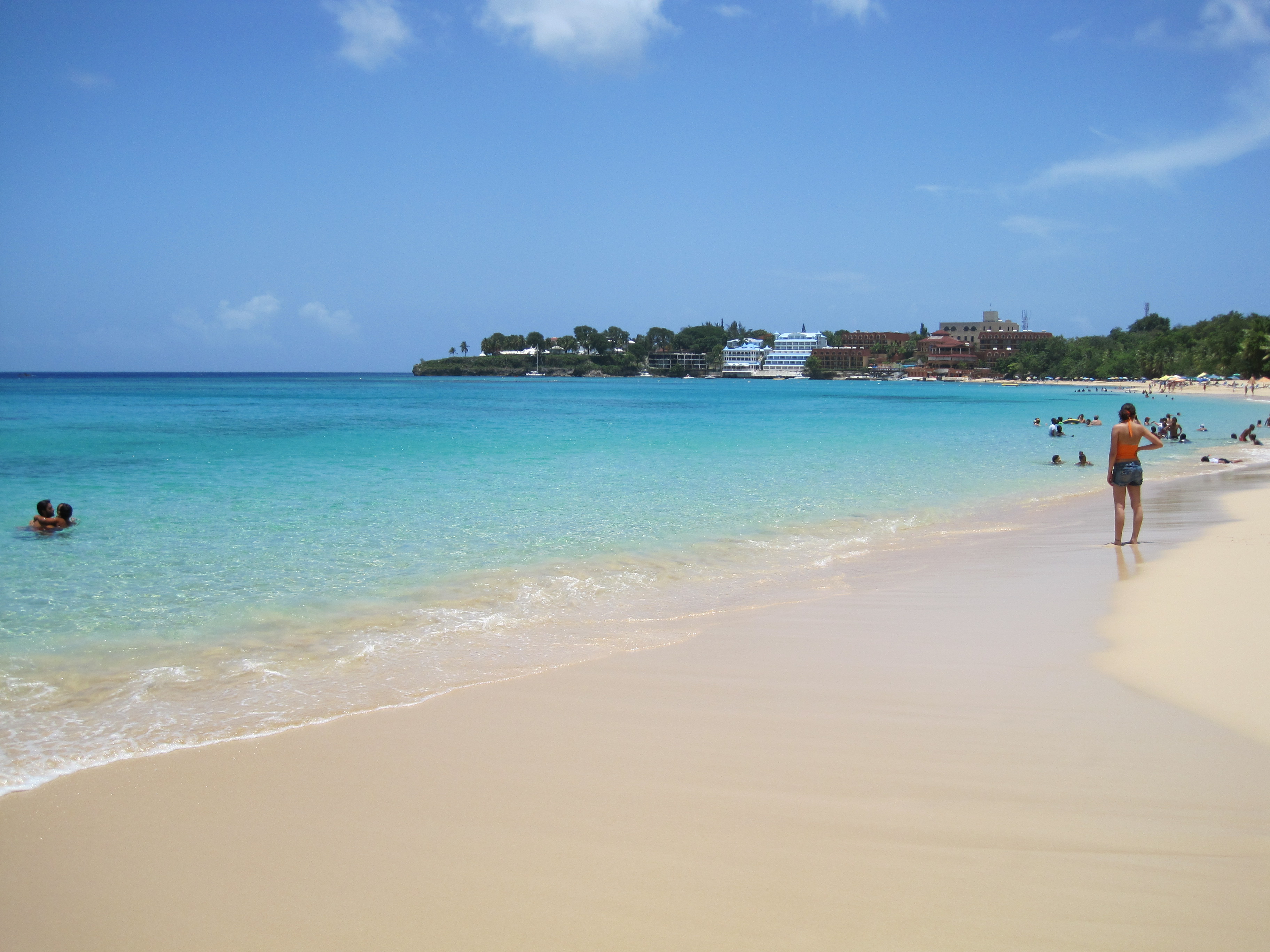
Sosua, a coastal town on the Dominican Republic's northern shore, sits at an elevation of just 3 meters above sea level and enjoys a tropical climate year-round. With a population of roughly 50,000, the town has become a magnet for expats, who tend to cluster in neighborhoods like Sosua Ocean Village and El Batey. The large and active expat community here gives the town a distinctly international feel, even as it retains its Dominican character.
Living costs in Sosua are modest by North American standards. A single person's monthly expenses excluding rent come to about $850, with utilities running $66, internet $33, and a mobile phone plan $28. Rents are reasonable: a one-bedroom in the city center averages $858 per month, while outside the center it drops to $779. For those needing more space, a three-bedroom in the center costs $1,716, and outside the center $1,514. A budget-tier single adult can get by on $732 a month including rent, while a mid-range lifestyle costs $1,155 and a comfortable one $1,372. Eating out is affordable too: an inexpensive restaurant meal is $10, a three-course meal for two at a mid-range restaurant runs $50, and a cappuccino costs just $2.
Safety is a mixed picture in Sosua. The safety index sits at 54 out of 100, while the crime index is 46 (lower is safer), indicating moderate concerns. Healthcare quality is rated as fair, and the air quality index is a reasonable 45 (lower is better). Expats should plan accordingly, especially if they have serious medical needs, though basic care is available locally.
For those looking to stay long-term, the Dominican Republic offers two clear visa pathways. The Rentista / Pensionado Visa requires a minimum monthly income of $1,500, while the Digital Nomad Visa demands $2,000 per month. Getting to Sosua is straightforward: the nearest airport is POP, just 5 kilometers away. With an overall expat score of 76 out of 100, a FIRE score of 78, a retiree score of 61, and a digital nomad score of 63, Sosua suits budget-conscious retirees, early retirees pursuing financial independence, and digital nomads who value a low cost of living and a ready-made community.