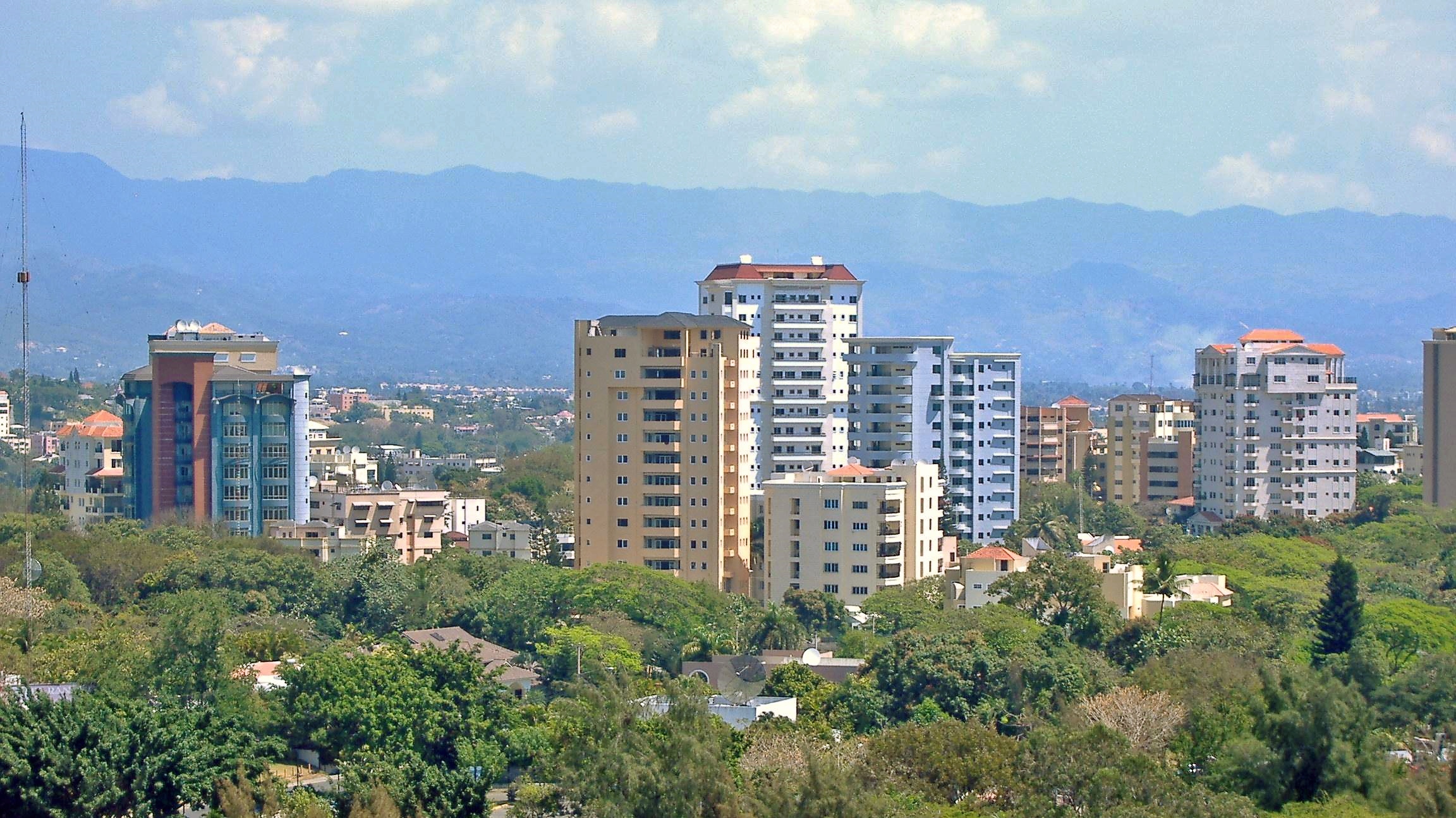
Santiago de los Caballeros sits 183 meters above sea level in the Dominican Republic's tropical climate, about 11 kilometers from its nearest airport (STI). With a population of 1.3 million, it offers a small expat community that tends to settle in the Los Jardines and La Trinitaria neighborhoods. The city's air quality index is 45, and average internet speed is 30 Mbps.
Living costs here are notably lower than in New York City, with a cost of living index of 45 out of 100. A single person's monthly expenses excluding rent come to $600, while a family of four spends about $1,800 per month without housing. Rent for a one-bedroom in the city center averages $450 per month, dropping to $300 outside the center; a three-bedroom in the center runs $900, or $600 outside it. Budget-tier total living costs for a single adult including rent are $1,000 per month, mid-range totals $1,800, and comfortable living runs $2,800 per month.
The safety index is 56 out of 100, with a crime index of 44 (lower is safer). Healthcare quality is rated as good, and English is common in tourist areas.
For those considering a longer stay, the Dominican Republic offers a Rentista / Pensionado Visa requiring a minimum monthly income of $1,500, and a Digital Nomad Visa with a $2,000 monthly income threshold. The city's overall expat score is 77 out of 100, with a FIRE score of 79, a retiree score of 67, and a digital nomad score of 63, making it a practical choice for budget-conscious expats, retirees, and remote workers.
Estimate the cost of moving to Santiago de los Caballeros, Dominican Republic
Get a free moving cost estimate for moving to Santiago de los Caballeros, Dominican Republic. Takes 10 seconds.
How much are you shipping?
When are you moving?
Powered by Sirelo. Free quotes from international movers.
🏚️ Cost of Living
A 1BR in the center runs about $450/mo. If your income is in another currency, bank FX fees add up. A multi-currency account can cut that cost.
Santiago offers moderate safety for expats willing to exercise street smarts. Petty theft, pickpocketing, and opportunistic robbery occur in crowded areas and at night; avoid displaying valuables and use registered taxis or ride-apps. Gang activity exists but typically doesn't target foreigners in residential expat zones like Cerros de Gurabo. Scams targeting expats include inflated prices and rental fraud—use established real estate agents. The city feels safer than Santo Domingo but requires vigilance. Suitable for expats comfortable in Latin American urban environments who stay aware of surroundings and follow local guidance.
Santiago de los Caballeros has a safety index of 56/100. Petty theft and lost belongings are the most common problems for newcomers. Compare travel insurance before you go.
See how Santiago de los Caballeros's healthcare compares with Bonao
🌤️ Climate
Climate Zones
Tropical
Summer Temp
33°C
Winter Temp
20°C
Humidity
72%
Air Quality Index
45
Best Months
Climate Notes
Tropical wet and dry climate; consistently warm with most rain in summer.
💻 Digital Nomad
Avg Internet Speed
30 Mbps
Coworking Availability
Moderate
Coworking Spaces Nearby
0
Digital Nomad Score
63/100
Community Notes
A bustling city ideal for those seeking a mix of urban and cultural living.
Planning to live in Santiago de los Caballeros long-term? Dominican Republic Digital Nomad Visa lets remote workers live legally with a minimum income of $2,000/month.
See how Santiago de los Caballeros's digital nomad life compares with Bonao
🧳 Expat Life
English Proficiency
Common in Tourist Areas
Expat Community
Small
Top Neighborhoods
Los Jardines, La Trinitaria
Banks Nearby
120
ATMs Nearby
11
Expat Life Notes
The DR's second-largest city is a commercial hub with a more business-like feel than the coastal tourist towns.
Pros
✓ Strong economic center
✓ Better safety than parts of Santo Domingo
✓ Good shopping and dining
Cons
✗ Not a tourist town (no beach)
✗ Limited English proficiency
✗ Traffic congestion
🏘️ Neighborhoods in Santiago de los Caballeros
Areas of Santiago de los Caballeros that expats often consider.
Conditions can change from one block to the next, and these descriptions are general guides, not safety assessments. Before choosing where to stay or live, check current travel advisories, talk to people who live there, and visit in person if you can.
Los Jardines Metropolitanos
Upscale, quiet, residential comfort
A well-planned residential area with modern homes and apartments. Popular with upper-middle-class Dominicans and some expats seeking a quieter, more secure environment. Good access to shopping and services, but less walkable than downtown.
Cerros de Gurabo
Hillside views, exclusive, tranquil
Located on the hills overlooking the city, this area offers stunning views and larger properties. It's a more exclusive area, primarily residential, and requires a car for most errands. Less expat-focused, so Spanish is essential.
El Centro (Downtown)
Historic, bustling, commercial heart
The city's historic and commercial center, offering a vibrant atmosphere. While walkable, it can be noisy and crowded. Some older buildings are being renovated, attracting younger residents and businesses. Growing expat presence, but still very Dominican.
La Trinitaria
Residential, family-friendly, convenient
A more traditional residential neighborhood with a mix of houses and apartments. It's a good option for those seeking a more authentic Dominican experience. Less geared towards expats, so Spanish proficiency is helpful. Good access to local markets and services.
Villa Olga
Quiet, residential, established community
A well-established residential area with a mix of houses and apartments. It's known for its quiet streets and family-friendly atmosphere. Some expats choose this area for its tranquility and proximity to amenities. More walkable than some other residential areas.
Reparto Peralta
Budget-friendly, local, residential
A more affordable residential area further from the city center. Offers a glimpse into everyday Dominican life. Requires more reliance on public transport or a car. Very few expats live here, so Spanish is a must.
Gurabo
Expanding, modern, suburban feel
A rapidly developing area with new construction and modern amenities. It's becoming increasingly popular with middle-class families and some expats. Requires a car for most errands, but offers a more suburban lifestyle. Growing expat community.
Page 1 of 2
Could living/working in Santiago de los Caballeros cut years off your work life?
With a 1-bedroom in the center at $450/mo, your FIRE number here might be much lower than you think.
Frequently Asked Questions about Santiago de los Caballeros
Click any question to expand the answer.
Santiago de los Caballeros has a population of approximately 1,343,423 people.
A single person can expect to spend around $1,125 per month in Santiago de los Caballeros, including rent. A 1-bedroom apartment in the city center costs approximately $450/month.
The nearest airport to Santiago de los Caballeros is STI, approximately 10.5km away.
Santiago de los Caballeros is considered moderate in terms of safety, with a safety index of 56.0. As with any city abroad, expats should research specific neighborhoods before committing to a location.
Yes, practically speaking. Unlike tourist-heavy cities in the DR, Santiago has minimal English infrastructure. Dealing with landlords, clinics, government offices, and daily commerce all require functional Spanish. If you're not already conversational, budget serious time for language learning before or immediately after arriving.
It's a slow, document-heavy process regardless of where you apply in the DR. Expect to gather apostilled birth certificates, background checks, medical exams, and financial proof — then wait months for processing. Many expats use a local immigration lawyer ($500–$1,000) to avoid costly mistakes. The process has improved but is still not straightforward.
Santiago offers a significantly lower cost of living than most US cities. Expect to pay around $600-$1200 USD per month for rent, depending on the neighborhood (Los Cerros is pricier than Gurabo), plus another $400-$800 for groceries, utilities, and entertainment. Dining out is very affordable, with meals costing $5-$15 USD.
While Santiago is generally safe, some areas have higher crime rates. Exercise caution in more impoverished neighborhoods, especially at night, and avoid walking alone late at night in areas like Cienfuegos or near the market areas after dark. Stick to well-lit and populated streets.
Internet connectivity in Santiago is generally good, with fiber optic options available in many areas. You can expect speeds of 50-100 Mbps, sufficient for most remote work tasks. Check with your landlord or internet provider about specific speeds in your chosen neighborhood.
The most common visa for retirees is the Pensionado visa, requiring proof of a monthly pension income of at least $2,000 USD. Another option is the Rentista visa, which requires proof of a monthly income of $2,000 USD from investments or other sources. Both allow residency after approval.
Santiago has several modern hospitals and clinics, some with English-speaking staff. Private healthcare is recommended for expats, offering better facilities and shorter wait times. Health insurance is relatively affordable, costing around $50-$150 USD per month.
While you can manage with English in tourist areas and some businesses, knowing Spanish will greatly enhance your experience. Many locals, especially outside the city center, have limited English proficiency. Learning basic Spanish phrases is highly recommended for daily life.
You can open a bank account in Santiago with proper documentation (passport, residency card). Popular banks include Banco Popular and Banco BHD León. International money transfers can be done through services like Wise or Xoom, often offering better exchange rates than traditional banks. ATMs are widely available, but check for fees.
Santiago has a tropical climate with warm temperatures year-round. The dry season is from December to April, with the rainy season from May to November. Expect average temperatures in the 80s (Fahrenheit) during the day and slightly cooler at night. Humidity can be high, especially during the rainy season.
The expat community in Santiago is smaller than in Santo Domingo or coastal areas, but it's growing. You can connect with other expats through online forums, social media groups, and local events. This can be a great way to get advice and make friends.
Santiago is an excellent choice for FIRE due to its lower cost of living compared to coastal tourist hubs. Your passive income will stretch further, allowing for a comfortable lifestyle. The investment climate is still developing, so research carefully before making any major investments.
As a US citizen, you're still required to file US taxes even when living abroad. The Foreign Earned Income Exclusion (FEIE) can help you exclude a certain amount of your foreign-earned income from US taxes. You may also need to report foreign bank accounts if they exceed a certain threshold (FBAR).
Getting around Santiago without a car is possible but can be challenging. Public transportation includes buses (guaguas) and shared taxis (carros públicos), which are inexpensive but can be crowded. Ride-sharing apps like Uber are also available and offer a more convenient option. Consider location carefully if you don't plan to drive.
Santiago offers a more relaxed pace of life compared to major US cities. While it's a bustling city, things generally move at a slower speed. This can be a welcome change for retirees looking for a less stressful environment, but patience is key when dealing with bureaucracy or service providers.
Yes, retiring early in Santiago on $2500 USD per month is definitely feasible, especially if you're flexible with your housing and lifestyle choices. You can live comfortably in a decent apartment, eat well, and enjoy local activities. However, unexpected expenses can arise, so having a small buffer is always recommended.
Santiago de los Caballeros won't stay this cheap forever.
Cost-of-living and visa updates for Santiago de los Caballeros and the rest of Dominican Republic. Free with RA Postcards.
By submitting your email address, you will receive a free subscription to RA Postcards and special offers from Rewire Abroad and our affiliates. You can unsubscribe at any time, and we encourage you to read more about our Privacy Policy.