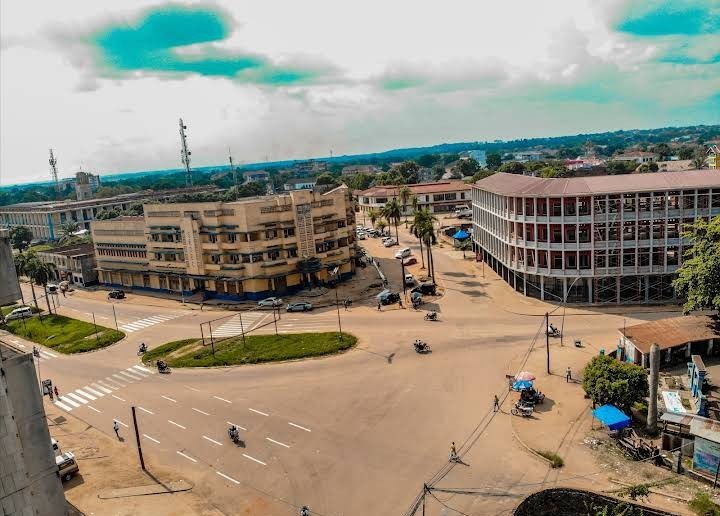
Kisangani, Democratic Republic of the Congo
📊 Scores
Best fit: FIRE / Geoarbitrage (score: 47)
Kisangani sits at an elevation of 409 meters above sea level in the heart of the Democratic Republic of the Congo, straddling the Congo River. The city experiences a tropical rainforest climate with heavy rain distributed throughout the year, keeping the landscape lush and green year-round. Expats typically settle in the neighborhoods of Center-Ville, Makiso, and Tshopo, though the overall expat community is very small. English proficiency is limited, so basic French or Lingala is helpful for daily life.
Living costs in Kisangani are low by global standards, with a cost of living index of 32 out of 100 (New York City = 100). A single adult can live on a budget of $820 per month including rent, while a mid-range lifestyle runs about $1,200 per month and a comfortable tier reaches $1,800 per month. Excluding rent, a single person spends roughly $400 per month and a family of four spends about $1,200 per month. Rent for a one-bedroom apartment in the city center averages $350 per month, dropping to $220 outside the center; a three-bedroom in the center runs $750 per month, or $480 outside the center.
Safety is a significant concern in Kisangani, reflected in a safety index of 40 out of 100 and a crime index of 60 out of 100 (lower is safer). Healthcare quality is rated as poor, so expats should plan for medical evacuation or comprehensive international health insurance. The air quality index is 30 (lower is better), which is moderate and generally acceptable for most people.
Visas are required for entry, and travelers should research current requirements well in advance. The nearest airport is FKI, located just 5 kilometers from the city center, making arrival straightforward. Kisangani suits adventurous expats and digital nomads who are comfortable with limited infrastructure and a very small expat community; the digital nomad score is 42 out of 100, and the overall expat score is 47 out of 100. It is less suited for retirees (score 40 out of 100) but offers a strong FIRE score of 72 out of 100 due to the low cost of living.
Estimate the cost of moving to Kisangani, Democratic Republic of the Congo
Get a free moving cost estimate for moving to Kisangani, Democratic Republic of the Congo. Takes 10 seconds.
How much are you shipping?
When are you moving?
Powered by Sirelo. Free quotes from international movers.
🏚️ Cost of Living
A 1BR in the center runs about $350/mo. If your income is in another currency, bank FX fees add up. A multi-currency account can cut that cost.
See low-fee transfersWe may earn a commission at no cost to you.
See how Kisangani's cost of living compares with Lubumbashi
Be the first to report costs in Kisangani
🛡️ Safety & Crime
(Higher is safer)
(Lower is safer)
Kisangani presents significant safety challenges for expats. A Safety Index of 40 reflects real concerns: armed robbery, carjacking, and home invasions occur regularly, particularly after dark. Gang activity and petty theft are common in crowded markets and public transport. The city experiences periodic civil unrest and military presence due to regional instability. Expats should avoid walking alone at night, use trusted drivers, and maintain low profiles. Healthcare and infrastructure gaps compound risks during emergencies. This is not a practical choice for most remote workers or retirees seeking stability and comfort.
Kisangani has a safety index of 40/100. Petty theft and lost belongings are the most common problems for newcomers. Compare travel insurance before you go.
Compare travel insuranceWe may earn a commission at no cost to you.
🏥 Healthcare
See how Kisangani's healthcare compares with Lubumbashi
🌤️ Climate
Best Months
Climate Notes
Tropical rainforest climate with heavy rain distributed throughout the year.
💻 Digital Nomad
Community Notes
Kisangani has limited infrastructure for digital nomads and presents various challenges.
Coworking Spaces
| Name | Notes |
|---|---|
| Kisangani Business Center | Part of the Regus network, this business center likely offers coworking spaces and private offices. Located in a central area of Kisangani, it provides a professional environment with basic amenities suitable for remote work. |
| Centre d'Affaires de la Tshopo | A local business center that may offer coworking options. It is located in the Tshopo province and could provide a more affordable and community-oriented workspace for digital nomads. |
Names, locations and hours can change. Check each space's website before you visit. Places from © OpenStreetMap contributors and Foursquare Open Source Places (Apache 2.0).
Working remotely from Kisangani? Nomad health insurance covers you across borders, month to month.
See nomad insuranceWe may earn a commission at no cost to you.
See how Kisangani's digital nomad life compares with Lubumbashi
🧳 Expat Life
Expat Life Notes
Kisangani is the third-largest city in the DRC, located at the bend of the Congo River in Tshopo Province. It is a historic trading and missionary city. A small number of aid workers, missionaries, and UN personnel represent the foreign community. French is the working language. The city has struggled with repeated armed conflicts and has very basic infrastructure. Access is primarily by air or river.
Pros
- ✓ Historic Congo River city
- ✓ Active NGO and UN presence
- ✓ Low cost of living
- ✓ Culturally significant rainforest location
Cons
- ✗ History of armed conflict and instability
- ✗ No English spoken
- ✗ Poor infrastructure
- ✗ Limited healthcare
- ✗ Air or river access only
🏘️ Neighborhoods in Kisangani
Conditions can change from one block to the next, and these descriptions are general guides, not safety assessments. Before choosing where to stay or live, check current travel advisories, talk to people who live there, and visit in person if you can.
Neighborhood guides for this city are being reviewed. In the meantime, see the safety section and check current travel advisories before choosing where to stay.
Could living/working in Kisangani cut years off your work life?
With a 1-bedroom in the center at $350/mo, your FIRE number here might be much lower than you think.
More Cities to Consider instead of Kisangani
Frequently Asked Questions about Kisangani
Click any question to expand the answer.
Share This Guide
Kisangani won't stay this cheap forever.
Cost-of-living and visa updates for Kisangani and the rest of Democratic Republic of the Congo. Free with RA Postcards.
By submitting your email address, you will receive a free subscription to RA Postcards and special offers from Rewire Abroad and our affiliates. You can unsubscribe at any time, and we encourage you to read more about our Privacy Policy.