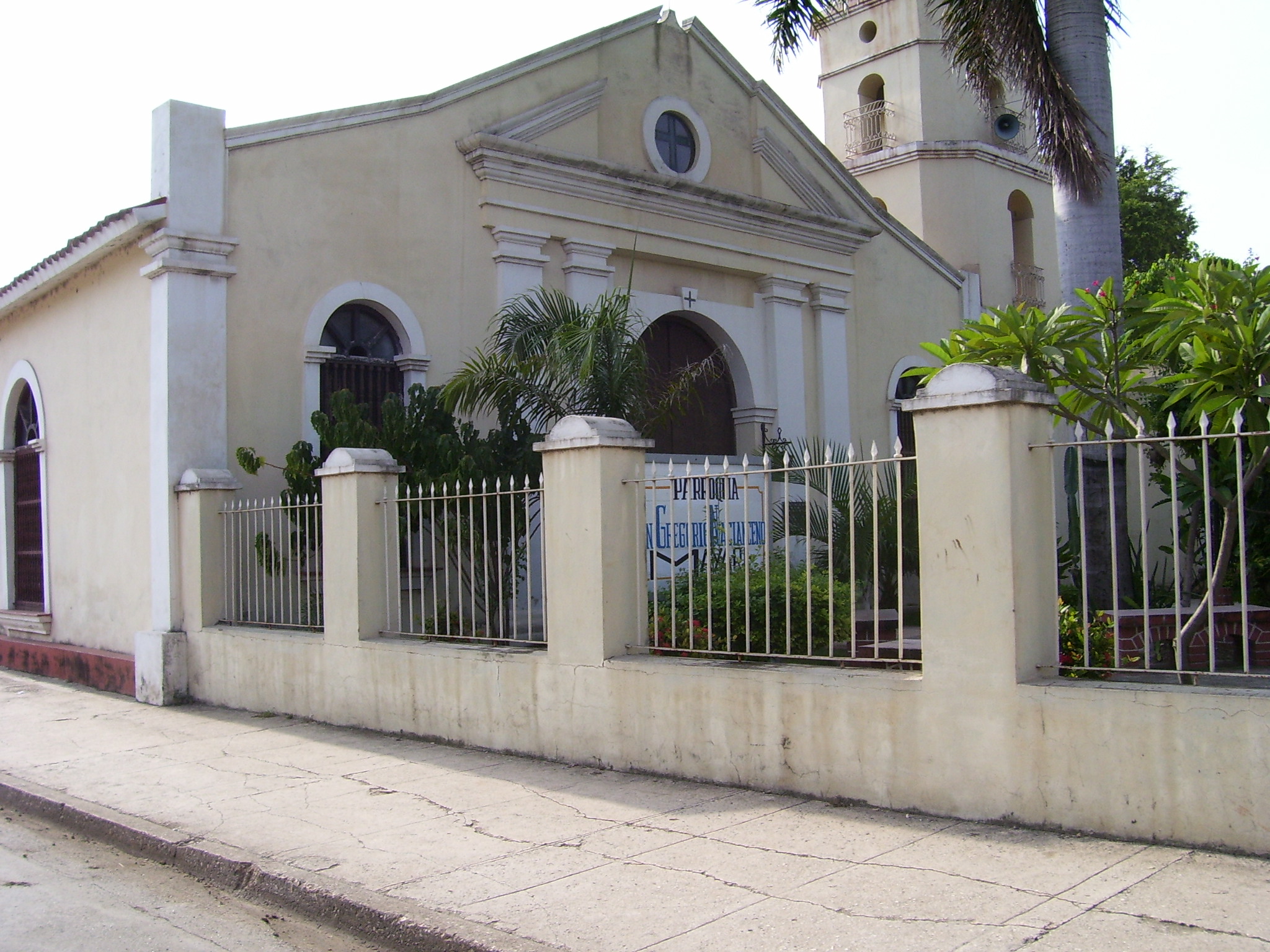
Mayari sits in eastern Cuba, a small city of 102 thousand people at just 35 meters above sea level, wrapped in a tropical climate that keeps the thermometer steady and the humidity high year round. The time zone is America/Havana, and the nearest airport is HOG, only 9 km away, which makes arrivals and departures unusually quick for a Cuban destination. Expats who settle here tend to cluster in two areas: Mayari Town Center, where the streets are walkable and daily errands happen on foot, and Barrio Obrero, a more residential quarter with a slower rhythm. The expat community is very few in number, so newcomers should expect to be a novelty rather than one of a crowd.
The cost of living here splits into two very different stories. A 1-bedroom apartment in the city center rents for $211/mo, while the same size outside the center jumps to $673/mo, and a 3-bedroom in the center goes for $383/mo against $1,765/mo outside it. Monthly utilities run $35/mo, internet is $250/mo, a mobile phone plan is $40/mo, and a monthly public transport pass costs $20/mo. A gym membership is $40/mo, an inexpensive restaurant meal is $6 per person, a mid-range three-course meal for two is $20, and a cappuccino is $1. Excluding rent, a single person spends about $280/mo and a family of four about $850/mo. Budget, mid-range, and comfortable tiers for a single adult, rent included, come to $918/mo, $1,285/mo, and $883/mo respectively. Against all this, the average monthly net salary locally is just $22/mo, a gap that explains why most expats here live on outside income. The cost of living index is 22/100 against New York City, and average internet speed is 12 Mbps.
Safety is a mixed picture. The safety index is 50/100 and the crime index, where lower is safer, is also 50/100, so the city lands squarely in the middle rather than at either extreme. Air quality is decent, with an index of 45. Healthcare quality is poor, which is the single most important practical consideration for anyone planning a long stay, and English proficiency is limited, so basic Spanish makes daily life much easier. The overall expat score is 78/100, but the retiree score is 49/100 and the digital nomad score is 48/100, reflecting the trade-offs between low costs and thin infrastructure.
Cuba operates a D-visa for digital nomads and remote workers, which is the relevant route for anyone earning abroad. With HOG just 9 km from the center, getting in and out is straightforward by Cuban standards. The FIRE score of 80/100 is the standout number, driven by rents like $211/mo for a city-center one-bedroom and a $918/mo budget tier that includes rent. This city suits frugal long-stayers, early retirees chasing extremely low fixed costs, and remote workers who can tolerate 12 Mbps internet and limited English. It does not suit anyone who needs strong healthcare, a large expat social scene, or a local salary to fund their life.