Artemisa Centro
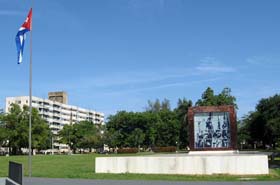
Bustling, historic, commercial heart
The city center is lively, with shops, markets, and government buildings. It's walkable but can be noisy. Limited English spoken; Spanish is essential.
Data updated Oct 8, 2026
Best fit: FIRE / Geoarbitrage (score: 77)
Artemisa sits in western Cuba at just 31 m above sea level, wrapped in a tropical climate that shapes daily life around warm, humid days and a distinct wet season. The city is home to roughly 59 thousand residents, and its compact scale means most errands, markets, and social spots sit within easy reach. For newcomers, the expat footprint is small and concentrated: Centro is the popular expat neighborhood, drawing those who want to be near the core of local activity. The timezone is America/Havana, so schedules align with the rest of the island rather than with U.S. Eastern Time. Internet runs at an average of 15 Mbps, a speed that supports messaging, email, and light browsing but rewards patience for heavier tasks.
Housing costs are the clearest anchor for budgeting here. A 1-bedroom apartment in the city center rents for $290/mo, while the same size outside the center drops to $220/mo. Three-bedroom units run $555/mo in the center and $420/mo outside it, giving families and sharers a meaningful spread between central and peripheral options. Beyond rent, a single adult spends about $430/mo, and a family of four spends about $1,120/mo. Everyday food is inexpensive: an inexpensive restaurant meal costs $10 per person, a mid-range three-course meal for two is $25, and a cappuccino is $1. Overall, the cost of living index registers 30/100 against New York City as 100, which places Artemisa among the more affordable places to live. Budget-conscious singles can plan around $750/mo including rent, mid-range spenders around $1,100/mo, and those wanting more comfort around $1,600/mo.
Safety is a relative strength. The safety index stands at 62/100, and the crime index, where lower is safer, is 38/100. Air quality is moderate, with an index of 45, where lower is better. Healthcare quality is rated poor, so residents typically manage routine needs locally while looking toward larger Cuban cities for more complex care. English proficiency is limited, which means everyday interactions go more smoothly with basic Spanish. The expat community size is none, so there is no established network of foreign residents to plug into on arrival; social life tends to form through neighbors, workplaces, and local routines rather than through an expat scene.
Cuba operates a D-visa for digital nomads and remote workers, which is the relevant pathway for those who qualify. Travelers arrive through HAV, the nearest airport, just 7 km from the city, making the final leg short and straightforward. Artemisa scores 77/100 overall for expats, with a FIRE score of 79/100, a retiree score of 50/100, and a digital nomad score of 48/100. Those numbers point to a place that suits budget-focused savers and early-retirement planners who value low costs and a quiet setting, while remote workers should weigh the 15 Mbps average speed and the absence of an expat community. Retirees may find the calm pace appealing but should factor in poor healthcare quality and limited English. It is best for self-directed, Spanish-capable residents who want an affordable base close to Havana without living in the capital itself.
Get a free moving cost estimate for moving to Artemisa, Cuba. Takes 10 seconds.
How much are you shipping?
When are you moving?
Powered by Sirelo. Free quotes from international movers.
A 1BR in the center runs about $290/mo. If your income is in another currency, bank FX fees add up. A multi-currency account can cut that cost.
See low-fee transfersWe may earn a commission at no cost to you.
See how Artemisa's cost of living compares with Cienfuegos
(Higher is safer)
(Lower is safer)
Artemisa is a relatively safe provincial Cuban city with low violent crime rates typical of rural Cuba. Petty theft and opportunistic crime against foreigners occur but are not widespread. Main concerns include limited police presence outside central areas, occasional scams targeting tourists unfamiliar with local currency practices, and the general constraint of Cuba's political system affecting freedom of movement. For Americans accustomed to major U.S. cities, Artemisa feels notably safer, though the remote location, limited expat infrastructure, and economic constraints mean fewer support systems than larger Cuban cities. Realistic for those seeking quiet, affordable living with acceptance of Cuban bureaucracy.
Artemisa has a safety index of 62/100. Petty theft and lost belongings are the most common problems for newcomers. Compare travel insurance before you go.
Compare travel insuranceWe may earn a commission at no cost to you.
See how Artemisa's healthcare compares with Cienfuegos
Artemisa has a tropical climate with hot, humid summers (May–October) and mild, drier winters (November–April), with hurricane season peaking August–October.
Rural and rustic with rich Cuban traditions.
| Name | Notes |
|---|---|
| Espacio de Trabajo Colaborativo Artemisa | A collaborative workspace in the heart of Artemisa, offering a basic but functional environment for remote work. It's a local initiative, providing a community feel and affordable rates, ideal for budget-conscious digital nomads looking to connect with locals. |
| Oficina de Correos Artemisa (Coworking Area) | While primarily a post office, some Cuban postal offices are starting to offer small coworking areas. Expect basic amenities, but a very central location and a unique cultural experience. Check availability and pricing locally. |
Names, locations and hours can change. Check each space's website before you visit. Places from © OpenStreetMap contributors and Foursquare Open Source Places (Apache 2.0).
Working remotely from Artemisa? Nomad health insurance covers you across borders, month to month.
See nomad insuranceWe may earn a commission at no cost to you.
See how Artemisa's digital nomad life compares with Cienfuegos
Provincial capital west of Havana. Minimal infrastructure for foreigners outside the highway corridor.
Areas of Artemisa that expats often consider.
Conditions can change from one block to the next, and these descriptions are general guides, not safety assessments. Before choosing where to stay or live, check current travel advisories, talk to people who live there, and visit in person if you can.
Bustling, historic, commercial heart
The city center is lively, with shops, markets, and government buildings. It's walkable but can be noisy. Limited English spoken; Spanish is essential.
Residential, quiet, family-oriented
A more modern residential area on the outskirts of the city. It's quieter than the center, but less walkable and requires reliance on public transport or taxis. Few expats reside here.
Central, green space access
Living near Parque Independencia offers easy access to green space and a central location. Calle 51 is a main thoroughfare with shops and restaurants. Expect some noise and limited English.
Traditional, local, budget-friendly
A more traditional and working-class neighborhood. Housing is generally older and more affordable. It offers an authentic Cuban experience but requires a good grasp of Spanish.
With a 1-bedroom in the center at $290/mo, your FIRE number here might be much lower than you think.
Click any question to expand the answer.
Cost-of-living and visa updates for Artemisa and the rest of Cuba. Free with RA Postcards.
By submitting your email address, you will receive a free subscription to RA Postcards and special offers from Rewire Abroad and our affiliates. You can unsubscribe at any time, and we encourage you to read more about our Privacy Policy.