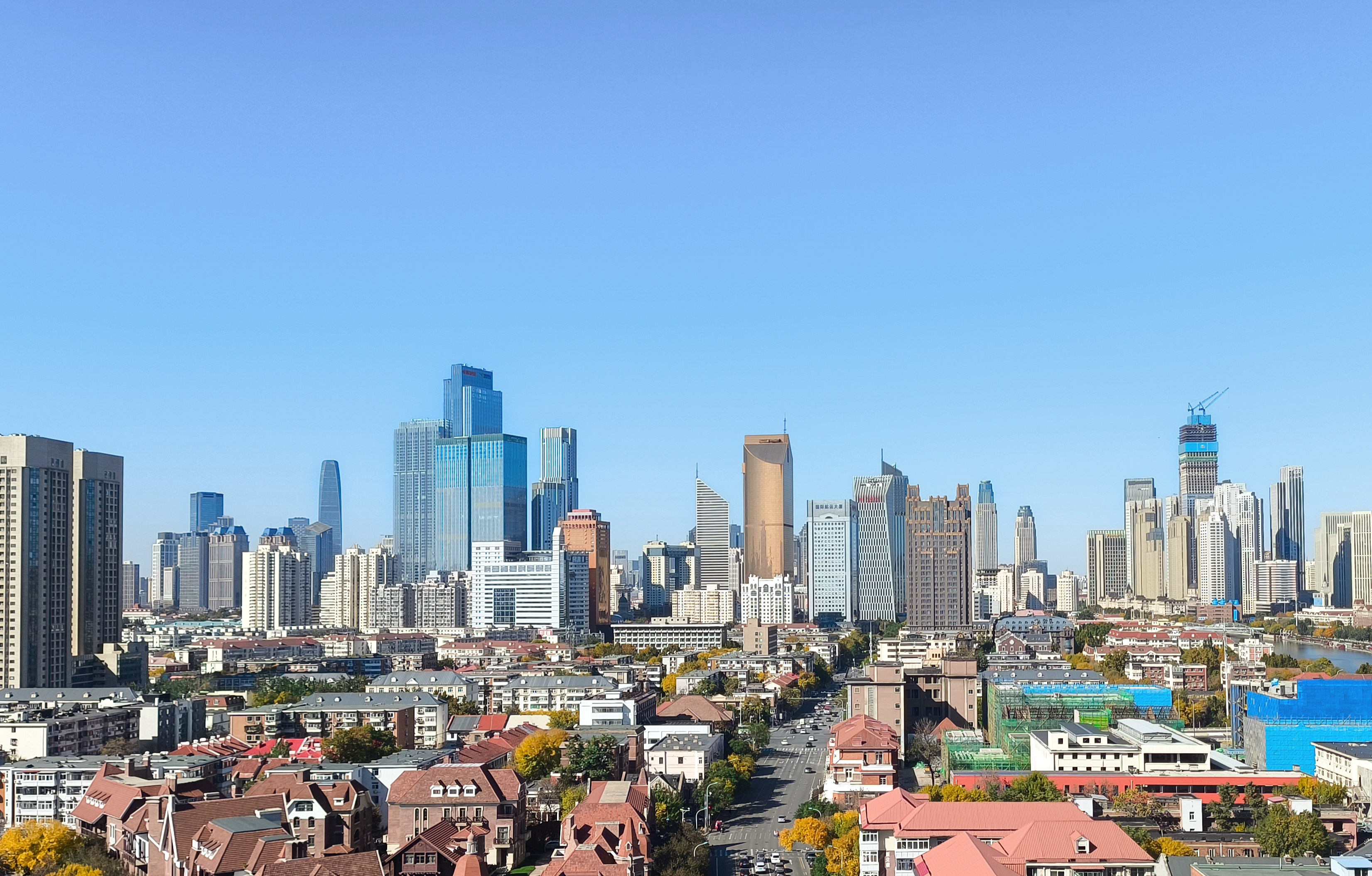
Tianjin, China Hero Image
Wikipedia Contributor, CC BY-SA

Tianjin, China

🌊 Coastal

Data updated Oct 8, 2026

Follows China Residency Rules. Check Digital Nomad & Retiree Pathways →

📊 Scores

90
FIRE
71
Retiree
82
Digital Nomad

Best fit: FIRE / Geoarbitrage (score: 88)

Tianjin sits just 5 m above sea level in an arid climate, a port city of 11 million people in the Asia/Shanghai timezone. Expats tend to settle in Binhai, Teda, and Heping District, where a large and active expat community has taken root. The city's overall expat score of 88/100 reflects how well it works for newcomers, and the nearest airport is TSN, only 13 km away.

Housing costs are modest by global standards. A 1-bedroom apartment in the city centre rents for $331/mo, while outside the centre it drops to $251/mo. A 3-bedroom in the centre runs $645/mo, and outside the centre $458/mo. Utilities average $94/mo, internet $7/mo, and a mobile phone plan $6/mo. A monthly public transport pass costs $9/mo and a gym membership $17/mo. An inexpensive restaurant meal is $4 per person, a mid-range three-course meal for two is $24, and a cappuccino is $4. Excluding rent, a single person spends about $518/mo and a family of four about $1,868/mo. Budget, mid-range, and comfortable tiers for a single adult including rent come to $385/mo, $547/mo, and $689/mo respectively. The average monthly net salary locally is $1,168/mo.

Safety is a strong point, with a safety index of 75/100 and a crime index of 25/100, where lower is safer. Healthcare quality is rated Good. Air quality, however, is a challenge: the air quality index is 85, where lower is better.

Visa routes exist for foreign residents, and arrival is straightforward via TSN. English proficiency is limited, so daily life rewards some patience and preparation. With a digital nomad score of 82/100, a FIRE score of 90/100, and a retiree score of 71/100, Tianjin suits remote workers, early retirees, and long-stay expats who want low costs, reliable safety, and a settled community without the crowds of larger Chinese hubs.
Estimate the cost of moving to Tianjin, China

Get a free moving cost estimate for moving to Tianjin, China. Takes 10 seconds.

How much are you shipping?

When are you moving?

Powered by Sirelo. Free quotes from international movers.

🏚️ Cost of Living

💰 Budgets and Costs

$608/mo, one person, rent included
Selected: mid-range lifestyle

Tianjin on a mid-range budget comes to about $608 a month for one adult, with $251 of that going to rent. Beyond rent the estimate covers $118 on groceries, $42.00 on dining out, $80.00 on entertainment and lifestyle, $108 on utilities and connectivity and $9.00 on transport.

Rent

$251/mo

1BR outside the centre

Groceries

$118/mo

Staples basket scaled to a full month

Dining out

$42.00/mo

10 inexpensive meals

Entertainment & lifestyle

$80.00/mo

gym, 2 cinema trips, 12 cappuccinos

Utilities & connectivity

$108/mo

utilities, mobile, internet

Transport

$9.00/mo

Monthly pass

Budgets (excl. rent)

Single person$357/mo

Excludes rent. The total above is all-in, rent included.

Estimates for one adult, built from this city's average prices and the usage shown for each tier. Your spending will differ with how often you eat out and where you live.

A 1BR in the center runs about $331.41/mo. If your income is in another currency, bank FX fees add up. A multi-currency account can cut that cost.

See low-fee transfers

We may earn a commission at no cost to you.

See how Tianjin's cost of living compares with Shaowu

Be the first to report costs in Tianjin

Share

🛡️ Safety & Crime

75
Safety Index

(Higher is safer)

25
Crime Index

(Lower is safer)

Tianjin is genuinely safe for expats, with low violent crime and strong police presence typical of major Chinese cities. Petty theft and pickpocketing occur in crowded areas and public transport, particularly targeting foreigners; keep valuables secure and avoid displaying expensive items. Scams targeting expats include overly friendly strangers offering tea or services, fake taxis, and online rental fraud—use official apps and verified platforms. Avoid discussing politics or sensitive topics; authorities monitor foreign activity. The main practical concerns are air quality (check AQI regularly) and navigating bureaucracy rather than personal safety. For Americans accustomed to major U.S. cities, Tianjin presents fewer street-level safety risks, though cultural adjustment and surveillance awareness matter.

🏥 Healthcare

Good
Public Hospitals
Yes
Private Clinics
Yes
English-Speaking Doctors
Available

See how Tianjin's healthcare compares with Shaowu

🌤️ Climate

Climate Zones
Arid
Summer Temp
41°C
Winter Temp
-15°C
Humidity
57%
Air Quality Index
85
Annual Rainfall
619 mm

Best Months

AprMaySepOct

Climate Notes

Tianjin has a semi-arid continental climate with hot, dusty summers (40°C+), cold dry winters (-15°C), and brief spring/fall transitions; expats should expect significant air quality challenges and prepare for extreme seasonal temperature swings.

💻 Digital Nomad

Avg Internet Speed
180 Mbps
Internet (monthly)
$7/mo
Coworking Availability
Moderate
Coworking Spaces Nearby
0
Digital Nomad Score
82/100

Community Notes

A coastal city with a rich blend of tradition and modernity.

Coworking Spaces

NameNotes
WeWork Avic International PlazaLocated in the Heping District, this WeWork offers a reliable, international-standard coworking experience with modern amenities and a professional atmosphere. Its central location makes it convenient for accessing transportation and other services.
Regus Tianjin CenterSituated in the central business district, Regus Tianjin Center provides a straightforward and functional workspace. It's a good option for those seeking a no-frills, professional environment with flexible terms.
Base Co-working Space (滨海店)Located in the Binhai New Area, this coworking space offers a more local experience with a focus on supporting startups and entrepreneurs. It provides a good opportunity to connect with the local business community.
Ucommune (Tianjin)Ucommune has locations throughout China, and likely has one in Tianjin. It is a popular choice for startups and freelancers, offering a vibrant community and various events. Check their website for the exact Tianjin address.

Names, locations and hours can change. Check each space's website before you visit. Places from © OpenStreetMap contributors and Foursquare Open Source Places (Apache 2.0).

Working remotely from Tianjin? Nomad health insurance covers you across borders, month to month.

See nomad insurance

We may earn a commission at no cost to you.

See how Tianjin's digital nomad life compares with Shaowu

🧳 Expat Life

English Proficiency
Limited
Expat Community
Large & Active
Top Neighborhoods
Binhai, Teda, Heping District
Banks Nearby
128
ATMs Nearby
5

Expat Life Notes

A major port city and economic center near Beijing. It has a well-established international community, particularly in the Teda area.

Pros

  • ✓ Modern infrastructure
  • ✓ Close to Beijing
  • ✓ Excellent international schools

Cons

  • ✗ High pollution levels
  • ✗ Harsh winters
  • ✗ Commuting can be difficult

🏘️ Neighborhoods in Tianjin

Areas of Tianjin that expats often consider.

Conditions can change from one block to the next, and these descriptions are general guides, not safety assessments. Before choosing where to stay or live, check current travel advisories, talk to people who live there, and visit in person if you can.

Heping District

Central, historic, convenient, upscale

Heping is the heart of Tianjin, known for its European architecture and central location. Many expats choose to live here due to its proximity to amenities, shopping, and international schools. It's walkable and well-connected by public transport, but can be pricier than other areas.

Nankai District

Educational, residential, local vibe

Home to Nankai University, this district has a large student population and a more local feel. It's a good option for those seeking a less touristy experience and lower rent. While less overtly expat-focused than Heping, it still offers good amenities and transport links.

Binhai New Area (TEDA)

Modern, business-focused, international community

TEDA (Tianjin Economic-Technological Development Area) is a modern, planned area with many international companies and a large expat community. It's well-organized and has good infrastructure, but can feel a bit sterile and removed from the city center. Ideal for those working in the area.

Hexi District

Residential, modern, family-friendly

Hexi is a large residential district with a mix of older and newer apartment complexes. It's popular with families and offers a good balance of convenience and affordability. While not as central as Heping, it's well-connected and has plenty of shops and restaurants.

Page 1 of 2

Could living/working in Tianjin cut years off your work life?

With a 1-bedroom in the center at $331/mo, your FIRE number here might be much lower than you think.

Calculate My FIRE Date →

🛂 Visa Options for China

Many long-stay visas require proof of health insurance. Compare international health plans before you apply.

Compare health insurance

We may earn a commission at no cost to you.

🛂

Not sure which China visa you qualify for?

Answer 11 questions and get a personalized match in under 2 minutes.

Find My Visa →

More Cities to Consider instead of Tianjin

FAQ

Frequently Asked Questions about Tianjin

Click any question to expand the answer.

Tianjin has a population of approximately 11,052,000 people.
A single person can expect to spend around $829 per month in Tianjin, including rent. A 1-bedroom apartment in the city center costs approximately $331/month.
The nearest airport to Tianjin is TSN, approximately 12.9km away.
Tianjin is considered relatively safe, with a safety index of 75.0. As with any city abroad, expats should research specific neighborhoods before committing to a location.
Tianjin has an average internet speed of 180 Mbps. It is considered a well-established digital nomad destination.
It depends on your work situation. Tianjin is significantly cheaper — rent is roughly a quarter of Beijing prices — and the high-speed rail puts you in Beijing in 30 minutes. But the expat community is small, English is rarely spoken outside corporate environments, and the lifestyle infrastructure (international schools, clinics, social scenes) is thinner. It works well as a cost-saving base if your job or clients are in the region, less so if you're looking for a self-contained expat ecosystem.
Pollution is a real concern. Tianjin sits in the North China Plain, one of the most polluted airsheds in the world, and shares the regional smog problem with Beijing and Hebei province. Winter months are worst due to coal heating. AQI regularly hits unhealthy levels from November through February. Most long-term expats use air purifiers at home and monitor daily readings before outdoor activity. It's not a dealbreaker for everyone, but it's a genuine quality-of-life factor you should research before committing.
Most long-term foreign residents in Tianjin are on Z visas (work visas) sponsored by a Chinese employer, which requires a licensed company to file on your behalf. There is no freelancer or digital nomad visa in China. Retirement visas don't exist in the conventional sense either — some retirees use long-stay arrangements through family or investment routes, but these are complex. Standard tourist visas max out at 90 days and cannot be easily extended in-country. If you don't have employer sponsorship, legal long-term residence in Tianjin is genuinely difficult to arrange.
Generally, Tianjin is significantly cheaper than most US cities. Expect to pay considerably less for rent, groceries, and dining out. A comfortable lifestyle can be achieved on a budget that would be considered tight in many parts of the US, especially for retirees or those pursuing FIRE.
Yes, there are several international hospitals and clinics in Tianjin that cater to expats and offer English-speaking doctors. Tianjin United Family Hospital and the International SOS Clinic are popular choices, but be prepared for higher costs compared to local Chinese hospitals.
Tianjin is generally considered a safe city with a low crime rate, especially in expat-heavy areas like the Binhai New Area. Petty theft can occur, so it's wise to be aware of your surroundings, but violent crime is rare. Overall, it's a safe place to live.
While learning some basic Mandarin is highly recommended, it's possible to navigate Tianjin without fluency. The metro system has English signage, and ride-hailing apps like Didi offer translation features. However, expect communication challenges in smaller shops and restaurants.
For families, the Binhai New Area offers modern apartments and international schools. For a more vibrant city experience, consider Heping District or Nankai District, which have a mix of old and new architecture and are closer to amenities. The Olympic Village area is also popular.
Tianjin has a four-season climate with hot, humid summers and cold, dry winters. Spring and autumn are relatively short and pleasant. Be prepared for dust storms in the spring and significant temperature variations throughout the year. Air quality can fluctuate, especially in winter.
Tianjin boasts excellent internet infrastructure with fast and reliable connections. You can expect high-speed broadband in most apartments and co-working spaces. 4G and 5G mobile data are also widely available, making it suitable for remote work.
Yes, Tianjin has a growing number of co-working spaces, particularly in the Binhai New Area and downtown districts. These spaces offer a variety of amenities, including high-speed internet, meeting rooms, and networking opportunities. Check out options like WeWork or local providers.
As a US citizen, you're still required to file US taxes even when living abroad. The Foreign Earned Income Exclusion (FEIE) can help you exclude a certain amount of your income from US taxes. Also, be aware of FBAR requirements for reporting foreign bank accounts. Consult with a tax professional specializing in expat taxes.
Opening a bank account in Tianjin can be challenging but is possible with the right documentation. You'll typically need your passport, visa, and proof of address. Banks like Bank of China and ICBC are commonly used by expats. Be prepared for potential language barriers and bureaucratic processes.
Tianjin has a smaller expat community compared to Beijing or Shanghai, but it's still active and welcoming. You can find social groups and events through online platforms like InterNations and Meetup. The community is diverse, with people from various countries and backgrounds.
Yes, $2,500 USD per month is generally sufficient for a comfortable lifestyle in Tianjin, especially if you're single or a couple. This budget should cover rent, utilities, groceries, transportation, and some entertainment. You might even be able to save a portion of it.
Tianjin cuisine is known for its seafood and wheat-based dishes. Be sure to try Goubuli baozi (steamed buns), Jianbing guozi (savory crepes), and Tianjin Mahua (fried dough twists). Many restaurants offer English menus, making it easier to explore the local food scene.

Share This Guide