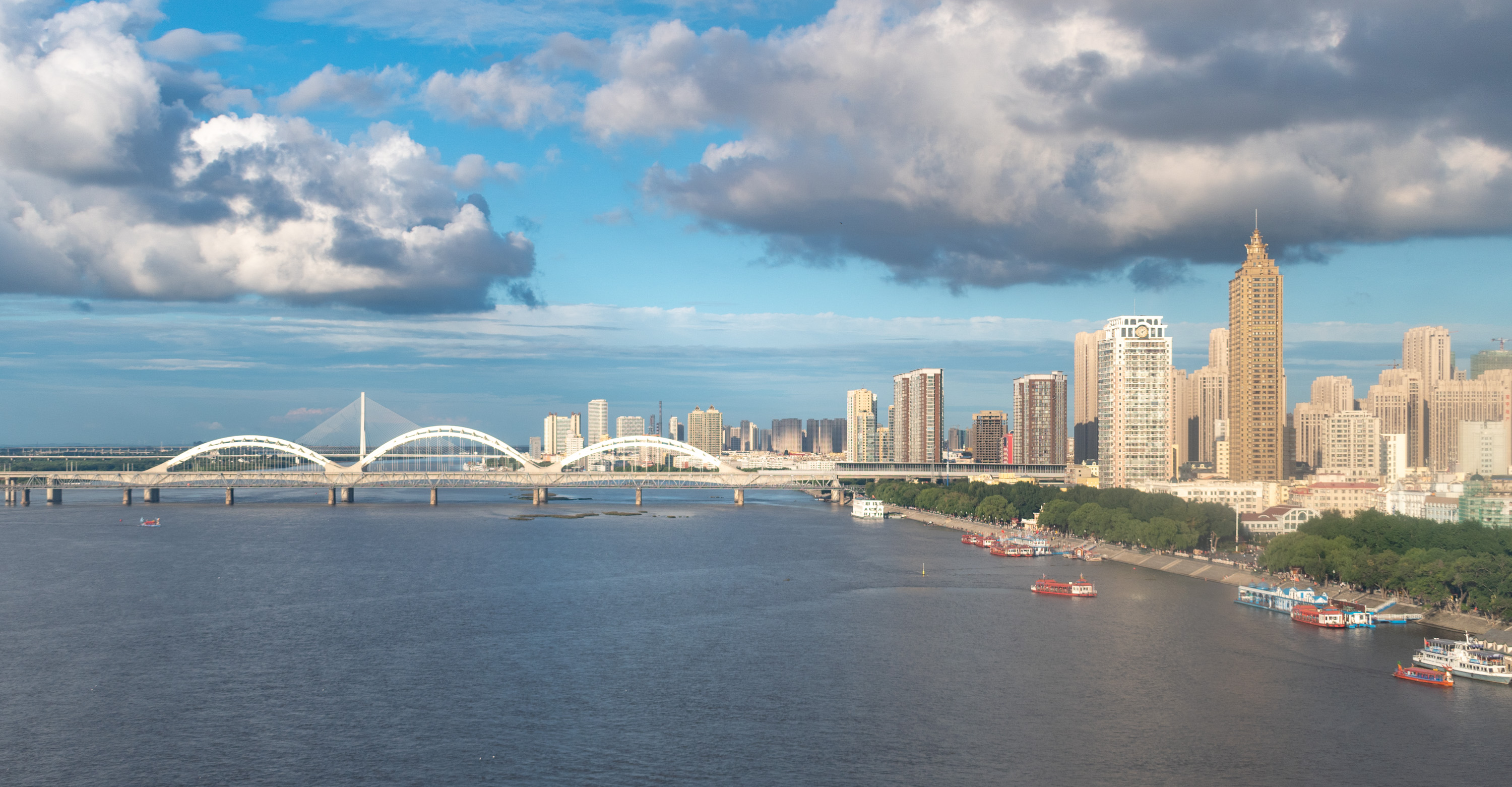
Harbin sits in northeastern China, a continental city of 10 million people at 150 m above sea level, where winters are long and severe and summers arrive quickly and warm. The timezone is Asia/Shanghai. Expats tend to settle in Nangang and Daoli, two central districts that put residents close to markets, transit, and the social life that builds up around the city's universities and trading firms. The climate shapes daily routines here more than in most Chinese cities of comparable size, and newcomers learn quickly to plan around the cold half of the year.
Rent is where Harbin surprises people most. A 1-bedroom in the city center runs $323/mo, while the same apartment outside the center costs $457/mo, and a 3-bedroom in the city center reaches $1,347/mo against $522/mo outside it. Excluding rent, a single person spends about $550/mo, with utilities at $76/mo, internet at $12/mo, and a mobile phone plan at $15/mo. A monthly public transport pass costs $11/mo and a gym membership $85/mo. Eating out is cheap: an inexpensive restaurant meal is $2 per person, a mid-range three-course meal for two is $22, and a cappuccino is $3. Against those numbers, the average monthly net salary locally is $592/mo, so the budget tier for a single adult including rent lands at $604/mo, the mid-range tier at $904/mo, and the comfortable tier at $821/mo.
Safety is a strong point. The safety index is 75/100 and the crime index is 25/100, with lower crime numbers meaning a safer city. Healthcare quality is rated Good, which matters in a place with harsh winters and an air quality index of 72, where lower is better. Average internet speed is 25 Mbps, workable for most remote tasks though not exceptional. The expat community is medium in size, and English proficiency locally is limited, so a few phrases of Mandarin go a long way in shops, clinics, and government offices.
Arriving is straightforward through PFA, the nearest airport, 11 km from the city. Visa routes exist for longer stays, and the practical choice depends on whether you are working locally, studying, or living on outside income. The city scores 83/100 overall for expats, 85/100 on FIRE, 66/100 for retirees, and 65/100 for digital nomads. It suits cold-climate tolerant savers, early retirees stretching a fixed income, and remote workers who want low rent and do not mind limited English or a quiet winter.