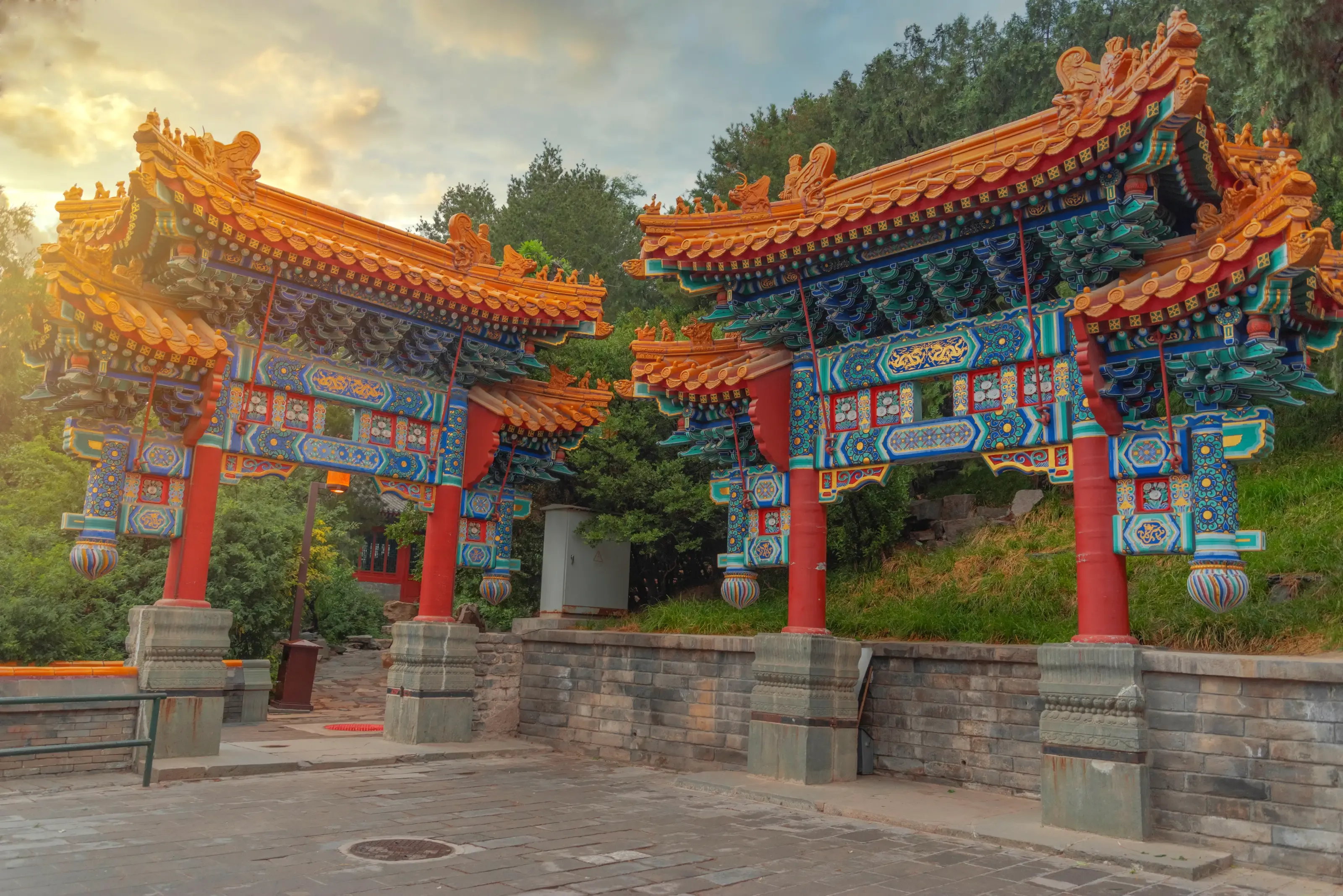
Beijing, China Hero Image

Beijing, China

🏛️ Capital City

Data updated Oct 8, 2026

Follows China Residency Rules. Check Digital Nomad & Retiree Pathways →

📊 Scores

78
FIRE
62
Retiree
77
Digital Nomad

Best fit: FIRE / Geoarbitrage (score: 76)

Beijing sits in northern China at just 44 m above sea level, in the Asia/Shanghai timezone, and it is home to 22 million people. The climate is continental: summers from June through August are hot and humid, winters from December through February are cold and dry, and spring and autumn bring mild, pleasant weather along with frequent dust storms. Expats tend to cluster in Sanlitun, Chaoyang, and Shunyi, three neighborhoods that anchor a large and active international community.

Rents vary sharply by location and size. A one-bedroom outside the center runs $531/mo, while a three-bedroom in the city center costs $2,362/mo and the same three-bedroom outside the center drops to $1,122/mo. Beyond rent, a single adult spends about $585/mo, and a family of four about $2,179/mo. Utilities come to $58/mo, internet $14/mo, and a mobile phone plan $9/mo. A monthly public transport pass costs $34/mo and a gym membership $41/mo. Eating out is affordable: an inexpensive restaurant meal is $4 per person, a mid-range three-course meal for two is $30, and a cappuccino is $4. Against those costs, the average monthly net salary is $1,700/mo, and the cost of living index sits at 38/100 with New York City at 100. Budget, mid-range, and comfortable tiers for a single adult, rent included, total $549/mo, $854/mo, and $1,325/mo respectively.

Safety is generally solid, with a safety index of 65/100 and a crime index of 35/100, where a lower crime figure means a safer city. Healthcare quality is rated good. Air quality remains a real consideration, with an air quality index of 85, where lower is better. Average internet speed reaches 120 Mbps, which supports remote work comfortably.

Visa options exist for foreign residents, though English proficiency locally is limited, so patience and a few phrases go a long way. The nearest airport is NAY, 13 km away. With an overall expat score of 76/100, a digital nomad score of 77/100, a FIRE score of 78/100, and a retiree score of 62/100, Beijing fits remote workers, budget-minded savers, and long-term planners best, while retirees may find the climate and language barrier more demanding.
Estimate the cost of moving to Beijing, China

Get a free moving cost estimate for moving to Beijing, China. Takes 10 seconds.

How much are you shipping?

When are you moving?

Powered by Sirelo. Free quotes from international movers.

🏚️ Cost of Living

💰 Budgets and Costs

$900/mo, one person, rent included
Selected: mid-range lifestyle

Beijing on a mid-range budget comes to about $900 a month for one adult, with $531 of that going to rent. Beyond rent the estimate covers $109 on groceries, $45.00 on dining out, $100 on entertainment and lifestyle, $81.00 on utilities and connectivity and $34.00 on transport.

Rent

$531/mo

1BR outside the centre

Groceries

$109/mo

Staples basket scaled to a full month

Dining out

$45.00/mo

10 inexpensive meals

Entertainment & lifestyle

$100/mo

gym, 2 cinema trips, 12 cappuccinos

Utilities & connectivity

$81.00/mo

utilities, mobile, internet

Transport

$34.00/mo

Monthly pass

Budgets (excl. rent)

Single person$369/mo

Excludes rent. The total above is all-in, rent included.

Estimates for one adult, built from this city's average prices and the usage shown for each tier. Your spending will differ with how often you eat out and where you live.

A 1BR in the center runs about $936.67/mo. If your income is in another currency, bank FX fees add up. A multi-currency account can cut that cost.

See low-fee transfers

We may earn a commission at no cost to you.

See how Beijing's cost of living compares with Wujing

Be the first to report costs in Beijing

Share

🛡️ Safety & Crime

65
Safety Index

(Higher is safer)

35
Crime Index

(Lower is safer)

Beijing is generally safe for expats with low violent crime rates and strong police presence. Petty theft, package theft, and online scams targeting foreigners are the primary concerns; avoid displaying valuables and use trusted delivery services. Air quality and traffic accidents pose greater daily risks than crime. Political sensitivities around speech and internet access require discretion. Expat-heavy areas like Chaoyang and Haidian are well-policed. Overall, Beijing is safer than most major American cities, though the authoritarian environment and surveillance state warrant awareness before committing to long-term residence.

🏥 Healthcare

Good
Public Hospitals
Yes
Private Clinics
Yes
English-Speaking Doctors
Available

See how Beijing's healthcare compares with Wujing

🌤️ Climate

Summer Temp
26°C
Winter Temp
-4°C
Humidity
52%
Air Quality Index
85
Annual Rainfall
641 mm

Best Months

AprMaySepOct

Climate Notes

Beijing has a continental climate with hot, humid summers (June-August) and cold, dry winters (December-February), with spring and autumn offering mild, pleasant weather but frequent dust storms.

💻 Digital Nomad

Avg Internet Speed
120 Mbps
Internet (monthly)
$14/mo
Coworking Availability
Abundant
Coworking Spaces Nearby
2
Digital Nomad Score
77/100

Community Notes

Beijing offers a vibrant tech scene with plenty of coworking spaces.

Coworking Spaces

NameNotes
People Squared (P2)A well-established local coworking brand with multiple locations in Beijing, including one in Zhongguancun (the 'Silicon Valley' of China). Offers a vibrant community, regular events, and is popular with startups and tech professionals, making it a good place to network.
WeWorkWeWork has several locations throughout Beijing, including in CBD and Sanlitun. Offers a consistent, high-quality experience with modern amenities, a strong international community, and is a reliable option for those familiar with the WeWork brand.
naked Hubnaked Hub (now part of WeWork) maintains a presence in Beijing. Known for its stylish design, community focus, and central locations, it's a good option for those seeking a more design-conscious workspace.
Atlas WorkplaceAtlas Workplace offers premium coworking spaces in prime locations like the CBD. It features high-end amenities, professional services, and a sophisticated atmosphere, appealing to established professionals and businesses.

Names, locations and hours can change. Check each space's website before you visit. Places from © OpenStreetMap contributors and Foursquare Open Source Places (Apache 2.0).

Working remotely from Beijing? Nomad health insurance covers you across borders, month to month.

See nomad insurance

We may earn a commission at no cost to you.

See how Beijing's digital nomad life compares with Wujing

🧳 Expat Life

English Proficiency
Limited
Expat Community
Large & Active
Top Neighborhoods
Sanlitun, Chaoyang, Shunyi
Banks Nearby
418
ATMs Nearby
72

Expat Life Notes

The political and cultural heart of China, offering high-end expat infrastructure alongside intense urban energy.

Pros

  • ✓ World-class cultural heritage
  • ✓ Excellent international schools
  • ✓ Vibrant tech and diplomatic scenes

Cons

  • ✗ Air quality fluctuations
  • ✗ High cost of living for Tier 1 lifestyle
  • ✗ Censored internet

🏘️ Neighborhoods in Beijing

Areas of Beijing that expats often consider.

Conditions can change from one block to the next, and these descriptions are general guides, not safety assessments. Before choosing where to stay or live, check current travel advisories, talk to people who live there, and visit in person if you can.

Sanlitun

Trendy, international, vibrant nightlife

Sanlitun is Beijing's most well-known expat hub, packed with international restaurants, bars, and shopping. It's very walkable and well-connected by subway, but can be noisy and expensive. Expect a constant stream of tourists and a higher cost of living.

Wudaokou

University district, youthful, bustling

Home to several major universities, Wudaokou is popular with students and younger expats. It offers a more affordable alternative to Sanlitun, with a lively atmosphere and plenty of street food. The area is well-connected by subway, but can be crowded and less polished.

Gulou

Historic, traditional, hutong charm

Gulou offers a glimpse into old Beijing, with its traditional hutongs (alleyways) and courtyard houses. While some hutongs have been renovated, it retains a more authentic feel. It's becoming increasingly popular with expats and digital nomads, but can be less convenient for transportation and amenities.

CBD (Guomao)

Modern, business-oriented, upscale

Beijing's Central Business District is a modern area with skyscrapers, luxury apartments, and international corporations. It's well-connected by subway and offers a convenient location for professionals. Expect high rents and a less traditional atmosphere.

Page 1 of 2

Could living/working in Beijing cut years off your work life?

With a 1-bedroom in the center at $937/mo, your FIRE number here might be much lower than you think.

Calculate My FIRE Date →

🛂 Visa Options for China

Many long-stay visas require proof of health insurance. Compare international health plans before you apply.

Compare health insurance

We may earn a commission at no cost to you.

🛂

Not sure which China visa you qualify for?

Answer 11 questions and get a personalized match in under 2 minutes.

Find My Visa →

More Cities to Consider instead of Beijing

FAQ

Frequently Asked Questions about Beijing

Click any question to expand the answer.

Beijing has a population of approximately 21,893,000 people.
A single person can expect to spend around $2,342 per month in Beijing, including rent. A 1-bedroom apartment in the city center costs approximately $937/month.
The nearest airport to Beijing is NAY, approximately 13.4km away.
Beijing is considered relatively safe, with a safety index of 65.0. As with any city abroad, expats should research specific neighborhoods before committing to a location.
Beijing has an average internet speed of 120 Mbps. It is considered a well-established digital nomad destination.
Significantly better than a decade ago thanks to coal plant closures and vehicle restrictions, but not clean by Western standards. Heavy smog days still occur, especially in winter. Most expats run HEPA air purifiers at home, check the AQI daily, and wear masks during high-pollution periods.
You can survive without it in expat-heavy areas like Sanlitun or Chaoyang, and subway signage is bilingual. But daily life — dealing with landlords, government offices, local restaurants, and anything outside the expat bubble — becomes genuinely difficult without at least basic Mandarin. Most long-term expats invest in lessons early.
Beijing can be surprisingly affordable, or quite expensive, depending on your lifestyle. Expect to pay anywhere from $1,500 to $3,000 USD per month, covering rent, food (both local and imported), transportation, and entertainment. Rent for a modern one-bedroom apartment in a central area like Sanlitun might be $1,500, while a similar apartment further out in Wangjing could be half that.
For long-term stays, you'll likely need a work visa (Z visa) sponsored by an employer or a student visa (X visa) if you're studying. Tourist visas (L visas) are only good for short stays. It's best to consult with a visa agency specializing in China for the most up-to-date requirements and application procedures, as rules can change.
Beijing has a mix of public and private hospitals. Private hospitals like Beijing United Family Hospital and International SOS offer higher standards of care and English-speaking doctors, but are more expensive. Public hospitals are cheaper but often crowded, and English proficiency among staff can be limited.
Sanlitun is popular for its nightlife and international vibe, while Chaoyang is a large district with diverse options. Wudaokou is great for students and those on a budget, and Wangjing is known for its large Korean population and more affordable housing. Each area has its own distinct character and price point.
Beijing has four distinct seasons. Summers are hot and humid, winters are cold and dry with occasional snow, and spring and autumn are relatively short and pleasant. Be prepared for dust storms in the spring and air pollution spikes throughout the year, especially in winter.
Beijing has an excellent and affordable public transportation system. The subway is extensive and efficient, covering most of the city. Buses are also plentiful, though they can be crowded. Taxis and ride-sharing services like Didi are readily available, but traffic can be heavy.
Internet speeds in Beijing are generally fast and reliable, suitable for most remote work tasks. You can expect download speeds of 50-100 Mbps or higher. Coworking spaces are available, but not as prevalent as in some other major cities; try Naked Hub or WeWork.
Yes, Beijing has a large and active expat community. There are numerous social groups, sports teams, and networking events catering to foreigners. Websites like The Beijinger and Meetup.com are good resources for finding expat communities and activities.
Opening a bank account in Beijing requires a valid visa and passport. Major international banks like HSBC and Citibank have branches, but local banks like Bank of China and ICBC are more common. Services like Wise (formerly TransferWise) are often the easiest and cheapest way to transfer money internationally.
As a US citizen, you're still required to file US taxes even when living abroad. The Foreign Earned Income Exclusion (FEIE) allows you to exclude a certain amount of your foreign-earned income from US taxes. You may also need to report foreign bank accounts if they exceed a certain threshold (FBAR).
Beijing can be viable for early retirement, but it depends heavily on your budget and lifestyle. While some costs are lower than in the US, others, like international healthcare, can be significant. A monthly budget of $2,500-$3,500 USD might allow for a comfortable, but not extravagant, retirement.
Beijing is generally a safe city with a low crime rate. Petty theft can occur, especially in crowded tourist areas, so be mindful of your belongings. Certain areas, like some nightlife districts late at night, might be riskier, but overall, Beijing is considered very safe for expats.
While English proficiency is increasing, it's still limited outside of tourist areas and international businesses. You can get by with English, especially in central areas, but learning some basic Mandarin will greatly enhance your experience and make daily life much easier. Apps like Pleco are invaluable.
China has capital controls, which can make it difficult to move large sums of money in and out of the country. Investing in the local stock market requires a Chinese brokerage account and can be complex for foreigners. Consult with a financial advisor familiar with Chinese regulations before making any significant investments.

Share This Guide