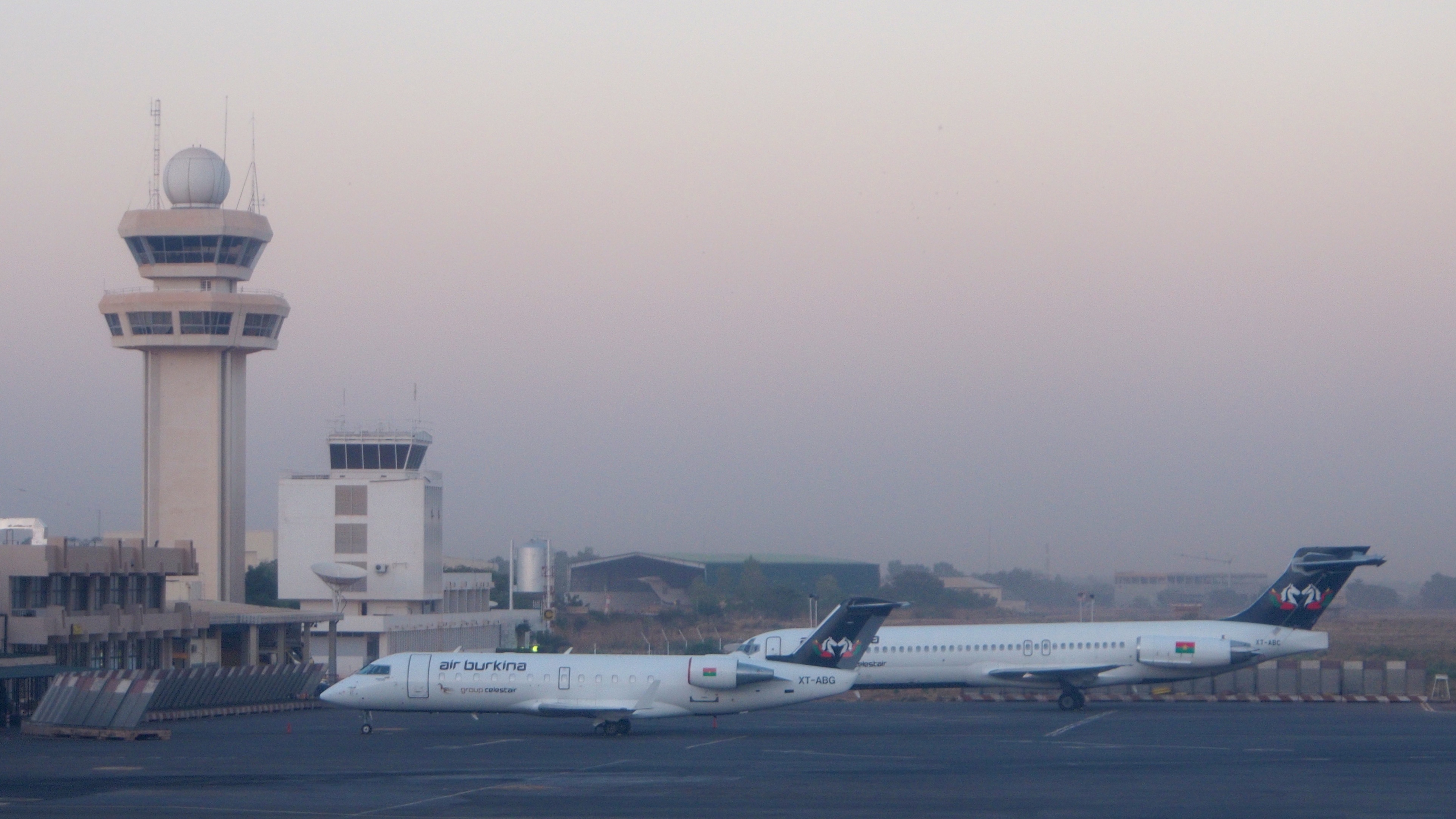
Ouagadougou, Burkina Faso
Data updated Oct 9, 2026
📊 Scores
Best fit: FIRE / Geoarbitrage (score: 53)
Ouagadougou sits in the heart of Burkina Faso at 306 m above sea level, a sprawling capital of 2.4 million people in the Africa/Ouagadougou timezone. The climate is semi-arid, with hot summers and mild winters, and dust and particulate matter are persistent challenges tied to its geographical position and urban activities. Expats tend to cluster in Somgandé, Zone du Bois, and Ouaga 2000, neighborhoods that offer a mix of residential calm and access to the city's commercial and diplomatic hubs.
Living costs here are low by global standards, with a cost of living index of 21/100 against New York City. A one-bedroom apartment in the city centre rents for $342/mo, while outside the centre it drops to $231/mo. Three-bedroom units run $1,339/mo in the centre and $741/mo outside it. For a single adult, budget tier total with rent included is $694/mo, mid-range is $929/mo, and comfortable is $1,260/mo. Excluding rent, a single person spends about $230/mo and a family of four about $600/mo. Utilities average $179/mo, internet $54/mo, and a mobile phone plan $26/mo. A gym membership costs $60/mo, an inexpensive restaurant meal $7 per person, a mid-range three-course meal for two $26, and a cappuccino $2. The average monthly net salary locally is $598/mo, so many residents live on tight budgets while expat incomes stretch further.
Safety requires awareness. The safety index is 35/100 and the crime index is 65/100, meaning caution is sensible, especially after dark. Air quality is a concern with an index of 110, and healthcare quality is rated fair. The expat community is medium in size, which can mean a close-knit social circle but fewer large-scale support networks than in bigger hubs.
Visas are part of the planning process, and travelers typically arrange them before arrival. The nearest airport is OUA, 11 km from the city. Internet averages 15 Mbps, and English proficiency is limited, so French helps in daily life. With an overall expat score of 53/100, a FIRE score of 78/100, a retiree score of 47/100, and a digital nomad score of 52/100, Ouagadougou suits budget-focused expats, early retirees chasing low costs, and remote workers who can tolerate heat, dust, and a slower pace.
Estimate the cost of moving to Ouagadougou, Burkina Faso
Get a free moving cost estimate for moving to Ouagadougou, Burkina Faso. Takes 10 seconds.
How much are you shipping?
When are you moving?
Powered by Sirelo. Free quotes from international movers.
🏚️ Cost of Living
💰 Budgets and Costs
Ouagadougou on a budget budget comes to about $775 a month for one adult, with $231 of that going to rent. Beyond rent the estimate covers $234 on groceries, $29.00 on dining out, $23.00 on entertainment and lifestyle and $258 on utilities and connectivity.
Rent
$231/mo
1BR outside the centre
Groceries
$234/mo
75% of mid-range grocery spend
Dining out
$29.00/mo
4 inexpensive meals
Entertainment & lifestyle
$23.00/mo
1 cinema trip, 8 cappuccinos
Utilities & connectivity
$258/mo
utilities, mobile, internet
Budgets (excl. rent)
Excludes rent. The total above is all-in, rent included.
Ouagadougou on a mid-range budget comes to about $971 a month for one adult, with $231 of that going to rent. Beyond rent the estimate covers $312 on groceries, $73.00 on dining out, $97.00 on entertainment and lifestyle and $258 on utilities and connectivity.
Rent
$231/mo
1BR outside the centre
Groceries
$312/mo
Staples basket scaled to a full month
Dining out
$73.00/mo
10 inexpensive meals
Entertainment & lifestyle
$97.00/mo
gym, 2 cinema trips, 12 cappuccinos
Utilities & connectivity
$258/mo
utilities, mobile, internet
Budgets (excl. rent)
Excludes rent. The total above is all-in, rent included.
Ouagadougou on a comfortable budget comes to about $1,284 a month for one adult, with $342 of that going to rent. Beyond rent the estimate covers $436 on groceries, $121 on dining out, $127 on entertainment and lifestyle and $258 on utilities and connectivity.
Rent
$342/mo
1BR in the centre
Groceries
$436/mo
140% of mid-range grocery spend
Dining out
$121/mo
6 inexpensive meals + 6 mid-range meals
Entertainment & lifestyle
$127/mo
gym, 4 cinema trips, 20 cappuccinos
Utilities & connectivity
$258/mo
utilities, mobile, internet
Budgets (excl. rent)
Excludes rent. The total above is all-in, rent included.
Estimates for one adult, built from this city's average prices and the usage shown for each tier. Your spending will differ with how often you eat out and where you live.
A 1BR in the center runs about $341.92/mo. If your income is in another currency, bank FX fees add up. A multi-currency account can cut that cost.
See low-fee transfersWe may earn a commission at no cost to you.
See how Ouagadougou's cost of living compares with Garango
Be the first to report costs in Ouagadougou
🛡️ Safety & Crime
(Higher is safer)
(Lower is safer)
Ouagadougou presents significant safety challenges for expats. With a Safety Index of 35, the city experiences elevated petty theft, armed robbery, and carjacking, particularly after dark and in peripheral neighborhoods. Political instability and occasional civil unrest add complexity; the broader Sahel region faces security threats from militant groups, though the capital itself remains relatively insulated. Expats should avoid displaying wealth, use trusted transportation, stay informed on security updates, and maintain low profiles in crowded areas. This is a challenging posting requiring careful risk management and strong local networks—suitable only for those with prior expat experience and employer security support.
Ouagadougou has a safety index of 35/100. Petty theft and lost belongings are the most common problems for newcomers. Compare travel insurance before you go.
Compare travel insuranceWe may earn a commission at no cost to you.
🏥 Healthcare
See how Ouagadougou's healthcare compares with Garango
🌤️ Climate
Best Months
Climate Notes
Ouagadougou, located in Burkina Faso, experiences a semi-arid climate with hot summers and mild winters, alongside challenges from dust and particulate matter largely due to its geographical position and urban activities.
💻 Digital Nomad
Community Notes
Cultural hub with limited amenities for nomads.
Coworking Spaces
| Name | Notes |
|---|---|
| Yam pukri | Located at Rue naba Bilgo, Ouagadougou, Burkina Faso. |
Names, locations and hours can change. Check each space's website before you visit. Places from © OpenStreetMap contributors and Foursquare Open Source Places (Apache 2.0).
Working remotely from Ouagadougou? Nomad health insurance covers you across borders, month to month.
See nomad insuranceWe may earn a commission at no cost to you.
See how Ouagadougou's digital nomad life compares with Garango
🧳 Expat Life
Expat Life Notes
A vibrant but challenging capital for expats. Ouaga 2000 is the affluent enclave where most foreigners and diplomats reside.
Pros
- ✓ Rich West African culture
- ✓ Tight-knit diplomatic community
- ✓ Low cost of living
Cons
- ✗ Current security concerns (terrorism)
- ✗ Extreme heat
- ✗ Poor infrastructure
🏘️ Neighborhoods in Ouagadougou
Conditions can change from one block to the next, and these descriptions are general guides, not safety assessments. Before choosing where to stay or live, check current travel advisories, talk to people who live there, and visit in person if you can.
Neighborhood guides for this city are being reviewed. In the meantime, see the safety section and check current travel advisories before choosing where to stay.
Could living/working in Ouagadougou cut years off your work life?
With a 1-bedroom in the center at $342/mo, your FIRE number here might be much lower than you think.
More Cities to Consider instead of Ouagadougou
Frequently Asked Questions about Ouagadougou
Click any question to expand the answer.
Share This Guide
Ouagadougou won't stay this cheap forever.
Cost-of-living and visa updates for Ouagadougou and the rest of Burkina Faso. Free with RA Postcards.
By submitting your email address, you will receive a free subscription to RA Postcards and special offers from Rewire Abroad and our affiliates. You can unsubscribe at any time, and we encourage you to read more about our Privacy Policy.