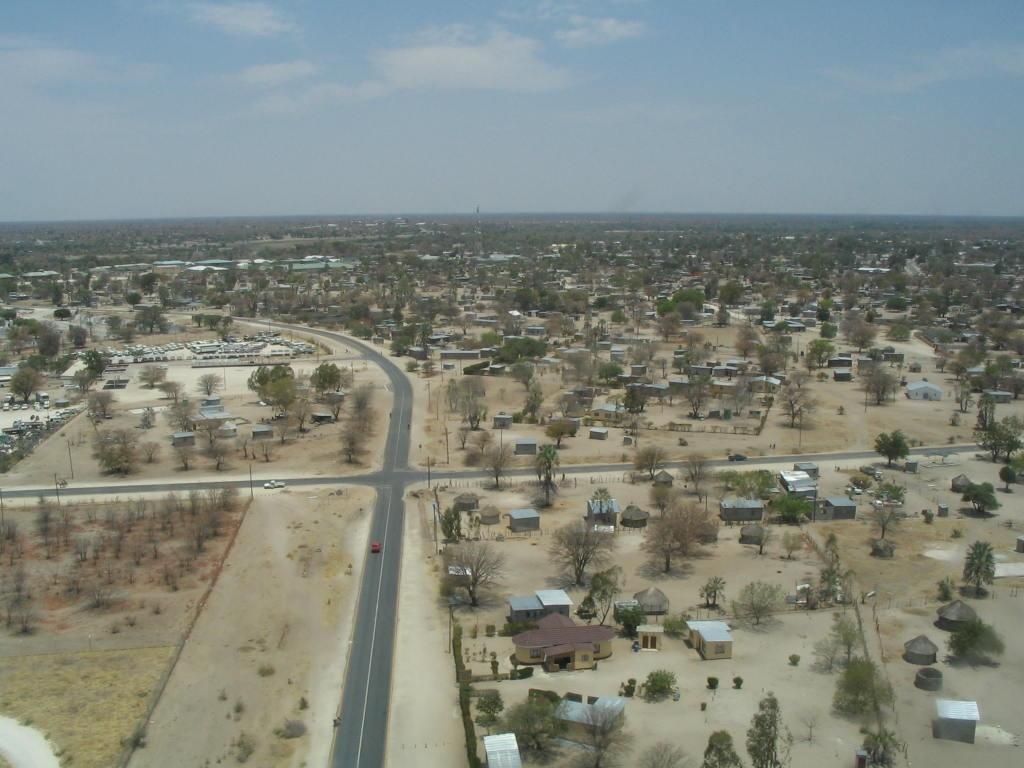
Maun, Botswana Hero Image
Wikipedia Contributor, CC BY-SA

Maun, Botswana

Follows Botswana Residency Rules. Check Digital Nomad & Retiree Pathways →

📊 Scores

68
FIRE
45
Retiree
48
Digital Nomad

Best fit: FIRE / Geoarbitrage (score: 66)

Maun sits at 945 meters above sea level in northern Botswana, a semi-arid subtropical town where the dry season brings mild winters with lows around 4°C and the hot months from September to April can peak at 41°C. The brief rainy season runs from November to March, but humidity stays low year-round. Expats tend to cluster in the Matlapana neighborhood, a medium-sized community that offers a practical base near the town's amenities and the gateway to the Okavango Delta.

Living here is relatively affordable, with a cost of living index of 46 out of 100 compared to New York City. A single person's monthly expenses excluding rent come to about $600, while a family of four spends around $2,100 excluding rent. Rent for a one-bedroom apartment in the city centre runs $450 per month, dropping to $320 outside the centre. A three-bedroom in the centre costs $850, while outside the centre it is $600. For a single adult, the budget tier totals $1,050 per month including rent, the mid-range tier $1,500, and the comfortable tier $2,200.

Safety is moderate, with a safety index of 60 and a crime index of 40, indicating a relatively stable environment compared to many urban areas. Healthcare quality, however, is rated as poor, so expats with serious medical needs should plan for evacuation or travel to larger cities. The air quality index is 45, which is generally acceptable, and the average internet speed is 10 Mbps, which may be limiting for heavy remote work.

For those considering a longer stay, Botswana offers a Residence Permit for Retired Persons, which is the retirement visa program available. The nearest airport is MUB, just 2 kilometers from town, making access straightforward. Maun suits budget-conscious expats and retirees who prioritize low living costs and a quiet, nature-oriented lifestyle, though the limited healthcare and modest digital infrastructure mean it is not ideal for those requiring advanced medical care or high-speed connectivity. The overall expat score is 66, with a FIRE score of 68, but retiree and digital nomad scores are lower at 45 and 48, respectively, reflecting the trade-offs.
Estimate the cost of moving to Maun, Botswana

Get a free moving cost estimate for moving to Maun, Botswana. Takes 10 seconds.

How much are you shipping?

When are you moving?

Powered by Sirelo. Free quotes from international movers.

🏚️ Cost of Living

A 1BR in the center runs about $450/mo. If your income is in another currency, bank FX fees add up. A multi-currency account can cut that cost.

See low-fee transfers

We may earn a commission at no cost to you.

See how Maun's cost of living compares with Letlhakane

Be the first to report costs in Maun

Share

🛡️ Safety & Crime

60
Safety Index

(Higher is safer)

40
Crime Index

(Lower is safer)

Maun is relatively safe for expats compared to many African cities, with a moderate safety profile suitable for remote workers and retirees. Petty theft and burglary are the primary concerns, particularly in less-developed areas and after dark. Violent crime against foreigners is uncommon but not unheard of. Avoid displaying wealth, walking alone at night, and the informal settlements on the city's periphery. The main business and expat districts are generally secure. Botswana's stable political environment and professional police presence add to the overall security picture, making Maun a reasonable choice for cautious expats willing to exercise standard urban precautions.

Maun has a safety index of 60/100. Petty theft and lost belongings are the most common problems for newcomers. Compare travel insurance before you go.

Compare travel insurance

We may earn a commission at no cost to you.

🏥 Healthcare

Poor
Public Hospitals
Yes
Private Clinics
Yes
English-Speaking Doctors
Available

See how Maun's healthcare compares with Letlhakane

🌤️ Climate

Summer Temp
41°C
Winter Temp
4°C
Humidity
40%
Air Quality Index
45
Annual Rainfall
327 mm

Best Months

AprMaySepOct

Climate Notes

Maun has a semi-arid subtropical climate with hot, dry summers (September-April, peaks at 41°C) and mild winters (May-August, lows around 4°C), featuring low humidity year-round and a brief rainy season from November to March.

💻 Digital Nomad

Avg Internet Speed
10 Mbps
Coworking Availability
None
Coworking Spaces Nearby
0
Digital Nomad Score
48/100

Community Notes

A gateway to the Okavango Delta with few remote working facilities.

Coworking Spaces

NameNotes
The Workshop MaunLocated in the heart of Maun, The Workshop offers a modern and comfortable workspace with reliable internet, air conditioning, and printing facilities. It's a popular spot for both locals and expats, fostering a collaborative community.
Maun Lodge Conference CentreWhile primarily a conference center, Maun Lodge offers flexible workspace options with access to their amenities, including reliable Wi-Fi and catering services. Its location near the Thamalakane River provides a tranquil working environment.
Thamalakane River LodgeThamalakane River Lodge offers a relaxed atmosphere with outdoor workspaces and reliable internet. It's a great option for those who prefer a more natural setting and enjoy working near the river.

Names, locations and hours can change. Check each space's website before you visit. Places from © OpenStreetMap contributors and Foursquare Open Source Places (Apache 2.0).

Working remotely from Maun? Nomad health insurance covers you across borders, month to month.

See nomad insurance

We may earn a commission at no cost to you.

See how Maun's digital nomad life compares with Letlhakane

🧳 Expat Life

English Proficiency
Limited
Expat Community
Medium
Top Neighborhoods
Matlapana
Banks Nearby
7
ATMs Nearby
17

Expat Life Notes

Gateway to the Okavango Delta. High expat presence in the safari and aviation industries.

Pros

  • ✓ Amazing nature access
  • ✓ Safe for Botswana
  • ✓ Adventure lifestyle

Cons

  • ✗ High seasonal prices
  • ✗ Limited healthcare
  • ✗ Very isolated

🏘️ Neighborhoods in Maun

Areas of Maun that expats often consider.

Conditions can change from one block to the next, and these descriptions are general guides, not safety assessments. Before choosing where to stay or live, check current travel advisories, talk to people who live there, and visit in person if you can.

Sedie Ward

Central, bustling, mixed residential

Sedie Ward is centrally located, offering a mix of residential and commercial properties. It's relatively walkable and has good access to shops and services, making it popular with both locals and expats. However, it can be noisy due to its central location and traffic.

Maun Airport Area

Convenient, transient, developing

Close to the airport, this area is convenient for frequent travelers. It's seeing new development, including guesthouses and lodges catering to tourists and business travelers. While convenient, it lacks the charm of more established residential areas and can be pricier due to tourism.

Matlapana

Residential, quiet, family-oriented

Matlapana is a more residential area located a bit further from the town center. It's quieter and more affordable, making it popular with families. Public transport is available, but owning a car is recommended. It's less expat-focused, so some Setswana language skills would be helpful.

Boseja

Upmarket, spacious, residential

Boseja is considered one of the more upscale residential areas in Maun. Properties tend to be larger with more land. It's relatively quiet and safe, attracting wealthier residents and some expats. A car is essential due to the distances.

Page 1 of 2

Could living/working in Maun cut years off your work life?

With a 1-bedroom in the center at $450/mo, your FIRE number here might be much lower than you think.

Calculate My FIRE Date →

More Cities to Consider instead of Maun

FAQ

Frequently Asked Questions about Maun

Click any question to expand the answer.

Maun has a population of approximately 85,293 people.
A single person can expect to spend around $1,125 per month in Maun, including rent. A 1-bedroom apartment in the city center costs approximately $450/month.
The nearest airport to Maun is MUB, approximately 2.1km away.
Maun is considered relatively safe, with a safety index of 60.0. As with any city abroad, expats should research specific neighborhoods before committing to a location.
Maun has an average internet speed of 10 Mbps. It is not yet considered a well-established digital nomad destination.
Maun is ideal for expats who love nature, enjoy small-town life, and can handle dusty, rural conditions. Not for those needing urban amenities.
Internet speeds in Maun can be variable. While mobile data is generally reliable, expect speeds around 10-20 Mbps. For more consistent connectivity, consider a dedicated fiber connection if available in your area, but even then, outages can occur, so a backup mobile data plan is wise.
As an American, you'll initially enter Botswana visa-free for tourism for up to 90 days. For longer stays, you'll need to apply for a residence permit. Options include a work permit (if employed), an investor permit (if starting a business), or a long-term visitor permit, which requires demonstrating sufficient financial resources.
Maun has a few private clinics and a public hospital. While some doctors speak English, it's not guaranteed, especially at the public hospital. For serious medical issues, many expats travel to Gaborone or South Africa for more specialized care.
For budget-conscious expats, consider areas like Sedie or Boseja. These neighborhoods offer more affordable housing options compared to the more upscale areas closer to the Thamalakane River. You can find decent rentals for around $400-$700 USD per month.
Maun has a semi-arid climate with hot, wet summers (November to March) and mild, dry winters (May to August). Temperatures can soar above 100°F (38°C) in the summer, while winter nights can be quite chilly. Be prepared for intense sun and occasional heavy rainfall during the rainy season.
Getting around Maun without a car can be challenging. Taxis are available but not always reliable, and public transportation is limited to combis (minibuses) that follow fixed routes. Renting or buying a car is highly recommended for independent travel and exploring the surrounding areas.
The expat community in Maun is relatively small but active, largely consisting of people working in tourism or conservation. There are a few informal social groups and gatherings, often centered around local restaurants and bars. Joining these groups is a good way to meet people and integrate into the community.
As a US citizen, you're still required to file US taxes even while living in Maun. You may be able to exclude a significant portion of your income using the Foreign Earned Income Exclusion (FEIE) or claim the Foreign Tax Credit (FTC). Consult with a tax professional specializing in expat taxes to ensure compliance.
Maun is generally considered safe during the day, but it's wise to be cautious, especially in crowded areas. At night, it's best to avoid walking alone, particularly in less well-lit areas. Petty theft can occur, so keep valuables out of sight and be aware of your surroundings.
Coworking spaces are limited in Maun. Some lodges and hotels offer day passes with Wi-Fi access, which can serve as temporary workspaces. Several cafes have Wi-Fi, but the reliability and speed can vary. It's best to check reviews and inquire beforehand.
Maun offers a lower cost of living than many Western countries, allowing your pension or Social Security income to stretch further. By shopping at local markets, eating at local restaurants, and choosing affordable housing, you can significantly reduce your expenses compared to living in the US.
You can open a bank account at one of the major banks in Maun, such as Stanbic or First National Bank. International money transfers can be done through services like Wise (formerly TransferWise) or Xoom, which often offer better exchange rates and lower fees than traditional bank transfers. ATMs are available in town, but check for fees.
Maun can be a viable option for early retirement on a budget of $2000-$3000 per month, but it requires careful planning and budgeting. You'll need to prioritize affordable housing, limit eating out, and be mindful of transportation costs. Healthcare costs should also be factored into your budget.
The day-to-day quality of life in Maun is generally good for English speakers. While Setswana is the national language, English is widely spoken, especially in business and tourism. You'll be able to communicate effectively in most situations, although learning some basic Setswana phrases will be appreciated by locals.

Share This Guide