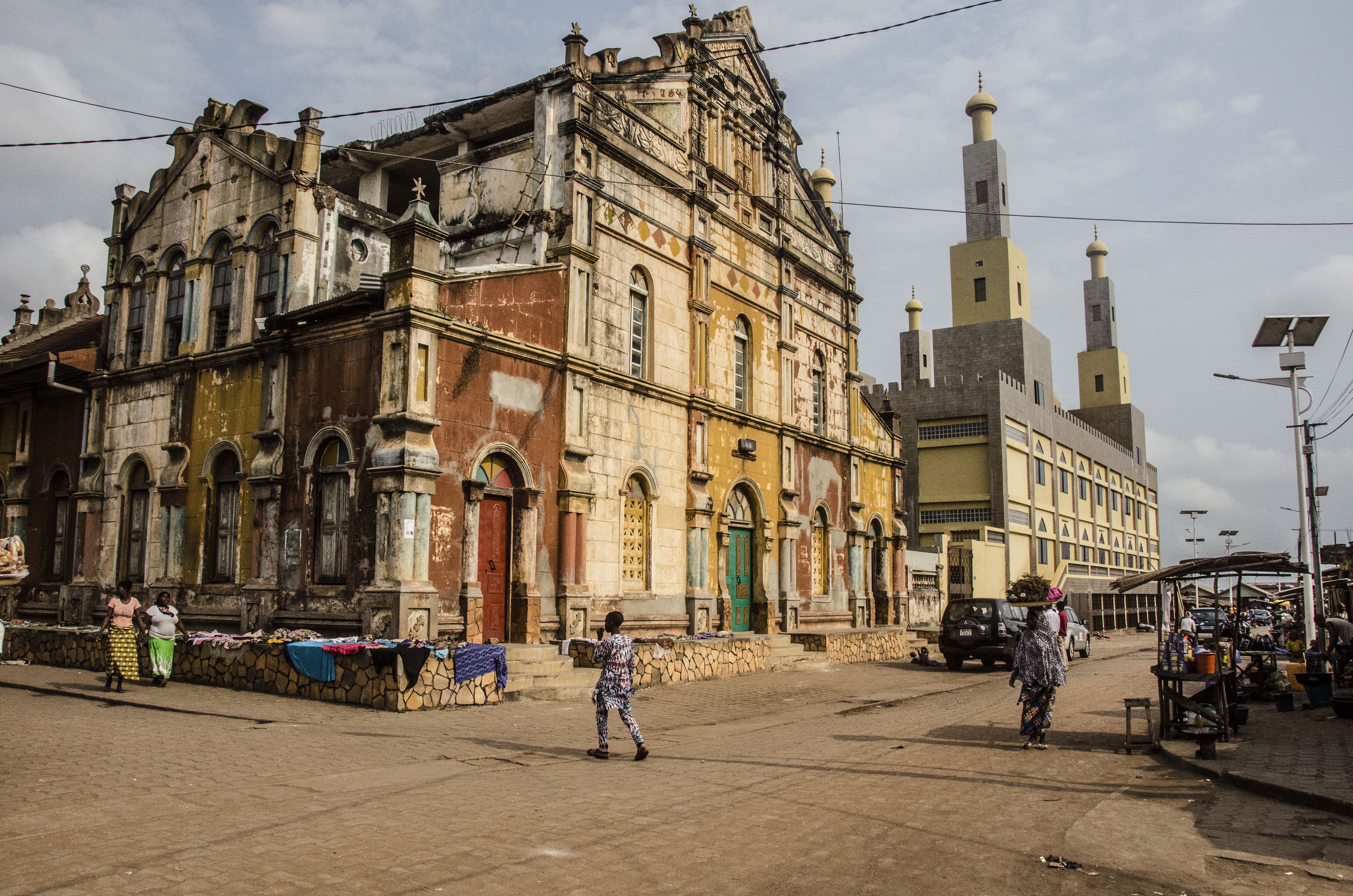
Porto-Novo, Benin Hero Image
Wikipedia Contributor, CC BY-SA

Porto-Novo, Benin

🏛️ Capital City🌊 Coastal
Follows Benin Residency Rules. Check Digital Nomad & Retiree Pathways →

📊 Scores

78
FIRE
57
Retiree
52
Digital Nomad

Best fit: FIRE / Geoarbitrage (score: 76)

Porto-Novo sits in the tropical climate belt of Benin, a short distance from the coast and about 30 km from Cadjehoun Airport (COO). The city rises just 38 m above sea level and keeps time on Africa/Porto-Novo. With a population of 234 thousand, it is compact enough that daily errands rarely require long journeys. Expats tend to settle in Ouando and Catchi, two neighborhoods that offer a mix of residential calm and access to markets, transport, and services.

Rental costs vary by location and size. A 1-bedroom apartment in the city centre runs $450/mo, while the same outside the centre costs $300/mo. For a 3-bedroom, expect $900/mo in the centre or $600/mo outside it. Beyond rent, a single person spends about $480/mo on other monthly costs, and a family of four about $1,600/mo. Budget tiers for a single adult, rent included, come to $930/mo for budget, $1,350/mo for mid-range, and $1,950/mo for comfortable. The cost of living index is 35/100 against New York City as 100, which places Porto-Novo among the more affordable West African capitals.

Safety is moderate: the safety index is 50/100 and the crime index is also 50/100, with lower crime numbers indicating a safer environment. Air quality is reasonable, with an index of 45 where lower is better. Healthcare quality is rated fair, so many residents supplement local care with private clinics or medical evacuation plans. The expat community is small, which means newcomers often rely on word of mouth and neighborhood networks in Ouando and Catchi for practical advice.

Visa requirements depend on nationality and purpose of stay, and travelers should check current rules before booking. Arrivals typically fly into Cadjehoun Airport (COO), 30 km away. Internet averages 20 Mbps, adequate for email, browsing, and standard video calls. Porto-Novo scores 76/100 overall for expats, 78/100 on the FIRE measure, 57/100 for retirees, and 52/100 for digital nomads. English proficiency is limited, so basic French helps daily life. The city suits budget-conscious expats, early retirees, and remote workers who value low costs and a quiet pace over large expat infrastructure.
Estimate the cost of moving to Porto-Novo, Benin

Get a free moving cost estimate for moving to Porto-Novo, Benin. Takes 10 seconds.

How much are you shipping?

When are you moving?

Powered by Sirelo. Free quotes from international movers.

🏚️ Cost of Living

A 1BR in the center runs about $450/mo. If your income is in another currency, bank FX fees add up. A multi-currency account can cut that cost.

See low-fee transfers

We may earn a commission at no cost to you.

See how Porto-Novo's cost of living compares with Bassila

Be the first to report costs in Porto-Novo

Share

🛡️ Safety & Crime

50
Safety Index

(Higher is safer)

50
Crime Index

(Lower is safer)

Porto-Novo presents moderate safety challenges typical of West African capitals with limited infrastructure. Petty theft, pickpocketing, and armed robbery occur, particularly after dark and in crowded markets. Avoid displaying valuables, traveling alone at night, and the Jonquet district. Political instability and occasional civil unrest pose secondary risks. Healthcare and emergency services are basic. For expats, success depends on situational awareness, local networks, and accepting a lower security baseline than North America. Not recommended for those uncomfortable with significant daily precautions.

Porto-Novo has a safety index of 50/100. Petty theft and lost belongings are the most common problems for newcomers. Compare travel insurance before you go.

Compare travel insurance

We may earn a commission at no cost to you.

🏥 Healthcare

Fair
Public Hospitals
Yes
Private Clinics
Yes
English-Speaking Doctors
Limited

See how Porto-Novo's healthcare compares with Bassila

🌤️ Climate

Climate Zones
Tropical
Summer Temp
36°C
Winter Temp
18°C
Humidity
83%
Air Quality Index
45
Annual Rainfall
1646 mm

Best Months

MayJunJulAug

Climate Notes

Porto-Novo has a tropical climate with hot, humid conditions year-round; the dry season (November to March) offers the most comfortable weather for expats, while the rainy season (April to October) brings intense humidity and frequent downpours.

💻 Digital Nomad

Avg Internet Speed
20 Mbps
Coworking Availability
None
Coworking Spaces Nearby
2
Digital Nomad Score
52/100

Community Notes

Porto-Novo presents challenges for digital nomads due to lack of coworking spaces.

Coworking Spaces

NameNotes
Espace de Coworking Le HubLocated in the heart of Porto-Novo, Le Hub offers a vibrant community and reliable internet, making it a solid choice for digital nomads. It provides a collaborative atmosphere and is easily accessible.
Impact Hub Porto-NovoPart of a global network, Impact Hub Porto-Novo provides a professional environment with a focus on social impact. Situated in a central location, it offers various membership options and networking opportunities.
Regus Cotonou CentreWhile technically in Cotonou, it's a viable option given the proximity to Porto-Novo. Regus offers a reliable and professional workspace with various amenities, suitable for those seeking a more corporate environment.

Names, locations and hours can change. Check each space's website before you visit. Places from © OpenStreetMap contributors and Foursquare Open Source Places (Apache 2.0).

Working remotely from Porto-Novo? Nomad health insurance covers you across borders, month to month.

See nomad insurance

We may earn a commission at no cost to you.

See how Porto-Novo's digital nomad life compares with Bassila

🧳 Expat Life

English Proficiency
Limited
Expat Community
Small
Top Neighborhoods
Ouando, Catchi
Banks Nearby
14
ATMs Nearby
5

Expat Life Notes

Porto-Novo is the capital of Benin, offering a more historic and colonial atmosphere than Cotonou. Expats are mostly government consultants and NGO staff.

Pros

  • ✓ Stunning Afro-Brazilian architecture
  • ✓ Quiet and relaxed pace
  • ✓ Rich history

Cons

  • ✗ French required for everything
  • ✗ Boring social life for singles
  • ✗ Limited western healthcare

🏘️ Neighborhoods in Porto-Novo

Areas of Porto-Novo that expats often consider.

Conditions can change from one block to the next, and these descriptions are general guides, not safety assessments. Before choosing where to stay or live, check current travel advisories, talk to people who live there, and visit in person if you can.

Centre Ville

Bustling commercial and administrative

The heart of Porto-Novo, Centre Ville is where you'll find government buildings, banks, and a mix of shops and restaurants. It's generally safe during the day but can be less so at night. While walkable, traffic can be heavy; expats appreciate its central location and access to amenities.

Ganhi

Residential, quiet, family-oriented

Ganhi is a primarily residential area, offering a quieter atmosphere than Centre Ville. It's popular with local families and has a more authentic Beninese feel. While not as expat-heavy, it's a good option for those seeking a more immersive experience, though French language skills are essential.

Guinkomey

Lively market, local commerce

Guinkomey is known for its large, bustling market, offering a vibrant and chaotic experience. It's a great place to find local goods and food, but it can be crowded and noisy. Not particularly expat-focused, but a good option for budget-conscious individuals seeking an authentic experience.

Ouando

Historic, cultural, traditional

Ouando is one of the oldest parts of Porto-Novo, with a rich history and traditional architecture. It's less developed than other areas and offers a glimpse into the city's past. While not geared towards expats, it's a fascinating area for those interested in Beninese culture, but expect limited English spoken.

Page 1 of 2

Could living/working in Porto-Novo cut years off your work life?

With a 1-bedroom in the center at $450/mo, your FIRE number here might be much lower than you think.

Calculate My FIRE Date →

More Cities to Consider instead of Porto-Novo

FAQ

Frequently Asked Questions about Porto-Novo

Click any question to expand the answer.

Porto-Novo has a population of approximately 234,168 people.
A single person can expect to spend around $1,125 per month in Porto-Novo, including rent. A 1-bedroom apartment in the city center costs approximately $450/month.
The nearest airport to Porto-Novo is COO, approximately 29.5km away.
Porto-Novo is considered moderate in terms of safety, with a safety index of 50.0. As with any city abroad, expats should research specific neighborhoods before committing to a location.
Porto-Novo has an average internet speed of 20 Mbps. It is not yet considered a well-established digital nomad destination.
Yes, French is essential for any official business, banking, or professional work. While many locals speak Yoruba or Fon, government services and formal interactions require French fluency.
Electricity cuts are frequent, especially during rainy season. Internet speeds are slow by Western standards (5-15 Mbps typical) and expensive. Most expats invest in generators and mobile data backup plans.
Generally safe for basic precautions—petty theft and scams are the main concerns. Avoid displaying wealth, use reputable transport, and stay aware of surroundings. Political demonstrations occasionally occur but rarely affect foreigners directly.
Porto-Novo is very affordable. Expect to pay around $500-$800 USD per month for rent in a decent neighborhood like Cocotier, and groceries are significantly cheaper than in the US. Dining out at local restaurants can cost as little as $5-10 per meal.
Yes, you can apply for a long-stay visa, which is typically valid for 3-6 months and renewable. After residing in Benin for a certain period, you can apply for a residency permit, but it's best to consult with an immigration lawyer to navigate the process smoothly.
Healthcare in Porto-Novo is basic, and it's advisable to have comprehensive international health insurance. While some doctors may have limited English proficiency, it's best to have a translator or learn some basic French phrases to communicate effectively.
Cocotier is a popular choice for expats due to its proximity to amenities and relative safety. Gbèdjromèdé is another option, offering a more local experience at a lower cost, but be mindful of safety precautions.
Porto-Novo has a tropical climate with distinct wet and dry seasons. Expect high humidity year-round, with the rainy season typically running from April to October. Temperatures generally range from 75°F to 90°F (24°C to 32°C).
The most common modes of transport are zemidjans (motorcycle taxis), taxis, and tokpa-tokpas (shared vans). Zemidjans are the cheapest and quickest way to navigate the city, but negotiate the fare beforehand. Taxis are metered, but it's still wise to confirm the price before starting your journey.
Coworking spaces are limited, but some hotels and cafes offer decent Wi-Fi. Mobile data is relatively affordable, so consider getting a local SIM card for backup. Internet speeds can be inconsistent, so be prepared for occasional disruptions.
The expat community in Porto-Novo is relatively small compared to other West African capitals. You'll find a mix of NGO workers, business professionals, and retirees, primarily from France, the US, and other European countries. Social events are often organized through online groups.
While some larger establishments may accept credit cards, it's best to rely on cash. ATMs are available, but they may not always work or have sufficient funds. Inform your bank of your travel plans to avoid having your card blocked.
As a US citizen, you're still required to file US taxes even when living abroad. You may be eligible for the Foreign Earned Income Exclusion (FEIE) or the Foreign Tax Credit, which can significantly reduce your tax liability. Also, be aware of FBAR and FATCA reporting requirements.
With $1,500-$2,000 USD per month in passive income, you can live comfortably in Porto-Novo, covering rent, food, transportation, and some leisure activities. This allows for a modest but enjoyable lifestyle, taking advantage of the lower cost of living.
While it's possible to get by with English, learning some basic French will significantly improve your daily life. Many locals don't speak English, so simple tasks like shopping or ordering food can be challenging without some French proficiency. Expect a slower pace of life and embrace the local culture.
Petty theft and scams can occur, especially in crowded areas like Dantokpa Market. Avoid walking alone at night in poorly lit areas and be cautious when using zemidjans. Keep valuables out of sight and be aware of your surroundings.
Services like Western Union and MoneyGram are readily available for international money transfers. However, be aware of the fees and exchange rates. Opening a local bank account can facilitate easier transactions, but it may require some paperwork and patience.

Share This Guide