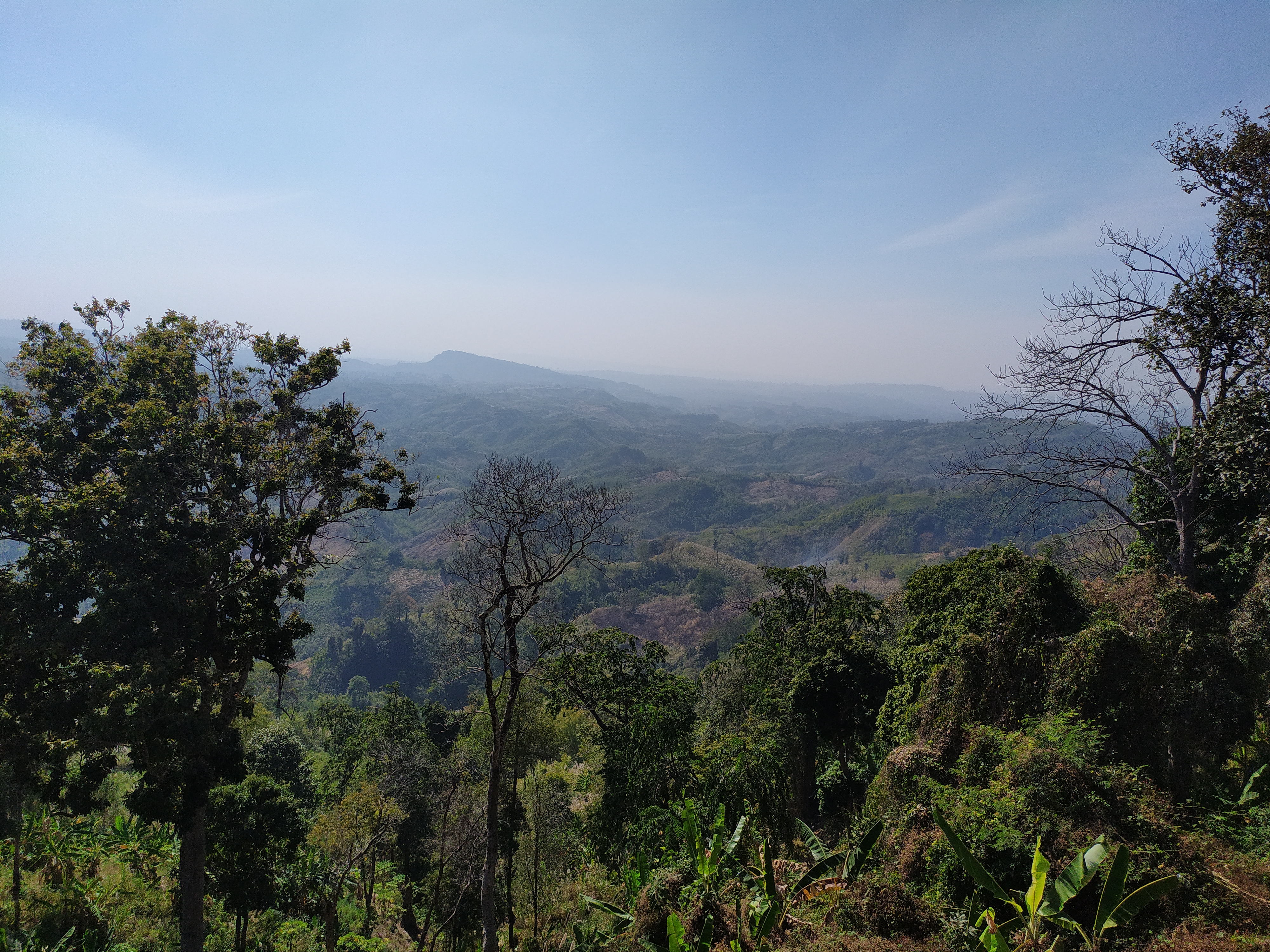
Rangamati, Bangladesh
Data updated Jun 14, 2026
📊 Scores
Agriculture, forestry, and government employment drive nearly everything here. The district's 4,825 km² of forest cover supports timber extraction and related trades, while rice cultivation and jhum shifting agriculture sustain most rural households. Tea plantations add some commercial activity. Tourism around Kaptai Lake brings seasonal income for boat operators, guesthouses, and handicraft sellers, but it's not a reliable income base. Remote work is theoretically possible but practically difficult — internet infrastructure is inconsistent, and there are essentially no multinational employers or formal private-sector jobs to speak of.
A one-bedroom in the city center runs around $120/month, and overall costs are meaningfully lower than Dhaka or Chittagong. But don't mistake cheap rent for easy living. Road connectivity is genuinely poor across much of the district, and getting anywhere beyond the main Chittagong-Rangamati highway often means slow, bumpy rides or water transport across Kaptai Lake. Healthcare is limited to basic district-level facilities — anything serious requires a trip to Chittagong. Bengali is the official language, but many locals speak Chakma or other indigenous languages; English is rarely useful outside administrative offices.
The climate is tropical monsoon — hot, humid, and very wet, with heavy rainfall from June through October that can make roads impassable. The payoff is genuinely striking scenery: forested hills, the sprawling Kaptai Lake, and a cultural landscape shaped by indigenous Chakma, Marma, and Tripura communities whose handicrafts and Buddhist temples are unlike anything else in Bangladesh. The expat community is essentially nonexistent — this is not a place with international social infrastructure. Weekends mean boat trips, hiking, and local markets. This city suits adventurous long-term travelers or researchers drawn to indigenous culture and natural isolation, not remote workers or retirees expecting modern amenities.
🏚️ Cost of Living
💰 Budgets and Costs
Grocery Basket
Eating Out
Utilities & Lifestyle
Housing
💰 Real Spend Reports
🛡️ Safety & Crime
(Higher is safer)
(Lower is safer)
Rangamati presents moderate safety challenges typical of rural hill-tract regions in Bangladesh. Petty theft, pickpocketing, and opportunistic crime occur, particularly in crowded markets and transport hubs. The area has a history of ethnic tensions and occasional civil unrest related to indigenous rights disputes, though violence rarely targets foreigners directly. Avoid displaying wealth, travel after dark, and stay informed on local political developments. For expats, the main risks are petty crime and logistical isolation rather than violent crime, but this is not an ideal choice for those prioritizing personal security.
🏥 Healthcare
🌤️ Climate
Best Months
Climate Notes
Tropical monsoon climate with high rainfall in the Hill Tracts.
💻 Digital Nomad
Community Notes
| Name | Price/mo | Notes |
|---|---|---|
| BB Inn Hotel & Resort | $60 | While not a dedicated coworking space, BB Inn Hotel & Resort offers a reliable option for remote work with comfortable seating, Wi-Fi, and a restaurant. Located near the Rangamati Government College, it provides a quiet environment suitable for focused work. |
| Hotel Green Hill | $50 | Similar to BB Inn, Hotel Green Hill provides a workspace alternative with its lobby and restaurant areas. It offers Wi-Fi and a relaxed atmosphere, making it suitable for digital nomads seeking a change of scenery. The hotel is located centrally in Rangamati. |
🧳 Expat Life
Expat Life Notes
Rangamati is the capital of Rangamati District in the Chittagong Hill Tracts. The district is known for Kaptai Lake, stunning forested hills, and the Chakma and other indigenous communities. Like all of the CHT, foreigners require special permits to visit. It is a significant area for development and conservation NGOs. No conventional expat community or international services are present.
Pros
- ✓ Spectacular Kaptai Lake scenery
- ✓ Rich indigenous cultural diversity
- ✓ Low cost of living
- ✓ Conservation and development NGO presence
Cons
- ✗ Permit requirement for foreign visitors
- ✗ Occasional ethnic tensions
- ✗ No English services
- ✗ Limited healthcare
- ✗ Remote
Could living/working in Rangamati cut years off your work life?
With a 1-bedroom in the center at $120/mo, your FIRE number here might be much lower than you think.