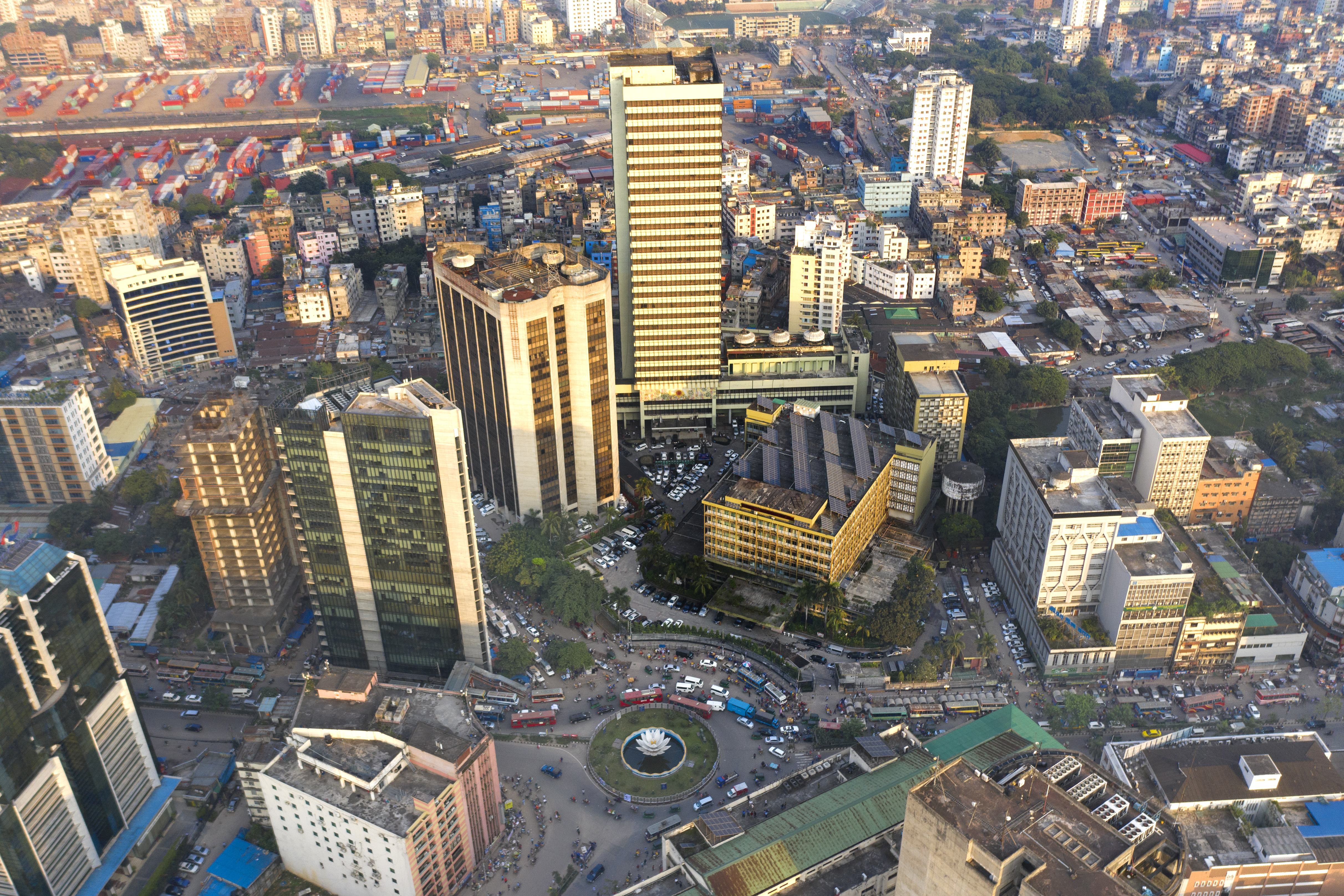
Dhaka, Bangladesh Hero Image
Wikipedia Contributor, CC BY-SA

Dhaka, Bangladesh

🏛️ Capital City

Data updated Oct 8, 2026

Follows Bangladesh Residency Rules. Check Digital Nomad & Retiree Pathways →

📊 Scores

81
FIRE
51
Retiree
65
Digital Nomad

Best fit: FIRE / Geoarbitrage (score: 79)

Dhaka, Bangladesh, sits at an elevation of 4 meters above sea level in a tropical monsoon climate, with significant air pollution during the dry winter months. The city's population of 10 million includes a large and active expat community, who often choose neighborhoods like Gulshan, Banani, and Baridhara. The timezone is Asia/Dhaka, and the nearest airport is DAC, located 9 kilometers away.

Living costs in Dhaka are remarkably low, with a 1-bedroom apartment in the city centre renting for $153/mo and outside the centre for $74/mo. A 3-bedroom in the centre costs $442/mo, while outside the centre it is $218/mo. Utilities run $46/mo, internet $11/mo, and a mobile phone plan $4/mo. A monthly public transport pass is $23/mo, and a gym membership is $17/mo. An inexpensive restaurant meal costs $2 per person, a mid-range three-course meal for two is $13, and a cappuccino is $2. The average monthly net salary locally is $246/mo, and a single person's monthly cost excluding rent is $399/mo, while a family of four excluding rent is $1,430/mo. Budget, mid-range, and comfortable tiers for a single adult including rent are $800/mo, $1,400/mo, and $2,200/mo respectively. The cost of living index is 25/100 when New York City is 100.

Safety in Dhaka is moderate, with a safety index of 50/100 and a crime index of 50/100. Healthcare quality is rated as fair. English proficiency is limited, but the expat community is large and active, which can help newcomers adjust.

Visas for longer stays require proper documentation and can be arranged through official channels. Getting to Dhaka is easiest via the nearest airport, DAC. The city suits those with a FIRE score of 81/100 and a digital nomad score of 65/100, while the retiree score is 51/100. The overall expat score is 79/100, reflecting a generally positive experience for those who can adapt to the climate and local conditions.
Estimate the cost of moving to Dhaka, Bangladesh

Get a free moving cost estimate for moving to Dhaka, Bangladesh. Takes 10 seconds.

How much are you shipping?

When are you moving?

Powered by Sirelo. Free quotes from international movers.

🏚️ Cost of Living

A 1BR in the center runs about $152.72/mo. If your income is in another currency, bank FX fees add up. A multi-currency account can cut that cost.

See low-fee transfers

We may earn a commission at no cost to you.

See how Dhaka's cost of living compares with Jamālpur

Be the first to report costs in Dhaka

Share

🛡️ Safety & Crime

50
Safety Index

(Higher is safer)

50
Crime Index

(Lower is safer)

Dhaka presents moderate safety challenges for expats. Petty theft, pickpocketing, and bag snatching occur regularly in crowded areas and public transport; violent crime against foreigners is uncommon but not unheard of. Avoid Motijheel, Gulshan, and Banani after dark; stick to established expat enclaves. Political demonstrations and hartals (strikes) can turn unpredictable. Traffic accidents pose a genuine daily risk. Most expats manage safely through situational awareness, avoiding displays of wealth, and using trusted transportation. It's livable but requires caution and realistic expectations about urban chaos.

Dhaka has a safety index of 50/100. Petty theft and lost belongings are the most common problems for newcomers. Compare travel insurance before you go.

Compare travel insurance

We may earn a commission at no cost to you.

🏥 Healthcare

Fair
Public Hospitals
Yes
Private Clinics
Yes
English-Speaking Doctors
Available

See how Dhaka's healthcare compares with Jamālpur

🌤️ Climate

Summer Temp
34°C
Winter Temp
13°C
Humidity
70%
Air Quality Index
170
Annual Rainfall
1762 mm

Best Months

MayJunJulAug

Climate Notes

Tropical monsoon climate; experiences significant air pollution during the dry winter months.

💻 Digital Nomad

Avg Internet Speed
24 Mbps
Internet (monthly)
$11/mo
Coworking Availability
Moderate
Coworking Spaces Nearby
1
Digital Nomad Score
65/100

Community Notes

Dhaka's digital nomad scene is growing with several new coworking spaces.

Coworking Spaces

NameNotes
Regus Dhaka, Gulshan AvenueLocated in the upscale Gulshan area, Regus provides a reliable and professional environment with various office solutions. It's a good option for expats seeking a familiar and well-equipped workspace.
Biz Hub BangladeshBiz Hub offers coworking spaces in multiple locations in Dhaka, including Banani and Gulshan. They provide a modern and collaborative environment with good amenities, suitable for digital nomads.
The Desk LimitedLocated in Banani, The Desk offers a vibrant coworking environment with a focus on community and collaboration. They provide flexible workspace solutions and networking opportunities, making it ideal for remote workers.
SpacEdgeSpacEdge, situated in Gulshan, provides a cost-effective coworking solution with essential amenities. It's a good choice for budget-conscious digital nomads looking for a functional workspace.

Names, locations and hours can change. Check each space's website before you visit. Places from © OpenStreetMap contributors and Foursquare Open Source Places (Apache 2.0).

Working remotely from Dhaka? Nomad health insurance covers you across borders, month to month.

See nomad insurance

We may earn a commission at no cost to you.

See how Dhaka's digital nomad life compares with Jamālpur

🧳 Expat Life

English Proficiency
Limited
Expat Community
Large & Active
Top Neighborhoods
Gulshan, Banani, Baridhara
Banks Nearby
900
ATMs Nearby
552

Expat Life Notes

Dhaka is extremely dense and traffic-clogged, but offers high career rewards for those in NGOs or the textile industry.

Pros

  • ✓ Vibrant culture
  • ✓ Very low cost of living
  • ✓ Kind people

Cons

  • ✗ Extreme traffic congestion
  • ✗ Pollution
  • ✗ Political instability

🏘️ Neighborhoods in Dhaka

Areas of Dhaka that expats often consider.

Conditions can change from one block to the next, and these descriptions are general guides, not safety assessments. Before choosing where to stay or live, check current travel advisories, talk to people who live there, and visit in person if you can.

Gulshan

Upscale, diplomatic, international hub

Gulshan is Dhaka's most expat-heavy area, offering international schools, restaurants, and shopping. It's relatively safe and well-maintained, but also the most expensive. Traffic can be heavy, but ride-sharing services are readily available.

Banani

Lively, trendy, commercial district

Adjacent to Gulshan, Banani is a bit more vibrant and commercially focused, with many restaurants, cafes, and boutiques. It's popular with younger expats and affluent locals. Expect noise and traffic, but good access to amenities.

Baridhara

Quiet, residential, diplomatic zone

Baridhara is a more residential and quieter area, home to many embassies and diplomatic residences. It's safer and more peaceful than other parts of Dhaka, but offers fewer entertainment options. Good for retirees seeking tranquility.

Dhanmondi

Cultural, educational, family-friendly

Dhanmondi is a large residential area with a mix of housing options, popular with families and students due to its schools and universities. It has a vibrant cultural scene and numerous parks. Traffic can be congested, but it's generally considered safe.

Page 1 of 2

Could living/working in Dhaka cut years off your work life?

With a 1-bedroom in the center at $153/mo, your FIRE number here might be much lower than you think.

Calculate My FIRE Date →

More Cities to Consider instead of Dhaka

FAQ

Frequently Asked Questions about Dhaka

Click any question to expand the answer.

Dhaka has a population of approximately 10,295,407 people.
A single person can expect to spend around $382 per month in Dhaka, including rent. A 1-bedroom apartment in the city center costs approximately $153/month.
The nearest airport to Dhaka is DAC, approximately 8.8km away.
Dhaka is considered moderate in terms of safety, with a safety index of 50.0. As with any city abroad, expats should research specific neighborhoods before committing to a location.
Dhaka has an average internet speed of 24 Mbps. It is considered a well-established digital nomad destination.
For professional work in NGOs, diplomatic missions, or multinational garment companies, English is sufficient. Outside those environments — markets, rickshaws, local shops, government offices — Bengali is essential. Most expats rely on staff or fixers for daily errands. If you're planning to live independently without institutional support, expect significant friction without at least basic Bengali.
Lower than most Asian capitals, but not as cheap as the headline numbers suggest once you factor in expat-standard housing. A one-bedroom in Gulshan or Banani runs $700–1,200/month. Groceries and local food are very cheap — a full meal at a local restaurant costs under $3. A car and driver, which most expats consider necessary given traffic, adds $400–600/month. Budget $2,000–2,500/month for a comfortable but not extravagant lifestyle.
For wealthier expats, Gulshan and Banani are popular due to their security, international schools, and amenities. More budget-conscious expats might consider Baridhara or Uttara, which offer a mix of affordability and convenience, though with slightly less Western infrastructure.
Internet speeds in Dhaka are generally adequate for remote work, with fiber optic options available in many areas. Expect speeds of 20-50 Mbps, but be prepared for occasional outages, especially during monsoon season. Consider a backup data plan for crucial meetings.
Dhaka has a tropical monsoon climate, meaning hot and humid summers (March-May) with temperatures often exceeding 90°F, followed by a monsoon season (June-September) with heavy rainfall. Winters (November-January) are relatively mild and dry, making them the most pleasant time to be there.
Getting around Dhaka can be challenging due to traffic congestion. Rickshaws are common for short distances, while ride-hailing apps like Uber and Pathao are convenient for longer trips. Public buses are available but can be crowded and confusing for newcomers. Consider hiring a driver if you can afford it.
Yes, you can find English-speaking doctors in Dhaka, particularly at international hospitals like Apollo Hospitals Dhaka and United Hospital. It's advisable to have international health insurance that covers treatment at these facilities.
For long-term stays, Americans typically need to explore options like an employment visa (if you have a job offer), an investment visa (if you're investing in a business), or a student visa. Tourist visas are generally only valid for short stays, and overstaying can lead to complications.
Groceries and eating out are significantly cheaper in Dhaka than in the US. You can buy fresh produce and local ingredients at very low prices. A meal at a local restaurant might cost only a few dollars, while a meal at a Western-style restaurant will be more expensive but still cheaper than in the US.
Dhaka has a sizable expat community, primarily concentrated in areas like Gulshan and Banani. There are various expat groups and clubs that organize social events and activities, providing opportunities to connect with other foreigners.
It's generally safe to use ATMs in Dhaka, especially those located inside banks or in well-lit, secure areas. Be aware of your surroundings and avoid using ATMs late at night or in isolated locations. Notify your bank before traveling to avoid having your card blocked.
As a US citizen, you're still required to file US taxes even when living abroad. You may be able to exclude a certain amount of your foreign earned income using the Foreign Earned Income Exclusion (FEIE). Also, be aware of FBAR reporting requirements if you have foreign bank accounts exceeding $10,000 in aggregate.
Dhaka can be viable for FIRE if you're comfortable with a lower cost of living and are willing to adapt to a different culture. Your passive income will stretch much further than in the US, but you need to carefully consider healthcare, safety, and access to amenities.
While English is spoken in business and by many educated people, knowing some basic Bengali will significantly improve your daily life. Expect to encounter challenges with bureaucracy and navigating local markets if you only speak English. Patience and a willingness to learn are key.

Share This Guide