Soyo, Angola Hero Image
Wikipedia Contributor, CC BY-SA

Soyo, Angola

🌊 Coastal
Follows Angola Residency Rules. Check Digital Nomad & Retiree Pathways →

📊 Scores

63
FIRE
42
Retiree
45
Digital Nomad

Best fit: FIRE / Geoarbitrage (score: 61)

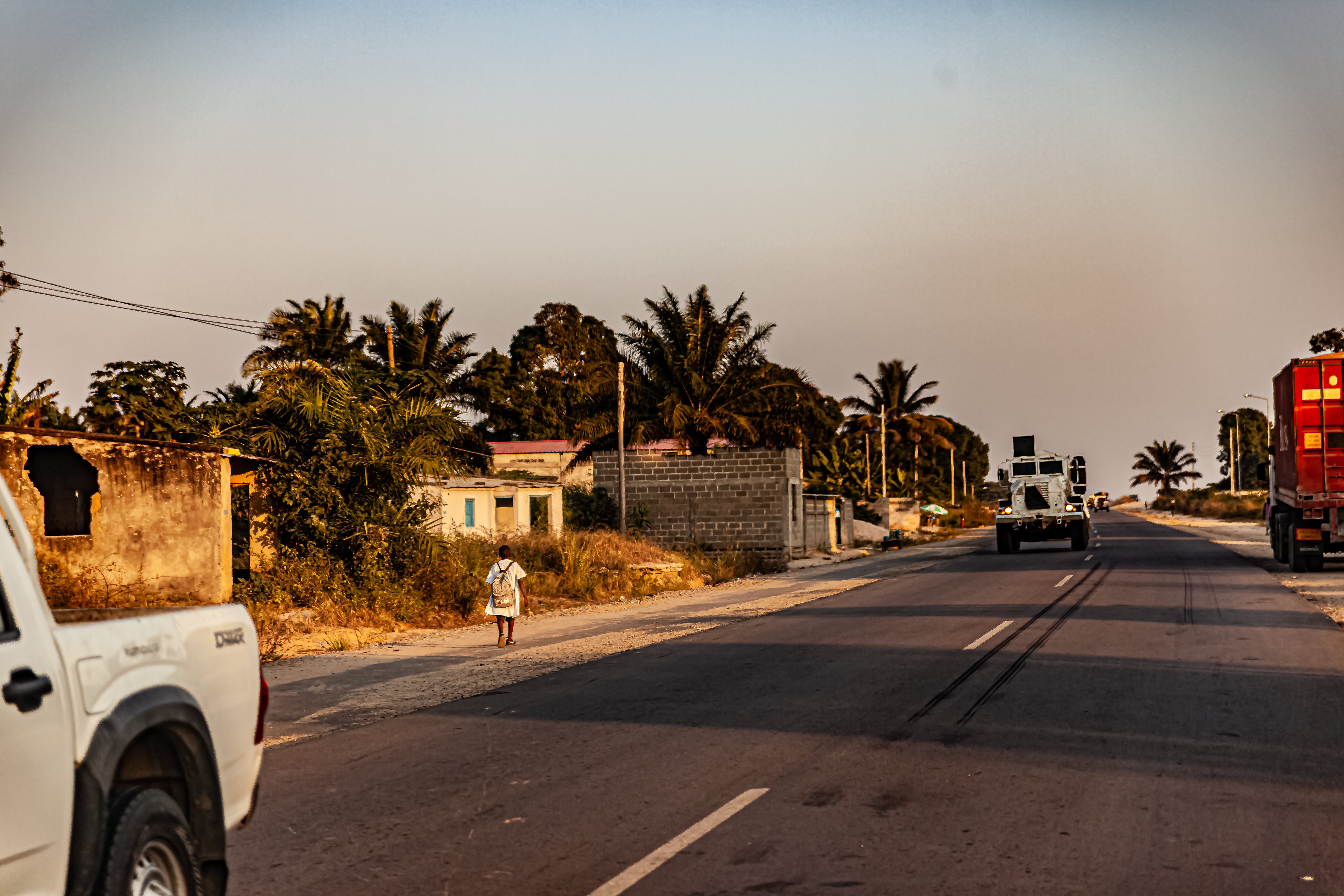
Soyo sits at the mouth of the Congo River in northern Angola, a tropical city where the Atlantic meets mangrove-lined estuaries and the air stays warm and humid year round. At just 3 m above sea level, the landscape is flat and waterlogged, with heavy rains and high temperatures shaping daily life. The city runs on Africa/Luanda time and is home to 201 thousand people. Expats, most of them tied to the oil and gas sector, cluster in two areas: Oil Industry Compounds and Kwanda Base, both of which offer secure, serviced housing and a ready-made social circle.

Renting a one-bedroom apartment in the city centre costs $600/mo, while a three-bedroom in the same area runs $1,200/mo. Beyond rent, a single person should budget around $850/mo for monthly costs, and a family of four closer to $3,000/mo. The cost of living index sits at 55/100 against New York City as 100, which means everyday expenses are moderate by global standards but still steep relative to what many local households earn. Internet averages 16 Mbps, enough for email and video calls but not always for heavy streaming or large transfers.

Safety requires attention. The safety index is 40/100 and the crime index is 60/100, so petty theft and opportunistic crime are real concerns, especially after dark and outside guarded compounds. Healthcare quality is poor, and serious medical cases are usually evacuated to Luanda or abroad. Air quality is moderate, with an index of 45, though the tropical humidity and industrial activity near the oil facilities can make the air feel heavy. Most expats rely on private clinics or international insurance for anything beyond basic care.

Visas are handled through formal application channels, and there is no shortcut around the paperwork. The nearest airport is SZA, which connects Soyo to Luanda and a limited set of regional destinations. English proficiency is limited, so a few words of Portuguese go a long way. The expat community is small, and the overall expat score is 61/100. Digital nomads score it 45/100, retirees 42/100, and those chasing FIRE 63/100. Soyo suits oil and gas professionals, contractors, and anyone who values a quiet, low-key base over big-city amenities. It does not suit those who need robust healthcare, a large international crowd, or fast, reliable internet.
Estimate the cost of moving to Soyo, Angola

Get a free moving cost estimate for moving to Soyo, Angola. Takes 10 seconds.

How much are you shipping?

When are you moving?

Powered by Sirelo. Free quotes from international movers.

🏚️ Cost of Living

A 1BR in the center runs about $600/mo. If your income is in another currency, bank FX fees add up. A multi-currency account can cut that cost.

See low-fee transfers

We may earn a commission at no cost to you.

See how Soyo's cost of living compares with Cubal

Be the first to report costs in Soyo

Share

🛡️ Safety & Crime

40
Safety Index

(Higher is safer)

60
Crime Index

(Lower is safer)

Soyo presents moderate-to-high safety concerns for expats. While not a war zone, petty theft, armed robbery, and carjacking occur regularly, particularly after dark and in less developed neighborhoods. Gang activity and occasional violent crime are documented. Infrastructure challenges, limited police presence, and corruption complicate emergency response. Expats should avoid displaying wealth, use trusted transportation, and stay in established expat areas. The broader Angola context—political instability, limited healthcare, and economic volatility—adds friction. This city suits only experienced expats with strong local networks and security awareness, not typical retirees seeking relaxation.

Soyo has a safety index of 40/100. Petty theft and lost belongings are the most common problems for newcomers. Compare travel insurance before you go.

Compare travel insurance

We may earn a commission at no cost to you.

🏥 Healthcare

Poor
Public Hospitals
Yes
Private Clinics
Yes
English-Speaking Doctors
Limited

See how Soyo's healthcare compares with Cubal

🌤️ Climate

Climate Zones
Tropical
Summer Temp
31°C
Winter Temp
18°C
Humidity
84%
Air Quality Index
45

Best Months

JunJulAugSep

Climate Notes

Soyo has a tropical climate with warm, humid conditions year-round (18-31°C), featuring a rainy season from October to May and a drier season from June to September, making it consistently warm but occasionally challenging for those unaccustomed to high humidity.

💻 Digital Nomad

Avg Internet Speed
15.6 Mbps
Coworking Availability
None
Coworking Spaces Nearby
0
Digital Nomad Score
45/100

Community Notes

Soyo is primarily industrial with limited digital nomad facilities.

Coworking Spaces

NameNotes
Regus SoyoRegus offers a reliable and professional coworking environment in Soyo. It provides standard amenities like high-speed internet, meeting rooms, and administrative support, making it suitable for expats needing a structured workspace.
Business Center SoyoThis business center provides flexible office solutions including coworking spaces. It's a good option for those seeking a professional environment with essential services in a central location within Soyo.

Names, locations and hours can change. Check each space's website before you visit. Places from © OpenStreetMap contributors and Foursquare Open Source Places (Apache 2.0).

Working remotely from Soyo? Nomad health insurance covers you across borders, month to month.

See nomad insurance

We may earn a commission at no cost to you.

See how Soyo's digital nomad life compares with Cubal

🧳 Expat Life

English Proficiency
Limited
Expat Community
Small
Top Neighborhoods
Oil Industry Compounds, Kwanda Base
Banks Nearby
6
ATMs Nearby
0

Expat Life Notes

Soyo is a strategic petroleum hub at the mouth of the Congo River. The expat community is almost exclusively oil and gas professionals living in secure compounds.

Pros

  • ✓ High-salary industrial contracts
  • ✓ Access to coastal scenery
  • ✓ Professional networking in energy

Cons

  • ✗ Isolated within compounds
  • ✗ High security requirements
  • ✗ Limited local infrastructure

🏘️ Neighborhoods in Soyo

Areas of Soyo that expats often consider.

Conditions can change from one block to the next, and these descriptions are general guides, not safety assessments. Before choosing where to stay or live, check current travel advisories, talk to people who live there, and visit in person if you can.

Central Soyo (Cidade Alta)

Bustling commercial and administrative

The heart of Soyo, featuring government buildings, businesses, and some residential areas. Offers access to amenities and services, but can be noisy and crowded. Expat-oriented housing options are more common here.

Nzadi a Lukala

Residential, developing, local life

A more residential area, further from the city center. Offers a glimpse into local life, but may lack some amenities and English language support. Transportation is essential.

Kiluange

Quiet residential, family-oriented

A quieter residential neighborhood, suitable for families seeking a more relaxed environment. Limited expat presence and fewer English speakers. Requires reliance on personal transportation.

Area Petrolífera (Oil Area)

Upscale, company housing, secure

Primarily housing for oil company employees, often featuring higher security and better infrastructure. Rents are significantly higher. Caters to expats, but can feel isolated from local culture.

Page 1 of 2

Could living/working in Soyo cut years off your work life?

With a 1-bedroom in the center at $600/mo, your FIRE number here might be much lower than you think.

Calculate My FIRE Date →

More Cities to Consider instead of Soyo

FAQ

Frequently Asked Questions about Soyo

Click any question to expand the answer.

Soyo has a population of approximately 200,920 people.
A single person can expect to spend around $1,500 per month in Soyo, including rent. A 1-bedroom apartment in the city center costs approximately $600/month.
The nearest airport to Soyo is SZA, approximately 1km away.
Soyo is considered moderate in terms of safety, with a safety index of 40.0. As with any city abroad, expats should research specific neighborhoods before committing to a location.
Soyo has an average internet speed of 15.6 Mbps. It is not yet considered a well-established digital nomad destination.
While major oil companies operate in English, Portuguese is essential for daily life, banking, shopping, and dealing with local authorities. Most expats learn basic Portuguese within 6 months or rely heavily on company translators.
Most expats live in secured company housing due to safety concerns. The safety index of 40 reflects real risks of petty crime and occasional violent incidents. Independent housing requires serious security measures and local knowledge.
Soyo is expensive due to oil money - expect $600+ rent, $15+ restaurant meals, and inflated prices on imported goods. It's pricier than most African cities but oil company packages typically include housing, transport, and medical coverage.
For extended stays, you'll likely need a work visa sponsored by an employer, or a temporary residence permit if you have significant investments or can prove sufficient independent income. The Angolan embassy in the US is the best place to start, as visa rules can change frequently.
The expat community in Soyo is primarily centered around the oil industry. While there are opportunities to connect, it's smaller and less diverse than in Luanda. Social life often revolves around company-sponsored events and gatherings.
Internet connectivity can be unreliable and slow compared to US standards. While 4G is available, speeds fluctuate, and outages are common. Consider investing in a local SIM card and exploring options for satellite internet if reliable connectivity is crucial for your work.
Access to quality healthcare is limited. While some doctors may have basic English skills, it's best to have a translator. Serious medical issues often require evacuation to Luanda or South Africa, so comprehensive medical insurance is essential.
Soyo has a tropical climate with a distinct dry season (May to September) and a wet season (October to April). Expect high humidity year-round, with temperatures averaging between 70°F and 90°F. Pack accordingly for both heat and rain.
Opening a local bank account can be challenging without residency. International money transfers are possible but can be expensive and slow. Services like Wise or Remitly might offer better rates than traditional bank transfers, but check their availability in Angola.
Many expats live in compounds or gated communities near the oil facilities for security and amenities. These areas tend to be more expensive. For more affordable options, explore neighborhoods further from the center, but be mindful of safety and infrastructure.
While Soyo is generally considered safer than Luanda, petty crime and theft can occur. Avoid walking alone at night, especially in less populated areas. It's wise to be discreet with valuables and avoid drawing attention to yourself.
Portuguese is the official language, and English proficiency is limited outside of the oil industry. Learning basic Portuguese phrases will significantly improve your daily life and interactions with locals. Consider taking language lessons before or after you arrive.
Life in Soyo is generally slower-paced than in major Western cities. Be prepared for delays and bureaucratic hurdles. Patience and flexibility are essential for adapting to the local rhythm.
As a US citizen, you're still required to file US taxes even while living abroad. You may be able to exclude a significant portion of your foreign earned income using the Foreign Earned Income Exclusion (FEIE). Consult with a tax professional specializing in expat taxes.
While the cost of some things can be lower, Soyo isn't necessarily a cheap retirement haven. Housing and imported goods can be expensive. You'd need a substantial pension or passive income stream to maintain a comfortable lifestyle, especially considering healthcare costs and potential evacuation expenses.
Public transportation is limited and can be unreliable. Taxis are available, but negotiate the fare beforehand. Many expats rely on company-provided transportation or hire private drivers. Owning a car is an option, but be prepared for challenging road conditions.
Expect daily challenges due to the language barrier. Simple tasks like grocery shopping or navigating local markets can be difficult without Portuguese. Building relationships with locals and finding reliable translators can greatly improve your experience.

Share This Guide