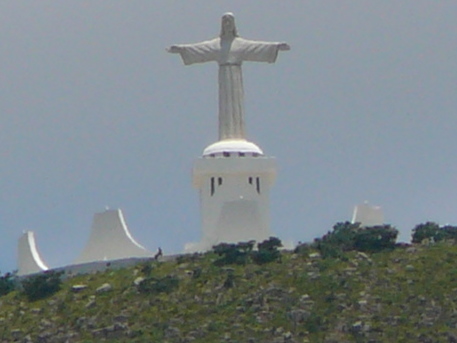
Lubango, Angola Hero Image
Wikipedia Contributor, CC BY-SA

Lubango, Angola

Follows Angola Residency Rules. Check Digital Nomad & Retiree Pathways →

📊 Scores

61
FIRE
39
Retiree
45
Digital Nomad

Best fit: FIRE / Geoarbitrage (score: 59)

Lubango, Angola, sits at an elevation of 1720 meters above sea level, giving it a subtropical highland climate with pleasantly cool temperatures. The city, with a population of 904 thousand, operates in the Africa/Luanda timezone. Expats typically settle in neighborhoods like Centro, Tchioco, and Bela Vista, where the expat community remains small.

Living costs in Lubango are moderate, with a cost of living index of 53/100 relative to New York City. A one-bedroom apartment in the city centre rents for $800/mo, while outside the centre it is $600/mo; a three-bedroom in the centre costs $1,800/mo, and outside the centre $1,200/mo. A single adult's monthly expenses excluding rent total $650/mo, and a family of four's excluding rent is $1,950/mo. Budget-tier living for a single adult, including rent, runs $1,500/mo, mid-range tier $2,800/mo, and comfortable tier $4,500/mo.

Safety is a concern, with a safety index of 45/100 and a crime index of 55/100 (lower is safer). Healthcare quality is rated as poor, and English proficiency is limited. The average internet speed is 18 Mbps, and the air quality index is 34 (lower is better).

Getting to Lubango is straightforward via the nearest airport, SDD, located 8 km from the city. Visa requirements vary by nationality, and the city suits those seeking a cooler climate and lower cost of living, though it may not be ideal for retirees (retiree score 39/100) or digital nomads (digital nomad score 45/100). The overall expat score is 59/100, and the FIRE score is 61/100.
Estimate the cost of moving to Lubango, Angola

Get a free moving cost estimate for moving to Lubango, Angola. Takes 10 seconds.

How much are you shipping?

When are you moving?

Powered by Sirelo. Free quotes from international movers.

🏚️ Cost of Living

A 1BR in the center runs about $800/mo. If your income is in another currency, bank FX fees add up. A multi-currency account can cut that cost.

See low-fee transfers

We may earn a commission at no cost to you.

See how Lubango's cost of living compares with Ganda

Be the first to report costs in Lubango

Share

🛡️ Safety & Crime

45
Safety Index

(Higher is safer)

55
Crime Index

(Lower is safer)

Lubango presents moderate safety challenges typical of Angola's second-largest city. Petty theft, armed robbery, and carjacking occur, particularly after dark and in less developed neighborhoods. Avoid displaying valuables, traveling alone at night, and certain peripheral areas. Political stability is generally solid, but infrastructure gaps and limited police presence in outlying zones create vulnerability. For expats with situational awareness, established routines, and secure housing in better neighborhoods, daily life is manageable—but this isn't a relaxed retirement destination. Serious consideration of security measures and local networks is essential.

Lubango has a safety index of 45/100. Petty theft and lost belongings are the most common problems for newcomers. Compare travel insurance before you go.

Compare travel insurance

We may earn a commission at no cost to you.

🏥 Healthcare

Poor
Public Hospitals
Yes
Private Clinics
Yes
English-Speaking Doctors
Limited

See how Lubango's healthcare compares with Ganda

🌤️ Climate

Summer Temp
25°C
Winter Temp
9°C
Humidity
60%
Air Quality Index
34

Best Months

AprMaySepOct

Climate Notes

Subtropical highland climate; pleasantly cool temperatures due to high elevation.

💻 Digital Nomad

Avg Internet Speed
18 Mbps
Coworking Availability
None
Coworking Spaces Nearby
0
Digital Nomad Score
45/100

Community Notes

Lubango's mountainous scenery appeals, but the infrastructure is challenging for digital nomads.

Coworking Spaces

NameNotes
Regus LubangoRegus offers a reliable coworking option in Lubango, providing serviced offices and coworking spaces. Located in a central business area, it's a professional environment with standard amenities like meeting rooms and administrative support, suitable for expats seeking a familiar and structured workspace.
Ideas Hub LubangoIdeas Hub is a local coworking space that fosters innovation and collaboration. While details are limited, it likely offers a more community-focused vibe and potentially lower costs, appealing to digital nomads looking for a local experience. Check their Facebook page for the most up-to-date information.

Names, locations and hours can change. Check each space's website before you visit. Places from © OpenStreetMap contributors and Foursquare Open Source Places (Apache 2.0).

Working remotely from Lubango? Nomad health insurance covers you across borders, month to month.

See nomad insurance

We may earn a commission at no cost to you.

See how Lubango's digital nomad life compares with Ganda

🧳 Expat Life

English Proficiency
Limited
Expat Community
Small
Top Neighborhoods
Centro, Tchioco, Bela Vista
Banks Nearby
60
ATMs Nearby
5

Expat Life Notes

Lubango is the capital of Huíla Province in southern Angola and is widely regarded as the most livable city in Angola outside Luanda. It enjoys a mild highland climate, clean air, a relatively calm security environment, and a more relaxed pace of life than the capital. A small expat community of missionaries, NGO workers, and Portuguese business owners resides here.

Pros

  • ✓ Best climate in Angola — mild and temperate
  • ✓ More affordable than Luanda
  • ✓ Safer and less congested than the capital
  • ✓ Scenic landscapes including the Tundavala gorge

Cons

  • ✗ No English spoken
  • ✗ Limited expat infrastructure
  • ✗ Basic healthcare
  • ✗ Fewer job opportunities than Luanda

🏘️ Neighborhoods in Lubango

Areas of Lubango that expats often consider.

Conditions can change from one block to the next, and these descriptions are general guides, not safety assessments. Before choosing where to stay or live, check current travel advisories, talk to people who live there, and visit in person if you can.

Central Lubango (Baixa)

Bustling, commercial, historical heart

The city center offers a mix of colonial architecture and modern businesses. It's walkable and has access to most services, but can be noisy and crowded. Many government offices and banks are located here, making it convenient for administrative tasks.

Nossa Senhora do Monte

Scenic views, quieter residential

Located on the hills overlooking Lubango, this area offers stunning views and a more relaxed atmosphere. Housing tends to be larger and more expensive. While beautiful, it's less walkable and requires a car for most errands.

Comercial

Lively market, local commerce

As the name suggests, this is a commercial area with a large market and many small businesses. It's a great place to experience local life and find affordable goods. However, it can be chaotic, crowded, and less safe than other areas.

Mutundo

Residential, growing, family-friendly

A rapidly developing residential area further from the city center. It offers more modern housing options and a quieter environment. Public transportation is less frequent, so owning a car is recommended.

Page 1 of 2

Could living/working in Lubango cut years off your work life?

With a 1-bedroom in the center at $800/mo, your FIRE number here might be much lower than you think.

Calculate My FIRE Date →

More Cities to Consider instead of Lubango

FAQ

Frequently Asked Questions about Lubango

Click any question to expand the answer.

Lubango has a population of approximately 903,564 people.
A single person can expect to spend around $2,000 per month in Lubango, including rent. A 1-bedroom apartment in the city center costs approximately $800/month.
The nearest airport to Lubango is SDD, approximately 8.2km away.
Lubango is considered moderate in terms of safety, with a safety index of 45.0. As with any city abroad, expats should research specific neighborhoods before committing to a location.
Lubango has an average internet speed of 18 Mbps. It is not yet considered a well-established digital nomad destination.
No, not comfortably. English is rarely spoken outside a small circle of NGO and development professionals. Learning at least functional Portuguese before arriving is essential for daily life, dealing with landlords, and navigating any government office.
It's a genuine obstacle. Connections are slow and inconsistent, with frequent outages. Most serious remote workers invest in multiple SIM cards from different providers and budget for a backup mobile data plan. Expect to manage your work schedule around connectivity windows.
Lubango is relatively affordable compared to Luanda. Expect to pay around $500-$1000 USD per month for rent in decent neighborhoods like Nossa Senhora do Monte, and groceries are cheaper at local markets than imported goods at Shoprite. Dining out can range from $10 at a local *restaurante* to $30+ at a fancier place.
For longer stays, you'll need a visa beyond the tourist visa. Options include a work visa (if employed by an Angolan company), an investment visa (if you're starting a business), or a temporary residence permit. It's best to consult with an Angolan immigration lawyer to navigate the process.
Healthcare in Lubango is improving, but it's not on par with Western standards. There are public and private hospitals; Clínica Multiperfil is a better private option. For serious medical issues, evacuation to South Africa might be necessary, so comprehensive travel insurance is crucial.
Like any city, Lubango has areas with higher crime rates. It's generally advisable to avoid walking alone at night in less populated areas and to be cautious in areas like the periphery of the city center after dark. Ask locals for up-to-date advice.
The expat community in Lubango is smaller than in Luanda, but it exists. You'll find some expats working in mining, agriculture, and NGOs. Networking can happen through international schools, churches, and social events organized by companies.
Lubango has a pleasant subtropical highland climate. Expect warm days and cool nights year-round. The rainy season is from November to April, with drier, cooler weather from May to October. It's a welcome change from the coastal humidity.
Taxis and *candongas* (shared taxis) are the most common ways to get around. Negotiate the fare before you get in a taxi. Renting a car is an option, but driving can be chaotic, and road conditions vary. Consider hiring a driver if you're not comfortable navigating the traffic.
Coworking spaces are not yet widespread in Lubango. Your best bet for reliable internet and a workspace is often a hotel lobby or a cafe with Wi-Fi. As the city grows, more dedicated coworking options may emerge.
Opening a bank account as a foreigner can be challenging and requires paperwork like your passport, visa, and proof of address. Banco BAI and Banco Millennium Atlântico are common banks. Be prepared for potential bureaucratic hurdles.
International money transfers can be done through services like Western Union or MoneyGram, but fees can be high. Wire transfers through banks are also possible, but they can be slow and expensive. Explore digital options, but be aware of potential limitations.
Retiring on $2,000 USD per month in Lubango is possible, but it requires careful budgeting. You'll need to be mindful of healthcare costs and potential emergencies. It's more feasible if you own your accommodation or are willing to live modestly.
As a US citizen, you're still required to file US taxes even when living abroad. The Foreign Earned Income Exclusion (FEIE) can help you exclude a certain amount of your income from US taxes. Also, be aware of FBAR requirements for reporting foreign bank accounts.
Lubango has a slower, more relaxed pace of life compared to major Western cities. Things often take longer, and patience is key. Embrace the slower rhythm and enjoy the more relaxed atmosphere.
Lubango can be attractive for FIRE due to its lower cost of living, allowing passive income to stretch further. However, the investment climate is still developing, so relying solely on local investments might be risky. Diversify your portfolio internationally.

Share This Guide