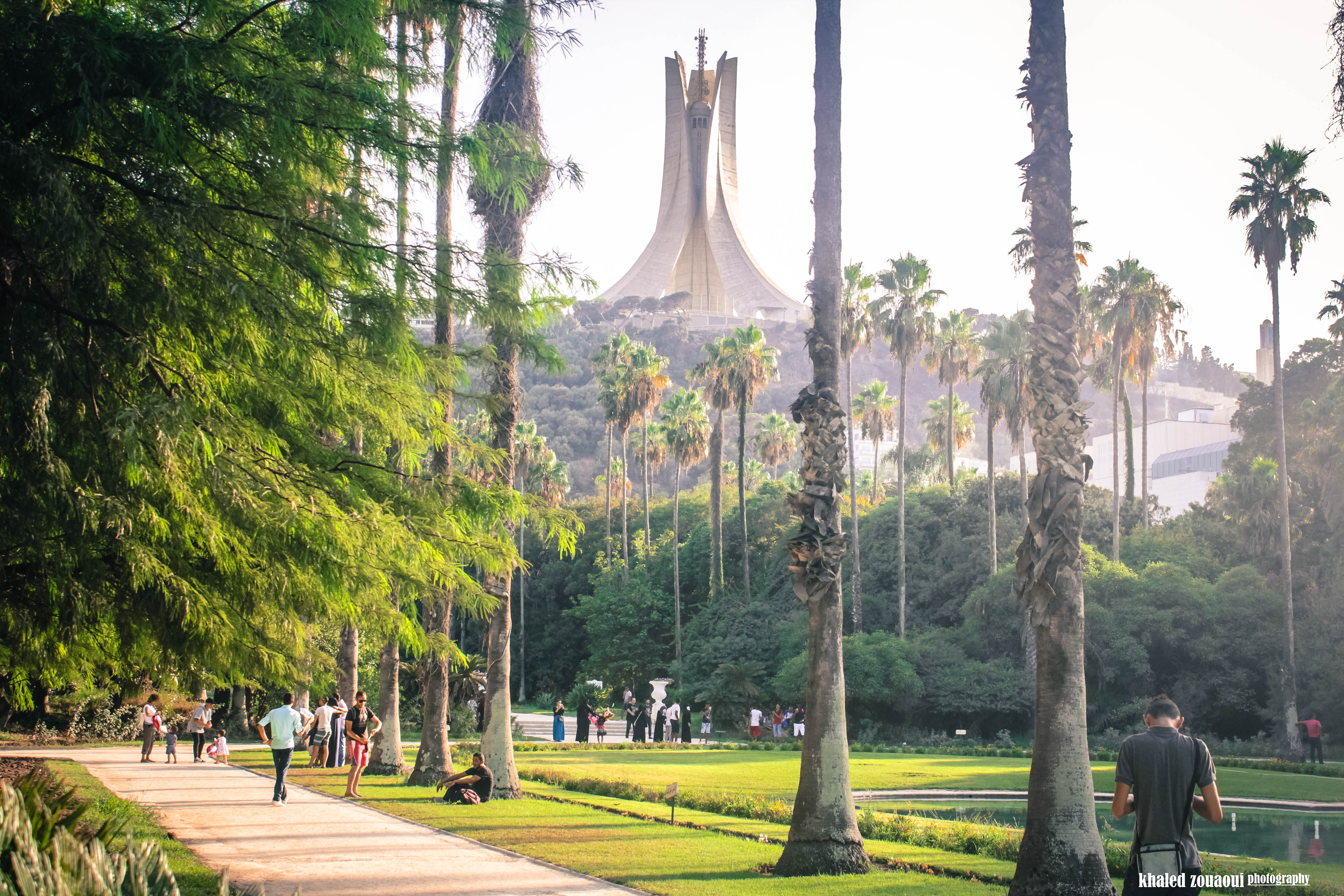
Algiers sits on the Mediterranean coast of North Africa, a whitewashed city of 3.4 million people built along a bay and rising up steep hillsides at just 2 m above sea level. The climate is Mediterranean, with hot, dry summers and mild, rainy winters, and the Africa/Algiers timezone keeps the city on Central European Time for most of the year. Expats who settle here tend to cluster in Hydra and El Biar, two elevated residential districts known for quieter streets, embassies, and easier access to international schools and services.
The cost of living is where Algiers surprises most newcomers. A one-bedroom apartment in the city center rents for around $164/mo, while the same outside the center drops to $130/mo. Three-bedroom units run $440/mo in the center and $240/mo outside it. Utilities average $44/mo, internet $12/mo, and a mobile phone plan $10/mo, with a monthly public transport pass at $7/mo and a gym membership at $25/mo. A single adult can live on a budget tier of $226/mo including rent, a mid-range tier of $344/mo, or a comfortable tier of $428/mo. Excluding rent, a single person spends about $449/mo and a family of four about $1,662/mo. Eating out is cheap: $3 for an inexpensive restaurant meal, $28 for a three-course mid-range meal for two, and $1 for a cappuccino. The catch is local wages, which average $328/mo net, far below what most foreign residents earn or bring with them. The cost of living index sits at 27/100 against New York City at 100.
Safety in Algiers is middling by international standards, with a safety index of 50/100 and a crime index of 48/100, where a lower crime figure is better. Petty theft and opportunistic crime exist, but violent crime against foreigners is uncommon, and most expats report feeling secure in Hydra, El Biar, and other well-patrolled central districts. Healthcare quality is rated fair, adequate for routine care and stable chronic conditions but short of the standard found in Western Europe, so many residents keep international coverage and travel abroad for major procedures. Air quality is a moderate concern at an index of 58, and the city's traffic and dust can aggravate respiratory issues.
Visas are handled through the usual channels for Algeria, and the process rewards patience and paperwork rather than speed. The nearest airport is Houari Boumediene Airport (ALG), about 12 km from the center, with direct connections to major European and North African cities. English proficiency is limited, so a working knowledge of French or Arabic transforms daily life, and the expat community is small, which means social circles form slowly but tend to be close. Internet averages 25 Mbps, enough for remote work though not always for heavy video calls. The city scores 83/100 overall for expats, 85/100 on FIRE, 62/100 for retirees, and 63/100 for digital nomads. Algiers suits budget-conscious savers, early retirees chasing a low cost of living, and remote workers who want a Mediterranean capital without the Mediterranean price tag, and it rewards those who arrive with realistic expectations about language, bureaucracy, and pace.